Air Products Shares Decline Amid Ongoing Negotiations with Yara


Collaboration Overview: Air Products and Yara International are partnering to supply low-emission ammonia from projects in Louisiana and Saudi Arabia, with key decisions expected by 2026, focusing on European demand.
Louisiana Clean Energy Complex: Air Products is developing a facility in Louisiana to produce low-carbon hydrogen and capture CO2, with an estimated project cost of $8-9 billion and a completion target of 2030.
NEOM Green Hydrogen Project: The NEOM project in Saudi Arabia is nearing completion and aims to start commercial production in 2027, with Air Products set to purchase renewable ammonia.
Stock Performance: Air Products' shares have dropped 9.36% to $236.30, reflecting market reactions to the collaboration and ongoing projects.
Trade with 70% Backtested Accuracy
Analyst Views on PLUG

About PLUG
About the author

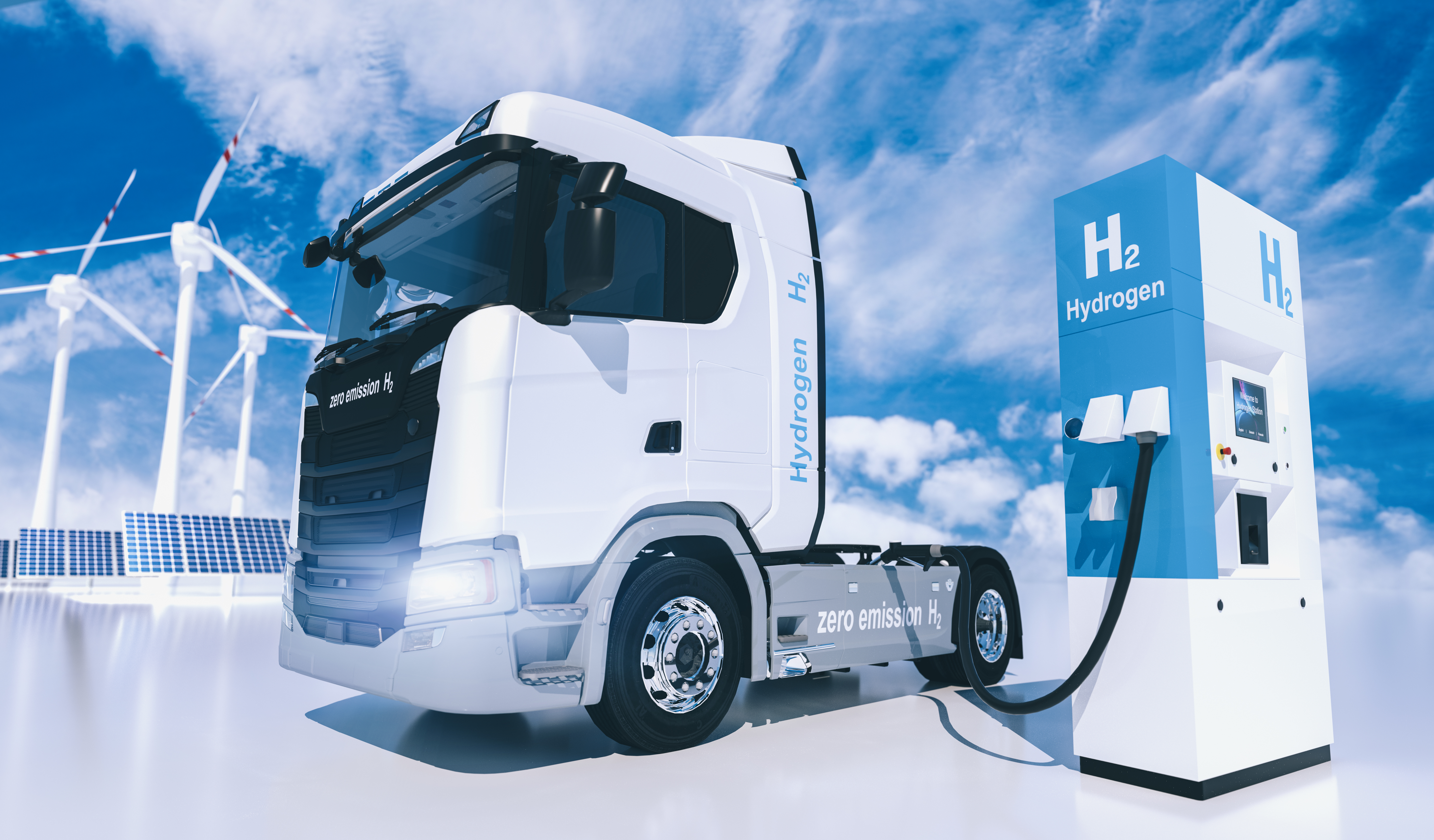
Plug Power Secures 50 MW Electrolyzer Order for Australian Hydrogen Project

- Order Confirmation: Plug Power announced it secured a 50 MW electrolyzer order for the Hunter Valley Hydrogen Hub in Australia, with the project reaching a final investment decision, which is expected to enhance the company's growth in the renewable hydrogen market.
- Capacity Expectations: The facility is projected to produce 4,700 metric tons of renewable hydrogen annually at full capacity, significantly elevating Plug Power's position in the global hydrogen supply chain and laying a foundation for future growth.
- Decarbonization Support: Developed by Orica, the Hunter Valley project aims to produce renewable hydrogen to displace natural gas in ammonia production, supporting Orica's decarbonization efforts and highlighting the importance of renewable energy in industrial applications.
- Industry Leadership: As Australia's largest green hydrogen project, Hunter Valley is the first to receive support from the Australian Renewable Energy Agency's Hydrogen Headstart program and move into the execution phase, marking Plug Power's strategic advantage in the global hydrogen market.

Iran Missile Attack Causes Industrial Stocks to Fall


- Oil Price Surge: Iran's missile attack on commercial tankers in the Strait of Hormuz has pushed Brent crude prices toward $75 and WTI to around $71, directly compressing operating margins in sectors like airlines, trucking, and machinery, leading to an overall decline of about 2% in the industrial sector.
- Market Overreaction: While industrial stocks broadly declined, the market's reaction appeared overly severe, particularly with electronic components and renewables companies like Corning and Enphase experiencing drops of 7-9%, indicating heightened sensitivity to geopolitical risks among investors.
- Fed Policy Impact: The hawkish stance of new Fed Chair Kevin Warsh has raised expectations for a 2026 rate hike, pushing the 10-year Treasury yield to approximately 4.47%, which further increases financing costs for the industrial sector, exacerbating investor concerns about future profitability.
- Investment Opportunity Assessment: Despite Kimball Solutions' stock price falling 13.3% year-to-date, the volatility in the market presents investors with opportunities to buy high-quality stocks at lower prices, suggesting that long-term investors may benefit from the current market conditions.

Growth Stock Opportunities Amid Market Turmoil


- Hydrogen Market Outlook: Plug Power has been unprofitable for 29 years, but as hydrogen technology gains mainstream acceptance, it is projected to achieve profitability by late 2028, reflecting the growth potential of the hydrogen sector, especially with the global hydrogen market expected to double by 2035.
- ServiceNow's Growth Potential: Despite ServiceNow's stock price nearly halving over the past year, its first-quarter non-GAAP revenue reached nearly $3.7 billion, up 19% year-over-year, showcasing its leadership in enterprise application development and a customer renewal rate exceeding 97%, indicating sustainable future growth.
- Marvell Technology's Market Opportunities: Marvell Technology's stock has fallen 20% from its June peak, yet its revenue grew over 40% last year, with similar growth expected in the coming years, particularly as demand for AI infrastructure continues to rise, highlighting its competitiveness in the data center hardware market.
- AI Industry Competitive Landscape: As AI technology becomes more widespread, Marvell's collaboration with companies like Amazon in high-performance processors could enhance its market share in the rapidly growing AI sector, which is projected to reach $550 billion by 2035.

Small Investments, Big Potential: Oklo and Plug Power


- Oklo Microreactor Innovation: Oklo's Aurora microreactor generates 1.5 MWe individually, but can connect to others for up to 75 MWe, making it deployable in remote areas; expected to launch in 2027, it could reshape the nuclear energy market over the next decade.
- Revenue Growth Expectations: Analysts forecast Oklo's revenue to surge from $1 million in 2026 to $55 million in 2028, driven by strong demand from cloud and AI data centers, highlighting its long-term growth potential.
- Plug Power Market Expansion: Plug Power's fuel cell systems increased from 50,000 at the end of 2021 to 74,000 by 2025, showcasing rapid growth in the hydrogen market, particularly through partnerships with major clients like Amazon and Walmart.
- Green Hydrogen Facility Development: Plug Power is building six new green hydrogen facilities for the U.S. Department of Energy and secured a 275 MW electrolyzer contract, with revenue expected to grow at an 18% CAGR from 2025 to 2028, reflecting strong demand in the green hydrogen market.

Plug Power's Profitability Forecast Under Scrutiny
- Significant Sales Growth: Over the past decade, Plug Power has achieved remarkable sales growth, demonstrating strong sales capabilities in its fuel cell and hydrogen offerings; however, the company has failed to turn a profit since its inception in 1997, negatively impacting investor confidence.
- Repeated Profit Forecast Failures: Management has repeatedly predicted profitability, such as forecasting EBITDA breakeven in 2014, only to end that year with a $33.6 million loss, leading investors to approach future profitability projections with caution due to this historical track record.
- Diverse Profitability Plans: In an April 2026 investor presentation, Plug Power outlined various measures to achieve profitability, including raising prices in its material handling business and consolidating operating sites; however, the success of these initiatives remains uncertain.
- Capital Demand Pressure: The company faces a $1 billion debt burden and had only $223 million in cash as of March 2026, necessitating debt servicing while maintaining operations, which is likely to lead to equity issuance, potentially diluting shareholder value.
Plug Power Projects Profitability by 2028
- Profitability Forecast: Plug Power projects to generate positive operating income by the end of 2027 and achieve overall profitability by the end of 2028, although the company's history of unmet profitability targets makes investors cautious.
- Historical Performance: Since its founding in 1997, Plug Power has never turned a profit, with management previously missing forecasts, such as the 2016 Q4 EBITDA breakeven prediction, which resulted in a $9.4 million loss instead.
- Cost Control Measures: Management plans to implement various strategies to reduce expenses, including raising prices in its material handling business and consolidating operations, yet the success of these measures is uncertain, especially given the company's $1 billion debt obligations.
- Capital Raising Risks: With a dwindling cash position, Plug Power may need to raise capital through equity issuance, leading to shareholder dilution, and investors should monitor the company's ability to achieve positive EBITDA by the end of 2026 to rebuild trust.
Plug Power Secures 50 MW Electrolyzer Order for Australian Hydrogen Project
- Order Confirmation: Plug Power announced it secured a 50 MW electrolyzer order for the Hunter Valley Hydrogen Hub in Australia, with the project reaching a final investment decision, which is expected to enhance the company's growth in the renewable hydrogen market.
- Capacity Expectations: The facility is projected to produce 4,700 metric tons of renewable hydrogen annually at full capacity, significantly elevating Plug Power's position in the global hydrogen supply chain and laying a foundation for future growth.
- Decarbonization Support: Developed by Orica, the Hunter Valley project aims to produce renewable hydrogen to displace natural gas in ammonia production, supporting Orica's decarbonization efforts and highlighting the importance of renewable energy in industrial applications.
- Industry Leadership: As Australia's largest green hydrogen project, Hunter Valley is the first to receive support from the Australian Renewable Energy Agency's Hydrogen Headstart program and move into the execution phase, marking Plug Power's strategic advantage in the global hydrogen market.
Iran Missile Attack Causes Industrial Stocks to Fall
- Oil Price Surge: Iran's missile attack on commercial tankers in the Strait of Hormuz has pushed Brent crude prices toward $75 and WTI to around $71, directly compressing operating margins in sectors like airlines, trucking, and machinery, leading to an overall decline of about 2% in the industrial sector.
- Market Overreaction: While industrial stocks broadly declined, the market's reaction appeared overly severe, particularly with electronic components and renewables companies like Corning and Enphase experiencing drops of 7-9%, indicating heightened sensitivity to geopolitical risks among investors.
- Fed Policy Impact: The hawkish stance of new Fed Chair Kevin Warsh has raised expectations for a 2026 rate hike, pushing the 10-year Treasury yield to approximately 4.47%, which further increases financing costs for the industrial sector, exacerbating investor concerns about future profitability.
- Investment Opportunity Assessment: Despite Kimball Solutions' stock price falling 13.3% year-to-date, the volatility in the market presents investors with opportunities to buy high-quality stocks at lower prices, suggesting that long-term investors may benefit from the current market conditions.
Growth Stock Opportunities Amid Market Turmoil
- Hydrogen Market Outlook: Plug Power has been unprofitable for 29 years, but as hydrogen technology gains mainstream acceptance, it is projected to achieve profitability by late 2028, reflecting the growth potential of the hydrogen sector, especially with the global hydrogen market expected to double by 2035.
- ServiceNow's Growth Potential: Despite ServiceNow's stock price nearly halving over the past year, its first-quarter non-GAAP revenue reached nearly $3.7 billion, up 19% year-over-year, showcasing its leadership in enterprise application development and a customer renewal rate exceeding 97%, indicating sustainable future growth.
- Marvell Technology's Market Opportunities: Marvell Technology's stock has fallen 20% from its June peak, yet its revenue grew over 40% last year, with similar growth expected in the coming years, particularly as demand for AI infrastructure continues to rise, highlighting its competitiveness in the data center hardware market.
- AI Industry Competitive Landscape: As AI technology becomes more widespread, Marvell's collaboration with companies like Amazon in high-performance processors could enhance its market share in the rapidly growing AI sector, which is projected to reach $550 billion by 2035.
Small Investments, Big Potential: Oklo and Plug Power
- Oklo Microreactor Innovation: Oklo's Aurora microreactor generates 1.5 MWe individually, but can connect to others for up to 75 MWe, making it deployable in remote areas; expected to launch in 2027, it could reshape the nuclear energy market over the next decade.
- Revenue Growth Expectations: Analysts forecast Oklo's revenue to surge from $1 million in 2026 to $55 million in 2028, driven by strong demand from cloud and AI data centers, highlighting its long-term growth potential.
- Plug Power Market Expansion: Plug Power's fuel cell systems increased from 50,000 at the end of 2021 to 74,000 by 2025, showcasing rapid growth in the hydrogen market, particularly through partnerships with major clients like Amazon and Walmart.
- Green Hydrogen Facility Development: Plug Power is building six new green hydrogen facilities for the U.S. Department of Energy and secured a 275 MW electrolyzer contract, with revenue expected to grow at an 18% CAGR from 2025 to 2028, reflecting strong demand in the green hydrogen market.
Plug Power's Profitability Forecast Under Scrutiny
- Significant Sales Growth: Over the past decade, Plug Power has achieved remarkable sales growth, demonstrating strong sales capabilities in its fuel cell and hydrogen offerings; however, the company has failed to turn a profit since its inception in 1997, negatively impacting investor confidence.
- Repeated Profit Forecast Failures: Management has repeatedly predicted profitability, such as forecasting EBITDA breakeven in 2014, only to end that year with a $33.6 million loss, leading investors to approach future profitability projections with caution due to this historical track record.
- Diverse Profitability Plans: In an April 2026 investor presentation, Plug Power outlined various measures to achieve profitability, including raising prices in its material handling business and consolidating operating sites; however, the success of these initiatives remains uncertain.
- Capital Demand Pressure: The company faces a $1 billion debt burden and had only $223 million in cash as of March 2026, necessitating debt servicing while maintaining operations, which is likely to lead to equity issuance, potentially diluting shareholder value.
Plug Power Projects Profitability by 2028
- Profitability Forecast: Plug Power projects to generate positive operating income by the end of 2027 and achieve overall profitability by the end of 2028, although the company's history of unmet profitability targets makes investors cautious.
- Historical Performance: Since its founding in 1997, Plug Power has never turned a profit, with management previously missing forecasts, such as the 2016 Q4 EBITDA breakeven prediction, which resulted in a $9.4 million loss instead.
- Cost Control Measures: Management plans to implement various strategies to reduce expenses, including raising prices in its material handling business and consolidating operations, yet the success of these measures is uncertain, especially given the company's $1 billion debt obligations.
- Capital Raising Risks: With a dwindling cash position, Plug Power may need to raise capital through equity issuance, leading to shareholder dilution, and investors should monitor the company's ability to achieve positive EBITDA by the end of 2026 to rebuild trust.