Prudential (PRU) Q3 Earnings: Analyzing Key Metrics Against Estimates
Prudential's Financial Performance: Prudential (PRU) reported $16.24 billion in revenue for Q3 2025, a 16.6% decline year-over-year, but exceeded the Zacks Consensus Estimate of $14.01 billion. The EPS of $4.26 also surpassed expectations, showing a surprise of +16.39%.
Investor Insights: Investors are focusing on year-over-year changes in revenue and earnings, as well as how these figures compare to Wall Street expectations, to gauge future stock performance.
Market Trends: The demand for data is driving a new digital gold rush, with companies providing hardware for data centers poised for significant growth, similar to NVIDIA's rise.
Emerging Chipmaker: An under-the-radar chipmaker is emerging as a key player in the semiconductor market, specializing in products not offered by major companies like NVIDIA, positioning itself for future growth.
Trade with 70% Backtested Accuracy
Analyst Views on PRU

About PRU
About the author


Analysis of the Importance of Market Capitalization

- Concept of Market Capitalization: Market capitalization is a crucial data point for investors as it accurately reflects the stock market's valuation of a company's stock, helping to prevent novice investors from misjudging a company's worth based solely on stock price.
- Comparison of Sysco and Prudential: Sysco Corp (Ticker: SYY) has a market cap of $40.28 billion, compared to Prudential Financial Inc (Ticker: PRU) at $39.66 billion, highlighting Sysco's relative size advantage within the S&P 500.
- Impact on Investor Decisions: Market capitalization determines a company's size tier among peers, which directly influences which mutual funds and ETFs are willing to hold the stock, particularly as large-cap funds typically focus on companies valued at over $10 billion.
- Market Performance Dynamics: At Tuesday's closing bell, SYY was up about 0.4% while PRU rose approximately 1%, reflecting differing investor sentiment and performance between the two companies.

MetLife and Prudential Benefit from Rising Interest Rates

- Improved Rate Environment: With rising interest rates, MetLife and Prudential find it easier to meet future payment commitments, especially after facing profitability challenges when rates were near historical lows.
- Investment Income Growth: In Q1 2026, MetLife reported investment income of $4.8 billion, while Prudential followed closely with $4.5 billion, indicating that insurance companies can achieve higher returns on their bond investments in the current rate environment.
- Optimistic Market Expectations: Approximately 85% of MetLife and Prudential's investment portfolios are allocated to fixed-income securities and mortgages, and as rates rise, these companies are positioned to realize greater profits on future policies.
- Attractive Stock Valuation: While Prudential appears more attractive with price-to-earnings and price-to-book ratios below their five-year averages, MetLife's 18% adjusted earnings growth in Q1 2026 significantly outpaces Prudential's 10%, potentially drawing more growth-oriented investors.

Rising Fed Rates Favor MetLife and Prudential
- Improved Rate Environment: The Federal Reserve's new chairman Kevin Warsh's first meeting resulted in no rate change, with market expectations leaning towards future hikes, creating a favorable operating environment for MetLife and Prudential, making it easier to meet future payment commitments and enhancing profitability.
- Investment Income Growth: MetLife reported $4.8 billion in investment income for Q1 2026, while Prudential followed closely with $4.5 billion, indicating that both companies are benefiting significantly from their bond-heavy investment portfolios in the current rate environment, thereby strengthening their financial stability.
- Bond Investment Strategy: With approximately 85% of their portfolios in fixed maturity securities and mortgages, both MetLife and Prudential are positioned to weather potential declines in bond prices due to rising rates, as they typically hold bonds to maturity, mitigating the impact of market fluctuations.
- Optimistic Future Outlook: With stable interest rates, the performance outlook for MetLife and Prudential appears strong, particularly as Prudential's price-to-earnings and price-to-book ratios are below their five-year averages, indicating investment value, while MetLife's 18% adjusted earnings growth attracts growth-oriented investors.

Higher Rate Environment Benefits MetLife and Prudential

- Rate Increase Benefits: MetLife and Prudential are positioned to fulfill future payment obligations more easily in a rising interest rate environment, which enhances profitability compared to when rates were near historical lows, thus improving their financial outlook.
- Portfolio Strength: With nearly 85% of MetLife's investment portfolio in fixed maturity securities and mortgages, the company reported $4.8 billion in investment income for Q1 2026, while Prudential closely followed with $4.5 billion, indicating a significant boost in earnings potential under current rates.
- Optimistic Future Outlook: As the Federal Reserve is expected to raise rates further, both companies stand to benefit, and although bond prices may decline with rising rates, their strategy of holding bonds to maturity mitigates market volatility risks.
- Enhanced Market Competitiveness: Prudential's price-to-earnings and price-to-book ratios are below their five-year averages, making it an attractive investment, while MetLife's 18% adjusted earnings growth in Q1 2026 surpasses Prudential's 10%, drawing interest from growth-oriented investors.

Corporate Sponsorship Behind Trump's Freedom 250 Celebrations

- Corporate Sponsorship Phenomenon: A CNBC analysis reveals that 14 companies, including Boeing, Deloitte, and United Airlines, are backing both America250 and Freedom 250, indicating a complex intersection of corporate interests and politics that may influence their dealings with the government.
- Funding Transparency Issues: The sponsorship structure of Freedom 250 has been criticized for its opacity, allowing donors to gain access to Trump through contributions as high as $10 million, raising concerns about corporations seeking political influence.
- Celebration Participation Status: Despite Congress allocating $150 million for the 250th anniversary, America250 has only received $25 million, while Freedom 250 has secured nearly $80 million in funding, highlighting the financial advantage of Trump-aligned events.
- Event Organization Challenges: The Great American State Fair has faced poor participation, with at least eight states declining to join due to exhibit costs and partisan concerns, resulting in sparse crowds and equipment failures during the event.
Corporate Sponsorship of Freedom 250 Raises Concerns


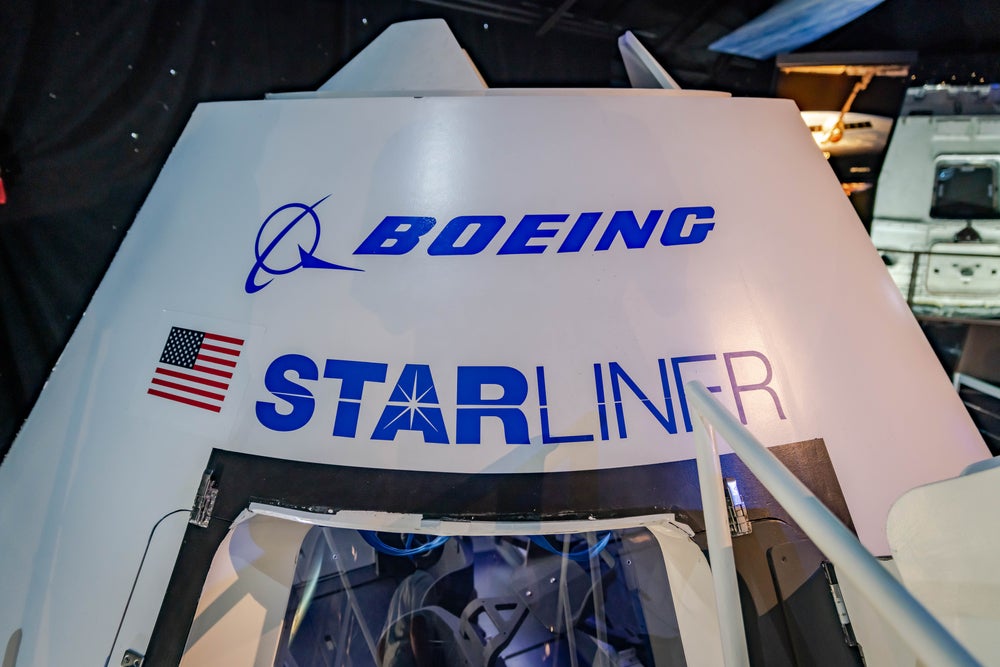
- Corporate Sponsorship: Major companies like Boeing, Lockheed Martin, and Oracle are sponsoring Freedom 250, and while no direct evidence links these sponsorships to government dealings, watchdogs warn this could create new avenues for corporate influence in Washington.
- Opaque Funding Structure: Freedom 250's fundraising materials indicate that donors contributing over $500,000 gain VIP access to Trump, raising ethical concerns about the transparency of funding and potential impacts on government decision-making.
- Celebration Participation: Despite Congress allocating $150 million for the 250th anniversary, Freedom 250 has secured nearly $80 million in related grants, while America250 has only received $25 million, indicating a preference among companies for Trump's version of the celebration.
- Event Issues: The Great American State Fair, a centerpiece of Freedom 250, has faced reduced state participation, sparse crowds, and technical failures, with some artists withdrawing due to concerns over the partisan nature of the event, highlighting organizational challenges.
Analysis of the Importance of Market Capitalization
- Concept of Market Capitalization: Market capitalization is a crucial data point for investors as it accurately reflects the stock market's valuation of a company's stock, helping to prevent novice investors from misjudging a company's worth based solely on stock price.
- Comparison of Sysco and Prudential: Sysco Corp (Ticker: SYY) has a market cap of $40.28 billion, compared to Prudential Financial Inc (Ticker: PRU) at $39.66 billion, highlighting Sysco's relative size advantage within the S&P 500.
- Impact on Investor Decisions: Market capitalization determines a company's size tier among peers, which directly influences which mutual funds and ETFs are willing to hold the stock, particularly as large-cap funds typically focus on companies valued at over $10 billion.
- Market Performance Dynamics: At Tuesday's closing bell, SYY was up about 0.4% while PRU rose approximately 1%, reflecting differing investor sentiment and performance between the two companies.
MetLife and Prudential Benefit from Rising Interest Rates
- Improved Rate Environment: With rising interest rates, MetLife and Prudential find it easier to meet future payment commitments, especially after facing profitability challenges when rates were near historical lows.
- Investment Income Growth: In Q1 2026, MetLife reported investment income of $4.8 billion, while Prudential followed closely with $4.5 billion, indicating that insurance companies can achieve higher returns on their bond investments in the current rate environment.
- Optimistic Market Expectations: Approximately 85% of MetLife and Prudential's investment portfolios are allocated to fixed-income securities and mortgages, and as rates rise, these companies are positioned to realize greater profits on future policies.
- Attractive Stock Valuation: While Prudential appears more attractive with price-to-earnings and price-to-book ratios below their five-year averages, MetLife's 18% adjusted earnings growth in Q1 2026 significantly outpaces Prudential's 10%, potentially drawing more growth-oriented investors.
Rising Fed Rates Favor MetLife and Prudential
- Improved Rate Environment: The Federal Reserve's new chairman Kevin Warsh's first meeting resulted in no rate change, with market expectations leaning towards future hikes, creating a favorable operating environment for MetLife and Prudential, making it easier to meet future payment commitments and enhancing profitability.
- Investment Income Growth: MetLife reported $4.8 billion in investment income for Q1 2026, while Prudential followed closely with $4.5 billion, indicating that both companies are benefiting significantly from their bond-heavy investment portfolios in the current rate environment, thereby strengthening their financial stability.
- Bond Investment Strategy: With approximately 85% of their portfolios in fixed maturity securities and mortgages, both MetLife and Prudential are positioned to weather potential declines in bond prices due to rising rates, as they typically hold bonds to maturity, mitigating the impact of market fluctuations.
- Optimistic Future Outlook: With stable interest rates, the performance outlook for MetLife and Prudential appears strong, particularly as Prudential's price-to-earnings and price-to-book ratios are below their five-year averages, indicating investment value, while MetLife's 18% adjusted earnings growth attracts growth-oriented investors.
Higher Rate Environment Benefits MetLife and Prudential
- Rate Increase Benefits: MetLife and Prudential are positioned to fulfill future payment obligations more easily in a rising interest rate environment, which enhances profitability compared to when rates were near historical lows, thus improving their financial outlook.
- Portfolio Strength: With nearly 85% of MetLife's investment portfolio in fixed maturity securities and mortgages, the company reported $4.8 billion in investment income for Q1 2026, while Prudential closely followed with $4.5 billion, indicating a significant boost in earnings potential under current rates.
- Optimistic Future Outlook: As the Federal Reserve is expected to raise rates further, both companies stand to benefit, and although bond prices may decline with rising rates, their strategy of holding bonds to maturity mitigates market volatility risks.
- Enhanced Market Competitiveness: Prudential's price-to-earnings and price-to-book ratios are below their five-year averages, making it an attractive investment, while MetLife's 18% adjusted earnings growth in Q1 2026 surpasses Prudential's 10%, drawing interest from growth-oriented investors.
Corporate Sponsorship Behind Trump's Freedom 250 Celebrations
- Corporate Sponsorship Phenomenon: A CNBC analysis reveals that 14 companies, including Boeing, Deloitte, and United Airlines, are backing both America250 and Freedom 250, indicating a complex intersection of corporate interests and politics that may influence their dealings with the government.
- Funding Transparency Issues: The sponsorship structure of Freedom 250 has been criticized for its opacity, allowing donors to gain access to Trump through contributions as high as $10 million, raising concerns about corporations seeking political influence.
- Celebration Participation Status: Despite Congress allocating $150 million for the 250th anniversary, America250 has only received $25 million, while Freedom 250 has secured nearly $80 million in funding, highlighting the financial advantage of Trump-aligned events.
- Event Organization Challenges: The Great American State Fair has faced poor participation, with at least eight states declining to join due to exhibit costs and partisan concerns, resulting in sparse crowds and equipment failures during the event.
Corporate Sponsorship of Freedom 250 Raises Concerns
- Corporate Sponsorship: Major companies like Boeing, Lockheed Martin, and Oracle are sponsoring Freedom 250, and while no direct evidence links these sponsorships to government dealings, watchdogs warn this could create new avenues for corporate influence in Washington.
- Opaque Funding Structure: Freedom 250's fundraising materials indicate that donors contributing over $500,000 gain VIP access to Trump, raising ethical concerns about the transparency of funding and potential impacts on government decision-making.
- Celebration Participation: Despite Congress allocating $150 million for the 250th anniversary, Freedom 250 has secured nearly $80 million in related grants, while America250 has only received $25 million, indicating a preference among companies for Trump's version of the celebration.
- Event Issues: The Great American State Fair, a centerpiece of Freedom 250, has faced reduced state participation, sparse crowds, and technical failures, with some artists withdrawing due to concerns over the partisan nature of the event, highlighting organizational challenges.