

Closure of Strait of Hormuz Disrupts Global Energy Markets
Written by Emily J. Thompson, Senior Investment Analyst
Updated: Mar 25 2026
0mins


Source: NASDAQ.COM
- Oil Price Surge: The International Energy Agency reports that 25% of the world's seaborne oil flows through the Strait of Hormuz, and its closure has led to a sharp increase in oil prices, destabilizing global energy markets, particularly affecting import-dependent nations.
- LNG Trade Disruption: Approximately 20% of global LNG trade passes through the Strait, and Iran's threats to energy infrastructure create uncertainty in LNG supply, potentially driving up global prices, especially pressuring the European market.
- Refining Sector Gains: Due to crude oil supply shortages, the refining crack spread has skyrocketed from $20 at the beginning of the year to $58, significantly boosting stocks of refining companies like PBF Energy and Valero Energy, indicating strong profit potential in the current market environment.
- Fertilizer Price Increases: The blockade of the Strait has left many fertilizer-laden ships stranded, causing fertilizer prices to soar, which poses a significant challenge for Asian and African countries reliant on Gulf fertilizers, prompting investors to focus on U.S. producers like CF Industries.
Trade with 70% Backtested Accuracy
Stop guessing "Should I Buy DVN?" and start using high-conviction signals backed by rigorous historical data.
Sign up today to access powerful investing tools and make smarter, data-driven decisions.
Analyst Views on DVN
Wall Street analysts forecast DVN stock price to rise
20 Analyst Rating
18 Buy
2 Hold
0 Sell
Strong Buy
Current: 40.360

Low
41.00
Averages
45.53
High
55.00
Current: 40.360
Low
41.00
Averages
45.53
High
55.00
About DVN
Devon Energy Corporation is an oil and gas producer in the United States with a diversified multi-basin portfolio headlined by an acreage position in the Delaware Basin. The Company is primarily engaged in the exploration, development and production of oil, natural gas and natural gas liquids (NGLs). It owns a portfolio of assets located in the Delaware Basin, Rockies, Eagle Ford and Anadarko Basin. The Delaware Basin operates in southeast New Mexico and across the state line into west Texas. It offers exploration and development opportunities from many geologic reservoirs and play types, including the oil-rich Wolfcamp, Bone Spring, Avalon and Delaware formations. Its Rockies development consists of its Williston Basin and Powder River Basin assets. The Eagle Ford operations are located in Texas' DeWitt and Karnes counties. The Anadarko Basin development is located in western Oklahoma. It has a joint venture with Dow to develop a portion of its Anadarko Basin acreage.
About the author

Emily J. Thompson
Emily J. Thompson, a Chartered Financial Analyst (CFA) with 12 years in investment research, graduated with honors from the Wharton School. Specializing in industrial and technology stocks, she provides in-depth analysis for Intellectia’s earnings and market brief reports.

US Stocks Close Lower as Chipmakers Weigh on Market


- Market Decline: On Tuesday, the S&P 500 index fell by 0.45%, the Dow Jones Industrial Average dropped by 0.25%, and the Nasdaq 100 index decreased by 1.77%, indicating a broader market decline under pressure from a selloff in chipmakers, reflecting investor concerns over high valuations.
- Samsung's Earnings Disappointment: Despite Samsung Electronics reporting a 19-fold profit surge, its stock plummeted over 8% in South Korea, suggesting market skepticism regarding the future profitability of the semiconductor sector, which could impact investor confidence in related companies.
- Geopolitical Risks Heightened: Crude oil prices surged to a 1.5-week high due to attacks on shipping in the Strait of Hormuz, raising inflation expectations and pushing bond yields higher, with the 10-year T-note yield reaching a 3.5-week high of 4.54%, adding uncertainty to the market.
- Strength in Software Stocks: Despite the overall market pressure, strong performance in software stocks indicates a rotation of funds into other sectors, with companies like Workday seeing stock price increases of over 4%, providing some support for the market.
See More

Analysis of Oil Price Volatility Post Middle East Conflict


- Oil Price Impact: The geopolitical conflict in the Middle East caused a sharp rise in oil prices, which subsequently fell back to pre-conflict levels, highlighting the high volatility of the oil market, necessitating cautious investor strategies to protect assets.
- Sustained Energy Demand: Despite the global shift towards cleaner energy, oil and gas remain crucial for the economy, with future demand expected to remain high, particularly as digitalization and economic development accelerate.
- Financial Stability: ExxonMobil and Chevron have debt-to-equity ratios of 0.19 and 0.25, respectively, indicating strong financial health that allows them to leverage debt to support operations during market downturns, enhancing investor confidence.
- Dividend Growth Potential: Despite oil price fluctuations, both ExxonMobil and Chevron have increased dividends for decades, with Chevron offering a 4.1% yield and ExxonMobil at 3%, appealing to income-focused investors.
See More
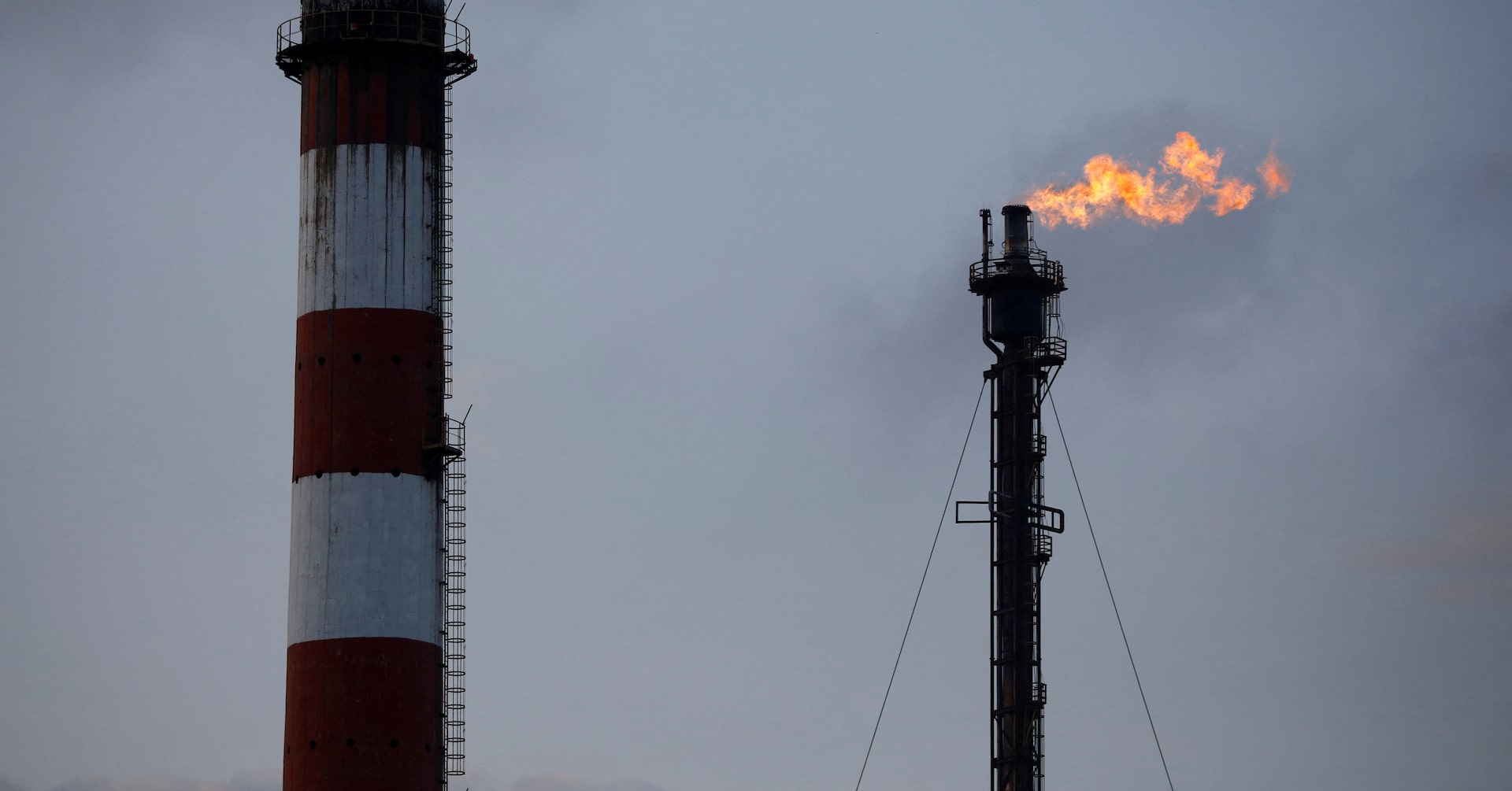
Oil Prices Fall Post-Middle East Conflict, Energy Stocks Remain Attractive
- Oil Price Volatility: The geopolitical conflict in the Middle East caused a sharp rise in oil prices, but as tensions eased, prices have returned to pre-conflict levels, indicating concerns about industry fundamentals and potential for future increases.
- Sustained Energy Demand: Despite a global shift towards cleaner energy, the conflict has reaffirmed the critical role of oil and natural gas in the world economy, with expectations for demand to remain steady or slightly higher in the future.
- Diversification Advantages: ExxonMobil and Chevron, as two of the world's largest energy companies, benefit from integrated operations across production, transportation, and processing, allowing them to maintain stability amid price fluctuations, supported by low debt ratios.
- Dividend Appeal: Both companies have increased dividends for decades despite oil volatility, with Chevron offering a 4.1% yield, making them attractive to income-focused investors and demonstrating resilience in uncertain markets.
See More

Devon Energy Successfully Completes Debt Exchange Offers

- Debt Restructuring Success: Devon Energy announced the final results of its debt exchange offers for Coterra Energy's notes, with participation rates ranging from 65% to nearly 98%, indicating strong investor interest and effectively optimizing the company's capital structure.
- New Debt Issuance: The new Devon notes will be issued as general unsecured obligations, ranking equally with existing unsecured and unsubordinated debt, enhancing financial flexibility and providing a stronger foundation for future capital operations.
- Participation Eligibility Restrictions: The debt exchange was limited to eligible institutional buyers in the US and non-US persons, with specific requirements for Canadian holders, ensuring compliance and effectiveness of the transaction.
- Capital Structure Optimization: By successfully completing the debt exchange, Devon Energy has effectively refinanced a significant portion of Coterra's existing debt, further streamlining its capital structure and laying the groundwork for future growth.
See More
Devon Energy Sells $52.7 Million WaterBridge Shares

- Transaction Overview: Devon Energy indirectly sold 1,755,174 Class A shares of WaterBridge Infrastructure for approximately $52.7 million, based on a weighted average purchase price of $30.05 per share as disclosed in SEC Form 4, demonstrating the company's agility in capital management and market responsiveness.
- Ownership Structure Analysis: The shares sold were entirely held indirectly through Devon Holdco, which continues to own 16 million Class B shares and an equivalent number of convertible units, ensuring that the company's economic interest in WaterBridge remains intact, reflecting confidence in future growth prospects.
- Operational Outlook: WaterBridge recently raised its full-year guidance for produced water handling volumes to 2.525 million to 2.725 million barrels per day and increased its Adjusted EBITDA outlook to $425 million to $465 million, indicating strong operational momentum amid robust customer demand and a supportive exploration backdrop.
- Strategic Development Plans: WaterBridge plans to join several Alerian energy indexes and is evaluating a conversion from an LLC to a Texas corporation to broaden its investor base and improve liquidity, showcasing the company's adaptability and forward-thinking in a changing market environment.
See More

U.S. Stocks Close Mixed as Chipmakers Weigh on Market

- Mixed Market Performance: The S&P 500 index fell by 0.10% and the Nasdaq 100 index dropped by 0.43%, while the Dow Jones Industrial Average rose by 0.35%, indicating a divergence in market sentiment, particularly under pressure from chipmakers.
- Chip Sector Pressure: Ahead of Micron Technology's earnings report, chipmakers saw declines, reflecting market concerns over AI infrastructure demand, despite Micron's stock rising over 260% this year, highlighting the volatility in tech stocks.
- Oil Price Impact: WTI crude oil prices sank to a 3.5-month low, leading to a drop in bond yields, with the 10-year Treasury yield falling to 4.40%, benefiting sectors like homebuilders and airlines by enhancing profit outlooks amid lower fuel costs.
- Decline in New Home Sales: U.S. May new home sales unexpectedly fell by 7.3% to 580,000 units, below the expected 640,000, indicating weakness in the housing market that could affect future economic growth expectations.
See More
US Stocks Close Lower as Chipmakers Weigh on Market
- Market Decline: On Tuesday, the S&P 500 index fell by 0.45%, the Dow Jones Industrial Average dropped by 0.25%, and the Nasdaq 100 index decreased by 1.77%, indicating a broader market decline under pressure from a selloff in chipmakers, reflecting investor concerns over high valuations.
- Samsung's Earnings Disappointment: Despite Samsung Electronics reporting a 19-fold profit surge, its stock plummeted over 8% in South Korea, suggesting market skepticism regarding the future profitability of the semiconductor sector, which could impact investor confidence in related companies.
- Geopolitical Risks Heightened: Crude oil prices surged to a 1.5-week high due to attacks on shipping in the Strait of Hormuz, raising inflation expectations and pushing bond yields higher, with the 10-year T-note yield reaching a 3.5-week high of 4.54%, adding uncertainty to the market.
- Strength in Software Stocks: Despite the overall market pressure, strong performance in software stocks indicates a rotation of funds into other sectors, with companies like Workday seeing stock price increases of over 4%, providing some support for the market.
See More
Analysis of Oil Price Volatility Post Middle East Conflict
- Oil Price Impact: The geopolitical conflict in the Middle East caused a sharp rise in oil prices, which subsequently fell back to pre-conflict levels, highlighting the high volatility of the oil market, necessitating cautious investor strategies to protect assets.
- Sustained Energy Demand: Despite the global shift towards cleaner energy, oil and gas remain crucial for the economy, with future demand expected to remain high, particularly as digitalization and economic development accelerate.
- Financial Stability: ExxonMobil and Chevron have debt-to-equity ratios of 0.19 and 0.25, respectively, indicating strong financial health that allows them to leverage debt to support operations during market downturns, enhancing investor confidence.
- Dividend Growth Potential: Despite oil price fluctuations, both ExxonMobil and Chevron have increased dividends for decades, with Chevron offering a 4.1% yield and ExxonMobil at 3%, appealing to income-focused investors.
See More
Oil Prices Fall Post-Middle East Conflict, Energy Stocks Remain Attractive
- Oil Price Volatility: The geopolitical conflict in the Middle East caused a sharp rise in oil prices, but as tensions eased, prices have returned to pre-conflict levels, indicating concerns about industry fundamentals and potential for future increases.
- Sustained Energy Demand: Despite a global shift towards cleaner energy, the conflict has reaffirmed the critical role of oil and natural gas in the world economy, with expectations for demand to remain steady or slightly higher in the future.
- Diversification Advantages: ExxonMobil and Chevron, as two of the world's largest energy companies, benefit from integrated operations across production, transportation, and processing, allowing them to maintain stability amid price fluctuations, supported by low debt ratios.
- Dividend Appeal: Both companies have increased dividends for decades despite oil volatility, with Chevron offering a 4.1% yield, making them attractive to income-focused investors and demonstrating resilience in uncertain markets.
See More
Devon Energy Successfully Completes Debt Exchange Offers
- Debt Restructuring Success: Devon Energy announced the final results of its debt exchange offers for Coterra Energy's notes, with participation rates ranging from 65% to nearly 98%, indicating strong investor interest and effectively optimizing the company's capital structure.
- New Debt Issuance: The new Devon notes will be issued as general unsecured obligations, ranking equally with existing unsecured and unsubordinated debt, enhancing financial flexibility and providing a stronger foundation for future capital operations.
- Participation Eligibility Restrictions: The debt exchange was limited to eligible institutional buyers in the US and non-US persons, with specific requirements for Canadian holders, ensuring compliance and effectiveness of the transaction.
- Capital Structure Optimization: By successfully completing the debt exchange, Devon Energy has effectively refinanced a significant portion of Coterra's existing debt, further streamlining its capital structure and laying the groundwork for future growth.
See More
Devon Energy Sells $52.7 Million WaterBridge Shares
- Transaction Overview: Devon Energy indirectly sold 1,755,174 Class A shares of WaterBridge Infrastructure for approximately $52.7 million, based on a weighted average purchase price of $30.05 per share as disclosed in SEC Form 4, demonstrating the company's agility in capital management and market responsiveness.
- Ownership Structure Analysis: The shares sold were entirely held indirectly through Devon Holdco, which continues to own 16 million Class B shares and an equivalent number of convertible units, ensuring that the company's economic interest in WaterBridge remains intact, reflecting confidence in future growth prospects.
- Operational Outlook: WaterBridge recently raised its full-year guidance for produced water handling volumes to 2.525 million to 2.725 million barrels per day and increased its Adjusted EBITDA outlook to $425 million to $465 million, indicating strong operational momentum amid robust customer demand and a supportive exploration backdrop.
- Strategic Development Plans: WaterBridge plans to join several Alerian energy indexes and is evaluating a conversion from an LLC to a Texas corporation to broaden its investor base and improve liquidity, showcasing the company's adaptability and forward-thinking in a changing market environment.
See More
U.S. Stocks Close Mixed as Chipmakers Weigh on Market
- Mixed Market Performance: The S&P 500 index fell by 0.10% and the Nasdaq 100 index dropped by 0.43%, while the Dow Jones Industrial Average rose by 0.35%, indicating a divergence in market sentiment, particularly under pressure from chipmakers.
- Chip Sector Pressure: Ahead of Micron Technology's earnings report, chipmakers saw declines, reflecting market concerns over AI infrastructure demand, despite Micron's stock rising over 260% this year, highlighting the volatility in tech stocks.
- Oil Price Impact: WTI crude oil prices sank to a 3.5-month low, leading to a drop in bond yields, with the 10-year Treasury yield falling to 4.40%, benefiting sectors like homebuilders and airlines by enhancing profit outlooks amid lower fuel costs.
- Decline in New Home Sales: U.S. May new home sales unexpectedly fell by 7.3% to 580,000 units, below the expected 640,000, indicating weakness in the housing market that could affect future economic growth expectations.
See More





