Ford Reports 10.3% Decline in Q2 Vehicle Sales Amid Supply Issues
Written by Emily J. Thompson, Senior Investment Analyst
Updated: 6 days ago
0mins


Source: CNBC
- Sales Decline: Ford reported a 10.3% year-over-year decline in U.S. new vehicle sales for Q2, totaling 549,200 units, primarily impacted by significant drops in F-Series pickups and a 40.7% fall in pure EV sales.
- F-Series Performance: While F-Series truck sales fell by 11%, Ford maintained its position as America's top-selling truck, with expectations for supply recovery in the second half of the year alleviating production delays caused by aluminum shortages.
- Market Share Changes: Ford's U.S. retail market share increased by 0.2 percentage points to 12.3% by the end of Q2, indicating enhanced competitiveness despite overall sales declines in the automotive sector.
- Industry Comparison: Ford's results slightly exceeded Cox Automotive's forecast of an 11.5% decline, reflecting a relatively stable performance amid broader market challenges faced by other automakers.
Trade with 70% Backtested Accuracy
Stop guessing "Should I Buy F?" and start using high-conviction signals backed by rigorous historical data.
Sign up today to access powerful investing tools and make smarter, data-driven decisions.
Analyst Views on F
Wall Street analysts forecast F stock price to rise
14 Analyst Rating
3 Buy
10 Hold
1 Sell
Hold
Current: 13.560

Low
11.00
Averages
13.65
High
16.00
Current: 13.560
Low
11.00
Averages
13.65
High
16.00
About F
Ford Motor Company develops and delivers Ford trucks, sport utility vehicles, commercial vans and cars, and Lincoln luxury vehicles, along with connected services, including BlueCruise (ADAS) and security. The Company's segments include Ford Blue, Ford Model e, Ford Pro, and Ford Credit. The Ford Blue segment primarily includes the sale of Ford and Lincoln internal combustion engine (ICE) and hybrid vehicles, service parts, accessories, and digital services for retail customers. The Ford Model e segment primarily includes the sale of its electric vehicles, service parts, accessories, and digital services for retail customers. The Ford Pro segment primarily includes the sale of Ford and Lincoln vehicles, service parts, accessories, and services for commercial, government, and rental customers. The Ford Credit segment consists of the Ford Credit business on a consolidated basis, which is primarily vehicle-related financing and leasing activities. Its vehicle brands are Ford and Lincoln.
About the author

Emily J. Thompson
Emily J. Thompson, a Chartered Financial Analyst (CFA) with 12 years in investment research, graduated with honors from the Wharton School. Specializing in industrial and technology stocks, she provides in-depth analysis for Intellectia’s earnings and market brief reports.

Ford's Weak Vehicle Sales Impact New Energy Business

- Sales Decline: Ford reported a 13.6% drop in total vehicle sales for May, with electric vehicle sales plummeting, including a 44% drop in Mustang Mach-E and a 45% decline in F-150 Lightning, indicating significant challenges in a competitive market that could impact future profitability.
- Recall Incident: Ford announced a recall of over 740,000 vehicles from 2018 to 2021 due to a transmission defect posing a rollaway risk, which could lead to increased costs for the company and further undermine investor confidence.
- Energy Business Potential: Ford is repurposing its Kentucky battery manufacturing plant into grid-scale battery storage and has signed a multi-year agreement with EDF to provide 4 GWh of battery energy storage systems annually starting in 2028, which could drive future growth for the company.
- Aluminum Supply Recovery: Novelis has restarted production at its Oswego, New York facility, which will help alleviate production bottlenecks for Ford's F-series trucks, potentially improving sales and earnings in the coming months despite the time needed for full recovery.
See More

Surge in Demand for Used Electric Vehicles Amid High Gas Prices

- Used EV Price Surge: Cox Automotive reported a 12% increase in used electric vehicle prices in June compared to June 2025, while non-EVs only rose by 1.7%, indicating strong demand for EVs amid high gas prices.
- Market Share Growth: In May, used EV sales reached 42,923 units, up 5.5% month-over-month and 24.7% year-over-year, maintaining a market share of 2.8%, reflecting increasing consumer acceptance of electric vehicles.
- Price Comparison: According to Manheim, the average price of used EVs has risen to approximately $30,400, compared to $19,125 for non-EVs, highlighting the enhanced value and competitiveness of electric vehicles in the market.
- Future Supply Risks: With a growing number of EVs expected to come off lease, Cox Automotive warns that if gas prices continue to fall, it could dampen EV demand and lead to price fluctuations in the market.
See More
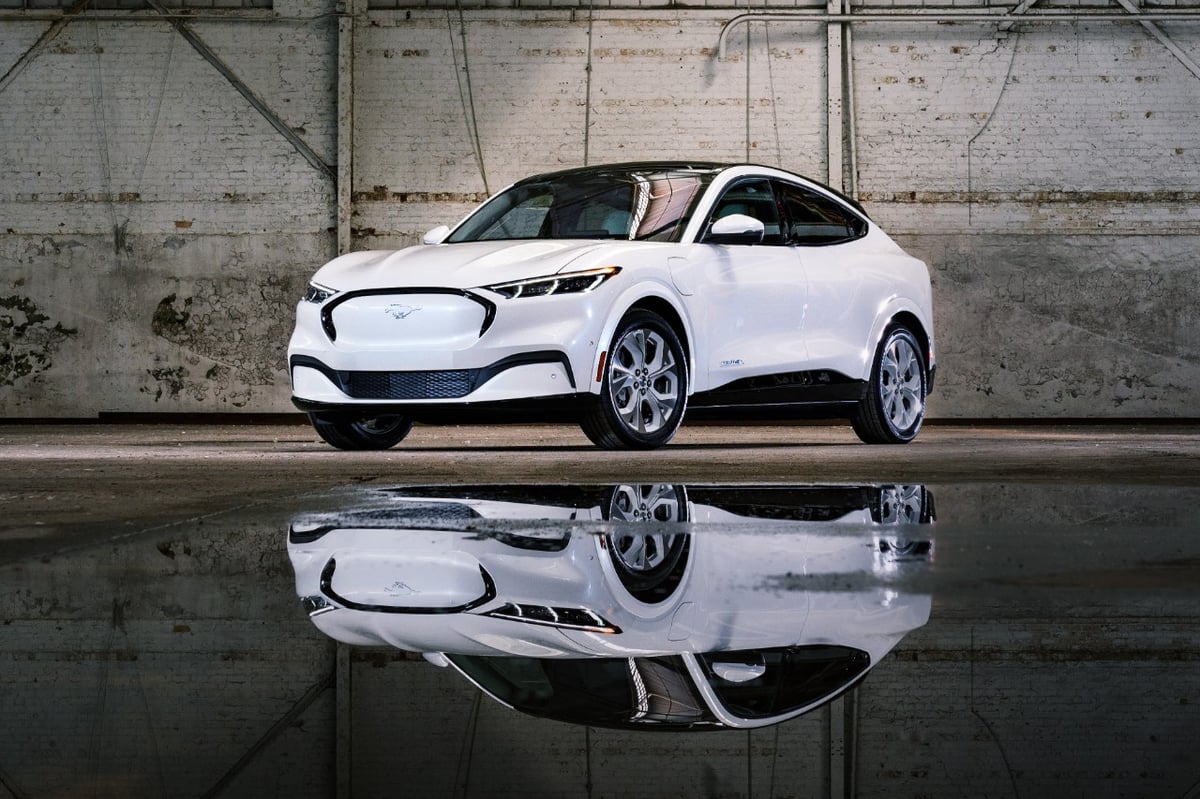
Ford's Strategic Shift to Hybrid Vehicles

- Market Share Shift: By 2030, gasoline vehicles are expected to drop from 73% to 50% of the U.S. market, while hybrid vehicles will rise by 16 percentage points to 34%, indicating strong consumer demand for hybrids, allowing Ford to adapt more swiftly to market changes.
- Profitability Improvement: Ford's hybrid models are significantly more profitable than its full EVs, with the F-150 hybrid reportedly achieving higher margins than its gasoline counterpart, and many hybrid models are expected to be profitable by mid-2024, showcasing competitive advantages in the market.
- Strategic Adjustment: Ford plans to offer hybrid options across nearly its entire lineup by 2030, aiming to drive about half of its global sales through hybrids, a strategy that not only meets consumer demand but also strengthens the company's market position.
- Industry Impact: As hybrid demand surges, Ford's ability to quickly adjust its strategy positions it favorably in the competitive landscape, particularly against emerging EV manufacturers like Rivian and Lucid, despite the ongoing development of the electric vehicle market.
See More

Ford's Hybrid Profitability Surges Amid EV Strategy Shift
- Hybrid Market Growth: By 2030, hybrids are projected to capture 34% of the U.S. market, while gasoline vehicles will drop to 50%, indicating strong consumer demand for hybrids, allowing Ford to quickly adapt to market changes.
- Profitability Surge: Ford's F-150 hybrid margins have surpassed those of the gasoline version, with the F-Series, which accounts for about one-third of global revenue, generating an estimated 90% of net profit, significantly improving the company's financial health.
- Rapid Strategic Adjustment: Ford plans to offer hybrid options across nearly its entire vehicle lineup by the end of 2030, demonstrating the company's ability to flexibly adjust its strategy to meet market demands while enhancing its competitive position amid evolving consumer preferences.
- Industry Cost Lessons: The automotive industry's substantial losses, amounting to tens of billions due to early over-optimism about EVs, highlight Ford's successful transition as a confidence booster for investors, indicating that hybrids will remain a significant player in the market moving forward.
See More

Ford's Energy Business Faces Challenges Amid Sales Decline
- Decline in EV Sales: Ford reported a 13.6% drop in total vehicle sales for May, with Mustang Mach-E sales plummeting 44% and F-150 Lightning sales down 45%, indicating significant challenges in the electric vehicle market that could impact future profitability.
- Recall Impact: The company announced a recall of over 740,000 vehicles from 2018 to 2021 due to a transmission defect posing a rollaway risk, which may erode investor confidence and highlight the multi-billion-dollar warranty costs Ford faces.
- Aluminum Supply Recovery: Novelis, a key aluminum supplier for Ford, has restarted production at its Oswego, New York facility after months of shutdown due to major fires, which is expected to alleviate supply bottlenecks for Ford's F-series trucks and help recover some lost volumes.
- Future Outlook: While Ford's energy business has the potential to become a growth engine, declining vehicle sales and profits could hinder stock performance, making the upcoming second-quarter earnings report on July 28 crucial for determining the stock's trajectory.
See More

IAA MOBILITY 2027 Registration Opens with Record International Demand

- Surge in Registration Demand: Registration for IAA MOBILITY 2027 has officially opened, with record-breaking interest from the international mobility sector as over 100 companies pre-registered, indicating strong enthusiasm for the event and suggesting future success.
- Strong Space Reservation: With over a year to go before the event, 53% of the total space used at IAA 2025 has already been reserved, reflecting the event's growing appeal and market recognition, further solidifying IAA's position as a leading global mobility platform.
- Increased Exhibitor Satisfaction: The exhibitor satisfaction rate for IAA MOBILITY 2025 reached 96%, with 83% of surveyed exhibitors indicating they would recommend participation to others, showcasing the event's success and the effectiveness of the organizers' strategy, enhancing future event attractiveness.
- International Event Continuity: IAA MOBILITY is set to remain in Munich until at least 2031, with the successful partnership between the German Association of the Automotive Industry and Messe München extended, ensuring long-term stability and international influence of the event.
See More
Ford's Weak Vehicle Sales Impact New Energy Business
- Sales Decline: Ford reported a 13.6% drop in total vehicle sales for May, with electric vehicle sales plummeting, including a 44% drop in Mustang Mach-E and a 45% decline in F-150 Lightning, indicating significant challenges in a competitive market that could impact future profitability.
- Recall Incident: Ford announced a recall of over 740,000 vehicles from 2018 to 2021 due to a transmission defect posing a rollaway risk, which could lead to increased costs for the company and further undermine investor confidence.
- Energy Business Potential: Ford is repurposing its Kentucky battery manufacturing plant into grid-scale battery storage and has signed a multi-year agreement with EDF to provide 4 GWh of battery energy storage systems annually starting in 2028, which could drive future growth for the company.
- Aluminum Supply Recovery: Novelis has restarted production at its Oswego, New York facility, which will help alleviate production bottlenecks for Ford's F-series trucks, potentially improving sales and earnings in the coming months despite the time needed for full recovery.
See More
Surge in Demand for Used Electric Vehicles Amid High Gas Prices
- Used EV Price Surge: Cox Automotive reported a 12% increase in used electric vehicle prices in June compared to June 2025, while non-EVs only rose by 1.7%, indicating strong demand for EVs amid high gas prices.
- Market Share Growth: In May, used EV sales reached 42,923 units, up 5.5% month-over-month and 24.7% year-over-year, maintaining a market share of 2.8%, reflecting increasing consumer acceptance of electric vehicles.
- Price Comparison: According to Manheim, the average price of used EVs has risen to approximately $30,400, compared to $19,125 for non-EVs, highlighting the enhanced value and competitiveness of electric vehicles in the market.
- Future Supply Risks: With a growing number of EVs expected to come off lease, Cox Automotive warns that if gas prices continue to fall, it could dampen EV demand and lead to price fluctuations in the market.
See More
Ford's Strategic Shift to Hybrid Vehicles
- Market Share Shift: By 2030, gasoline vehicles are expected to drop from 73% to 50% of the U.S. market, while hybrid vehicles will rise by 16 percentage points to 34%, indicating strong consumer demand for hybrids, allowing Ford to adapt more swiftly to market changes.
- Profitability Improvement: Ford's hybrid models are significantly more profitable than its full EVs, with the F-150 hybrid reportedly achieving higher margins than its gasoline counterpart, and many hybrid models are expected to be profitable by mid-2024, showcasing competitive advantages in the market.
- Strategic Adjustment: Ford plans to offer hybrid options across nearly its entire lineup by 2030, aiming to drive about half of its global sales through hybrids, a strategy that not only meets consumer demand but also strengthens the company's market position.
- Industry Impact: As hybrid demand surges, Ford's ability to quickly adjust its strategy positions it favorably in the competitive landscape, particularly against emerging EV manufacturers like Rivian and Lucid, despite the ongoing development of the electric vehicle market.
See More
Ford's Hybrid Profitability Surges Amid EV Strategy Shift
- Hybrid Market Growth: By 2030, hybrids are projected to capture 34% of the U.S. market, while gasoline vehicles will drop to 50%, indicating strong consumer demand for hybrids, allowing Ford to quickly adapt to market changes.
- Profitability Surge: Ford's F-150 hybrid margins have surpassed those of the gasoline version, with the F-Series, which accounts for about one-third of global revenue, generating an estimated 90% of net profit, significantly improving the company's financial health.
- Rapid Strategic Adjustment: Ford plans to offer hybrid options across nearly its entire vehicle lineup by the end of 2030, demonstrating the company's ability to flexibly adjust its strategy to meet market demands while enhancing its competitive position amid evolving consumer preferences.
- Industry Cost Lessons: The automotive industry's substantial losses, amounting to tens of billions due to early over-optimism about EVs, highlight Ford's successful transition as a confidence booster for investors, indicating that hybrids will remain a significant player in the market moving forward.
See More
Ford's Energy Business Faces Challenges Amid Sales Decline
- Decline in EV Sales: Ford reported a 13.6% drop in total vehicle sales for May, with Mustang Mach-E sales plummeting 44% and F-150 Lightning sales down 45%, indicating significant challenges in the electric vehicle market that could impact future profitability.
- Recall Impact: The company announced a recall of over 740,000 vehicles from 2018 to 2021 due to a transmission defect posing a rollaway risk, which may erode investor confidence and highlight the multi-billion-dollar warranty costs Ford faces.
- Aluminum Supply Recovery: Novelis, a key aluminum supplier for Ford, has restarted production at its Oswego, New York facility after months of shutdown due to major fires, which is expected to alleviate supply bottlenecks for Ford's F-series trucks and help recover some lost volumes.
- Future Outlook: While Ford's energy business has the potential to become a growth engine, declining vehicle sales and profits could hinder stock performance, making the upcoming second-quarter earnings report on July 28 crucial for determining the stock's trajectory.
See More
IAA MOBILITY 2027 Registration Opens with Record International Demand
- Surge in Registration Demand: Registration for IAA MOBILITY 2027 has officially opened, with record-breaking interest from the international mobility sector as over 100 companies pre-registered, indicating strong enthusiasm for the event and suggesting future success.
- Strong Space Reservation: With over a year to go before the event, 53% of the total space used at IAA 2025 has already been reserved, reflecting the event's growing appeal and market recognition, further solidifying IAA's position as a leading global mobility platform.
- Increased Exhibitor Satisfaction: The exhibitor satisfaction rate for IAA MOBILITY 2025 reached 96%, with 83% of surveyed exhibitors indicating they would recommend participation to others, showcasing the event's success and the effectiveness of the organizers' strategy, enhancing future event attractiveness.
- International Event Continuity: IAA MOBILITY is set to remain in Munich until at least 2031, with the successful partnership between the German Association of the Automotive Industry and Messe München extended, ensuring long-term stability and international influence of the event.
See More