

Investment Comparison: Snowflake vs MongoDB
Written by Emily J. Thompson, Senior Investment Analyst
Updated: Jun 04 2026
0mins

Source: NASDAQ.COM
- Revenue Growth Comparison: Snowflake achieved nearly $4.7 billion in revenue for FY 2026, reflecting a 29.2% increase despite a net loss of $1.3 billion, indicating heavy investment in market expansion; in contrast, MongoDB generated $2.5 billion, a 22.8% growth with a significantly reduced net loss of $71.2 million, showing progress towards breakeven.
- Financial Health Status: Snowflake's debt-to-equity ratio stands at 1.4 with a current ratio of 1.3, demonstrating its ability to cover short-term liabilities; conversely, MongoDB has almost no debt with a 0.0 debt-to-equity ratio and a high current ratio of 4.7, indicating excellent liquidity to manage short-term financial pressures.
- Market Competition Pressure: Snowflake faces intense competition from cloud giants like Amazon and Microsoft, with its reliance on Amazon's infrastructure potentially impacting operations; similarly, MongoDB contends with pressure from legacy database providers like IBM and Oracle, and the adoption of its Atlas product is critical, as any failure could significantly impact revenue.
- Investment Value Assessment: While Snowflake excels in its AI Data Cloud platform, its high valuation may deter investors; MongoDB, with a more reasonable valuation and strong growth potential, particularly in the context of ongoing investments in AI infrastructure, presents an optimistic outlook for future investors.
Trade with 70% Backtested Accuracy
Stop guessing "Should I Buy SNOW?" and start using high-conviction signals backed by rigorous historical data.
Sign up today to access powerful investing tools and make smarter, data-driven decisions.
Analyst Views on SNOW
Wall Street analysts forecast SNOW stock price to rise
33 Analyst Rating
30 Buy
3 Hold
0 Sell
Strong Buy
Current: 262.740

Low
237.00
Averages
278.19
High
312.00
Current: 262.740
Low
237.00
Averages
278.19
High
312.00
About SNOW
Snowflake Inc. is an artificial intelligence (AI) data cloud company. The Company provides a platform which powers the AI data cloud, enabling customers to consolidate data into a single source of truth to drive insights, apply AI to solve business problems, build data applications, and share data and data products. Its cloud-native architecture includes three independently scalable but logically integrated layers across storage, compute, and cloud services. The storage layer ingests massive amounts and varieties of structured, semi-structured, and unstructured data. The compute layer provides dedicated resources to enable users to simultaneously access common data sets for many use cases with minimal latency. The cloud services layer enables users to securely use AI within applications, tools, and processes. Its platform supports a wide range of product categories for customers’ business objectives, including analytics, data engineering, AI, applications and collaboration.
About the author

Emily J. Thompson
Emily J. Thompson, a Chartered Financial Analyst (CFA) with 12 years in investment research, graduated with honors from the Wharton School. Specializing in industrial and technology stocks, she provides in-depth analysis for Intellectia’s earnings and market brief reports.

SpaceX IPO Performance Compared to Snowflake

- SpaceX IPO Performance: SpaceX's IPO was priced at $135 but opened at $150 and closed its first day at $161, indicating strong market demand; however, the stock has recently pulled back to around $162, still above the opening price, reflecting investor enthusiasm for space exploration.
- Snowflake IPO Review: Snowflake went public in 2020 with the largest software IPO in history, opening at $245 and closing at $254 on its first day, later climbing above $300 within a year, but currently trades around $260, down 35% from its peak, highlighting the volatility risks post-IPO.
- Market Sentiment and Investor Behavior: The excitement surrounding SpaceX's IPO attracted many retail investors and momentum traders, similar to Snowflake's experience, where enthusiasm for high-growth tech companies drove rapid price increases but may lead to future corrections, necessitating caution among investors.
- Historical Lessons and Future Outlook: While SpaceX and Snowflake have different fundamentals, both IPOs demonstrate that initial surges can lead to subsequent downturns, prompting investors to be wary of chasing short-term gains that may result in long-term risks, especially amid changing market sentiments.
See More

Software Stocks Rebound as Semiconductor Trade Weakens


- Software Stocks Rebound: The ratio of the Software ETF to the Semiconductor ETF bottomed at 0.13 last month and has since rebounded, breaking through trendline resistance, indicating a potential reversal in software stock fortunes and renewed market confidence.
- Market Structural Shift: Jefferies' research report suggests that most AI-related fears are already priced in, concluding that 'software is not dead, but weak software is,' providing a theoretical foundation for the recovery of software stocks and potentially attracting more investor interest.
- Investment Opportunity in ServiceNow: ServiceNow's stock has dropped about 50% from its peak, but its daily chart shows a reversal pattern, with analysts generally optimistic, projecting an EPS of $5.03 by 2027, indicating that its valuation remains attractive.
- Growth Potential of Snowflake: Snowflake benefits from the AI boom, with last quarter's EPS beating expectations by 22% and product revenue growing by 34%, demonstrating strong market demand and sustained growth momentum, making it a focal point for investors.
See More

SpaceX IPO Generates Unprecedented Market Excitement

- First Day Trading Performance: SpaceX's IPO was priced at $135 per share but opened at $150, closing the first day at $161, indicating strong market demand and investor enthusiasm.
- Price Volatility Analysis: Following the first day, SpaceX's stock peaked at $226 before retreating to around $162, reflecting extreme volatility post-IPO, which investors should monitor for potential market corrections.
- Historical Comparison: The excitement surrounding SpaceX's IPO parallels Snowflake's debut in 2020, where the stock doubled on the first day but later faced prolonged price adjustments, serving as a cautionary tale for investors.
- Investor Sentiment: While SpaceX's fundamentals differ from Snowflake's, both attracted momentum-driven investors, and shifts in market sentiment could lead to a return to more reasonable valuations, necessitating caution among investors chasing short-term gains.
See More

Bank of America Highlights Stocks to Boost Returns in Q3


- Spotify Potential: Analyst Jessica Reif Ehrlich from Bank of America highlights that Spotify's stock could rise in the near term due to the launch of new products and pricing tiers, with a target price of $685 suggesting about 41% upside, despite shares having fallen over 16% year-to-date.
- Visa Growth Opportunity: Analyst Matthew O'Neill states that Visa is the top choice for investors looking to capitalize on the shift to electronic payments, with a buy rating and a target price of $410 indicating a 13% upside, supported by $33 billion in buyback capacity, showcasing strong financial health.
- Walmart's Market Advantage: Analyst Christopher Nardone believes Walmart's efforts to attract affluent consumers will start to pay off, with a target price of $144 implying nearly 29% upside, and its advantages in price and speed make it appealing across income brackets.
- Diverse Investment Portfolio: In addition to Spotify, Visa, and Walmart, Bank of America also recommends stocks like IBM, JPMorgan Chase, and Snowflake, reflecting confidence in multiple sectors to help investors achieve better returns in the upcoming third quarter.
See More
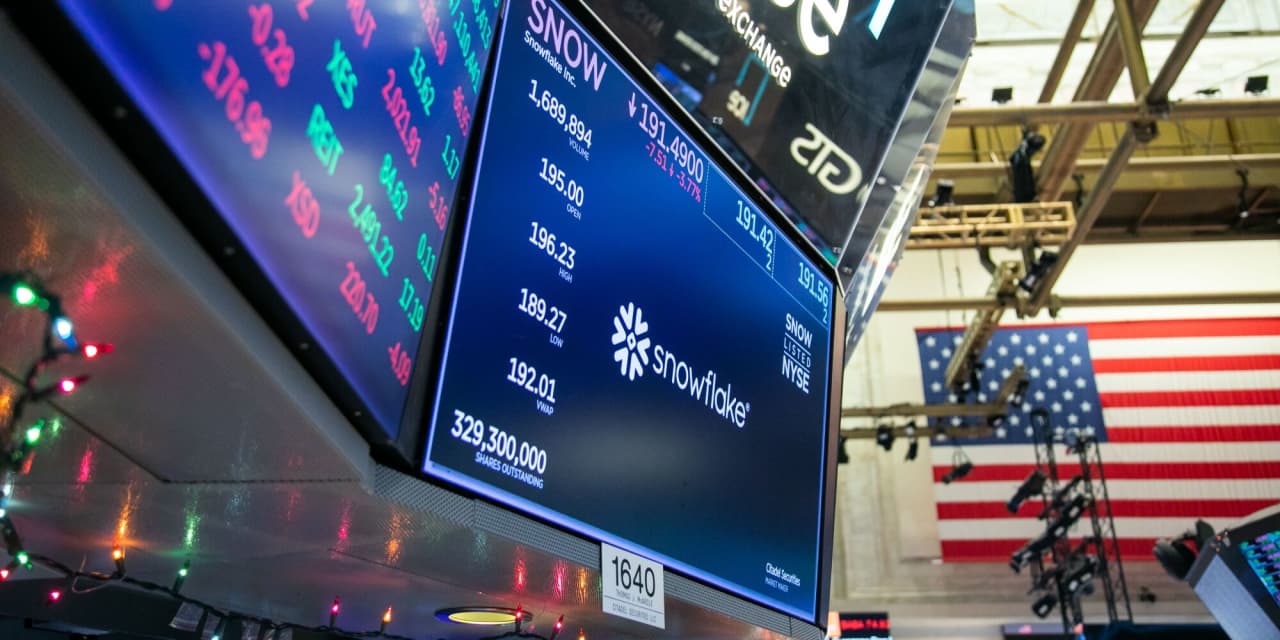
Snowflake's Strong Growth Outpaces Market Trends

- Significant Customer Growth: In the first quarter of fiscal 2027, Snowflake reported a total of 13,912 customers, adding 616 net new customers, which is a 38% year-over-year increase, including 13 new Forbes Global 2000 clients, highlighting the platform's strong appeal and sustained market demand.
- Strong Revenue Retention: The company achieved a net revenue retention rate of 126% in Q1 FY2027, indicating high customer dependency and satisfaction with its services, which is expected to further drive stable revenue growth.
- AI Strategy Expansion: Snowflake is enhancing its AI capabilities through partnerships with new clients like Sanofi, which launched the Concierge for Field tool using Snowflake Cortex AI, significantly improving sales representatives' efficiency, showcasing Snowflake's competitiveness and market potential in the AI sector.
- Optimistic Financial Outlook: The Zacks consensus estimates that Snowflake's revenues for Q2 FY2027 will reach $1.47 billion, reflecting a 28.39% year-over-year growth, with an expected earnings per share of 45 cents, indicating strong expectations for the company's future financial performance.
See More

Cathie Wood Doubles Down on Tech Stocks Amid Strong Q2 Performance
- Amazon Market Performance: Amazon's net sales grew 17% year-over-year in Q1, marking its fastest growth in four years, although its stock has only risen 3% in 2026, highlighting the contrast between its strong AWS performance and the overall market.
- SoFi Technology Investment: SoFi was Wood's largest purchase in Ark's biggest ETF, and despite a 32% drop in stock price this year, its adjusted revenue rose 41% in Q1, indicating significant growth potential in the fintech sector.
- Snowflake Growth Rebound: Snowflake reported a 34% revenue growth in its latest fiscal quarter, the highest since summer 2023, with 779 customers spending over $1 million each annually, showcasing the platform's appeal and customer loyalty.
- Investment Strategy Adjustment: Wood's increased investments in Amazon, SoFi, and Snowflake across multiple ETFs reflect her confidence in tech stocks, despite facing market volatility and short-term challenges.
See More
SpaceX IPO Performance Compared to Snowflake
- SpaceX IPO Performance: SpaceX's IPO was priced at $135 but opened at $150 and closed its first day at $161, indicating strong market demand; however, the stock has recently pulled back to around $162, still above the opening price, reflecting investor enthusiasm for space exploration.
- Snowflake IPO Review: Snowflake went public in 2020 with the largest software IPO in history, opening at $245 and closing at $254 on its first day, later climbing above $300 within a year, but currently trades around $260, down 35% from its peak, highlighting the volatility risks post-IPO.
- Market Sentiment and Investor Behavior: The excitement surrounding SpaceX's IPO attracted many retail investors and momentum traders, similar to Snowflake's experience, where enthusiasm for high-growth tech companies drove rapid price increases but may lead to future corrections, necessitating caution among investors.
- Historical Lessons and Future Outlook: While SpaceX and Snowflake have different fundamentals, both IPOs demonstrate that initial surges can lead to subsequent downturns, prompting investors to be wary of chasing short-term gains that may result in long-term risks, especially amid changing market sentiments.
See More
Software Stocks Rebound as Semiconductor Trade Weakens
- Software Stocks Rebound: The ratio of the Software ETF to the Semiconductor ETF bottomed at 0.13 last month and has since rebounded, breaking through trendline resistance, indicating a potential reversal in software stock fortunes and renewed market confidence.
- Market Structural Shift: Jefferies' research report suggests that most AI-related fears are already priced in, concluding that 'software is not dead, but weak software is,' providing a theoretical foundation for the recovery of software stocks and potentially attracting more investor interest.
- Investment Opportunity in ServiceNow: ServiceNow's stock has dropped about 50% from its peak, but its daily chart shows a reversal pattern, with analysts generally optimistic, projecting an EPS of $5.03 by 2027, indicating that its valuation remains attractive.
- Growth Potential of Snowflake: Snowflake benefits from the AI boom, with last quarter's EPS beating expectations by 22% and product revenue growing by 34%, demonstrating strong market demand and sustained growth momentum, making it a focal point for investors.
See More
SpaceX IPO Generates Unprecedented Market Excitement
- First Day Trading Performance: SpaceX's IPO was priced at $135 per share but opened at $150, closing the first day at $161, indicating strong market demand and investor enthusiasm.
- Price Volatility Analysis: Following the first day, SpaceX's stock peaked at $226 before retreating to around $162, reflecting extreme volatility post-IPO, which investors should monitor for potential market corrections.
- Historical Comparison: The excitement surrounding SpaceX's IPO parallels Snowflake's debut in 2020, where the stock doubled on the first day but later faced prolonged price adjustments, serving as a cautionary tale for investors.
- Investor Sentiment: While SpaceX's fundamentals differ from Snowflake's, both attracted momentum-driven investors, and shifts in market sentiment could lead to a return to more reasonable valuations, necessitating caution among investors chasing short-term gains.
See More
Bank of America Highlights Stocks to Boost Returns in Q3
- Spotify Potential: Analyst Jessica Reif Ehrlich from Bank of America highlights that Spotify's stock could rise in the near term due to the launch of new products and pricing tiers, with a target price of $685 suggesting about 41% upside, despite shares having fallen over 16% year-to-date.
- Visa Growth Opportunity: Analyst Matthew O'Neill states that Visa is the top choice for investors looking to capitalize on the shift to electronic payments, with a buy rating and a target price of $410 indicating a 13% upside, supported by $33 billion in buyback capacity, showcasing strong financial health.
- Walmart's Market Advantage: Analyst Christopher Nardone believes Walmart's efforts to attract affluent consumers will start to pay off, with a target price of $144 implying nearly 29% upside, and its advantages in price and speed make it appealing across income brackets.
- Diverse Investment Portfolio: In addition to Spotify, Visa, and Walmart, Bank of America also recommends stocks like IBM, JPMorgan Chase, and Snowflake, reflecting confidence in multiple sectors to help investors achieve better returns in the upcoming third quarter.
See More
Snowflake's Strong Growth Outpaces Market Trends
- Significant Customer Growth: In the first quarter of fiscal 2027, Snowflake reported a total of 13,912 customers, adding 616 net new customers, which is a 38% year-over-year increase, including 13 new Forbes Global 2000 clients, highlighting the platform's strong appeal and sustained market demand.
- Strong Revenue Retention: The company achieved a net revenue retention rate of 126% in Q1 FY2027, indicating high customer dependency and satisfaction with its services, which is expected to further drive stable revenue growth.
- AI Strategy Expansion: Snowflake is enhancing its AI capabilities through partnerships with new clients like Sanofi, which launched the Concierge for Field tool using Snowflake Cortex AI, significantly improving sales representatives' efficiency, showcasing Snowflake's competitiveness and market potential in the AI sector.
- Optimistic Financial Outlook: The Zacks consensus estimates that Snowflake's revenues for Q2 FY2027 will reach $1.47 billion, reflecting a 28.39% year-over-year growth, with an expected earnings per share of 45 cents, indicating strong expectations for the company's future financial performance.
See More
Cathie Wood Doubles Down on Tech Stocks Amid Strong Q2 Performance
- Amazon Market Performance: Amazon's net sales grew 17% year-over-year in Q1, marking its fastest growth in four years, although its stock has only risen 3% in 2026, highlighting the contrast between its strong AWS performance and the overall market.
- SoFi Technology Investment: SoFi was Wood's largest purchase in Ark's biggest ETF, and despite a 32% drop in stock price this year, its adjusted revenue rose 41% in Q1, indicating significant growth potential in the fintech sector.
- Snowflake Growth Rebound: Snowflake reported a 34% revenue growth in its latest fiscal quarter, the highest since summer 2023, with 779 customers spending over $1 million each annually, showcasing the platform's appeal and customer loyalty.
- Investment Strategy Adjustment: Wood's increased investments in Amazon, SoFi, and Snowflake across multiple ETFs reflect her confidence in tech stocks, despite facing market volatility and short-term challenges.
See More





