Lithia & Driveway Increases Share Repurchase Authorization
Written by Emily J. Thompson, Senior Investment Analyst
Updated: Jun 04 2024
0mins
Source: PRnewswire
Trade with 70% Backtested Accuracy
Stop guessing "Should I Buy LAD?" and start using high-conviction signals backed by rigorous historical data.
Sign up today to access powerful investing tools and make smarter, data-driven decisions.
Analyst Views on LAD
Wall Street analysts forecast LAD stock price to rise
8 Analyst Rating
6 Buy
2 Hold
0 Sell
Strong Buy
Current: 311.690

Low
310.00
Averages
388.00
High
500.00
Current: 311.690
Low
310.00
Averages
388.00
High
500.00
About LAD
Lithia Motors, Inc. is a global automotive retailer providing a range of products and services throughout the vehicle ownership lifecycle. The Company's products and services are offered through its comprehensive network of physical locations, e-commerce platforms, captive finance solutions, fleet management offerings, and other synergistic adjacencies. The Company’s segments include Vehicle Operations and Financing Operations. Its Vehicle Operations segment consists of all aspects of its auto merchandising and aftersales operations, excluding financing provided by its Financing Operations. The Company's Financing Operations segment provides financing to customers buying and leasing retail vehicles from its Vehicle Operations, as well as leasing vehicles from its fleet management services provider. Its Driveway and GreenCars brands and online customer portal complement its in-store experiences in the United States and provide platforms that serve as its e-commerce home solutions.
About the author

Emily J. Thompson
Emily J. Thompson, a Chartered Financial Analyst (CFA) with 12 years in investment research, graduated with honors from the Wharton School. Specializing in industrial and technology stocks, she provides in-depth analysis for Intellectia’s earnings and market brief reports.

Carvana Increases Advertising Spend to Boost Market Awareness


- Increased Advertising Spend: In Q1 2026, Carvana raised its advertising expense by $92 per retail unit sold, aiming to enhance consumer awareness and trust in its online car-buying platform, which is crucial for driving sales growth.
- Current Market Share: Carvana holds nearly 2% of the U.S. used vehicle retail market, while e-commerce adoption in other retail categories is around 20%, indicating that online used car retail is still in its early stages, presenting significant future growth potential.
- Operational Efficiency Gains: The company expects to achieve meaningful SG&A leverage through ongoing operational efficiencies and greater absorption of fixed costs, which will help improve profitability while expanding market share.
- Underperformance in the Industry: Despite increased advertising efforts, Carvana's stock has fallen 20.2% over the past six months, underperforming the 4.8% decline in the Internet - Commerce industry, raising concerns about its valuation in the market.
See More

Auto Retail Industry Faces Challenges and Opportunities Amid Economic Pressures


- Resilient New Vehicle Demand: Despite macroeconomic pressures, new vehicle sales are forecasted at 15.8 million units for 2026, indicating sustained consumer commitment to purchases, showcasing market resilience amid high fuel prices and uncertainty.
- Broadening Credit Access: Lenders are expanding loan approvals for lower credit tier consumers, with new vehicle loan rates reaching 9.6%, which helps maintain transaction volumes and mitigates pressures from high borrowing costs.
- Eroding Consumer Purchasing Power: Household purchasing power continues to decline, with consumer price inflation averaging nearly 5% annually, significantly impacting mainstream and entry-level buyers, potentially suppressing discretionary spending on big-ticket items.
- Bleak Industry Outlook: The Zacks industry rank of 167 places it in the bottom 32% of nearly 245 industries, reflecting declining confidence in the sector's earnings growth potential, with 2026 earnings estimates down approximately 8%.
See More

Chinese Automakers Enter Canadian Market Amid U.S. Ambitions

- Market Entry Strategy: China's largest EV maker BYD plans to open six dealerships in Canada, despite the country allowing only 49,000 car imports annually, indicating its focus on the North American market.
- Sales Outlook Analysis: Although the Canadian market is limited, with only 1.9 million cars sold last year, Chinese automakers view it as a stepping stone to the U.S. market, especially given current restrictions on Chinese vehicles in the U.S.
- Competitive Landscape Shift: Tesla imported over 44,000 Chinese-made cars into Canada in 2023, intensifying market competition and prompting Chinese brands to accelerate their market entry plans.
- Long-term Strategic Planning: Chery is conducting market tests and plans to launch sales in the fourth quarter, demonstrating confidence and readiness for the future U.S. market despite facing multiple challenges.
See More

Carvana Launches New Vehicle Sales Strategy

- New Sales Model: Carvana aims to extend its online used vehicle sales strategy to the new car market, with its seven Stellantis franchised dealerships primarily serving as service and test-drive centers rather than traditional sales points, fundamentally altering the consumer buying experience.
- Market Share Goals: By investing approximately $171 million in acquiring Stellantis dealerships, Carvana seeks to expand its market share and facilitate used vehicle sales through trade-ins, which could significantly impact the U.S. franchised dealership model if successful.
- Innovative Experience Center: At its Texas dealership, Carvana has created a 'playground' where customers can use smartphones and QR codes to self-navigate vehicle information and test drives, replacing traditional sales methods and enhancing customer experience.
- Inventory Challenges: While Carvana has about 3,000 new vehicles available nationwide, its Texas display area only features 50 vehicles, which may prevent customers from test-driving their desired models, highlighting the complexities of new vehicle sales and inventory management.
See More

Carvana Tests New Vehicle Sales Model in Dallas
- Innovative Vehicle Sales: Carvana's testing center in Dallas employs a non-traditional sales model where consumers purchase new cars through online platforms, marking its expansion from used to new vehicle markets, which is expected to enhance market share and attract more customers.
- Transparent Pricing Strategy: Carvana commits to a transparent, no-haggle pricing approach, aiming to improve customer experience and starkly contrast with traditional dealerships, thereby enhancing brand loyalty and market competitiveness.
- Service and Experience Integration: The testing center not only provides test drive areas but also features a 'playground' for consumers to select vehicles, combining seamless online and offline experiences that could profoundly impact traditional dealership operations.
- Market Potential and Challenges: While Carvana has seen initial success in new vehicle sales, inventory constraints and competition with traditional dealers remain challenges, necessitating future optimization of inventory management to meet customer demands and improve sales efficiency.
See More
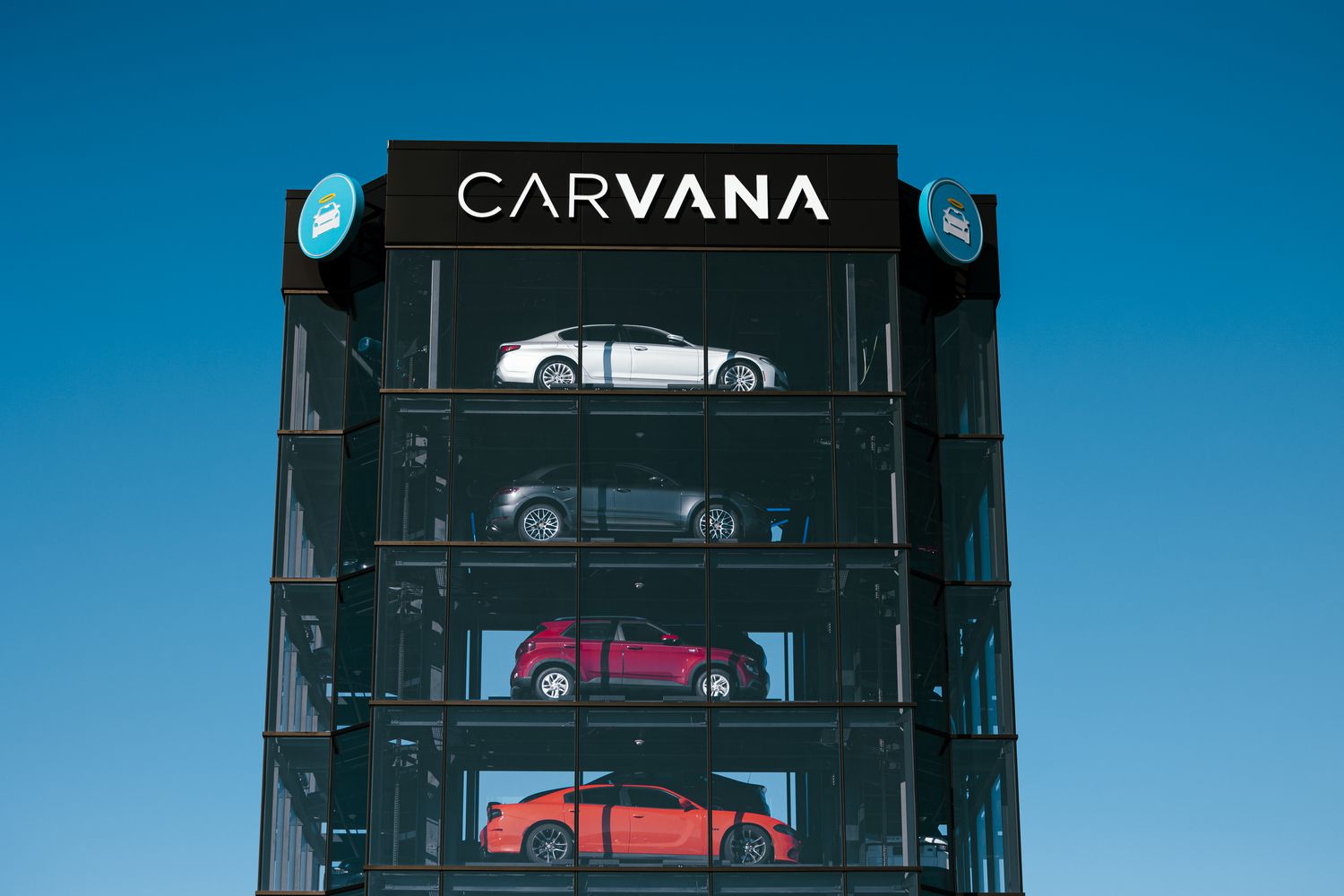
Carvana Enters New Vehicle Market, Disrupting Traditional Dealership Model
- Expansion into New Vehicle Market: Carvana has quietly acquired seven new vehicle franchises since last year, primarily selling Stellantis brands, marking a successful transition from used car retailer to new vehicle market player, which is expected to significantly impact the traditional dealership system.
- Remarkable Sales Performance: Carvana's new dealership in Arizona sold over 700 new vehicles last month, becoming the top-selling store nationally, compared to an average of 30 to 50 monthly sales prior to the acquisition, demonstrating strong market demand and sales capability.
- Disruption Potential: Industry analysts suggest that Carvana's entry into the new vehicle franchise business could be one of the most disruptive forces in the U.S. auto retail market in decades, potentially prompting traditional dealers to adapt to new market conditions to remain competitive.
- Lifecycle Management: By adding new vehicle sales, Carvana not only increases revenue streams but also enhances its ability to acquire used vehicles from new car customers, leveraging exclusive auctions to gain a competitive edge in the secondary market, further solidifying its market position.
See More
Carvana Increases Advertising Spend to Boost Market Awareness
- Increased Advertising Spend: In Q1 2026, Carvana raised its advertising expense by $92 per retail unit sold, aiming to enhance consumer awareness and trust in its online car-buying platform, which is crucial for driving sales growth.
- Current Market Share: Carvana holds nearly 2% of the U.S. used vehicle retail market, while e-commerce adoption in other retail categories is around 20%, indicating that online used car retail is still in its early stages, presenting significant future growth potential.
- Operational Efficiency Gains: The company expects to achieve meaningful SG&A leverage through ongoing operational efficiencies and greater absorption of fixed costs, which will help improve profitability while expanding market share.
- Underperformance in the Industry: Despite increased advertising efforts, Carvana's stock has fallen 20.2% over the past six months, underperforming the 4.8% decline in the Internet - Commerce industry, raising concerns about its valuation in the market.
See More
Auto Retail Industry Faces Challenges and Opportunities Amid Economic Pressures
- Resilient New Vehicle Demand: Despite macroeconomic pressures, new vehicle sales are forecasted at 15.8 million units for 2026, indicating sustained consumer commitment to purchases, showcasing market resilience amid high fuel prices and uncertainty.
- Broadening Credit Access: Lenders are expanding loan approvals for lower credit tier consumers, with new vehicle loan rates reaching 9.6%, which helps maintain transaction volumes and mitigates pressures from high borrowing costs.
- Eroding Consumer Purchasing Power: Household purchasing power continues to decline, with consumer price inflation averaging nearly 5% annually, significantly impacting mainstream and entry-level buyers, potentially suppressing discretionary spending on big-ticket items.
- Bleak Industry Outlook: The Zacks industry rank of 167 places it in the bottom 32% of nearly 245 industries, reflecting declining confidence in the sector's earnings growth potential, with 2026 earnings estimates down approximately 8%.
See More
Chinese Automakers Enter Canadian Market Amid U.S. Ambitions
- Market Entry Strategy: China's largest EV maker BYD plans to open six dealerships in Canada, despite the country allowing only 49,000 car imports annually, indicating its focus on the North American market.
- Sales Outlook Analysis: Although the Canadian market is limited, with only 1.9 million cars sold last year, Chinese automakers view it as a stepping stone to the U.S. market, especially given current restrictions on Chinese vehicles in the U.S.
- Competitive Landscape Shift: Tesla imported over 44,000 Chinese-made cars into Canada in 2023, intensifying market competition and prompting Chinese brands to accelerate their market entry plans.
- Long-term Strategic Planning: Chery is conducting market tests and plans to launch sales in the fourth quarter, demonstrating confidence and readiness for the future U.S. market despite facing multiple challenges.
See More
Carvana Launches New Vehicle Sales Strategy
- New Sales Model: Carvana aims to extend its online used vehicle sales strategy to the new car market, with its seven Stellantis franchised dealerships primarily serving as service and test-drive centers rather than traditional sales points, fundamentally altering the consumer buying experience.
- Market Share Goals: By investing approximately $171 million in acquiring Stellantis dealerships, Carvana seeks to expand its market share and facilitate used vehicle sales through trade-ins, which could significantly impact the U.S. franchised dealership model if successful.
- Innovative Experience Center: At its Texas dealership, Carvana has created a 'playground' where customers can use smartphones and QR codes to self-navigate vehicle information and test drives, replacing traditional sales methods and enhancing customer experience.
- Inventory Challenges: While Carvana has about 3,000 new vehicles available nationwide, its Texas display area only features 50 vehicles, which may prevent customers from test-driving their desired models, highlighting the complexities of new vehicle sales and inventory management.
See More
Carvana Tests New Vehicle Sales Model in Dallas
- Innovative Vehicle Sales: Carvana's testing center in Dallas employs a non-traditional sales model where consumers purchase new cars through online platforms, marking its expansion from used to new vehicle markets, which is expected to enhance market share and attract more customers.
- Transparent Pricing Strategy: Carvana commits to a transparent, no-haggle pricing approach, aiming to improve customer experience and starkly contrast with traditional dealerships, thereby enhancing brand loyalty and market competitiveness.
- Service and Experience Integration: The testing center not only provides test drive areas but also features a 'playground' for consumers to select vehicles, combining seamless online and offline experiences that could profoundly impact traditional dealership operations.
- Market Potential and Challenges: While Carvana has seen initial success in new vehicle sales, inventory constraints and competition with traditional dealers remain challenges, necessitating future optimization of inventory management to meet customer demands and improve sales efficiency.
See More
Carvana Enters New Vehicle Market, Disrupting Traditional Dealership Model
- Expansion into New Vehicle Market: Carvana has quietly acquired seven new vehicle franchises since last year, primarily selling Stellantis brands, marking a successful transition from used car retailer to new vehicle market player, which is expected to significantly impact the traditional dealership system.
- Remarkable Sales Performance: Carvana's new dealership in Arizona sold over 700 new vehicles last month, becoming the top-selling store nationally, compared to an average of 30 to 50 monthly sales prior to the acquisition, demonstrating strong market demand and sales capability.
- Disruption Potential: Industry analysts suggest that Carvana's entry into the new vehicle franchise business could be one of the most disruptive forces in the U.S. auto retail market in decades, potentially prompting traditional dealers to adapt to new market conditions to remain competitive.
- Lifecycle Management: By adding new vehicle sales, Carvana not only increases revenue streams but also enhances its ability to acquire used vehicles from new car customers, leveraging exclusive auctions to gain a competitive edge in the secondary market, further solidifying its market position.
See More