PNC Launches Personalized Mobile Banking App
Written by Emily J. Thompson, Senior Investment Analyst
Updated: 1 day ago
0mins
Source: PRnewswire
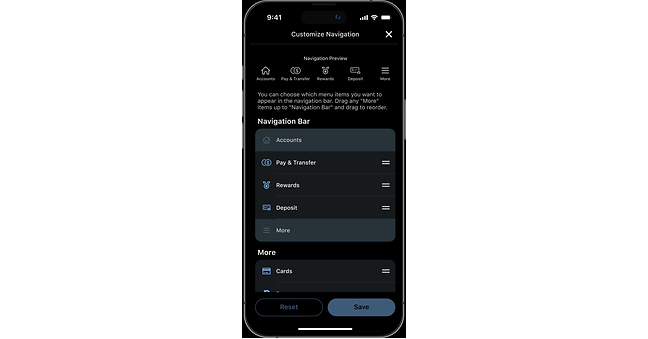
- Personalized Banking Experience: PNC's newly launched mobile banking app features an improved interface and faster load times, allowing clients to customize account displays according to personal preferences, thereby enhancing user engagement and increasing customer loyalty and satisfaction.
- Technology-Driven Innovation: The app is built on PNC's next-generation technology platform, leveraging patented data-streaming microservices architecture, which supports rapid updates and feature enhancements, ensuring timely responses to client feedback and continuous innovation, thus enhancing market competitiveness.
- User Growth Potential: PNC's existing mobile platform serves 8 million clients with 150 million monthly sessions, and the new app is expected to further accelerate user growth, driving expansion in digital banking services.
- Omni-Channel Support: PNC has prepared its branch network and customer service centers to support clients during the transition, while providing in-app tutorials to help users quickly familiarize themselves with new features, thereby boosting user confidence and satisfaction.
Trade with 70% Backtested Accuracy
Stop guessing "Should I Buy PNC?" and start using high-conviction signals backed by rigorous historical data.
Sign up today to access powerful investing tools and make smarter, data-driven decisions.
Analyst Views on PNC
Wall Street analysts forecast PNC stock price to fall
17 Analyst Rating
12 Buy
4 Hold
1 Sell
Moderate Buy
Current: 253.180

Low
201.00
Averages
234.40
High
271.00
Current: 253.180
Low
201.00
Averages
234.40
High
271.00
About PNC
The PNC Financial Services Group, Inc. is a diversified financial services company in the United States. It is engaged in the delivery of retail and business banking, including a full range of lending products; specialized services for corporations and government entities, including corporate banking, real estate finance and asset-based lending; wealth management and asset management. Its Retail Banking segment provides deposit, lending, brokerage, insurance services, investment management and cash management products and services to consumer and small business customers. Its Corporate & Institutional Banking segment provides lending, treasury management, capital markets and advisory products and services to mid-sized and large corporations and government and not-for-profit entities. Its Asset Management Group segment provides private banking for high-net worth and ultra-high net worth clients and institutional asset management. The Company's bank subsidiary is PNC Bank.
About the author

Emily J. Thompson
Emily J. Thompson, a Chartered Financial Analyst (CFA) with 12 years in investment research, graduated with honors from the Wharton School. Specializing in industrial and technology stocks, she provides in-depth analysis for Intellectia’s earnings and market brief reports.
PNC Launches Personalized Mobile Banking App

- Personalized Banking Experience: PNC's newly launched mobile banking app features an improved interface and faster load times, allowing clients to customize account displays according to personal preferences, thereby enhancing user engagement and increasing customer loyalty and satisfaction.
- Technology-Driven Innovation: The app is built on PNC's next-generation technology platform, leveraging patented data-streaming microservices architecture, which supports rapid updates and feature enhancements, ensuring timely responses to client feedback and continuous innovation, thus enhancing market competitiveness.
- User Growth Potential: PNC's existing mobile platform serves 8 million clients with 150 million monthly sessions, and the new app is expected to further accelerate user growth, driving expansion in digital banking services.
- Omni-Channel Support: PNC has prepared its branch network and customer service centers to support clients during the transition, while providing in-app tutorials to help users quickly familiarize themselves with new features, thereby boosting user confidence and satisfaction.
See More
Fiserv's Potential Network Sale Attracts Attention


- Potential Sale Impact: Analysts noted that a sale of Fiserv's STAR or Accel debit network to major banks like JPMorgan, Bank of America, Wells Fargo, or PNC Financial could significantly enhance these banks' debit economics and be highly accretive to Fiserv's earnings.
- Regulatory Scrutiny Risks: While the potential transaction could yield benefits, Raymond James cautioned that selling the debit card network may attract significant regulatory scrutiny, particularly as it could be viewed as an attempt to circumvent the Durbin Amendment, leading to higher fees for merchants.
- Leadership Transition: Fiserv President Dhivya Suryadevara resigned effective July 7, yet she will remain in a non-executive role until July 31 to facilitate a transition, which may impact the company's strategic direction moving forward.
- Retail Market Reaction: Fiserv's stock garnered a 102% increase in retail attention over the past 24 hours, despite a nearly 20% decline in share price this year, indicating a cautious yet interested sentiment among investors regarding the potential sale.
See More

Fiserv Explores Sale of STAR Network Debit Processing Business

- Acquisition Interest: Several banks, including Bank of America, JPMorgan Chase, Wells Fargo, and PNC, have shown interest in acquiring Fiserv's STAR Network business, indicating strong market interest in this unit.
- Positive Stock Reaction: Fiserv's stock rose nearly 2% following reports that management was in discussions with multiple banks, reflecting investor optimism amidst a 0.5% decline in the S&P 500 index.
- Large Market Scale: The STAR Network services over 115 million cardholders and partners with more than 2,800 financial institutions, underscoring its significance and market position in U.S. debit card transactions.
- Strategic Restructuring Signal: The potential sale suggests that Fiserv is attempting to streamline and rationalize its operations, which investors have reacted positively to, indicating a possible path toward greater operational efficiency in the future.
See More
Fiserv Explores Sale of STAR Network Business Unit
- Stock Gains: Fiserv's stock rose nearly 2% following reports that management is in discussions with several banks about selling its STAR Network business unit, contrasting with a 0.5% decline in the S&P 500, indicating positive market sentiment.
- Potential Buyers: According to Reuters, Fiserv is in talks with banks including Bank of America, JPMorgan Chase, Wells Fargo, and PNC, which are motivated to acquire STAR Network for potential exemptions from federal debit card fee caps.
- Market Reach: STAR Network serves over 115 million debit cardholders and more than 2,800 financial institutions, highlighting its critical role in the debit transaction ecosystem and its potential value to prospective buyers.
- Business Restructuring: While the financial implications of a potential sale remain speculative, this move suggests Fiserv is aiming to streamline its operations after a challenging period, which investors have responded to positively, reflecting their interest in the company's strategic direction.
See More

Market Dynamics and Company News Overview


- Mixed Market Performance: Dow futures are up 130 points while Nasdaq is set for a sharp decline due to chip stock sell-offs, and S&P futures are modestly lower, indicating a complex market sentiment that could impact investor confidence.
- SpaceX Joins Nasdaq 100: SpaceX officially enters the Nasdaq 100 index, expected to attract billions in passive flows, with at least 18 buy ratings from analysts, reflecting strong market confidence in its future growth potential following its IPO.
- Samsung Stock Pullback: Samsung Electronics shares fell 7% in South Korea despite a staggering 1,800% increase in second-quarter operating profit and doubled sales, indicating potential profit-taking by investors concerned about the sustainability of its AI spending boom.
- Walmart's Price Reduction Strategy: Walmart has lowered prices on beef and other summer grilling essentials, which, combined with falling gas prices, helps alleviate inflationary pressures; despite an 18% drop in shares since mid-May, this move is seen as an investment opportunity that could attract more consumers.
See More
Major Banks Explore Acquisition of Fiserv's Debit Card Network
- Acquisition Talks Initiated: Major banks including JPMorgan Chase, Bank of America, Wells Fargo, and PNC Financial Services Group are in early discussions to acquire Fiserv's debit card network, which could significantly enhance their payment processing capabilities while bypassing federal caps on debit card transaction fees if successful.
- Regulatory Impact Analysis: The Durbin Amendment of the 2010 Dodd-Frank Act caps interchange fees for institutions with over $10 billion in assets, but banks owning the underlying network infrastructure can legally avoid these limits, potentially restoring lost revenue streams.
- Fiserv Stock Volatility: Following acquisition rumors, Fiserv's stock rose 4% in after-hours trading; however, it has plummeted approximately 70% from its 2025 highs, reflecting ongoing pressures from intensified competition and frequent executive turnover in the payments sector.
- Market Sentiment Shift: While retail sentiment on Stocktwits remains bearish regarding Fiserv's stock, discussions have surged over 1,000% from last week, indicating increased interest in the usage of its Clover payment system, which may influence future investment decisions.
See More
PNC Launches Personalized Mobile Banking App
- Personalized Banking Experience: PNC's newly launched mobile banking app features an improved interface and faster load times, allowing clients to customize account displays according to personal preferences, thereby enhancing user engagement and increasing customer loyalty and satisfaction.
- Technology-Driven Innovation: The app is built on PNC's next-generation technology platform, leveraging patented data-streaming microservices architecture, which supports rapid updates and feature enhancements, ensuring timely responses to client feedback and continuous innovation, thus enhancing market competitiveness.
- User Growth Potential: PNC's existing mobile platform serves 8 million clients with 150 million monthly sessions, and the new app is expected to further accelerate user growth, driving expansion in digital banking services.
- Omni-Channel Support: PNC has prepared its branch network and customer service centers to support clients during the transition, while providing in-app tutorials to help users quickly familiarize themselves with new features, thereby boosting user confidence and satisfaction.
See More
Fiserv's Potential Network Sale Attracts Attention
- Potential Sale Impact: Analysts noted that a sale of Fiserv's STAR or Accel debit network to major banks like JPMorgan, Bank of America, Wells Fargo, or PNC Financial could significantly enhance these banks' debit economics and be highly accretive to Fiserv's earnings.
- Regulatory Scrutiny Risks: While the potential transaction could yield benefits, Raymond James cautioned that selling the debit card network may attract significant regulatory scrutiny, particularly as it could be viewed as an attempt to circumvent the Durbin Amendment, leading to higher fees for merchants.
- Leadership Transition: Fiserv President Dhivya Suryadevara resigned effective July 7, yet she will remain in a non-executive role until July 31 to facilitate a transition, which may impact the company's strategic direction moving forward.
- Retail Market Reaction: Fiserv's stock garnered a 102% increase in retail attention over the past 24 hours, despite a nearly 20% decline in share price this year, indicating a cautious yet interested sentiment among investors regarding the potential sale.
See More
Fiserv Explores Sale of STAR Network Debit Processing Business
- Acquisition Interest: Several banks, including Bank of America, JPMorgan Chase, Wells Fargo, and PNC, have shown interest in acquiring Fiserv's STAR Network business, indicating strong market interest in this unit.
- Positive Stock Reaction: Fiserv's stock rose nearly 2% following reports that management was in discussions with multiple banks, reflecting investor optimism amidst a 0.5% decline in the S&P 500 index.
- Large Market Scale: The STAR Network services over 115 million cardholders and partners with more than 2,800 financial institutions, underscoring its significance and market position in U.S. debit card transactions.
- Strategic Restructuring Signal: The potential sale suggests that Fiserv is attempting to streamline and rationalize its operations, which investors have reacted positively to, indicating a possible path toward greater operational efficiency in the future.
See More
Fiserv Explores Sale of STAR Network Business Unit
- Stock Gains: Fiserv's stock rose nearly 2% following reports that management is in discussions with several banks about selling its STAR Network business unit, contrasting with a 0.5% decline in the S&P 500, indicating positive market sentiment.
- Potential Buyers: According to Reuters, Fiserv is in talks with banks including Bank of America, JPMorgan Chase, Wells Fargo, and PNC, which are motivated to acquire STAR Network for potential exemptions from federal debit card fee caps.
- Market Reach: STAR Network serves over 115 million debit cardholders and more than 2,800 financial institutions, highlighting its critical role in the debit transaction ecosystem and its potential value to prospective buyers.
- Business Restructuring: While the financial implications of a potential sale remain speculative, this move suggests Fiserv is aiming to streamline its operations after a challenging period, which investors have responded to positively, reflecting their interest in the company's strategic direction.
See More
Market Dynamics and Company News Overview
- Mixed Market Performance: Dow futures are up 130 points while Nasdaq is set for a sharp decline due to chip stock sell-offs, and S&P futures are modestly lower, indicating a complex market sentiment that could impact investor confidence.
- SpaceX Joins Nasdaq 100: SpaceX officially enters the Nasdaq 100 index, expected to attract billions in passive flows, with at least 18 buy ratings from analysts, reflecting strong market confidence in its future growth potential following its IPO.
- Samsung Stock Pullback: Samsung Electronics shares fell 7% in South Korea despite a staggering 1,800% increase in second-quarter operating profit and doubled sales, indicating potential profit-taking by investors concerned about the sustainability of its AI spending boom.
- Walmart's Price Reduction Strategy: Walmart has lowered prices on beef and other summer grilling essentials, which, combined with falling gas prices, helps alleviate inflationary pressures; despite an 18% drop in shares since mid-May, this move is seen as an investment opportunity that could attract more consumers.
See More
Major Banks Explore Acquisition of Fiserv's Debit Card Network
- Acquisition Talks Initiated: Major banks including JPMorgan Chase, Bank of America, Wells Fargo, and PNC Financial Services Group are in early discussions to acquire Fiserv's debit card network, which could significantly enhance their payment processing capabilities while bypassing federal caps on debit card transaction fees if successful.
- Regulatory Impact Analysis: The Durbin Amendment of the 2010 Dodd-Frank Act caps interchange fees for institutions with over $10 billion in assets, but banks owning the underlying network infrastructure can legally avoid these limits, potentially restoring lost revenue streams.
- Fiserv Stock Volatility: Following acquisition rumors, Fiserv's stock rose 4% in after-hours trading; however, it has plummeted approximately 70% from its 2025 highs, reflecting ongoing pressures from intensified competition and frequent executive turnover in the payments sector.
- Market Sentiment Shift: While retail sentiment on Stocktwits remains bearish regarding Fiserv's stock, discussions have surged over 1,000% from last week, indicating increased interest in the usage of its Clover payment system, which may influence future investment decisions.
See More