Rocket Lab Acquires Iridium for $8 Billion, Aiming for SpaceX Model
Written by Emily J. Thompson, Senior Investment Analyst
Updated: 6 days ago
0mins


Source: Fool
- Acquisition Overview: Rocket Lab has agreed to acquire satellite operator Iridium for approximately $8 billion, which represents about 13% of its market value and will incur billions in new debt; however, investors reacted positively, with shares rising about 16% following the announcement.
- Strategic Implications: By acquiring Iridium, Rocket Lab can bypass the lengthy processes of securing spectrum, deploying a satellite constellation, and building a customer base, with CEO Peter Beck calling it 'a defining moment for the space industry', accelerating its shift towards a SpaceX-like model.
- Financial Comparison: Iridium generated $871.7 million in revenue and $114.4 million in net income in 2025, while Rocket Lab reported $602 million in revenue and a net loss of $198.2 million during the same period; this acquisition will provide Rocket Lab with a steady subscription revenue stream, enhancing its financial position.
- Risks and Challenges: Despite the strategic potential, Iridium shareholders will receive a premium of $54 per share, and Rocket Lab will need to secure a $3.6 billion bridge loan to cover the cash portion; the deal is not expected to close until mid-2027, facing approval risks from shareholders and regulators.
Trade with 70% Backtested Accuracy
Stop guessing "Should I Buy RKLB?" and start using high-conviction signals backed by rigorous historical data.
Sign up today to access powerful investing tools and make smarter, data-driven decisions.
Analyst Views on RKLB
Wall Street analysts forecast RKLB stock price to fall
11 Analyst Rating
7 Buy
4 Hold
0 Sell
Moderate Buy
Current: 93.090

Low
63.00
Averages
86.89
High
120.00
Current: 93.090
Low
63.00
Averages
86.89
High
120.00
About RKLB
Rocket Lab Corporation is an end-to-end space company. The Company designs and manufactures small and medium-class rockets, spacecraft and spacecraft components, and related software and services to support the space economy. The Company delivers reliable launch services, satellite manufacture, spacecraft design services, spacecraft components, spacecraft manufacturing, and other spacecraft and on-orbit management solutions that make it easier to access space. Its Launch Services segment provides launch and launch-related services to customers on a dedicated mission or ride-share basis. Its Space Systems segment comprises the design and manufacture of spacecraft components and spacecraft program management services, space data applications, and mission operations. Its space systems solutions are the building blocks for spacecraft, which include composite structures, reaction wheels, star trackers, solar solutions, radios, separation systems, and command and control spacecraft software.
About the author

Emily J. Thompson
Emily J. Thompson, a Chartered Financial Analyst (CFA) with 12 years in investment research, graduated with honors from the Wharton School. Specializing in industrial and technology stocks, she provides in-depth analysis for Intellectia’s earnings and market brief reports.
Rocket Lab Achieves Mission Success for VICTUS HAZE
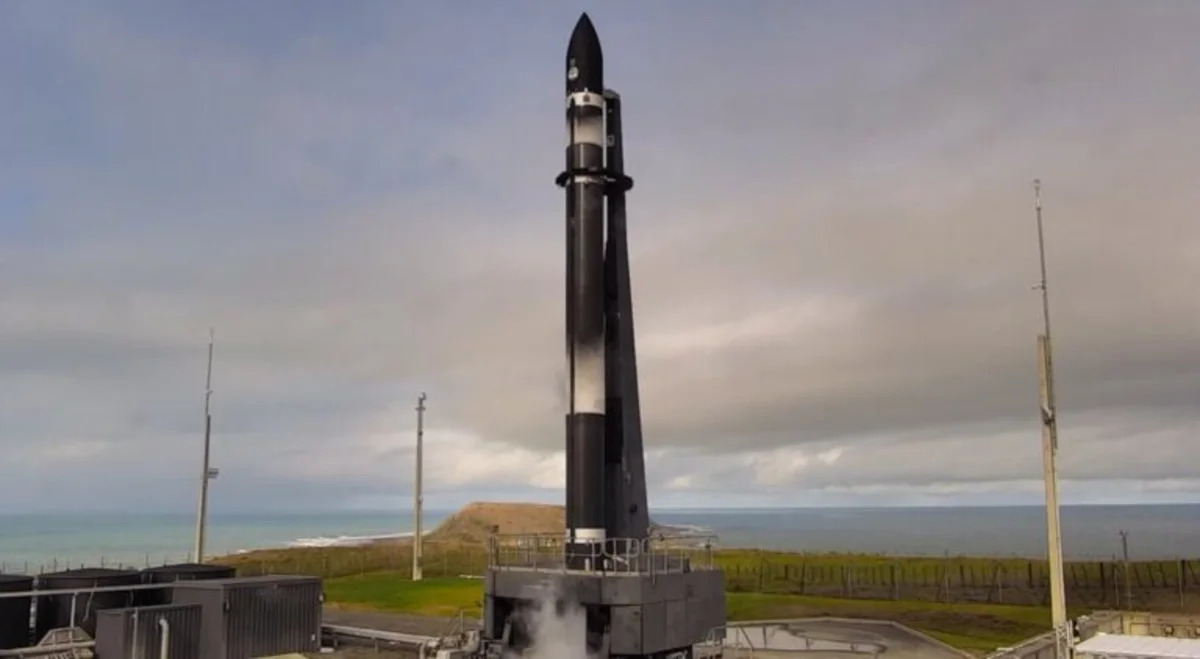
- Rapid Launch Response: Rocket Lab launched the VICTUS HAZE mission just 16 hours and 42 minutes after receiving the Notice To Launch from the U.S. Space Force, setting a record for the fastest response time in Tactically Responsive Space (TacRS) missions, showcasing the company's leadership in rapid launch capabilities.
- Swift Spacecraft Commissioning: The company completed the commissioning of the Pioneer spacecraft within 38 hours, significantly ahead of the Space Force's 72-hour deadline, ensuring all systems were operational and ready for tactical space domain awareness missions, thereby enhancing operational readiness.
- Complex RPO Operations: The Pioneer spacecraft executed a series of intricate orbital maneuvers in less than 59 hours, 25 hours ahead of the Space Force's deadline, demonstrating Rocket Lab's precision navigation and control capabilities, which are crucial for national security operations.
- Integrated Mission Delivery: For the first time, Rocket Lab served as a single prime contractor providing a fully integrated mission capability, breaking the traditional model of relying on multiple contractors, thereby reinforcing its market leadership in rapid response space missions.
See More
Rocket Lab CEO's Stake Sale Triggers Investor Sell-Off

- Stock Price Decline: Rocket Lab's stock fell 10.40% on Tuesday, closing at $83.41 per share, reflecting investor concerns over CEO Peter Beck's sale of 5 million shares, indicating a potential loss of market confidence in the company's future.
- Stake Sale Plan: Beck's sale was part of a plan dated March 27, and despite the company's recent announcement of an $8 billion acquisition of Iridium Communications to expand into satellite communications, this move failed to boost stock prices and raised investor apprehensions.
- Acquisition Agreement: Rocket Lab signed a definitive agreement to acquire all issued shares of Iridium at $54 per share, representing a 24% premium over Iridium's closing price of $43.52 last Friday, aiming to strengthen its competitive position in the space applications market.
- Market Outlook: Beck stated that by combining Iridium's infrastructure with Rocket Lab's launch and manufacturing capabilities, the company can unlock new markets, although analysts believe that certain AI stocks present greater upside potential and carry less downside risk compared to Rocket Lab.
See More
Rocket Lab Successfully Launches Victus Haze Mission
- Rapid Launch Response: Rocket Lab successfully launched the Victus Haze mission just 16 hours and 42 minutes after receiving the notice from the U.S. Space Force, setting a new record for Tactical Responsive Space missions by beating the previous record by 10 hours, showcasing the company's efficiency under pressure.
- Mission Completion Ahead of Schedule: The company commissioned the Pioneer spacecraft in 38 hours, significantly ahead of the U.S. Space Force's 72-hour deadline, ensuring the activation and verification of the spacecraft's power, communications, and attitude control systems, thereby enhancing mission success and reliability.
- All-in-One Mission Delivery: The Victus Haze mission marks the first instance of a single prime contractor delivering a complete mission for the TacRS program, including the launch vehicle, spacecraft, and on-orbit operations, establishing a new standard in responsive space and strengthening Rocket Lab's competitive position.
- Market Reaction: Despite a 10.4% decline in Rocket Lab's stock during regular trading, shares rose 0.6% in after-hours trading following the successful mission completion, indicating market recognition of the company's capabilities and confidence in its future potential.
See More

Rocket Lab Stock Plummets Amid Market Sell-Off

- Stock Price Decline: Rocket Lab's share price fell by 7.9% on Tuesday, with an intraday drop of up to 11%, reflecting investor concerns over AI valuations that have dampened market sentiment and negatively impacted the company's stock performance.
- Market Environment Impact: With the S&P 500 down 0.3% and the Nasdaq Composite down 0.6%, Rocket Lab's stock is being dragged down by broader market sentiment, indicating its sensitivity to market fluctuations, particularly during periods of AI-related valuation reassessments.
- Geopolitical Risks: Iran's renewed strikes on oil tankers in the Strait of Hormuz have heightened geopolitical uncertainty, causing investor concerns about Rocket Lab's future performance, especially amid escalating tensions between the U.S. and Iran that could lead to further market volatility.
- AI Industry Dynamics: The development of proprietary AI chips by Chinese company DeepSeek to compete with Nvidia, along with Samsung's strong quarterly report that raised doubts about its ambitious spending plans, have collectively intensified negative sentiment towards Rocket Lab, exacerbating the stock's decline.
See More
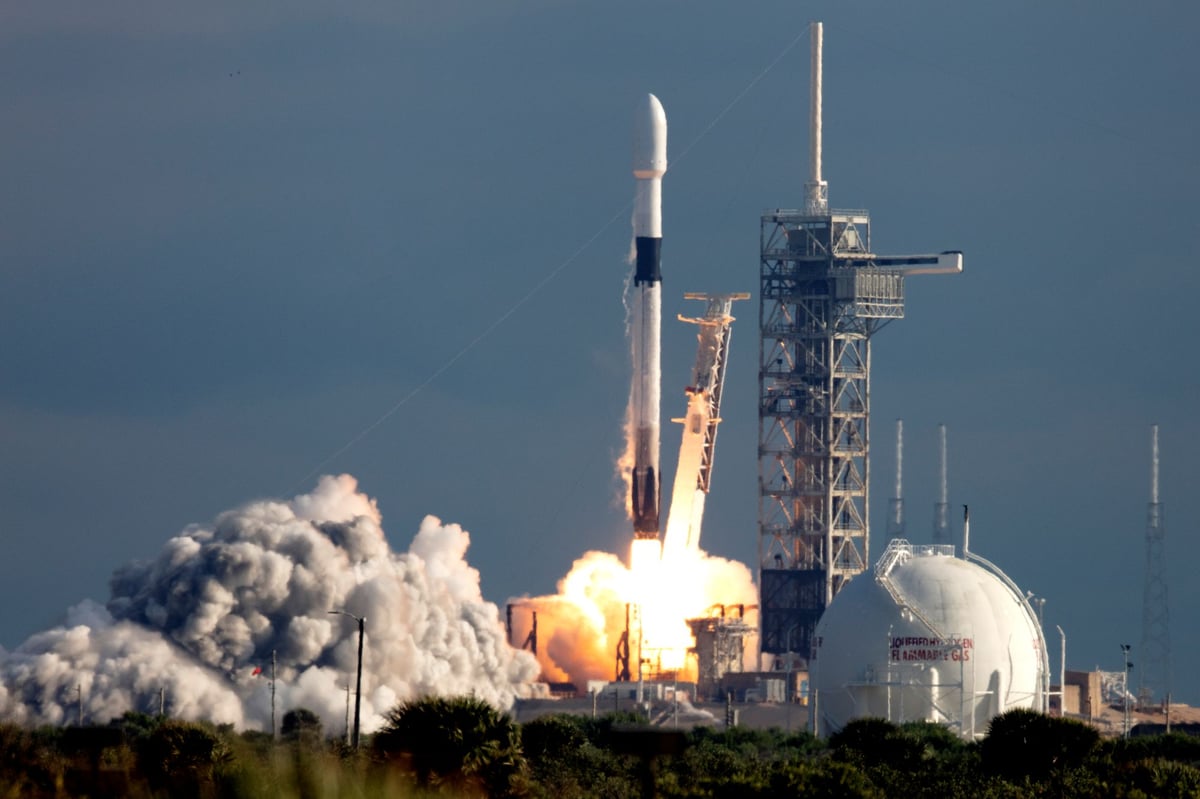
SpaceX Faces Increased Competitive Pressure

- Connectivity Performance: In Q1 2023, SpaceX's connectivity segment generated nearly 70% of total revenue, amounting to $4.7 billion, and was the only segment to achieve an operating profit of just under $1.2 billion, highlighting its potential in the satellite internet market.
- Increased Competition Risk: Rocket Lab's announcement of an $8 billion acquisition of Iridium Communications creates a vertically integrated business model that could pose direct competitive pressure on SpaceX's Starlink, potentially impacting its market share and future growth.
- Investor Confidence Wavers: SpaceX's stock is currently trading at levels similar to its initial public offering, reflecting investor concerns about its future profitability, especially in light of increasing competition, which may necessitate further cash infusions to sustain operations.
- Strategic Challenges: With other companies like Amazon entering the satellite internet space, the market challenges facing SpaceX are likely to intensify, potentially limiting its investments in AI and space objectives and increasing future uncertainties.
See More

Rocket Lab to Acquire Iridium Communications for $8 Billion
- Acquisition Announcement: Rocket Lab has announced plans to acquire Iridium Communications for $8 billion, a move that will vertically integrate its operations and enhance its competitive stance against Starlink, potentially threatening SpaceX's market share.
- Increased Market Competition: This acquisition will combine Rocket Lab's launch capabilities with Iridium's satellite communications network, creating a 'space powerhouse' expected to close mid-next year, intensifying competition in the satellite internet sector.
- Risks for SpaceX: SpaceX's Starlink, which is its primary revenue source, may face growth challenges due to the rise of competitors like Rocket Lab, which could adversely affect SpaceX's overall profitability and necessitate further cash infusions.
- Investor Caution: With increasing competition, SpaceX's stock has underperformed, returning to levels seen at its IPO, leading investors to adopt a cautious outlook on its future growth and the need for additional capital to support its AI and space initiatives.
See More
Rocket Lab Achieves Mission Success for VICTUS HAZE
- Rapid Launch Response: Rocket Lab launched the VICTUS HAZE mission just 16 hours and 42 minutes after receiving the Notice To Launch from the U.S. Space Force, setting a record for the fastest response time in Tactically Responsive Space (TacRS) missions, showcasing the company's leadership in rapid launch capabilities.
- Swift Spacecraft Commissioning: The company completed the commissioning of the Pioneer spacecraft within 38 hours, significantly ahead of the Space Force's 72-hour deadline, ensuring all systems were operational and ready for tactical space domain awareness missions, thereby enhancing operational readiness.
- Complex RPO Operations: The Pioneer spacecraft executed a series of intricate orbital maneuvers in less than 59 hours, 25 hours ahead of the Space Force's deadline, demonstrating Rocket Lab's precision navigation and control capabilities, which are crucial for national security operations.
- Integrated Mission Delivery: For the first time, Rocket Lab served as a single prime contractor providing a fully integrated mission capability, breaking the traditional model of relying on multiple contractors, thereby reinforcing its market leadership in rapid response space missions.
See More
Rocket Lab CEO's Stake Sale Triggers Investor Sell-Off
- Stock Price Decline: Rocket Lab's stock fell 10.40% on Tuesday, closing at $83.41 per share, reflecting investor concerns over CEO Peter Beck's sale of 5 million shares, indicating a potential loss of market confidence in the company's future.
- Stake Sale Plan: Beck's sale was part of a plan dated March 27, and despite the company's recent announcement of an $8 billion acquisition of Iridium Communications to expand into satellite communications, this move failed to boost stock prices and raised investor apprehensions.
- Acquisition Agreement: Rocket Lab signed a definitive agreement to acquire all issued shares of Iridium at $54 per share, representing a 24% premium over Iridium's closing price of $43.52 last Friday, aiming to strengthen its competitive position in the space applications market.
- Market Outlook: Beck stated that by combining Iridium's infrastructure with Rocket Lab's launch and manufacturing capabilities, the company can unlock new markets, although analysts believe that certain AI stocks present greater upside potential and carry less downside risk compared to Rocket Lab.
See More
Rocket Lab Successfully Launches Victus Haze Mission
- Rapid Launch Response: Rocket Lab successfully launched the Victus Haze mission just 16 hours and 42 minutes after receiving the notice from the U.S. Space Force, setting a new record for Tactical Responsive Space missions by beating the previous record by 10 hours, showcasing the company's efficiency under pressure.
- Mission Completion Ahead of Schedule: The company commissioned the Pioneer spacecraft in 38 hours, significantly ahead of the U.S. Space Force's 72-hour deadline, ensuring the activation and verification of the spacecraft's power, communications, and attitude control systems, thereby enhancing mission success and reliability.
- All-in-One Mission Delivery: The Victus Haze mission marks the first instance of a single prime contractor delivering a complete mission for the TacRS program, including the launch vehicle, spacecraft, and on-orbit operations, establishing a new standard in responsive space and strengthening Rocket Lab's competitive position.
- Market Reaction: Despite a 10.4% decline in Rocket Lab's stock during regular trading, shares rose 0.6% in after-hours trading following the successful mission completion, indicating market recognition of the company's capabilities and confidence in its future potential.
See More
Rocket Lab Stock Plummets Amid Market Sell-Off
- Stock Price Decline: Rocket Lab's share price fell by 7.9% on Tuesday, with an intraday drop of up to 11%, reflecting investor concerns over AI valuations that have dampened market sentiment and negatively impacted the company's stock performance.
- Market Environment Impact: With the S&P 500 down 0.3% and the Nasdaq Composite down 0.6%, Rocket Lab's stock is being dragged down by broader market sentiment, indicating its sensitivity to market fluctuations, particularly during periods of AI-related valuation reassessments.
- Geopolitical Risks: Iran's renewed strikes on oil tankers in the Strait of Hormuz have heightened geopolitical uncertainty, causing investor concerns about Rocket Lab's future performance, especially amid escalating tensions between the U.S. and Iran that could lead to further market volatility.
- AI Industry Dynamics: The development of proprietary AI chips by Chinese company DeepSeek to compete with Nvidia, along with Samsung's strong quarterly report that raised doubts about its ambitious spending plans, have collectively intensified negative sentiment towards Rocket Lab, exacerbating the stock's decline.
See More
SpaceX Faces Increased Competitive Pressure
- Connectivity Performance: In Q1 2023, SpaceX's connectivity segment generated nearly 70% of total revenue, amounting to $4.7 billion, and was the only segment to achieve an operating profit of just under $1.2 billion, highlighting its potential in the satellite internet market.
- Increased Competition Risk: Rocket Lab's announcement of an $8 billion acquisition of Iridium Communications creates a vertically integrated business model that could pose direct competitive pressure on SpaceX's Starlink, potentially impacting its market share and future growth.
- Investor Confidence Wavers: SpaceX's stock is currently trading at levels similar to its initial public offering, reflecting investor concerns about its future profitability, especially in light of increasing competition, which may necessitate further cash infusions to sustain operations.
- Strategic Challenges: With other companies like Amazon entering the satellite internet space, the market challenges facing SpaceX are likely to intensify, potentially limiting its investments in AI and space objectives and increasing future uncertainties.
See More
Rocket Lab to Acquire Iridium Communications for $8 Billion
- Acquisition Announcement: Rocket Lab has announced plans to acquire Iridium Communications for $8 billion, a move that will vertically integrate its operations and enhance its competitive stance against Starlink, potentially threatening SpaceX's market share.
- Increased Market Competition: This acquisition will combine Rocket Lab's launch capabilities with Iridium's satellite communications network, creating a 'space powerhouse' expected to close mid-next year, intensifying competition in the satellite internet sector.
- Risks for SpaceX: SpaceX's Starlink, which is its primary revenue source, may face growth challenges due to the rise of competitors like Rocket Lab, which could adversely affect SpaceX's overall profitability and necessitate further cash infusions.
- Investor Caution: With increasing competition, SpaceX's stock has underperformed, returning to levels seen at its IPO, leading investors to adopt a cautious outlook on its future growth and the need for additional capital to support its AI and space initiatives.
See More