Toyota Boosts Hybrid Production with $912 Million Investment Creating 252 New U.S. Manufacturing Jobs
Toyota's Investment in U.S. Manufacturing: Toyota is investing $912 million across five states (West Virginia, Kentucky, Mississippi, Tennessee, and Missouri) to expand hybrid vehicle production, creating 252 new jobs as part of a broader $10 billion commitment over five years.
State-Specific Developments: The investment includes significant expansions in each state, such as new production lines for hybrid engines in West Virginia and Kentucky, the introduction of hybrid-electric Corollas in Mississippi, and increased production capacity in Tennessee and Missouri.
Commitment to Local Economies: Local governors and congressional representatives expressed strong support for Toyota's investments, highlighting the positive impact on job creation and economic growth in their respective states.
Focus on Future Workforce: In addition to manufacturing investments, Toyota is launching a $110 million initiative to enhance STEM education for PreK-12 students, aiming to prepare the future workforce for careers in advanced manufacturing.
Trade with 70% Backtested Accuracy
Analyst Views on TM
About TM
About the author

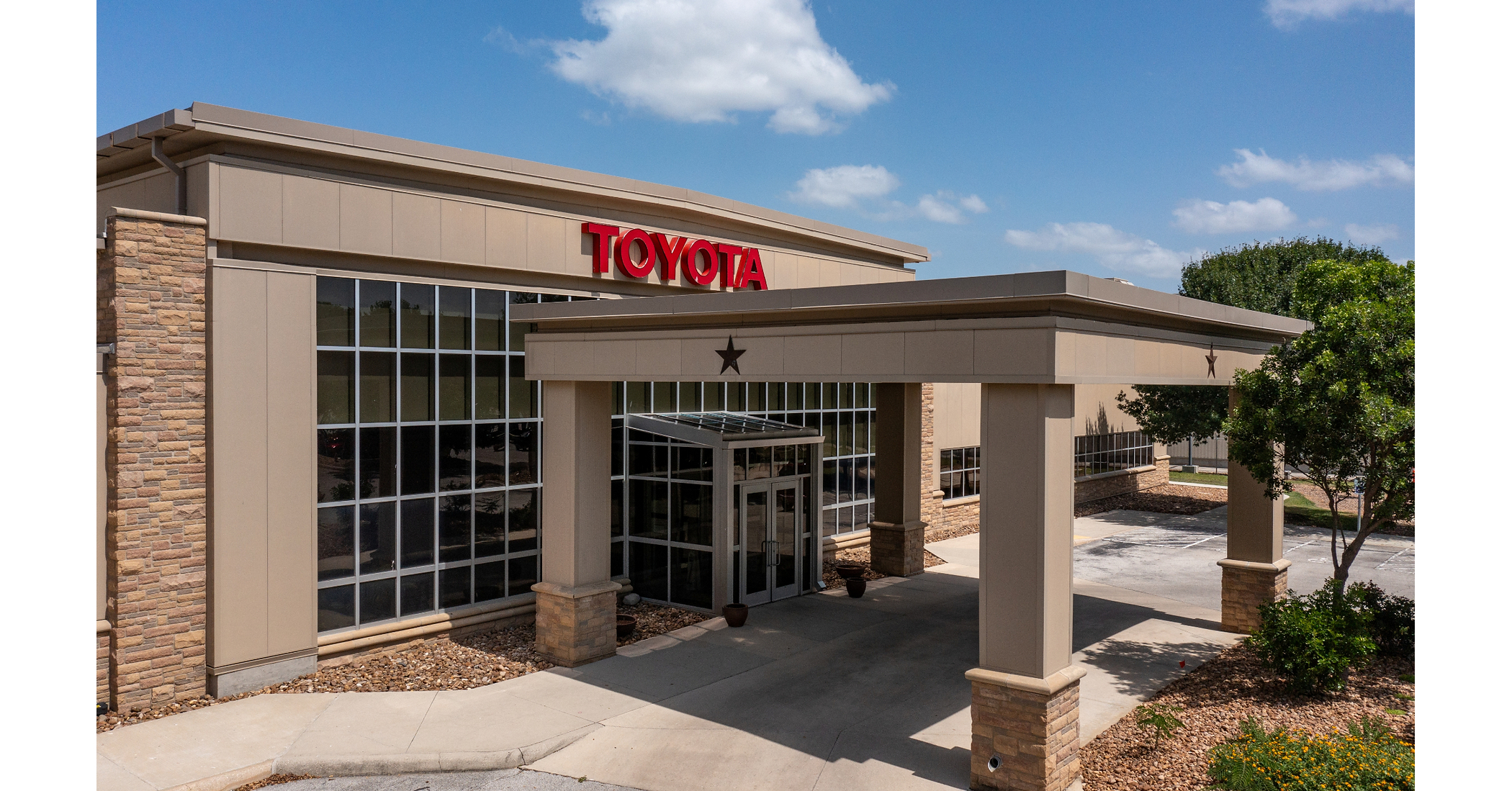
Toyota Invests $3.6 Billion to Expand Texas Manufacturing Facility

- Massive Investment: Toyota announced a $3.6 billion investment to expand its San Antonio manufacturing campus with a new Tacoma assembly line, expected to double the facility's size by 2030 and create 2,000 high-quality jobs, reflecting strong confidence in the North American market.
- Production Transition Plan: The production of Tacoma will shift from Toyota Motor Manufacturing Baja California to the expanded Texas plant over an approximate four-year period, aimed at enhancing production flexibility and meeting increasing market demand.
- Significant Economic Impact: This expansion will bring Toyota's total investment in San Antonio to $8.3 billion, projected to generate over $3.6 billion in economic activity for the local economy, further solidifying Texas's position as a hub for automotive manufacturing.
- Community Support and Collaboration: The expansion is supported by the Texas Enterprise Fund and JETI program, with state and local officials stating that this investment will provide long-term economic opportunities for local families, highlighting Toyota's strong partnership with the community.
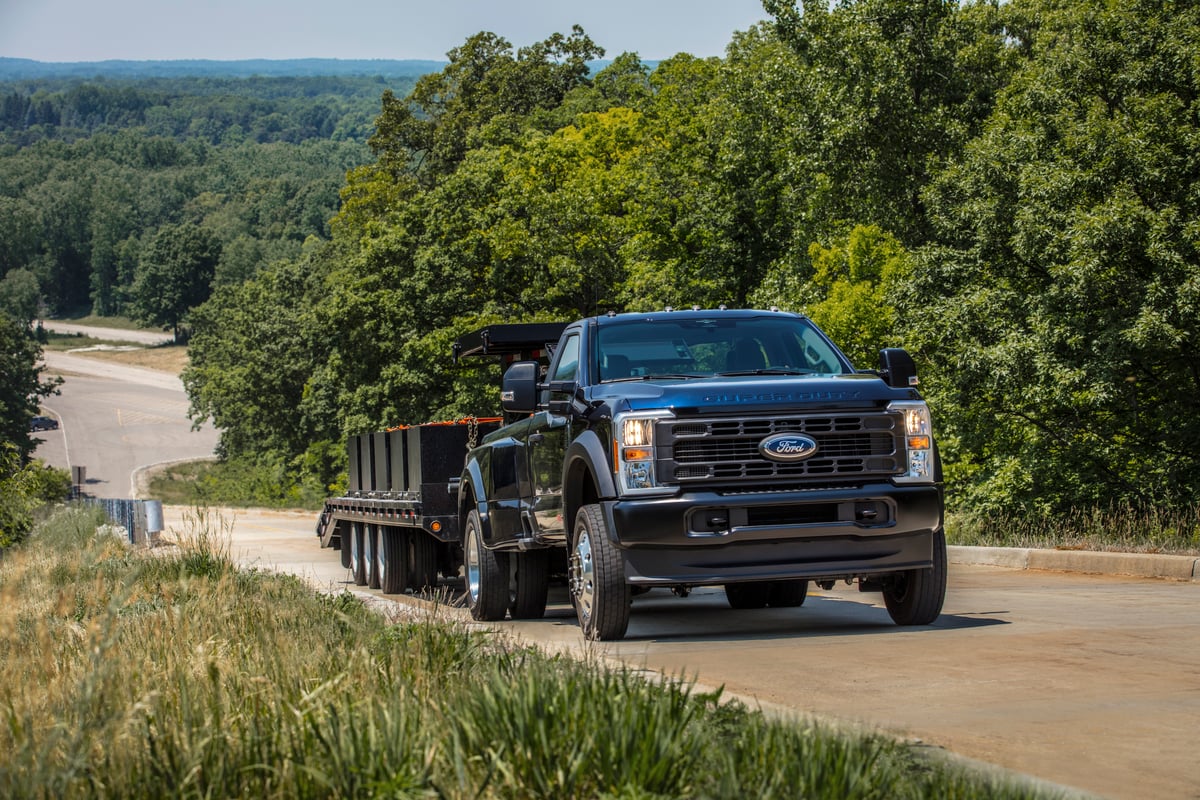
Ford's F-Series Sales Decline Significantly Impacts Business


- Importance of F-Series: Ford's F-Series trucks are estimated to account for one-third of the company's total revenue, with Wall Street estimating that as much as 90% of Ford's net profit comes from this lineup, highlighting its critical impact on Ford's financial health.
- Intensified Sales Competition: In the first half of 2026, Ford's F-150 fell short of Honda's CR-V, which achieved a 19% and 30% sales increase in May and June respectively, totaling 226,114 units, indicating the fierce competition in the market.
- Production Challenges: Two supplier fires last fall severely impacted Ford's aluminum supply, leading to reduced production capacity for the F-150, with expected EBIT losses of $1.5 billion to $2 billion in 2026, forcing management to adjust earnings guidance.
- Response Strategy: Ford plans to offset about $1 billion of the losses by adding production shifts, but despite these challenges, the company must focus on whether it can recover production in the second half of the year to maintain investor confidence and market share.

Ford F-150 Sales Hit by Supply Issues Amid Rising Competition
- Supply Chain Crisis: Ford's F-150 production has been severely impacted by two supplier fires leading to aluminum shortages, with first-half 2026 sales expected to fall short of 210,000 units, significantly lagging behind Honda's CR-V at 226,114 units, highlighting Ford's vulnerability during a traditionally strong selling season.
- Intensifying Market Competition: Honda's CR-V achieved sales increases of 19% and 30% in the first half of 2026, successfully overtaking the Ford F-150, reflecting the pressure on Ford's market share, especially when its core product line is underperforming.
- Significant Financial Impact: Ford anticipates a loss of $1.5 billion to $2 billion in earnings before interest and taxes (EBIT) due to production issues, although it plans to offset about $1 billion of that loss by adding shifts, yet the overall financial outlook remains bleak.
- Long-term Strategic Challenges: The F-150's decline in sales, a model that has rarely lost its leading position over the past 15 years, not only undermines investor confidence but also poses serious challenges to Ford's future market strategy and product planning.

Toyota Motors Sales in China Drop 17% Amid EV Shift
- Sales Decline: Toyota Motors experienced a 17% year-on-year drop in vehicle sales in China during the first half of the year, primarily due to a consumer shift towards electric and other electrified models, indicating the negative impact of high oil prices on traditional vehicle demand.
- Global Sales Trends: In May, Toyota's global sales fell for the fourth consecutive month, decreasing by 7.2% to 834,279 vehicles, with overseas sales down 9.6%, while sales in Japan rose by 11.1% due to demand for models like the RAV4 and bZ4X.
- Challenges in China: Sales in China plummeted by 31.7% in May, partly linked to rising petrol prices, highlighting the tough market conditions, particularly as sales in the Middle East dropped by 38.6%.
- Production Capacity Decline: Global production for Toyota decreased by 5.5% year-on-year, with declines in the United States and Asia offsetting an increase in Japan, indicating the challenges the company faces in adapting to market changes.

Archer Aviation Stock Experiences Significant Pullback

- Stock Pullback: Archer Aviation's stock fell 30.5% in June, contrasting with the S&P 500's 1.1% decline, indicating a significant loss of investor confidence in high-valuation growth stocks, leading to a market cap of approximately $4.1 billion being heavily impacted.
- Macroeconomic Concerns: Investor fears regarding potential interest rate hikes by the Federal Reserve, exacerbated by rising energy prices linked to the Iran conflict, have negatively influenced market expectations for Archer's future performance, contributing to the stock's decline.
- Signs of Market Recovery: In July, Archer's stock rebounded over 9%, contrasting with slight increases in the S&P 500 and Nasdaq, suggesting a renewed optimism in the electric vertical take-off and landing (eVTOL) industry.
- Industry Collaboration Outlook: Joby Aviation's partnership with Toyota is seen as a positive signal for the eVTOL sector, and Archer's similar collaboration with Stellantis may bolster investor confidence in the industry's future profitability, despite ongoing competitive pressures.

Archer Aviation Stock Rebounds Amid eVTOL Industry Optimism
- Stock Recovery: Archer Aviation's stock rebounded over 9% in early July after a significant 30.5% drop in June, indicating a resurgence of market optimism surrounding the electric vertical take-off and landing (eVTOL) industry.
- Market Environment Impact: Despite a market capitalization of approximately $4.1 billion, Archer's stock has declined about 47% over the past year due to investor concerns over potential interest rate hikes by the Federal Reserve, highlighting the vulnerability of high-growth-dependent stocks in rising rate environments.
- Industry Developments: Joby Aviation's joint venture with Toyota is viewed as a positive signal for the eVTOL sector, and while Joby is a major competitor, this partnership could enhance the industry's outlook; Archer's collaboration with Stellantis is similarly seen as a strategic advantage.
- Investor Sentiment: The stock's recovery aligns with broader market improvements and positive news in the electric aviation sector, although the analyst team did not include Archer in their current top investment recommendations, the market remains optimistic about its future potential.
Toyota Invests $3.6 Billion to Expand Texas Manufacturing Facility
- Massive Investment: Toyota announced a $3.6 billion investment to expand its San Antonio manufacturing campus with a new Tacoma assembly line, expected to double the facility's size by 2030 and create 2,000 high-quality jobs, reflecting strong confidence in the North American market.
- Production Transition Plan: The production of Tacoma will shift from Toyota Motor Manufacturing Baja California to the expanded Texas plant over an approximate four-year period, aimed at enhancing production flexibility and meeting increasing market demand.
- Significant Economic Impact: This expansion will bring Toyota's total investment in San Antonio to $8.3 billion, projected to generate over $3.6 billion in economic activity for the local economy, further solidifying Texas's position as a hub for automotive manufacturing.
- Community Support and Collaboration: The expansion is supported by the Texas Enterprise Fund and JETI program, with state and local officials stating that this investment will provide long-term economic opportunities for local families, highlighting Toyota's strong partnership with the community.
Ford's F-Series Sales Decline Significantly Impacts Business
- Importance of F-Series: Ford's F-Series trucks are estimated to account for one-third of the company's total revenue, with Wall Street estimating that as much as 90% of Ford's net profit comes from this lineup, highlighting its critical impact on Ford's financial health.
- Intensified Sales Competition: In the first half of 2026, Ford's F-150 fell short of Honda's CR-V, which achieved a 19% and 30% sales increase in May and June respectively, totaling 226,114 units, indicating the fierce competition in the market.
- Production Challenges: Two supplier fires last fall severely impacted Ford's aluminum supply, leading to reduced production capacity for the F-150, with expected EBIT losses of $1.5 billion to $2 billion in 2026, forcing management to adjust earnings guidance.
- Response Strategy: Ford plans to offset about $1 billion of the losses by adding production shifts, but despite these challenges, the company must focus on whether it can recover production in the second half of the year to maintain investor confidence and market share.
Ford F-150 Sales Hit by Supply Issues Amid Rising Competition
- Supply Chain Crisis: Ford's F-150 production has been severely impacted by two supplier fires leading to aluminum shortages, with first-half 2026 sales expected to fall short of 210,000 units, significantly lagging behind Honda's CR-V at 226,114 units, highlighting Ford's vulnerability during a traditionally strong selling season.
- Intensifying Market Competition: Honda's CR-V achieved sales increases of 19% and 30% in the first half of 2026, successfully overtaking the Ford F-150, reflecting the pressure on Ford's market share, especially when its core product line is underperforming.
- Significant Financial Impact: Ford anticipates a loss of $1.5 billion to $2 billion in earnings before interest and taxes (EBIT) due to production issues, although it plans to offset about $1 billion of that loss by adding shifts, yet the overall financial outlook remains bleak.
- Long-term Strategic Challenges: The F-150's decline in sales, a model that has rarely lost its leading position over the past 15 years, not only undermines investor confidence but also poses serious challenges to Ford's future market strategy and product planning.
Toyota Motors Sales in China Drop 17% Amid EV Shift
- Sales Decline: Toyota Motors experienced a 17% year-on-year drop in vehicle sales in China during the first half of the year, primarily due to a consumer shift towards electric and other electrified models, indicating the negative impact of high oil prices on traditional vehicle demand.
- Global Sales Trends: In May, Toyota's global sales fell for the fourth consecutive month, decreasing by 7.2% to 834,279 vehicles, with overseas sales down 9.6%, while sales in Japan rose by 11.1% due to demand for models like the RAV4 and bZ4X.
- Challenges in China: Sales in China plummeted by 31.7% in May, partly linked to rising petrol prices, highlighting the tough market conditions, particularly as sales in the Middle East dropped by 38.6%.
- Production Capacity Decline: Global production for Toyota decreased by 5.5% year-on-year, with declines in the United States and Asia offsetting an increase in Japan, indicating the challenges the company faces in adapting to market changes.
Archer Aviation Stock Experiences Significant Pullback
- Stock Pullback: Archer Aviation's stock fell 30.5% in June, contrasting with the S&P 500's 1.1% decline, indicating a significant loss of investor confidence in high-valuation growth stocks, leading to a market cap of approximately $4.1 billion being heavily impacted.
- Macroeconomic Concerns: Investor fears regarding potential interest rate hikes by the Federal Reserve, exacerbated by rising energy prices linked to the Iran conflict, have negatively influenced market expectations for Archer's future performance, contributing to the stock's decline.
- Signs of Market Recovery: In July, Archer's stock rebounded over 9%, contrasting with slight increases in the S&P 500 and Nasdaq, suggesting a renewed optimism in the electric vertical take-off and landing (eVTOL) industry.
- Industry Collaboration Outlook: Joby Aviation's partnership with Toyota is seen as a positive signal for the eVTOL sector, and Archer's similar collaboration with Stellantis may bolster investor confidence in the industry's future profitability, despite ongoing competitive pressures.
Archer Aviation Stock Rebounds Amid eVTOL Industry Optimism
- Stock Recovery: Archer Aviation's stock rebounded over 9% in early July after a significant 30.5% drop in June, indicating a resurgence of market optimism surrounding the electric vertical take-off and landing (eVTOL) industry.
- Market Environment Impact: Despite a market capitalization of approximately $4.1 billion, Archer's stock has declined about 47% over the past year due to investor concerns over potential interest rate hikes by the Federal Reserve, highlighting the vulnerability of high-growth-dependent stocks in rising rate environments.
- Industry Developments: Joby Aviation's joint venture with Toyota is viewed as a positive signal for the eVTOL sector, and while Joby is a major competitor, this partnership could enhance the industry's outlook; Archer's collaboration with Stellantis is similarly seen as a strategic advantage.
- Investor Sentiment: The stock's recovery aligns with broader market improvements and positive news in the electric aviation sector, although the analyst team did not include Archer in their current top investment recommendations, the market remains optimistic about its future potential.