Trulieve Lists on NYSE, Competes with Tilray
Written by Emily J. Thompson, Senior Investment Analyst
Updated: Jun 12 2026
0mins

Source: NASDAQ.COM
- Listing Achievement: Trulieve began trading on the NYSE on June 10, becoming the first U.S. cannabis company to list on a major exchange, marking a significant milestone for the U.S. cannabis industry and potentially attracting more investor interest.
- Financial Performance Comparison: Trulieve reported $100 million in adjusted EBITDA for Q1, while Tilray expects EBITDA between $62 million and $72 million this year, highlighting Trulieve's clear advantage in profitability.
- Market Competition Landscape: With 240 dispensaries, Trulieve's operational model allows it to capture the entire retail markup, whereas Tilray, primarily a wholesale manufacturer, faces greater pricing pressure, resulting in significantly lower profit margins compared to Trulieve.
- Tax Policy Impact: The U.S. reclassification of medical marijuana to Schedule III alleviates Trulieve's 280E tax burden, which is expected to yield substantial financial benefits, further solidifying its leadership position in the market.
Trade with 70% Backtested Accuracy
Stop guessing "Should I Buy TLRY?" and start using high-conviction signals backed by rigorous historical data.
Sign up today to access powerful investing tools and make smarter, data-driven decisions.
Analyst Views on TLRY
Wall Street analysts forecast TLRY stock price to rise
4 Analyst Rating
1 Buy
3 Hold
0 Sell
Hold
Current: 4.380

Low
8.50
Averages
9.57
High
10.00
Current: 4.380
Low
8.50
Averages
9.57
High
10.00
About TLRY
Tilray Brands, Inc. is a lifestyle consumer products company, which focuses on providing research-backed medical cannabis products to physicians, pharmacies, and patients around the world. The Company operates in four segments, which include cannabis operations, which encompasses the production, distribution, sale, co-manufacturing, and advisory services of both medical and adult-use cannabis. Beverage operations, which encompasses the production, marketing, and sale of beverage products. Distribution operations, which encompasses the purchase and resale of pharmaceutical products to customers, and Wellness products, which encompasses wellness and better-for-you foods and beverages. It offers a portfolio of brands and products across medical and adult-use cannabis, craft beer, spirits, beverages, and hemp foods. It also owns digital healthcare and patient engagement platform, focused on medical cannabis education, physician consultations, and patient support services.
About the author

Emily J. Thompson
Emily J. Thompson, a Chartered Financial Analyst (CFA) with 12 years in investment research, graduated with honors from the Wharton School. Specializing in industrial and technology stocks, she provides in-depth analysis for Intellectia’s earnings and market brief reports.

Tilray Brands Faces Profitability Challenges Amid Growth

- Acquisition-Driven Growth: Tilray has expanded its business primarily through acquisitions, particularly in the alcohol sector, but this strategy does not guarantee success as it requires eliminating inefficiencies and unnecessary expenses to achieve profitability.
- Weak Financial Performance: For the nine-month period ending February 28, Tilray reported a modest 6% year-over-year increase in net revenue to $633.7 million, yet its gross profit declined by 2%, indicating worsening margins, alongside an operating loss of $46.6 million.
- Long-Term Stock Decline: Over the past five years, Tilray's stock has plummeted by 97%, and despite investor hopes for a rebound, ongoing financial issues have led to significant losses and disappointment.
- Lack of Market Confidence: Although Tilray's stock may appear cheap, the absence of profitability and growth prospects warrants caution from investors, as the analyst team has not included it in the current list of best stocks to invest in, reflecting a lack of confidence in its future.
See More

Tilray Brands Stock Drops 19% Amid Acquisition and Analyst Downgrade
- Significant Stock Decline: Tilray's stock plummeted nearly 19% in June following the announcement of a new acquisition and an analyst downgrade, indicating investor concerns about the company's future prospects.
- New Share Issuance: In June, Tilray issued approximately 1.2 million and 2.6 million new shares, respectively, which, while reducing about $18 million in debt through a debt-for-equity swap, still raises investor anxiety due to frequent equity dilution.
- Analyst Rating Downgrade: Bernstein analyst Nadine Sarwat lowered Tilray's price target from $10 to $6.50 while maintaining a “market perform” rating, reflecting a cautious outlook on the company's future performance.
- Acquisition of New Asset: Tilray acquired HelloMD, a telehealth and patient engagement company focused on medical cannabis, aiming to enhance its direct-to-patient capabilities and advance its global medical cannabis growth strategy, although financial terms were not disclosed.
See More

Tilray Brands Faces Profitability Challenges
- Weak Revenue Growth: For the nine-month period ending February 28, Tilray's net revenue increased by 6% year-over-year to $633.7 million, yet its gross profit declined by 2% due to worsening margins, indicating profitability challenges amid expansion efforts.
- Increased Operating Loss: The company reported an operating loss of $46.6 million during this period, and despite growth through acquisitions, it has struggled to eliminate inefficiencies and unnecessary expenses, negatively impacting its bottom line.
- Stock Price Decline: Tilray's stock has dropped over 50% this year and has plummeted 97% over the past five years, reflecting a significant lack of investor confidence in its future growth prospects and ongoing financial troubles.
- Acquisition Strategy Under Scrutiny: While Tilray has expanded its alcohol segment through acquisitions, analysts argue that merely acquiring more companies won't resolve its fundamental issues; instead, the company may need to streamline operations to achieve genuine growth, and the current low price does not necessarily indicate a good buying opportunity.
See More

Tilray Brands Acquisition and Analyst Price Target Cut
- Stock Decline: Tilray Brands' stock fell nearly 19% in June due to the announcement of an acquisition and a price target cut by analysts, reflecting investor concerns about the company's future prospects.
- New Share Issuance: The company issued new shares twice in June, minting approximately 1.2 million shares initially and over 2.6 million shares later, which, although not aimed at raising capital, still increased the number of shares in circulation, potentially heightening investor dilution fears.
- Debt Swap: Tilray executed a debt-for-equity swap that reduced approximately $18 million in debt, improving its balance sheet, although it still had $284 million in long-term borrowings as of February, indicating ongoing financial challenges.
- Acquisition of New Business: Tilray acquired HelloMD, a telehealth and patient engagement company focused on medical cannabis, aiming to enhance its direct-to-patient capabilities and advance its global medical cannabis growth strategy, although financial terms were not disclosed.
See More
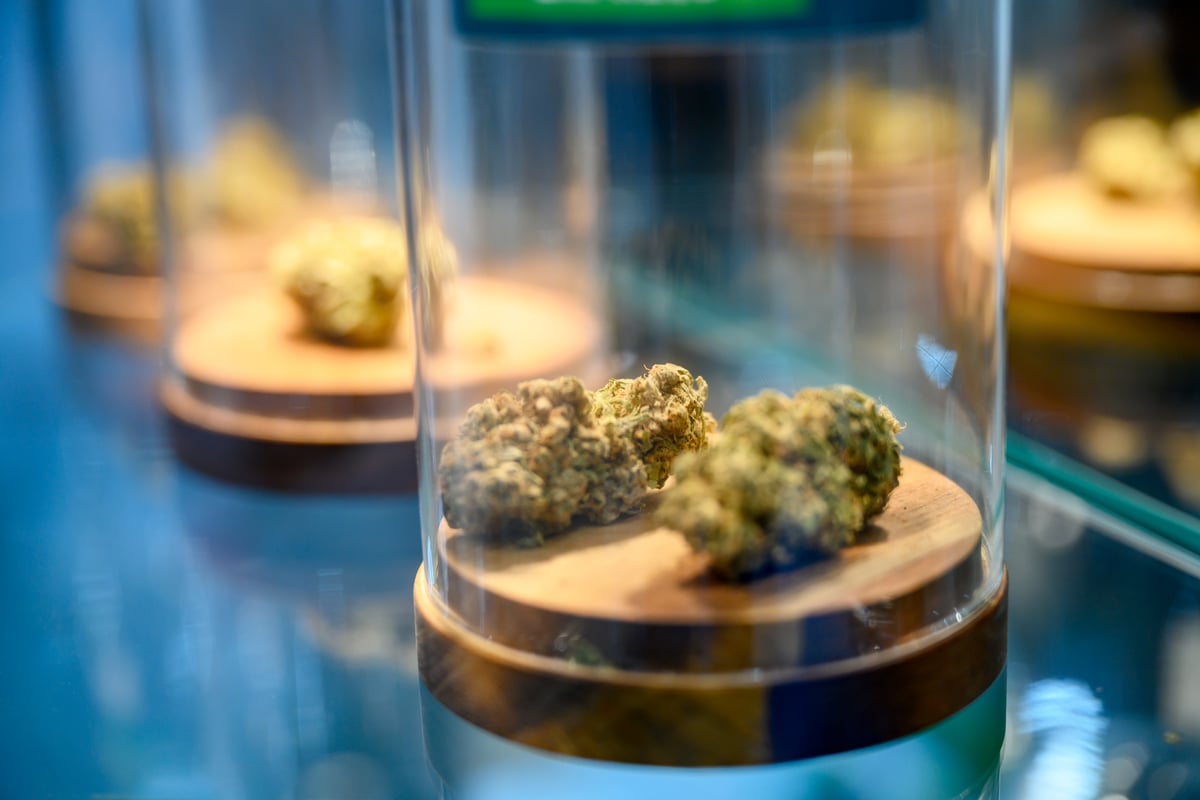
DEA Hearing May Propel Cannabis Policy Change
- Significance of Policy Review: The DEA will conclude its public hearing on July 15 regarding the proposal to reschedule cannabis from Schedule I to Schedule III, marking the most significant federal review of cannabis policy in over 50 years, although it does not guarantee legalization or rescheduling.
- Market Impact Analysis: Should cannabis be successfully moved to Schedule III, U.S. operators are likely to be the biggest beneficiaries as it would eliminate the punitive tax treatment under IRS Section 280E, while Tilray, which does not operate U.S. plant-touching businesses, would not receive the same direct financial benefits.
- Strong Financial Position: Tilray generated approximately $630 million in revenue during the first nine months of fiscal 2026 and ended its most recent quarter with around $265 million in cash and marketable securities, providing it with significantly more financial flexibility compared to many competitors.
- Long-Term Investment Outlook: While the outcome of the July 15 hearing may not directly benefit Tilray, the potential for ongoing cannabis reform could position Tilray as one of the stronger long-term investment choices in the industry, thanks to its diversified business model and international presence.
See More

Analysis of Tilray Brands' Long-Term Value
- Policy Review Impact: The DEA will conclude its public hearing on July 15 regarding the potential rescheduling of cannabis from Schedule I to Schedule III, which, while not legalizing marijuana immediately, represents the most significant federal review of cannabis policy in over 50 years and could influence investor sentiment.
- Enhanced Financial Flexibility: Tilray generated approximately $630 million in revenue during the first nine months of fiscal 2026 and ended its most recent quarter with around $265 million in cash and marketable securities, showcasing significantly greater financial flexibility compared to many competitors.
- International Business Expansion: Over recent years, Tilray has actively expanded its international medical cannabis business while diversifying into craft beer, spirits, and wellness products, thereby enhancing its competitive position in the global market, despite not directly participating in the U.S. market.
- Long-Term Investment Potential: Although the July 15 hearing won't yield immediate gains, if federal policy progresses favorably, Tilray remains one of the stronger long-term investment options in the industry due to its diversified business model and healthy balance sheet.
See More
Tilray Brands Faces Profitability Challenges Amid Growth
- Acquisition-Driven Growth: Tilray has expanded its business primarily through acquisitions, particularly in the alcohol sector, but this strategy does not guarantee success as it requires eliminating inefficiencies and unnecessary expenses to achieve profitability.
- Weak Financial Performance: For the nine-month period ending February 28, Tilray reported a modest 6% year-over-year increase in net revenue to $633.7 million, yet its gross profit declined by 2%, indicating worsening margins, alongside an operating loss of $46.6 million.
- Long-Term Stock Decline: Over the past five years, Tilray's stock has plummeted by 97%, and despite investor hopes for a rebound, ongoing financial issues have led to significant losses and disappointment.
- Lack of Market Confidence: Although Tilray's stock may appear cheap, the absence of profitability and growth prospects warrants caution from investors, as the analyst team has not included it in the current list of best stocks to invest in, reflecting a lack of confidence in its future.
See More
Tilray Brands Stock Drops 19% Amid Acquisition and Analyst Downgrade
- Significant Stock Decline: Tilray's stock plummeted nearly 19% in June following the announcement of a new acquisition and an analyst downgrade, indicating investor concerns about the company's future prospects.
- New Share Issuance: In June, Tilray issued approximately 1.2 million and 2.6 million new shares, respectively, which, while reducing about $18 million in debt through a debt-for-equity swap, still raises investor anxiety due to frequent equity dilution.
- Analyst Rating Downgrade: Bernstein analyst Nadine Sarwat lowered Tilray's price target from $10 to $6.50 while maintaining a “market perform” rating, reflecting a cautious outlook on the company's future performance.
- Acquisition of New Asset: Tilray acquired HelloMD, a telehealth and patient engagement company focused on medical cannabis, aiming to enhance its direct-to-patient capabilities and advance its global medical cannabis growth strategy, although financial terms were not disclosed.
See More
Tilray Brands Faces Profitability Challenges
- Weak Revenue Growth: For the nine-month period ending February 28, Tilray's net revenue increased by 6% year-over-year to $633.7 million, yet its gross profit declined by 2% due to worsening margins, indicating profitability challenges amid expansion efforts.
- Increased Operating Loss: The company reported an operating loss of $46.6 million during this period, and despite growth through acquisitions, it has struggled to eliminate inefficiencies and unnecessary expenses, negatively impacting its bottom line.
- Stock Price Decline: Tilray's stock has dropped over 50% this year and has plummeted 97% over the past five years, reflecting a significant lack of investor confidence in its future growth prospects and ongoing financial troubles.
- Acquisition Strategy Under Scrutiny: While Tilray has expanded its alcohol segment through acquisitions, analysts argue that merely acquiring more companies won't resolve its fundamental issues; instead, the company may need to streamline operations to achieve genuine growth, and the current low price does not necessarily indicate a good buying opportunity.
See More
Tilray Brands Acquisition and Analyst Price Target Cut
- Stock Decline: Tilray Brands' stock fell nearly 19% in June due to the announcement of an acquisition and a price target cut by analysts, reflecting investor concerns about the company's future prospects.
- New Share Issuance: The company issued new shares twice in June, minting approximately 1.2 million shares initially and over 2.6 million shares later, which, although not aimed at raising capital, still increased the number of shares in circulation, potentially heightening investor dilution fears.
- Debt Swap: Tilray executed a debt-for-equity swap that reduced approximately $18 million in debt, improving its balance sheet, although it still had $284 million in long-term borrowings as of February, indicating ongoing financial challenges.
- Acquisition of New Business: Tilray acquired HelloMD, a telehealth and patient engagement company focused on medical cannabis, aiming to enhance its direct-to-patient capabilities and advance its global medical cannabis growth strategy, although financial terms were not disclosed.
See More
DEA Hearing May Propel Cannabis Policy Change
- Significance of Policy Review: The DEA will conclude its public hearing on July 15 regarding the proposal to reschedule cannabis from Schedule I to Schedule III, marking the most significant federal review of cannabis policy in over 50 years, although it does not guarantee legalization or rescheduling.
- Market Impact Analysis: Should cannabis be successfully moved to Schedule III, U.S. operators are likely to be the biggest beneficiaries as it would eliminate the punitive tax treatment under IRS Section 280E, while Tilray, which does not operate U.S. plant-touching businesses, would not receive the same direct financial benefits.
- Strong Financial Position: Tilray generated approximately $630 million in revenue during the first nine months of fiscal 2026 and ended its most recent quarter with around $265 million in cash and marketable securities, providing it with significantly more financial flexibility compared to many competitors.
- Long-Term Investment Outlook: While the outcome of the July 15 hearing may not directly benefit Tilray, the potential for ongoing cannabis reform could position Tilray as one of the stronger long-term investment choices in the industry, thanks to its diversified business model and international presence.
See More
Analysis of Tilray Brands' Long-Term Value
- Policy Review Impact: The DEA will conclude its public hearing on July 15 regarding the potential rescheduling of cannabis from Schedule I to Schedule III, which, while not legalizing marijuana immediately, represents the most significant federal review of cannabis policy in over 50 years and could influence investor sentiment.
- Enhanced Financial Flexibility: Tilray generated approximately $630 million in revenue during the first nine months of fiscal 2026 and ended its most recent quarter with around $265 million in cash and marketable securities, showcasing significantly greater financial flexibility compared to many competitors.
- International Business Expansion: Over recent years, Tilray has actively expanded its international medical cannabis business while diversifying into craft beer, spirits, and wellness products, thereby enhancing its competitive position in the global market, despite not directly participating in the U.S. market.
- Long-Term Investment Potential: Although the July 15 hearing won't yield immediate gains, if federal policy progresses favorably, Tilray remains one of the stronger long-term investment options in the industry due to its diversified business model and healthy balance sheet.
See More