Applied Materials Stock Drops Nearly 10% Amid Market Trends
Applied Materials (AMAT) closed at $650.91, marking a 9.97% decline from the previous day, significantly underperforming the S&P 500's 0.22% loss, indicating market concerns about its future performance.
The stock's decline is attributed to sector rotation, as the Computer and Technology sector experienced a 2.58% loss, despite AMAT's impressive 47.54% increase over the past month. Additionally, the company is set to release its earnings report on August 13, 2026, with an anticipated EPS of $3.35, showcasing strong profitability and market demand, which has not been enough to counteract the overall market trends.
This significant drop raises questions about investor confidence in Applied Materials, especially in light of the upcoming earnings report. The market's reaction suggests that while there is optimism regarding future profitability, current market conditions are heavily influencing stock performance.
Trade with 70% Backtested Accuracy
Analyst Views on AMAT

About AMAT
About the author


US Stocks Close Lower as Chipmakers Weigh on Market


- Market Decline: On Tuesday, the S&P 500 index fell by 0.45%, the Dow Jones Industrial Average dropped by 0.25%, and the Nasdaq 100 index decreased by 1.77%, indicating a broader market decline under pressure from a selloff in chipmakers, reflecting investor concerns over high valuations.
- Samsung's Earnings Disappointment: Despite Samsung Electronics reporting a 19-fold profit surge, its stock plummeted over 8% in South Korea, suggesting market skepticism regarding the future profitability of the semiconductor sector, which could impact investor confidence in related companies.
- Geopolitical Risks Heightened: Crude oil prices surged to a 1.5-week high due to attacks on shipping in the Strait of Hormuz, raising inflation expectations and pushing bond yields higher, with the 10-year T-note yield reaching a 3.5-week high of 4.54%, adding uncertainty to the market.
- Strength in Software Stocks: Despite the overall market pressure, strong performance in software stocks indicates a rotation of funds into other sectors, with companies like Workday seeing stock price increases of over 4%, providing some support for the market.

US Stocks Decline as Chipmakers Struggle
- Market Decline: The S&P 500 index fell by 0.67%, the Dow Jones Industrial Average by 0.38%, and the Nasdaq 100 by 2.14%, indicating a bearish market sentiment, particularly driven by a selloff in chipmakers.
- Samsung's Earnings Disappointment: Despite a staggering 19-fold profit increase, Samsung Electronics' stock dropped over 8% in South Korea, reflecting investor concerns over high valuations in the semiconductor sector, which could undermine overall market confidence.
- Rising Oil Prices: Following attacks in the Strait of Hormuz, WTI crude oil prices surged over 2%, raising inflation expectations and pushing bond yields higher, with the 10-year T-note yield reaching a 3.5-week high of 4.52%.
- Widening Trade Deficit: The US trade deficit for May expanded to $77.6 billion, the largest in 14 months, which may negatively impact Q2 GDP, adding to market uncertainties.
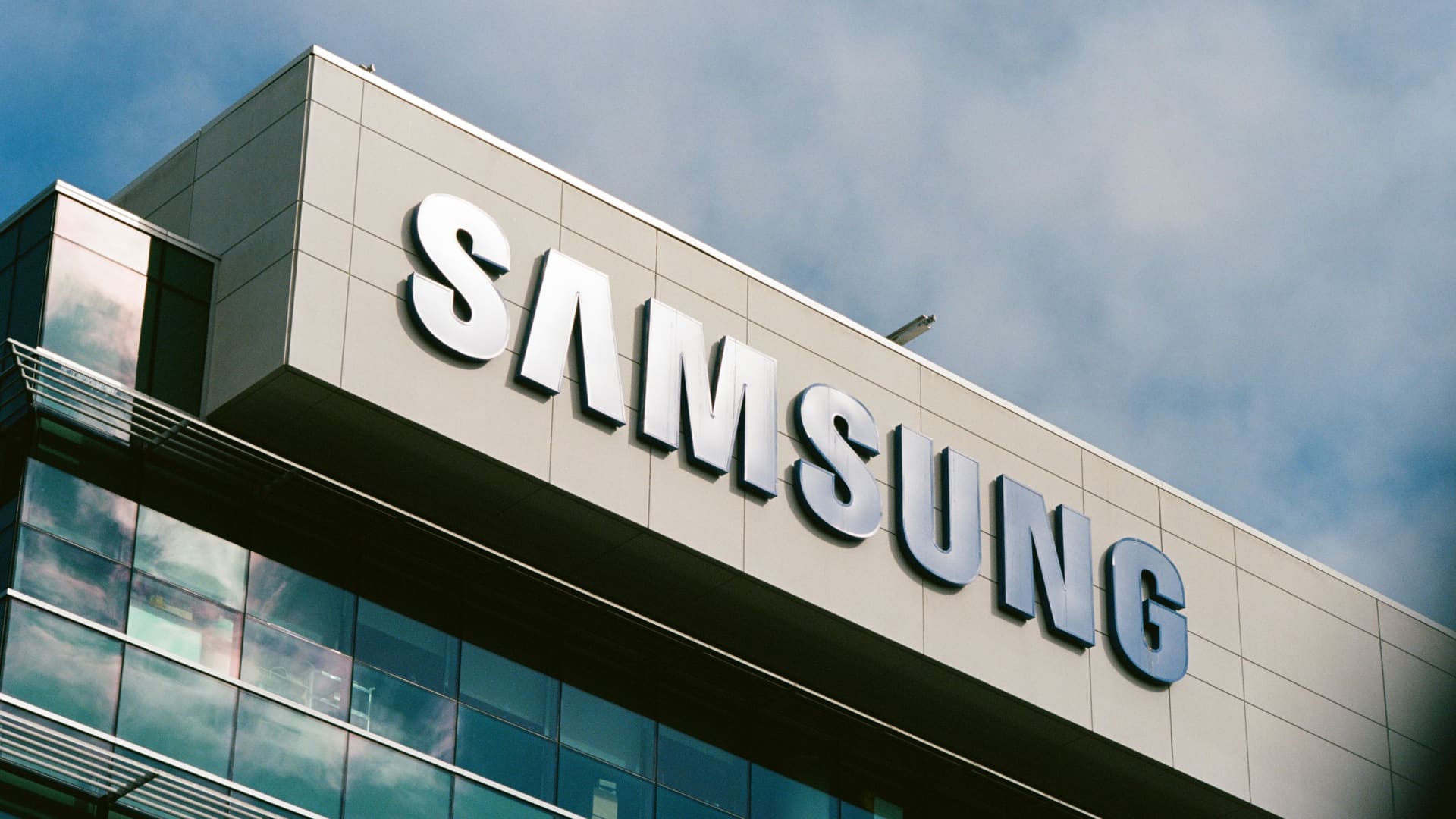
Samsung's Earnings Beat Expectations but Shares Plummet

- Earnings Surprise: Samsung Electronics reported quarterly profits exceeding both Nvidia and Apple, with an expected operating profit surge of 1,800%, yet failed to meet Wall Street's high expectations for AI demand, resulting in an 8% drop in share price.
- Market Reaction: Despite strong earnings, investor concerns over AI spending led to a 5% decline in the KOSPI index, impacting other semiconductor stocks like SK Hynix and Micron Technology, which also saw significant sell-offs.
- Memory Chip Price Surge: The ongoing artificial demand has driven memory chip prices up, resulting in stock price increases of 220% for Micron and 570% for Sandisk this year, but investors are worried that such growth may not be sustainable, potentially affecting future profitability.
- Uncertain Industry Outlook: As Chinese AI startup Deepseek develops its own chips to circumvent U.S. export bans, market concerns about reliance on Nvidia for future growth have intensified, further heightening investor anxiety.

Semiconductor Stocks Drop as Investors Disappointed

- Samsung's Results Fail to Boost Market: Despite Samsung Electronics reporting quarterly profits exceeding those of Nvidia and Apple, its shares fell 8%, indicating that investors have set excessively high expectations for AI demand, reflecting market sensitivity to earnings and concerns about future growth.
- Broad Market Reaction: The South Korean KOSPI index dropped about 5%, mirroring Samsung's stock decline, while SK Hynix's shares fell approximately 7% ahead of its upcoming listing, showcasing investor caution regarding the semiconductor industry's outlook.
- Surge in Memory Chip Prices: Memory chips have seen significant price increases due to supply constraints, with Micron and Sandisk shares rising over 220% and 570%, respectively, this year; however, investors are worried that AI spending may not keep pace with soaring memory prices, leading to a pessimistic market sentiment.
- Challenges from Chinese Startups: Chinese AI startup Deepseek is reportedly developing its own chip to bypass U.S. export bans, heightening concerns about reliance on Nvidia and potentially impacting future investment decisions and industry dynamics.

Mixed US Stock Performance, Chipmakers Under Pressure

- Divergent Market Performance: The S&P 500 Index is down 0.19% while the Dow Jones Industrial Average is up 0.04%, indicating a mixed market performance, particularly under pressure from chipmakers, which could affect investor confidence.
- Samsung's Earnings Miss Expectations: Despite a 19-fold surge in profits, Samsung Electronics' stock fell over 8% in South Korea, reflecting market concerns over high valuations in the semiconductor sector, potentially prompting investors to reassess their holdings in related stocks.
- Rising Crude Oil Prices: WTI crude oil prices increased by over 1% following attacks on shipping in the Strait of Hormuz, which not only raised inflation expectations but also pushed the 10-year T-note yield to a two-week high of 4.51%, potentially exerting further pressure on the stock market.
- Widening Trade Deficit: The US trade deficit widened to $77.6 billion in May, the largest in 14 months, which could negatively impact Q2 GDP, further exacerbating market uncertainties.

IBM's Price Target Increase Drives Stock Surge


- IBM Price Target Increase: Bank of America raised IBM's price target from $315 to $330, anticipating a modest increase in the company's F26 guidance, which propelled the stock up over 3%, reflecting market optimism about IBM's future performance.
- O'Reilly Acquisition Moves: O'Reilly Automotive's shares fell more than 7% as it plans a cash bid for Genuine Parts' auto parts business, although D.A. Davidson reiterated a buy rating with a $114 price target, indicating cautious market sentiment regarding the potential benefits of the deal.
- Semiconductor Stocks Surge: Goldman Sachs lifted its 12-month price targets for Teradyne and AMD to $465 and $640 respectively, leading to stock increases of 4% and nearly 8%, highlighting strong demand and growth expectations in the semiconductor sector.
- Micron and Ford Partnership: Micron Technology's stock rose nearly 3% after announcing a long-term agreement with Ford to supply memory and storage platforms for next-gen vehicles, showcasing strategic collaboration potential in the electric vehicle market.
US Stocks Close Lower as Chipmakers Weigh on Market
- Market Decline: On Tuesday, the S&P 500 index fell by 0.45%, the Dow Jones Industrial Average dropped by 0.25%, and the Nasdaq 100 index decreased by 1.77%, indicating a broader market decline under pressure from a selloff in chipmakers, reflecting investor concerns over high valuations.
- Samsung's Earnings Disappointment: Despite Samsung Electronics reporting a 19-fold profit surge, its stock plummeted over 8% in South Korea, suggesting market skepticism regarding the future profitability of the semiconductor sector, which could impact investor confidence in related companies.
- Geopolitical Risks Heightened: Crude oil prices surged to a 1.5-week high due to attacks on shipping in the Strait of Hormuz, raising inflation expectations and pushing bond yields higher, with the 10-year T-note yield reaching a 3.5-week high of 4.54%, adding uncertainty to the market.
- Strength in Software Stocks: Despite the overall market pressure, strong performance in software stocks indicates a rotation of funds into other sectors, with companies like Workday seeing stock price increases of over 4%, providing some support for the market.
US Stocks Decline as Chipmakers Struggle
- Market Decline: The S&P 500 index fell by 0.67%, the Dow Jones Industrial Average by 0.38%, and the Nasdaq 100 by 2.14%, indicating a bearish market sentiment, particularly driven by a selloff in chipmakers.
- Samsung's Earnings Disappointment: Despite a staggering 19-fold profit increase, Samsung Electronics' stock dropped over 8% in South Korea, reflecting investor concerns over high valuations in the semiconductor sector, which could undermine overall market confidence.
- Rising Oil Prices: Following attacks in the Strait of Hormuz, WTI crude oil prices surged over 2%, raising inflation expectations and pushing bond yields higher, with the 10-year T-note yield reaching a 3.5-week high of 4.52%.
- Widening Trade Deficit: The US trade deficit for May expanded to $77.6 billion, the largest in 14 months, which may negatively impact Q2 GDP, adding to market uncertainties.
Samsung's Earnings Beat Expectations but Shares Plummet
- Earnings Surprise: Samsung Electronics reported quarterly profits exceeding both Nvidia and Apple, with an expected operating profit surge of 1,800%, yet failed to meet Wall Street's high expectations for AI demand, resulting in an 8% drop in share price.
- Market Reaction: Despite strong earnings, investor concerns over AI spending led to a 5% decline in the KOSPI index, impacting other semiconductor stocks like SK Hynix and Micron Technology, which also saw significant sell-offs.
- Memory Chip Price Surge: The ongoing artificial demand has driven memory chip prices up, resulting in stock price increases of 220% for Micron and 570% for Sandisk this year, but investors are worried that such growth may not be sustainable, potentially affecting future profitability.
- Uncertain Industry Outlook: As Chinese AI startup Deepseek develops its own chips to circumvent U.S. export bans, market concerns about reliance on Nvidia for future growth have intensified, further heightening investor anxiety.
Semiconductor Stocks Drop as Investors Disappointed
- Samsung's Results Fail to Boost Market: Despite Samsung Electronics reporting quarterly profits exceeding those of Nvidia and Apple, its shares fell 8%, indicating that investors have set excessively high expectations for AI demand, reflecting market sensitivity to earnings and concerns about future growth.
- Broad Market Reaction: The South Korean KOSPI index dropped about 5%, mirroring Samsung's stock decline, while SK Hynix's shares fell approximately 7% ahead of its upcoming listing, showcasing investor caution regarding the semiconductor industry's outlook.
- Surge in Memory Chip Prices: Memory chips have seen significant price increases due to supply constraints, with Micron and Sandisk shares rising over 220% and 570%, respectively, this year; however, investors are worried that AI spending may not keep pace with soaring memory prices, leading to a pessimistic market sentiment.
- Challenges from Chinese Startups: Chinese AI startup Deepseek is reportedly developing its own chip to bypass U.S. export bans, heightening concerns about reliance on Nvidia and potentially impacting future investment decisions and industry dynamics.
Mixed US Stock Performance, Chipmakers Under Pressure
- Divergent Market Performance: The S&P 500 Index is down 0.19% while the Dow Jones Industrial Average is up 0.04%, indicating a mixed market performance, particularly under pressure from chipmakers, which could affect investor confidence.
- Samsung's Earnings Miss Expectations: Despite a 19-fold surge in profits, Samsung Electronics' stock fell over 8% in South Korea, reflecting market concerns over high valuations in the semiconductor sector, potentially prompting investors to reassess their holdings in related stocks.
- Rising Crude Oil Prices: WTI crude oil prices increased by over 1% following attacks on shipping in the Strait of Hormuz, which not only raised inflation expectations but also pushed the 10-year T-note yield to a two-week high of 4.51%, potentially exerting further pressure on the stock market.
- Widening Trade Deficit: The US trade deficit widened to $77.6 billion in May, the largest in 14 months, which could negatively impact Q2 GDP, further exacerbating market uncertainties.
IBM's Price Target Increase Drives Stock Surge
- IBM Price Target Increase: Bank of America raised IBM's price target from $315 to $330, anticipating a modest increase in the company's F26 guidance, which propelled the stock up over 3%, reflecting market optimism about IBM's future performance.
- O'Reilly Acquisition Moves: O'Reilly Automotive's shares fell more than 7% as it plans a cash bid for Genuine Parts' auto parts business, although D.A. Davidson reiterated a buy rating with a $114 price target, indicating cautious market sentiment regarding the potential benefits of the deal.
- Semiconductor Stocks Surge: Goldman Sachs lifted its 12-month price targets for Teradyne and AMD to $465 and $640 respectively, leading to stock increases of 4% and nearly 8%, highlighting strong demand and growth expectations in the semiconductor sector.
- Micron and Ford Partnership: Micron Technology's stock rose nearly 3% after announcing a long-term agreement with Ford to supply memory and storage platforms for next-gen vehicles, showcasing strategic collaboration potential in the electric vehicle market.