

Best Buy Forecasts Strong Q2 Sales Amid Leadership Change
Best Buy Co Inc's stock rose by 8.46% in pre-market trading, reaching a 20-day high, as the company announced an optimistic sales outlook for the second quarter.
The positive forecast is driven by steady demand for laptops and smartphones, alongside growth in advertising and marketplace channels. Additionally, the leadership transition with CEO Corie Barry stepping down and Jason Bonfig taking over is expected to enhance profitability through a focus on higher-margin businesses. Best Buy's comparable sales rose 2% in the last quarter, surpassing analysts' expectations, indicating resilience in a competitive retail environment.
This leadership change and strong sales outlook reflect Best Buy's commitment to adapting to market demands and improving its operational efficiency, positioning the company favorably for future growth.
Trade with 70% Backtested Accuracy
Analyst Views on BBY

About BBY
About the author


Memory Chip Shortage Drives Up Consumer Electronics Prices


- Surging Memory Prices: The skyrocketing prices of memory chips, driven by massive demand for AI data centers, are projected to reduce global personal computer shipments by 10.4% and smartphone shipments by 8.4% in 2026, directly impacting costs for retailers and consumers alike.
- Apple's Price Increase Strategy: Apple announced price hikes for MacBooks and iPads to offset rising memory costs, indicating the company is facing unprecedented challenges, with potential for further price increases in the future.
- Best Buy's Market Expectations: Best Buy's new CEO stated that the computing division is expected to be most affected by price hikes, although increased inventory in Q1 helps mitigate short-term pressure, long-term price increases are inevitable.
- Shifts in Consumer Behavior: Analysts suggest that consumers may extend device upgrade cycles due to rising prices, leading to fundamental changes in upgrade patterns for products like smartphones, necessitating retailers to collaborate with suppliers to alleviate impacts on consumers.
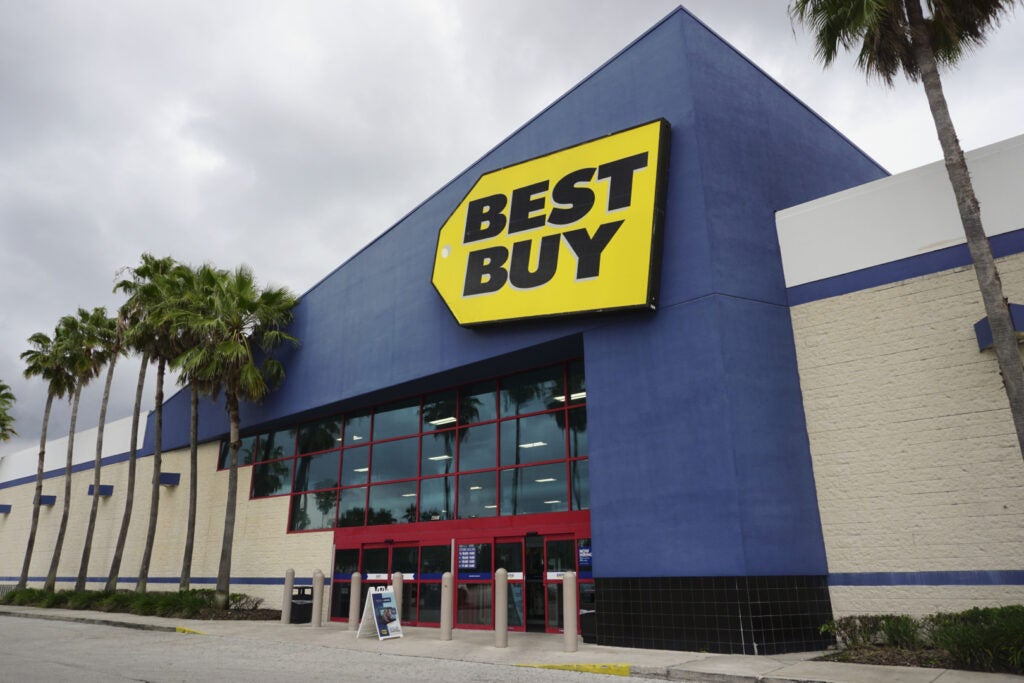
Best Buy Launches RGB LED TVs Nationwide

- Exclusive Offering: Best Buy has partnered with Samsung, Sony, LG, TCL, and Hisense to exclusively sell RGB LED TVs nationwide, showcasing its competitive edge in the electronics retail market.
- Employee Training: The company has trained over 15,000 employees on RGB LED technology, ensuring customers receive knowledgeable support and enhancing overall customer satisfaction during purchases.
- Product Specifications: RGB LED TVs range from 50 to 116 inches, utilizing separate red, green, and blue LEDs for more precise brightness and color, catering to diverse consumer preferences.
- Value-Added Services: Customers purchasing RGB LED TVs will benefit from free delivery, installation, and haul-away of old TVs, a strategy that not only enhances customer experience but also potentially drives sales growth.

Best Buy Becomes Exclusive Retailer for Next-Gen RGB LED TVs
- Technological Advancement: Best Buy (BBY) has announced its status as the exclusive national retailer for next-generation RGB LED TVs from Samsung, Sony, LG, TCL, and Hisense, with RGB technology being hailed as the most significant advancement in the TV industry since OLED in 2013, marking a major leap in television technology.
- Product Rollout: Best Buy plans to make RGB LED TVs available across nearly all U.S. stores, online, and via its app, offering sizes from 50 inches to 116 inches, while bundling free delivery, installation, mounting, and haul-away services to reduce friction for customers upgrading their TVs.
- Enhanced Experience: Best Buy emphasizes that customers can experience the new TVs in-store, showcasing their higher brightness, more lifelike colors, and improved clarity, with RGB LED TVs set to become the new standard for premium home theaters, thereby enhancing the overall shopping experience for consumers.
- Market Response: Best Buy's shares have risen over 20% in the past six weeks, reflecting positive market sentiment regarding its new product line and confidence in future growth potential.
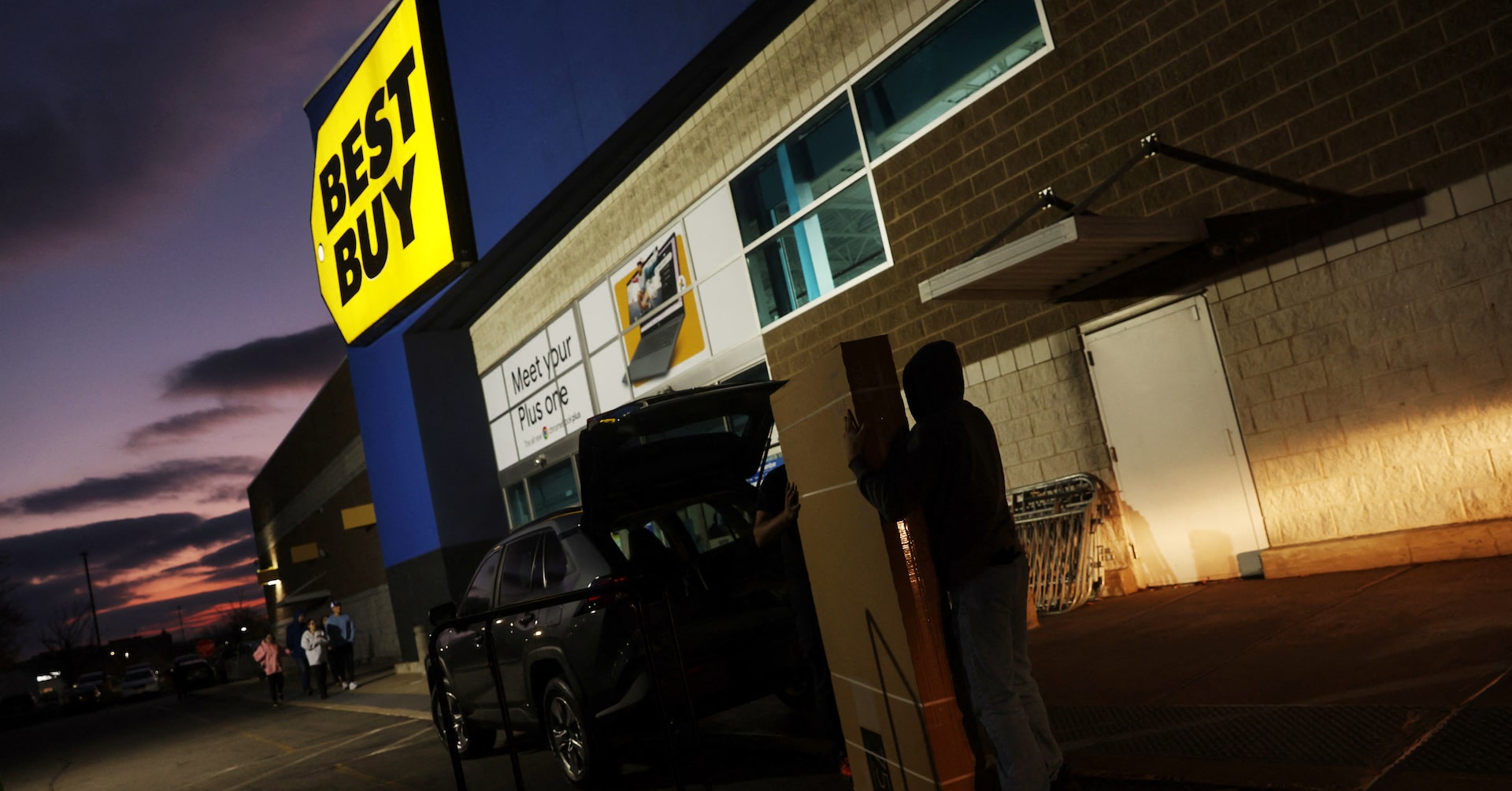
Best Buy Introduces Next-Gen RGB LED TVs Nationwide
- Exclusive Retail Partnership: Best Buy is the only national retailer offering RGB LED TVs from Samsung, Sony, LG, TCL, and Hisense, meeting consumer demand for cutting-edge technology and enhancing market competitiveness.
- Comprehensive Training: In collaboration with leading brands, Best Buy has trained over 15,000 Blue Shirts to provide expert advice on RGB LED TVs, thereby improving customer satisfaction and the overall purchasing experience.
- Convenient Upgrades: Customers purchasing RGB LED TVs benefit from free delivery, installation, and haul-away of their old TVs, simplifying the upgrade process and increasing purchase intent.
- Significant Technological Advantages: RGB LED TVs utilize thousands of precision dimming zones and independently controlled red, green, and blue LEDs to deliver more vibrant colors and higher brightness, marking a major leap in TV technology and enhancing the home theater viewing experience.

US Stocks Plunge Sharply, Tech Sector Hit Hard

- Market Sell-off: The S&P 500 fell 1.44%, the Dow Jones Industrial Average dipped 0.09%, and the Nasdaq 100 plummeted 3.29%, reflecting investor concerns over high valuations in tech stocks, leading to diminished market confidence.
- Asian Market Impact: Japan's Nikkei index dropped over 3%, while South Korea's Kospi index plummeted more than 10%, with foreign investors offloading over $2.5 billion in Kospi shares, indicating a global bearish sentiment towards tech stocks.
- Mixed Manufacturing Data: The US June manufacturing PMI unexpectedly rose to 55.7, surpassing expectations, indicating economic resilience; however, the Richmond Fed's manufacturing survey current conditions fell to 4, below the expected 8, suggesting uncertainty in economic recovery.
- Bond Market Reaction: Amid the stock sell-off, the 10-year T-note yield fell to 4.493%, while the 10-year breakeven inflation rate dropped to a 6-month low of 2.210%, reflecting increased demand for safe-haven assets.
U.S. Stocks Plunge Sharply, Tech Sector Hit Hard
- Market Performance: The S&P 500 Index fell by 1.04%, reaching a 1.5-week low, while the Nasdaq 100 dropped by 2.67%, reflecting investor concerns over high valuations in tech stocks, which could impact future investment decisions.
- Asian Market Impact: Japan's Nikkei Index declined by over 3%, and South Korea's Kospi fell by more than 10%, with foreign investors offloading over $2.5 billion in Kospi shares, exacerbating negative sentiment and contributing to a global market downturn.
- Divergent Manufacturing Data: The U.S. June manufacturing PMI unexpectedly rose to 55.7, surpassing expectations, indicating economic resilience; however, the Richmond Fed manufacturing survey fell to 4, suggesting challenges in the economic recovery that may influence Fed policy.
- Bond Market Reaction: In response to the sharp equity selloff, the 10-year T-note yield dropped to 4.485%, indicating increased demand for safe-haven assets, although upcoming Treasury auctions may exert upward pressure on yields.
Memory Chip Shortage Drives Up Consumer Electronics Prices
- Surging Memory Prices: The skyrocketing prices of memory chips, driven by massive demand for AI data centers, are projected to reduce global personal computer shipments by 10.4% and smartphone shipments by 8.4% in 2026, directly impacting costs for retailers and consumers alike.
- Apple's Price Increase Strategy: Apple announced price hikes for MacBooks and iPads to offset rising memory costs, indicating the company is facing unprecedented challenges, with potential for further price increases in the future.
- Best Buy's Market Expectations: Best Buy's new CEO stated that the computing division is expected to be most affected by price hikes, although increased inventory in Q1 helps mitigate short-term pressure, long-term price increases are inevitable.
- Shifts in Consumer Behavior: Analysts suggest that consumers may extend device upgrade cycles due to rising prices, leading to fundamental changes in upgrade patterns for products like smartphones, necessitating retailers to collaborate with suppliers to alleviate impacts on consumers.
Best Buy Launches RGB LED TVs Nationwide
- Exclusive Offering: Best Buy has partnered with Samsung, Sony, LG, TCL, and Hisense to exclusively sell RGB LED TVs nationwide, showcasing its competitive edge in the electronics retail market.
- Employee Training: The company has trained over 15,000 employees on RGB LED technology, ensuring customers receive knowledgeable support and enhancing overall customer satisfaction during purchases.
- Product Specifications: RGB LED TVs range from 50 to 116 inches, utilizing separate red, green, and blue LEDs for more precise brightness and color, catering to diverse consumer preferences.
- Value-Added Services: Customers purchasing RGB LED TVs will benefit from free delivery, installation, and haul-away of old TVs, a strategy that not only enhances customer experience but also potentially drives sales growth.
Best Buy Becomes Exclusive Retailer for Next-Gen RGB LED TVs
- Technological Advancement: Best Buy (BBY) has announced its status as the exclusive national retailer for next-generation RGB LED TVs from Samsung, Sony, LG, TCL, and Hisense, with RGB technology being hailed as the most significant advancement in the TV industry since OLED in 2013, marking a major leap in television technology.
- Product Rollout: Best Buy plans to make RGB LED TVs available across nearly all U.S. stores, online, and via its app, offering sizes from 50 inches to 116 inches, while bundling free delivery, installation, mounting, and haul-away services to reduce friction for customers upgrading their TVs.
- Enhanced Experience: Best Buy emphasizes that customers can experience the new TVs in-store, showcasing their higher brightness, more lifelike colors, and improved clarity, with RGB LED TVs set to become the new standard for premium home theaters, thereby enhancing the overall shopping experience for consumers.
- Market Response: Best Buy's shares have risen over 20% in the past six weeks, reflecting positive market sentiment regarding its new product line and confidence in future growth potential.
Best Buy Introduces Next-Gen RGB LED TVs Nationwide
- Exclusive Retail Partnership: Best Buy is the only national retailer offering RGB LED TVs from Samsung, Sony, LG, TCL, and Hisense, meeting consumer demand for cutting-edge technology and enhancing market competitiveness.
- Comprehensive Training: In collaboration with leading brands, Best Buy has trained over 15,000 Blue Shirts to provide expert advice on RGB LED TVs, thereby improving customer satisfaction and the overall purchasing experience.
- Convenient Upgrades: Customers purchasing RGB LED TVs benefit from free delivery, installation, and haul-away of their old TVs, simplifying the upgrade process and increasing purchase intent.
- Significant Technological Advantages: RGB LED TVs utilize thousands of precision dimming zones and independently controlled red, green, and blue LEDs to deliver more vibrant colors and higher brightness, marking a major leap in TV technology and enhancing the home theater viewing experience.
US Stocks Plunge Sharply, Tech Sector Hit Hard
- Market Sell-off: The S&P 500 fell 1.44%, the Dow Jones Industrial Average dipped 0.09%, and the Nasdaq 100 plummeted 3.29%, reflecting investor concerns over high valuations in tech stocks, leading to diminished market confidence.
- Asian Market Impact: Japan's Nikkei index dropped over 3%, while South Korea's Kospi index plummeted more than 10%, with foreign investors offloading over $2.5 billion in Kospi shares, indicating a global bearish sentiment towards tech stocks.
- Mixed Manufacturing Data: The US June manufacturing PMI unexpectedly rose to 55.7, surpassing expectations, indicating economic resilience; however, the Richmond Fed's manufacturing survey current conditions fell to 4, below the expected 8, suggesting uncertainty in economic recovery.
- Bond Market Reaction: Amid the stock sell-off, the 10-year T-note yield fell to 4.493%, while the 10-year breakeven inflation rate dropped to a 6-month low of 2.210%, reflecting increased demand for safe-haven assets.
U.S. Stocks Plunge Sharply, Tech Sector Hit Hard
- Market Performance: The S&P 500 Index fell by 1.04%, reaching a 1.5-week low, while the Nasdaq 100 dropped by 2.67%, reflecting investor concerns over high valuations in tech stocks, which could impact future investment decisions.
- Asian Market Impact: Japan's Nikkei Index declined by over 3%, and South Korea's Kospi fell by more than 10%, with foreign investors offloading over $2.5 billion in Kospi shares, exacerbating negative sentiment and contributing to a global market downturn.
- Divergent Manufacturing Data: The U.S. June manufacturing PMI unexpectedly rose to 55.7, surpassing expectations, indicating economic resilience; however, the Richmond Fed manufacturing survey fell to 4, suggesting challenges in the economic recovery that may influence Fed policy.
- Bond Market Reaction: In response to the sharp equity selloff, the 10-year T-note yield dropped to 4.485%, indicating increased demand for safe-haven assets, although upcoming Treasury auctions may exert upward pressure on yields.





