

BlackSky Secures NRO Contract Modification for Satellite Development
BlackSky Technology Inc. shares fell 13.51% as the stock crossed below its 5-day SMA, reflecting a challenging market environment.
The decline comes amid BlackSky's announcement of a modification to its NRO contract, which will accelerate the development of AROS satellites aimed at enhancing multi-spectral imaging capabilities by 2028. This strategic move positions BlackSky as a competitive player in the commercial satellite market, leveraging AI for improved data processing and addressing national-scale digital mapping needs. However, despite this positive development, the stock's performance indicates sector rotation as investors react to broader market trends.
The implications of this contract modification could enhance BlackSky's market positioning, but the current stock decline suggests that investor sentiment may be influenced by sector dynamics rather than the company's advancements.
Trade with 70% Backtested Accuracy
Analyst Views on BKSY

About BKSY
About the author


BlackSky Secures Multiple U.S. R&D Contracts

- Contract Approval: BlackSky Technology Inc. has secured multiple U.S. R&D contracts aimed at developing and deploying mission-critical Gen-3 AI solutions, enhancing customers' capabilities in real-time space-based tactical ISR operations, showcasing the company's leadership in the commercial space intelligence sector.
- AI Technology Implementation: By leveraging high-performance AI object detection and identification algorithms, BlackSky will enhance automated target recognition capabilities for customers, thereby accelerating decision-making speed and improving the accuracy of strategic assessments to meet real-time military operational needs.
- Damage Assessment Analytics: The new contracts will also advance the development of AI-driven Battle Damage Detection analytics, enabling decision-makers to quickly evaluate physical and functional damage inflicted on targets during military operations, thus improving battlefield decision-making efficiency.
- Image Clarity Enhancement: The Gen-3 constellation delivers industry-leading 35-centimeter imagery resolution, with AI-driven analytics that not only reduce classification ambiguities but also alleviate cognitive load on human analysts, providing clearer visual information in complex tactical environments.

Planet Labs Reports Record Revenue and Growth Amid Space Economy Expansion

- Record Revenue: Planet Labs PBC reported approximately $94 million in revenue for Q1 2026, marking a 42% year-over-year increase, indicating strong demand and growth potential in the Earth observation market.
- Robust Backlog: The company reported a backlog exceeding $906 million, suggesting sustainability of future revenues and market confidence, further solidifying its leadership position in the data layer market.
- Significant Cash Flow Improvement: As of April 30, 2026, Planet Labs' cash and short-term investments surged 223% year-over-year to about $731 million, providing strong financial support for future investments and expansion.
- Upward Revenue Guidance: The company raised its full-year revenue guidance to approximately $425–441 million, reflecting the maturation of its business model and strong market demand, signaling potential improvements in profitability going forward.

Planet Labs Reports Record Revenue and Growth Amid Space Economy Expansion

- Significant Revenue Growth: Planet Labs PBC reported record revenue of approximately $94 million for Q1 2026, marking a 42% year-over-year increase, indicating strong demand and business expansion in the Earth observation market.
- Robust Backlog: The company reported a backlog exceeding $906 million, signaling sustainability of future revenues and market confidence, further solidifying its position in the rapidly growing space economy.
- Improved Cash Flow: As of April 30, 2026, Planet's cash and short-term investments surged 223% year-over-year to about $731 million, providing strong financial support for future investments and expansion.
- Upgraded Profit Guidance: Planet Labs raised its full-year revenue guidance to approximately $425–441 million, reflecting the maturation of its business model and sustained market demand, although profitability challenges remain.

Analysis of Competition in Space Security Ecosystem
- Market Competition Landscape: Rocket Lab, BlackSky, and Kratos compete across different layers of the space security ecosystem, reflecting a significant shift in defense spending towards resilient satellite networks, real-time intelligence, and launch capabilities, highlighting the strategic importance within the industry.
- Investment Opportunity Signal: Analysts have noted the emergence of a 'Double Down' signal similar to that of Nvidia in 2009, suggesting that these companies may present investment opportunities, particularly given the growth potential in the defense and space sectors.
- Stock Price Performance: As of June 17, 2026, the stock price performance of these companies has become a focal point for investors, with market assessments of their long-term strategic relevance influencing future investment decisions.
- Analyst Recommendations: The Motley Fool recommends Kratos and Rocket Lab, indicating that these companies may possess strong growth potential in the future market, prompting investors to monitor their developments to seize investment opportunities.
Analysis of Competition in Space Security Ecosystem
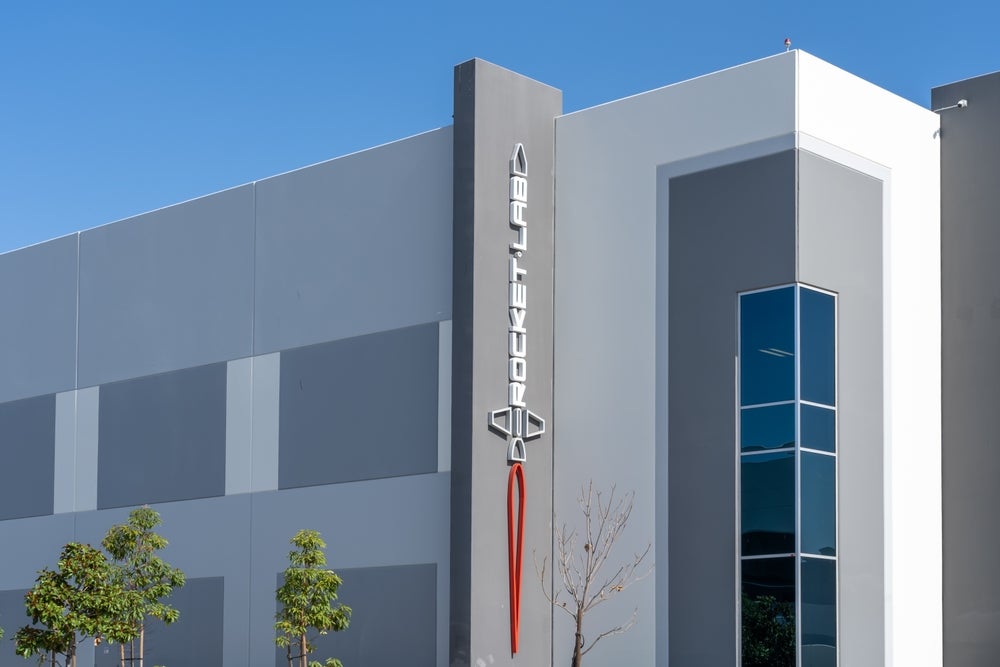
- Market Competition Landscape: Rocket Lab, BlackSky, and Kratos compete across different layers of the space security ecosystem, focusing on satellite networks, real-time intelligence, and launch capabilities, showcasing their unique market positioning and strategic directions.
- Shift in Defense Spending: The shift in defense spending towards more resilient satellite networks and real-time intelligence benefits all three companies, potentially driving their long-term growth and market share expansion.
- Investor Focus: A key question for investors is which stock offers the best mix of upside potential and long-term strategic relevance, reflecting market expectations for future demand in space security.
- Price Data Reference: Market prices as of June 17, 2026, indicate that Rocket Lab, BlackSky, and Kratos saw stock price increases of 4.67%, 1.68%, and 1.92% respectively, demonstrating market confidence and investment interest in these companies.
Rocket Lab Sets Fastest Launch Record with Victus Haze Mission
- Launch Speed Innovation: Rocket Lab successfully launched its Victus Haze mission just 16 hours and 42 minutes after receiving the U.S. Space Force's Notice to Launch, breaking its previous record and demonstrating exceptional capability in rapid response to launch demands.
- High Mission Success Rate: After reaching orbit, Rocket Lab fully activated the spacecraft in 37 hours and 36 minutes, well below the Space Force's 72-hour requirement, indicating a significant improvement in its technical maturity and execution efficiency.
- Optimistic Market Outlook: Analysts expect Rocket Lab's revenue to grow at a 39.5% CAGR from 2025 to 2028, with profitability anticipated in the final year, highlighting its potential for future growth.
- Stock Price Volatility Reasons: Despite a nearly 40% decline in Rocket Lab's stock price over the past month, it still trades at 51 times this year's sales, reflecting market confidence in its future while also indicating investor caution towards smaller rocket manufacturers.
BlackSky Secures Multiple U.S. R&D Contracts
- Contract Approval: BlackSky Technology Inc. has secured multiple U.S. R&D contracts aimed at developing and deploying mission-critical Gen-3 AI solutions, enhancing customers' capabilities in real-time space-based tactical ISR operations, showcasing the company's leadership in the commercial space intelligence sector.
- AI Technology Implementation: By leveraging high-performance AI object detection and identification algorithms, BlackSky will enhance automated target recognition capabilities for customers, thereby accelerating decision-making speed and improving the accuracy of strategic assessments to meet real-time military operational needs.
- Damage Assessment Analytics: The new contracts will also advance the development of AI-driven Battle Damage Detection analytics, enabling decision-makers to quickly evaluate physical and functional damage inflicted on targets during military operations, thus improving battlefield decision-making efficiency.
- Image Clarity Enhancement: The Gen-3 constellation delivers industry-leading 35-centimeter imagery resolution, with AI-driven analytics that not only reduce classification ambiguities but also alleviate cognitive load on human analysts, providing clearer visual information in complex tactical environments.
Planet Labs Reports Record Revenue and Growth Amid Space Economy Expansion
- Record Revenue: Planet Labs PBC reported approximately $94 million in revenue for Q1 2026, marking a 42% year-over-year increase, indicating strong demand and growth potential in the Earth observation market.
- Robust Backlog: The company reported a backlog exceeding $906 million, suggesting sustainability of future revenues and market confidence, further solidifying its leadership position in the data layer market.
- Significant Cash Flow Improvement: As of April 30, 2026, Planet Labs' cash and short-term investments surged 223% year-over-year to about $731 million, providing strong financial support for future investments and expansion.
- Upward Revenue Guidance: The company raised its full-year revenue guidance to approximately $425–441 million, reflecting the maturation of its business model and strong market demand, signaling potential improvements in profitability going forward.
Planet Labs Reports Record Revenue and Growth Amid Space Economy Expansion
- Significant Revenue Growth: Planet Labs PBC reported record revenue of approximately $94 million for Q1 2026, marking a 42% year-over-year increase, indicating strong demand and business expansion in the Earth observation market.
- Robust Backlog: The company reported a backlog exceeding $906 million, signaling sustainability of future revenues and market confidence, further solidifying its position in the rapidly growing space economy.
- Improved Cash Flow: As of April 30, 2026, Planet's cash and short-term investments surged 223% year-over-year to about $731 million, providing strong financial support for future investments and expansion.
- Upgraded Profit Guidance: Planet Labs raised its full-year revenue guidance to approximately $425–441 million, reflecting the maturation of its business model and sustained market demand, although profitability challenges remain.
Analysis of Competition in Space Security Ecosystem
- Market Competition Landscape: Rocket Lab, BlackSky, and Kratos compete across different layers of the space security ecosystem, reflecting a significant shift in defense spending towards resilient satellite networks, real-time intelligence, and launch capabilities, highlighting the strategic importance within the industry.
- Investment Opportunity Signal: Analysts have noted the emergence of a 'Double Down' signal similar to that of Nvidia in 2009, suggesting that these companies may present investment opportunities, particularly given the growth potential in the defense and space sectors.
- Stock Price Performance: As of June 17, 2026, the stock price performance of these companies has become a focal point for investors, with market assessments of their long-term strategic relevance influencing future investment decisions.
- Analyst Recommendations: The Motley Fool recommends Kratos and Rocket Lab, indicating that these companies may possess strong growth potential in the future market, prompting investors to monitor their developments to seize investment opportunities.
Analysis of Competition in Space Security Ecosystem
- Market Competition Landscape: Rocket Lab, BlackSky, and Kratos compete across different layers of the space security ecosystem, focusing on satellite networks, real-time intelligence, and launch capabilities, showcasing their unique market positioning and strategic directions.
- Shift in Defense Spending: The shift in defense spending towards more resilient satellite networks and real-time intelligence benefits all three companies, potentially driving their long-term growth and market share expansion.
- Investor Focus: A key question for investors is which stock offers the best mix of upside potential and long-term strategic relevance, reflecting market expectations for future demand in space security.
- Price Data Reference: Market prices as of June 17, 2026, indicate that Rocket Lab, BlackSky, and Kratos saw stock price increases of 4.67%, 1.68%, and 1.92% respectively, demonstrating market confidence and investment interest in these companies.
Rocket Lab Sets Fastest Launch Record with Victus Haze Mission
- Launch Speed Innovation: Rocket Lab successfully launched its Victus Haze mission just 16 hours and 42 minutes after receiving the U.S. Space Force's Notice to Launch, breaking its previous record and demonstrating exceptional capability in rapid response to launch demands.
- High Mission Success Rate: After reaching orbit, Rocket Lab fully activated the spacecraft in 37 hours and 36 minutes, well below the Space Force's 72-hour requirement, indicating a significant improvement in its technical maturity and execution efficiency.
- Optimistic Market Outlook: Analysts expect Rocket Lab's revenue to grow at a 39.5% CAGR from 2025 to 2028, with profitability anticipated in the final year, highlighting its potential for future growth.
- Stock Price Volatility Reasons: Despite a nearly 40% decline in Rocket Lab's stock price over the past month, it still trades at 51 times this year's sales, reflecting market confidence in its future while also indicating investor caution towards smaller rocket manufacturers.





