

FAA Proposes $165,000 Fine Against Alaska Airlines for Safety Violations
Alaska Air Group Inc shares fell 5.45% as the stock crossed below the 5-day SMA amid negative news regarding regulatory compliance.
The Federal Aviation Administration (FAA) has proposed a $165,000 fine against Alaska Airlines for allegedly allowing intoxicated passengers to board, which violates FAA regulations. The incidents reportedly occurred on 11 flights between February 2024 and February 2025, raising serious concerns about the airline's passenger safety management practices. Alaska Airlines has not yet responded to the FAA's fine proposal, which could impact its public image and future operational compliance.
This regulatory scrutiny may lead to increased operational costs and affect investor confidence in Alaska Air. The proposed fine highlights the importance of compliance in the airline industry, and failure to address these issues could have long-term repercussions for the company.
Trade with 70% Backtested Accuracy
Analyst Views on ALK

About ALK
About the author


Small Cap Market Updates: Alkane, Greatland, Nexus, and Sovereign

- Gold Production Surge: Alkane Resources Ltd produced 42,491 ounces of gold equivalent in the June 2026 quarter, reflecting strong operational performance, while maintaining a cash position of $432 million, enhancing its financial stability.
- Executive Appointment: Greatland Resources Ltd appointed Nick Strong as COO, responsible for Telfer and Havieron operations, set to start on October 5, 2026, aiming to improve operational efficiency and strategic execution.
- Full Ownership Acquisition: Nexus Minerals Ltd has acquired the remaining 10% interest in the Pinnacles project, ending its joint venture with Northern Star, which grants Nexus greater control over future exploration and development decisions, thereby strengthening its market competitiveness.
- Project Advancement Strategy: Sovereign Metals Ltd confirmed it will directly advance the Kasiya project, opting out of a partnership with Rio Tinto, allowing for a focused strategy on the U.S. market to meet the demand for non-Chinese critical minerals.

US Stocks Close Lower as Chipmakers Weigh on Market

- Market Decline: On Tuesday, the S&P 500 index fell by 0.45%, the Dow Jones Industrial Average dropped by 0.25%, and the Nasdaq 100 index decreased by 1.77%, indicating a broader market decline under pressure from a selloff in chipmakers, reflecting investor concerns over high valuations.
- Samsung's Earnings Disappointment: Despite Samsung Electronics reporting a 19-fold profit surge, its stock plummeted over 8% in South Korea, suggesting market skepticism regarding the future profitability of the semiconductor sector, which could impact investor confidence in related companies.
- Geopolitical Risks Heightened: Crude oil prices surged to a 1.5-week high due to attacks on shipping in the Strait of Hormuz, raising inflation expectations and pushing bond yields higher, with the 10-year T-note yield reaching a 3.5-week high of 4.54%, adding uncertainty to the market.
- Strength in Software Stocks: Despite the overall market pressure, strong performance in software stocks indicates a rotation of funds into other sectors, with companies like Workday seeing stock price increases of over 4%, providing some support for the market.

US Stocks Decline as Chipmakers Struggle
- Market Decline: The S&P 500 index fell by 0.67%, the Dow Jones Industrial Average by 0.38%, and the Nasdaq 100 by 2.14%, indicating a bearish market sentiment, particularly driven by a selloff in chipmakers.
- Samsung's Earnings Disappointment: Despite a staggering 19-fold profit increase, Samsung Electronics' stock dropped over 8% in South Korea, reflecting investor concerns over high valuations in the semiconductor sector, which could undermine overall market confidence.
- Rising Oil Prices: Following attacks in the Strait of Hormuz, WTI crude oil prices surged over 2%, raising inflation expectations and pushing bond yields higher, with the 10-year T-note yield reaching a 3.5-week high of 4.52%.
- Widening Trade Deficit: The US trade deficit for May expanded to $77.6 billion, the largest in 14 months, which may negatively impact Q2 GDP, adding to market uncertainties.

Airlines Adjust Seasonal Flights to Meet Demand
- Extended Flight Seasons: American Airlines has initiated flights from New York to Edinburgh starting in March, while United Airlines will extend its nonstop service to Palermo through December, reflecting airlines' proactive response to off-peak demand aimed at boosting overall revenue.
- High-End Market Appeal: International flights typically offer more premium seating, with some business-class fares reaching $10,000, and airlines plan to expand these options further to attract high-spending customers and enhance profit margins.
- Maintenance Schedule Adjustments: With the increase in shoulder season and off-peak travel, Delta Airlines is rethinking its maintenance and crew scheduling to ensure aircraft availability during the peak fall season, thereby optimizing operational efficiency.
- Shifting Market Demand: Flexible work policies among younger generations are leading more consumers to travel during non-traditional seasons, prompting airlines to adjust flight schedules to accommodate this trend and capture spending opportunities from high-net-worth travelers.

U.S. Stocks Rise, S&P 500 Hits Two-Week High

- Employment Data Impact: U.S. nonfarm payrolls rose by 57,000 in June, falling short of the expected 113,000, with May's figures revised down to 129,000, indicating a slowdown in the labor market that could influence the Fed's rate hike decisions, thereby providing support for the stock market.
- Strong Market Performance: The S&P 500 index increased by 0.67%, and the Dow Jones Industrial Average rose by 0.85%, reaching an all-time high, reflecting market optimism for a 23% increase in Q2 earnings, particularly as AI infrastructure stocks are expected to contribute nearly 60% of earnings growth.
- International Market Rally: The Euro Stoxx 50 index climbed by 1.32%, hitting a new record high, indicating positive sentiment in global markets, especially against the backdrop of strong U.S. stock performance, which further boosts investor confidence.
- Oil Price Decline Impact: WTI crude oil prices fell by over 1% to a fresh 4.25-month low due to increased global supplies, which lowers inflation expectations and may provide additional support for the stock market, particularly benefiting airlines and cruise companies from reduced fuel costs.
BofA Bullish on U.S. Airlines Ahead of Q2 Earnings

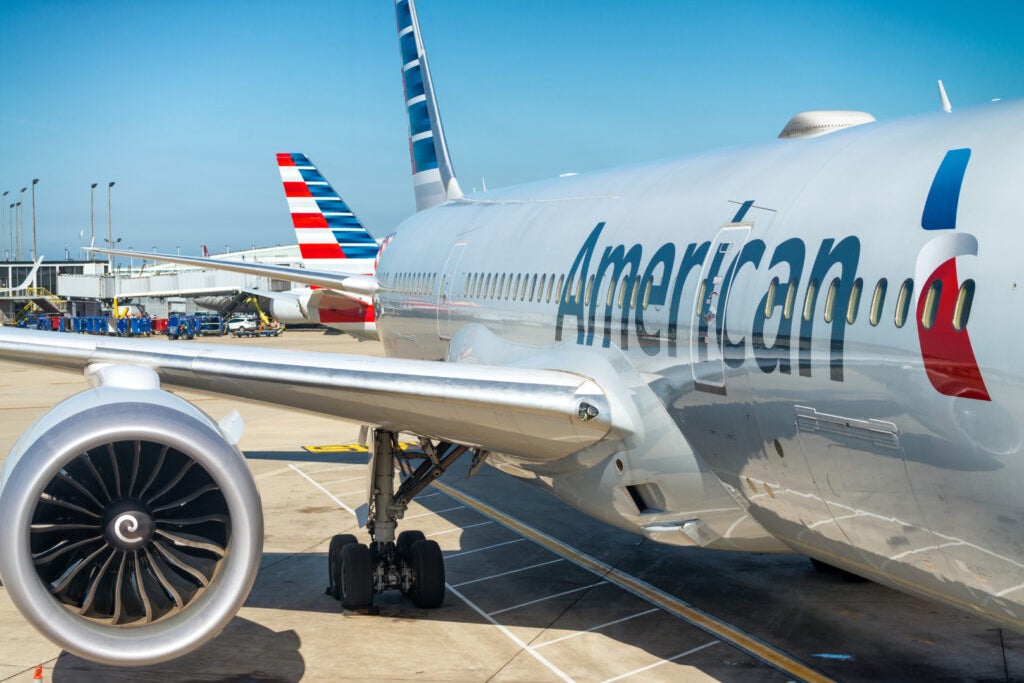
- Strong Demand: BofA analysts highlight that as the summer travel peak approaches, demand for U.S. airlines remains robust, which is expected to drive growth in Q2 earnings and further bolster market confidence.
- Price Target Increases: Reflecting optimism about the industry's recovery, BofA has raised price targets for several airlines based on expectations of stable fares and strong demand, potentially attracting more investor interest.
- Stable Summer Fares: Analysts emphasize that stable summer fares indicate successful pricing strategies by airlines, which will help enhance overall profitability and strengthen competitive positioning in the market.
- Optimistic Industry Outlook: BofA's bullish outlook reflects confidence in the recovery of the airline sector, which is expected to draw more investment into the industry and drive up related stock prices.
Small Cap Market Updates: Alkane, Greatland, Nexus, and Sovereign
- Gold Production Surge: Alkane Resources Ltd produced 42,491 ounces of gold equivalent in the June 2026 quarter, reflecting strong operational performance, while maintaining a cash position of $432 million, enhancing its financial stability.
- Executive Appointment: Greatland Resources Ltd appointed Nick Strong as COO, responsible for Telfer and Havieron operations, set to start on October 5, 2026, aiming to improve operational efficiency and strategic execution.
- Full Ownership Acquisition: Nexus Minerals Ltd has acquired the remaining 10% interest in the Pinnacles project, ending its joint venture with Northern Star, which grants Nexus greater control over future exploration and development decisions, thereby strengthening its market competitiveness.
- Project Advancement Strategy: Sovereign Metals Ltd confirmed it will directly advance the Kasiya project, opting out of a partnership with Rio Tinto, allowing for a focused strategy on the U.S. market to meet the demand for non-Chinese critical minerals.
US Stocks Close Lower as Chipmakers Weigh on Market
- Market Decline: On Tuesday, the S&P 500 index fell by 0.45%, the Dow Jones Industrial Average dropped by 0.25%, and the Nasdaq 100 index decreased by 1.77%, indicating a broader market decline under pressure from a selloff in chipmakers, reflecting investor concerns over high valuations.
- Samsung's Earnings Disappointment: Despite Samsung Electronics reporting a 19-fold profit surge, its stock plummeted over 8% in South Korea, suggesting market skepticism regarding the future profitability of the semiconductor sector, which could impact investor confidence in related companies.
- Geopolitical Risks Heightened: Crude oil prices surged to a 1.5-week high due to attacks on shipping in the Strait of Hormuz, raising inflation expectations and pushing bond yields higher, with the 10-year T-note yield reaching a 3.5-week high of 4.54%, adding uncertainty to the market.
- Strength in Software Stocks: Despite the overall market pressure, strong performance in software stocks indicates a rotation of funds into other sectors, with companies like Workday seeing stock price increases of over 4%, providing some support for the market.
US Stocks Decline as Chipmakers Struggle
- Market Decline: The S&P 500 index fell by 0.67%, the Dow Jones Industrial Average by 0.38%, and the Nasdaq 100 by 2.14%, indicating a bearish market sentiment, particularly driven by a selloff in chipmakers.
- Samsung's Earnings Disappointment: Despite a staggering 19-fold profit increase, Samsung Electronics' stock dropped over 8% in South Korea, reflecting investor concerns over high valuations in the semiconductor sector, which could undermine overall market confidence.
- Rising Oil Prices: Following attacks in the Strait of Hormuz, WTI crude oil prices surged over 2%, raising inflation expectations and pushing bond yields higher, with the 10-year T-note yield reaching a 3.5-week high of 4.52%.
- Widening Trade Deficit: The US trade deficit for May expanded to $77.6 billion, the largest in 14 months, which may negatively impact Q2 GDP, adding to market uncertainties.
Airlines Adjust Seasonal Flights to Meet Demand
- Extended Flight Seasons: American Airlines has initiated flights from New York to Edinburgh starting in March, while United Airlines will extend its nonstop service to Palermo through December, reflecting airlines' proactive response to off-peak demand aimed at boosting overall revenue.
- High-End Market Appeal: International flights typically offer more premium seating, with some business-class fares reaching $10,000, and airlines plan to expand these options further to attract high-spending customers and enhance profit margins.
- Maintenance Schedule Adjustments: With the increase in shoulder season and off-peak travel, Delta Airlines is rethinking its maintenance and crew scheduling to ensure aircraft availability during the peak fall season, thereby optimizing operational efficiency.
- Shifting Market Demand: Flexible work policies among younger generations are leading more consumers to travel during non-traditional seasons, prompting airlines to adjust flight schedules to accommodate this trend and capture spending opportunities from high-net-worth travelers.
U.S. Stocks Rise, S&P 500 Hits Two-Week High
- Employment Data Impact: U.S. nonfarm payrolls rose by 57,000 in June, falling short of the expected 113,000, with May's figures revised down to 129,000, indicating a slowdown in the labor market that could influence the Fed's rate hike decisions, thereby providing support for the stock market.
- Strong Market Performance: The S&P 500 index increased by 0.67%, and the Dow Jones Industrial Average rose by 0.85%, reaching an all-time high, reflecting market optimism for a 23% increase in Q2 earnings, particularly as AI infrastructure stocks are expected to contribute nearly 60% of earnings growth.
- International Market Rally: The Euro Stoxx 50 index climbed by 1.32%, hitting a new record high, indicating positive sentiment in global markets, especially against the backdrop of strong U.S. stock performance, which further boosts investor confidence.
- Oil Price Decline Impact: WTI crude oil prices fell by over 1% to a fresh 4.25-month low due to increased global supplies, which lowers inflation expectations and may provide additional support for the stock market, particularly benefiting airlines and cruise companies from reduced fuel costs.
BofA Bullish on U.S. Airlines Ahead of Q2 Earnings
- Strong Demand: BofA analysts highlight that as the summer travel peak approaches, demand for U.S. airlines remains robust, which is expected to drive growth in Q2 earnings and further bolster market confidence.
- Price Target Increases: Reflecting optimism about the industry's recovery, BofA has raised price targets for several airlines based on expectations of stable fares and strong demand, potentially attracting more investor interest.
- Stable Summer Fares: Analysts emphasize that stable summer fares indicate successful pricing strategies by airlines, which will help enhance overall profitability and strengthen competitive positioning in the market.
- Optimistic Industry Outlook: BofA's bullish outlook reflects confidence in the recovery of the airline sector, which is expected to draw more investment into the industry and drive up related stock prices.





