

Intuit Faces Securities Fraud Investigation Amid Stock Decline
Intuit Inc (INTU) saw its stock rise by 5.05% as it crossed above the 5-day SMA, despite the broader market decline with the Nasdaq-100 down 0.98% and S&P 500 down 0.30%.
The stock's movement comes amid an ongoing investigation by Bleichmar Fonti & Auld LLP into potential securities fraud, as the company is accused of misrepresenting its pricing strategy in the DIY tax market. This investigation follows a significant drop in Intuit's stock by 20% earlier in May, reflecting investor disappointment over its Q3 2026 financial results and highlighting challenges in maintaining price competitiveness. The legal scrutiny adds pressure on the company, which is already facing a decline in TurboTax online units growth amid a contracting industry.
The implications of this investigation could further impact investor confidence in Intuit, especially as the company prepares for its upcoming earnings report, which is expected to show a year-over-year EPS increase. However, the ongoing legal issues may overshadow these positive earnings expectations.
Trade with 70% Backtested Accuracy
Analyst Views on INTU

About INTU
About the author

US Stocks Show Mixed Movement, Led by Chipmakers


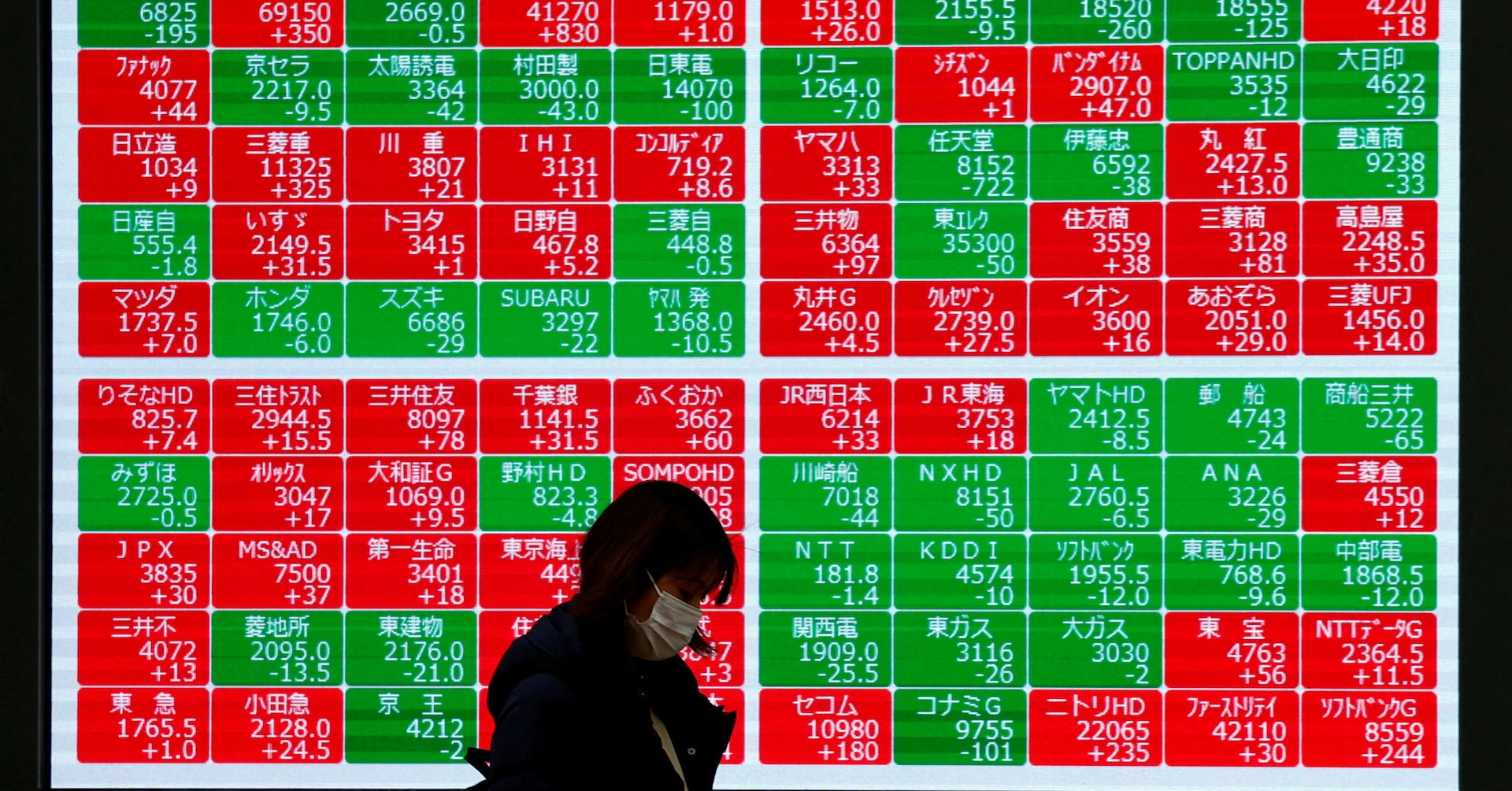
- Market Performance: The S&P 500 Index rose by 0.43% and the Nasdaq 100 Index increased by 1.17%, driven by strong performances from chipmakers and AI infrastructure stocks, reflecting heightened investor confidence in technology shares.
- Oil Price Impact: WTI crude oil prices fell by 0.5% as Saudi Arabia and the UAE ramped up shipments to near pre-war levels, which eased inflation expectations and led to a 2 basis point drop in the 10-year T-note yield to 4.46%, providing support for the bond market.
- Earnings Outlook: Bloomberg Intelligence forecasts a 23% increase in Q2 earnings, close to Q1's 30% growth, indicating that AI spending will be a major driver, expected to contribute nearly 60% to the S&P 500's earnings-per-share growth.
- International Market Dynamics: European stock markets are generally down, with Eurozone May retail sales rising 0.2% month-over-month, below the expected 0.3%, while German May factory orders increased by 1.9%, exceeding the expected 1.1%, indicating a mixed economic recovery.
Microsoft Cuts 4,800 Jobs, Xbox Division Hit Hard


- Massive Job Cuts: Microsoft announced the elimination of 4,800 jobs, representing 2.1% of its workforce, with the Xbox division losing about 20% of its staff, highlighting the company's pressure to cut costs in the era of artificial intelligence.
- Xbox Division Restructuring: Xbox CEO Asha Sharma revealed that the Xbox division will cut 3,200 positions, with 1,600 roles being eliminated immediately on Monday, reflecting significant adjustments in the gaming business and challenges for future growth.
- Game Studios Spin-Off: Microsoft will spin off four gaming studios into independent entities, including Compulsion Games and Double Fine Productions, indicating a strategic shift in the gaming sector that may impact future game development and market competitiveness.
- AI's Impact on Work: While layoffs are linked to advancements in AI technology, Microsoft executives emphasize that AI is not directly replacing laid-off workers but changing how work is done, necessitating continuous skill development among employees, which is crucial for the company's long-term growth.

Market Performance Analysis for H1 2026


- Intuit's Stock Plunge: Intuit's stock has fallen nearly 60% in H1 2026, with a market cap of about $75 billion and a trailing P/E ratio of 17, indicating that despite panic over AI threats, its software products still hold significant value.
- Adobe's Continued Decline: Adobe's stock is down 37% in H1 2026, with a total decline of 63% over the past five years; although its revenue grew by 13% in the latest quarter, the market's reaction to AI may be exaggerated, as professionals still rely on its high-quality editing software.
- Workday's Poor Performance: Workday's stock has dropped around 37% in H1 2026, and while its cloud platform uses AI to enhance customer operations, its P/E ratio exceeds 40, suggesting a high valuation with limited confidence for a near-term rebound.
- Overall Market Trends: Despite the Nasdaq and S&P 500 indices rising approximately 11% and 9%, respectively, many stocks are underperforming, highlighting internal market divergence and necessitating cautious selection of potential rebound opportunities by investors.

Software Stocks Under Pressure as AI Concerns Rise
- Software Sector Struggles: In the first half of 2026, Intuit, Adobe, and Workday were the worst performers on the Nasdaq-100, each down over 35%, reflecting market concerns about the software industry's vulnerability to potential disruptions from artificial intelligence (AI).
- Intuit's Market Cap Decline: Intuit's stock has plummeted nearly 60% year-to-date, with its market cap now around $75 billion; despite a 10% revenue growth in the latest quarter and raised full-year guidance, investor confidence remains shaky amid fears of AI's impact.
- Adobe's AI Overreaction: Adobe's stock fell 37% in the first half of 2026, although it reported a 13% revenue increase in May; the market's reaction to AI may be exaggerated, particularly in image editing, where professionals still rely heavily on its Photoshop software.
- Workday's Valuation Concerns: Workday, slightly better off with a 37% decline, has a high price-to-earnings ratio exceeding 40, and while its growth rate is nearly 14%, the elevated valuation raises doubts about a near-term recovery, compounded by ongoing trust issues surrounding AI integration.
Analysis of S&P 500 Performance in 2026

- Overall Market Performance: The S&P 500 index has risen nearly 10% in 2026, and if this trend continues, it is expected to exceed the typical 10% annual returns anticipated by investors, indicating strong market recovery potential.
- Divergent Stock Performances: Within the S&P 500, Sandisk has surged approximately 800%, making it the best-performing stock, while Intuit has plummeted around 60%, highlighting significant disparities in individual stock performances that investors need to monitor closely.
- Memory Chip Shortage: Sandisk is benefiting from a memory chip shortage that is expected to persist into 2026 and 2027, driving its stock price higher and indicating the company's competitive advantage in the rapidly growing AI data center market.
- Nvidia's Investment Potential: Although Nvidia has only risen 5% so far in 2026, it is projected to achieve nearly 100% gains in the second half due to ongoing AI buildout, making it a stock to watch for future growth potential and relative undervaluation.
Sandisk Benefits from Memory Chip Shortage
- Memory Chip Shortage: Sandisk's stock has surged approximately 800% in 2026 due to skyrocketing demand for memory chips in data centers, indicating a significant enhancement in the company's market competitiveness, with expectations that this shortage will persist into 2027, providing further growth opportunities for Sandisk.
- Divergent Market Performance: While the S&P 500 has risen nearly 10% overall in 2026, individual stocks have shown starkly different performances, with Sandisk emerging as the best performer and Intuit declining around 60%, reflecting the vast differences in market confidence and expectations for these companies.
- Nvidia's Potential: Although Nvidia has only increased by 5% in early 2026, analysts predict it could achieve nearly 100% growth in the second half, primarily driven by the ongoing AI buildout, which could push Nvidia's stock to a forward P/E ratio of 40 by the end of 2026, significantly enhancing its market value.
- Investment Recommendation: Despite Nvidia not being included in the current best stocks list by Motley Fool Stock Advisor, its future growth potential remains attractive to investors, especially against the backdrop of continued investments in AI, positioning Nvidia as a stock worth holding that may perform exceptionally well by the end of 2026.
US Stocks Show Mixed Movement, Led by Chipmakers
- Market Performance: The S&P 500 Index rose by 0.43% and the Nasdaq 100 Index increased by 1.17%, driven by strong performances from chipmakers and AI infrastructure stocks, reflecting heightened investor confidence in technology shares.
- Oil Price Impact: WTI crude oil prices fell by 0.5% as Saudi Arabia and the UAE ramped up shipments to near pre-war levels, which eased inflation expectations and led to a 2 basis point drop in the 10-year T-note yield to 4.46%, providing support for the bond market.
- Earnings Outlook: Bloomberg Intelligence forecasts a 23% increase in Q2 earnings, close to Q1's 30% growth, indicating that AI spending will be a major driver, expected to contribute nearly 60% to the S&P 500's earnings-per-share growth.
- International Market Dynamics: European stock markets are generally down, with Eurozone May retail sales rising 0.2% month-over-month, below the expected 0.3%, while German May factory orders increased by 1.9%, exceeding the expected 1.1%, indicating a mixed economic recovery.
Microsoft Cuts 4,800 Jobs, Xbox Division Hit Hard
- Massive Job Cuts: Microsoft announced the elimination of 4,800 jobs, representing 2.1% of its workforce, with the Xbox division losing about 20% of its staff, highlighting the company's pressure to cut costs in the era of artificial intelligence.
- Xbox Division Restructuring: Xbox CEO Asha Sharma revealed that the Xbox division will cut 3,200 positions, with 1,600 roles being eliminated immediately on Monday, reflecting significant adjustments in the gaming business and challenges for future growth.
- Game Studios Spin-Off: Microsoft will spin off four gaming studios into independent entities, including Compulsion Games and Double Fine Productions, indicating a strategic shift in the gaming sector that may impact future game development and market competitiveness.
- AI's Impact on Work: While layoffs are linked to advancements in AI technology, Microsoft executives emphasize that AI is not directly replacing laid-off workers but changing how work is done, necessitating continuous skill development among employees, which is crucial for the company's long-term growth.
Market Performance Analysis for H1 2026
- Intuit's Stock Plunge: Intuit's stock has fallen nearly 60% in H1 2026, with a market cap of about $75 billion and a trailing P/E ratio of 17, indicating that despite panic over AI threats, its software products still hold significant value.
- Adobe's Continued Decline: Adobe's stock is down 37% in H1 2026, with a total decline of 63% over the past five years; although its revenue grew by 13% in the latest quarter, the market's reaction to AI may be exaggerated, as professionals still rely on its high-quality editing software.
- Workday's Poor Performance: Workday's stock has dropped around 37% in H1 2026, and while its cloud platform uses AI to enhance customer operations, its P/E ratio exceeds 40, suggesting a high valuation with limited confidence for a near-term rebound.
- Overall Market Trends: Despite the Nasdaq and S&P 500 indices rising approximately 11% and 9%, respectively, many stocks are underperforming, highlighting internal market divergence and necessitating cautious selection of potential rebound opportunities by investors.
Software Stocks Under Pressure as AI Concerns Rise
- Software Sector Struggles: In the first half of 2026, Intuit, Adobe, and Workday were the worst performers on the Nasdaq-100, each down over 35%, reflecting market concerns about the software industry's vulnerability to potential disruptions from artificial intelligence (AI).
- Intuit's Market Cap Decline: Intuit's stock has plummeted nearly 60% year-to-date, with its market cap now around $75 billion; despite a 10% revenue growth in the latest quarter and raised full-year guidance, investor confidence remains shaky amid fears of AI's impact.
- Adobe's AI Overreaction: Adobe's stock fell 37% in the first half of 2026, although it reported a 13% revenue increase in May; the market's reaction to AI may be exaggerated, particularly in image editing, where professionals still rely heavily on its Photoshop software.
- Workday's Valuation Concerns: Workday, slightly better off with a 37% decline, has a high price-to-earnings ratio exceeding 40, and while its growth rate is nearly 14%, the elevated valuation raises doubts about a near-term recovery, compounded by ongoing trust issues surrounding AI integration.
Analysis of S&P 500 Performance in 2026
- Overall Market Performance: The S&P 500 index has risen nearly 10% in 2026, and if this trend continues, it is expected to exceed the typical 10% annual returns anticipated by investors, indicating strong market recovery potential.
- Divergent Stock Performances: Within the S&P 500, Sandisk has surged approximately 800%, making it the best-performing stock, while Intuit has plummeted around 60%, highlighting significant disparities in individual stock performances that investors need to monitor closely.
- Memory Chip Shortage: Sandisk is benefiting from a memory chip shortage that is expected to persist into 2026 and 2027, driving its stock price higher and indicating the company's competitive advantage in the rapidly growing AI data center market.
- Nvidia's Investment Potential: Although Nvidia has only risen 5% so far in 2026, it is projected to achieve nearly 100% gains in the second half due to ongoing AI buildout, making it a stock to watch for future growth potential and relative undervaluation.
Sandisk Benefits from Memory Chip Shortage
- Memory Chip Shortage: Sandisk's stock has surged approximately 800% in 2026 due to skyrocketing demand for memory chips in data centers, indicating a significant enhancement in the company's market competitiveness, with expectations that this shortage will persist into 2027, providing further growth opportunities for Sandisk.
- Divergent Market Performance: While the S&P 500 has risen nearly 10% overall in 2026, individual stocks have shown starkly different performances, with Sandisk emerging as the best performer and Intuit declining around 60%, reflecting the vast differences in market confidence and expectations for these companies.
- Nvidia's Potential: Although Nvidia has only increased by 5% in early 2026, analysts predict it could achieve nearly 100% growth in the second half, primarily driven by the ongoing AI buildout, which could push Nvidia's stock to a forward P/E ratio of 40 by the end of 2026, significantly enhancing its market value.
- Investment Recommendation: Despite Nvidia not being included in the current best stocks list by Motley Fool Stock Advisor, its future growth potential remains attractive to investors, especially against the backdrop of continued investments in AI, positioning Nvidia as a stock worth holding that may perform exceptionally well by the end of 2026.





