

KLA Corp's Stock Declines Amid Sector Rotation
KLA Corp's stock fell by 10.30% as it crossed below its 5-day SMA, reflecting a significant downturn in the semiconductor sector despite overall market gains.
The decline in KLA Corp's stock is attributed to sector rotation, as the semiconductor ETF is experiencing a surge, with the VanEck Semiconductor ETF (SMH) on track for a 70% increase in Q2. This indicates strong market confidence in the semiconductor sector, yet KLA Corp's performance diverged from this trend, highlighting potential concerns about its specific outlook or recent performance.
This movement suggests that while the broader semiconductor market is thriving, KLA Corp may be facing unique challenges that investors are reacting to, potentially impacting its future growth prospects.
Trade with 70% Backtested Accuracy
Analyst Views on KLAC

About KLAC
About the author


Fiserv Discusses Sale of Payments Business with Major Banks


- Stock Surge: Fiserv shares rallied over 5% after The Wall Street Journal reported discussions with major banks like JPMorgan and Bank of America regarding the sale of its payments infrastructure business, potentially leading to strategic restructuring and enhanced market competitiveness.
- Acquisition Deal: Vertex Pharmaceuticals announced a $10 billion acquisition of Crinetics Pharmaceuticals to expand its product line in rare hormonal disease treatments, although Vertex shares dipped nearly 1%, this deal is expected to strengthen its market position.
- Stock Upgrade: First Solar's stock rose nearly 3% after Deutsche Bank upgraded its rating from neutral to buy, with analysts citing potential trade policy shifts as a reason for investors to buy the dip, boosting market confidence.
- EV Stock Decline: Rivian shares tumbled 9% despite revenue and delivery guidance exceeding market expectations, as the company announced a plan to sell 75 million new shares for a significant capital raise, negatively impacting investor sentiment.
IBM's Price Target Increase Drives Stock Surge


- IBM Price Target Increase: Bank of America raised IBM's price target from $315 to $330, anticipating a modest increase in the company's F26 guidance, which propelled the stock up over 3%, reflecting market optimism about IBM's future performance.
- O'Reilly Acquisition Moves: O'Reilly Automotive's shares fell more than 7% as it plans a cash bid for Genuine Parts' auto parts business, although D.A. Davidson reiterated a buy rating with a $114 price target, indicating cautious market sentiment regarding the potential benefits of the deal.
- Semiconductor Stocks Surge: Goldman Sachs lifted its 12-month price targets for Teradyne and AMD to $465 and $640 respectively, leading to stock increases of 4% and nearly 8%, highlighting strong demand and growth expectations in the semiconductor sector.
- Micron and Ford Partnership: Micron Technology's stock rose nearly 3% after announcing a long-term agreement with Ford to supply memory and storage platforms for next-gen vehicles, showcasing strategic collaboration potential in the electric vehicle market.
US Stocks Show Mixed Movement, Led by Chipmakers


- Market Performance: The S&P 500 Index rose by 0.43% and the Nasdaq 100 Index increased by 1.17%, driven by strong performances from chipmakers and AI infrastructure stocks, reflecting heightened investor confidence in technology shares.
- Oil Price Impact: WTI crude oil prices fell by 0.5% as Saudi Arabia and the UAE ramped up shipments to near pre-war levels, which eased inflation expectations and led to a 2 basis point drop in the 10-year T-note yield to 4.46%, providing support for the bond market.
- Earnings Outlook: Bloomberg Intelligence forecasts a 23% increase in Q2 earnings, close to Q1's 30% growth, indicating that AI spending will be a major driver, expected to contribute nearly 60% to the S&P 500's earnings-per-share growth.
- International Market Dynamics: European stock markets are generally down, with Eurozone May retail sales rising 0.2% month-over-month, below the expected 0.3%, while German May factory orders increased by 1.9%, exceeding the expected 1.1%, indicating a mixed economic recovery.
Semiconductor Stocks Rebound, ASML Price Target Raised

- Semiconductor ETF Rebound: The iShares Semiconductor ETF (SOXX) rose over 2.5% in premarket trading on Monday, recovering from a two-day slide last week that saw an 11% drop, indicating renewed market confidence in the semiconductor sector.
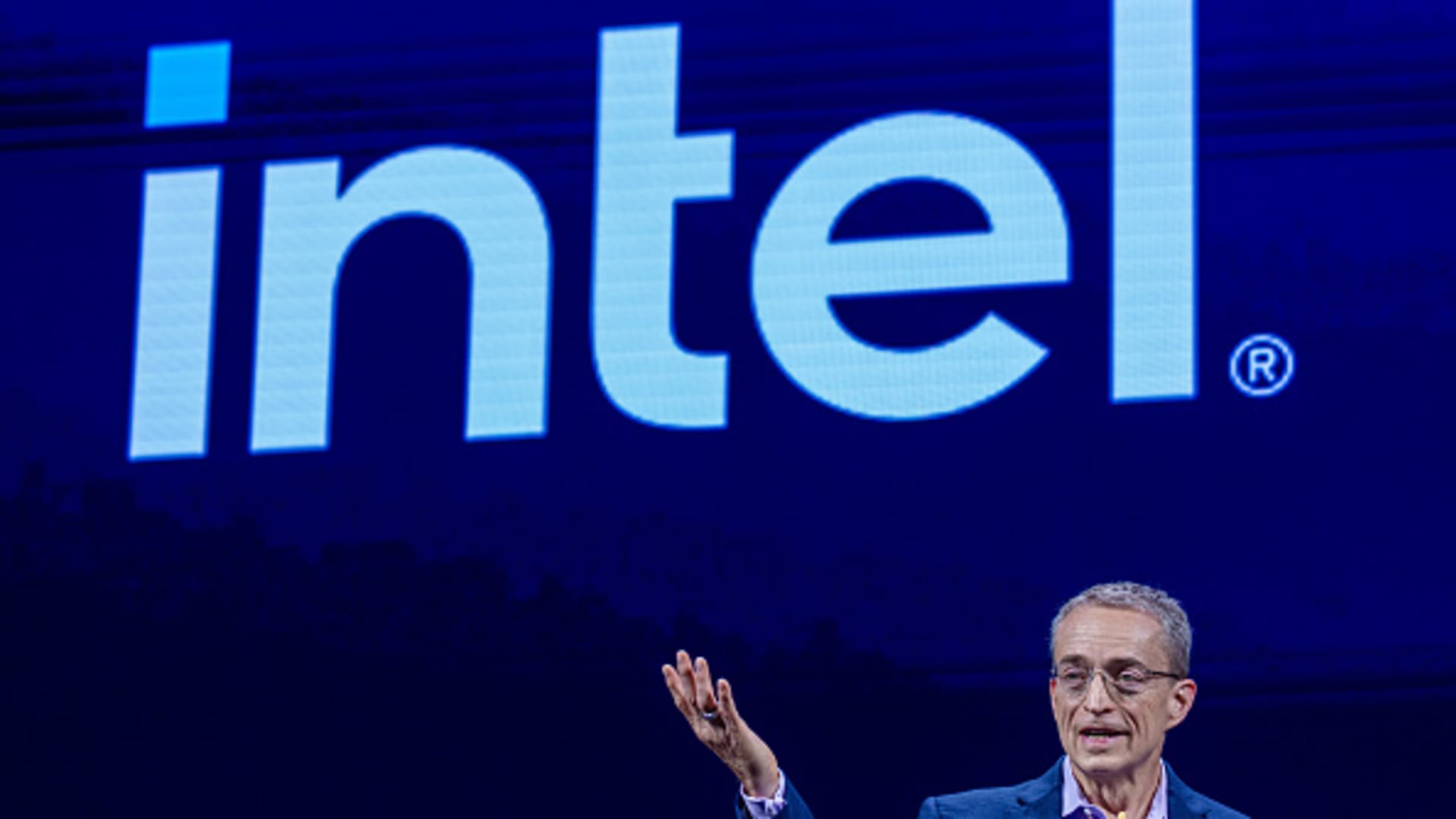
- Intel and AMD Gains: Intel and Advanced Micro Devices (AMD) saw their shares increase by 2.5% and 3% respectively, reflecting investor optimism about a recovery in the semiconductor market, particularly driven by rising demand from artificial intelligence.
- ASML Price Target Increase: ASML's stock rose by 4% after Bernstein raised its price target by over 30% to $2,300, with analysts citing unprecedented expansion in both logic and DRAM capacity as a key driver.
- Telecom Stock Recovery: T-Mobile U.S. shares increased by more than 1.5% after Bank of America upgraded its rating from neutral to buy, with analysts suggesting that peak bearishness in the telecommunications sector has been reached, noting the stock's more than 20% decline from its 2026 highs is overdone.

iShares Semiconductor ETF Rises 12.6% in June

- Strong June Performance: The iShares Semiconductor ETF rose 12.6% in June, marking a robust performance for the semiconductor sector, and despite a dip in July, it has surged 88% in 2026, indicating significant recovery potential in the industry.
- Industry Structure Analysis: The ETF tracks the NYSE Semiconductor Index, which consists of 30 U.S.-listed semiconductor companies, with the top five capped at 8%, allowing for broad exposure to semiconductor stocks and mitigating over-reliance on any single company.
- Capital Expenditure Drive: Micron Technology announced plans to increase its fiscal 2026 capital spending to $27 billion from $15.9 billion in 2025, reflecting strong demand for memory chips and a market characterized by supply-demand imbalances.
- Investment Opportunities: The market dynamics in June present diverse investment themes for semiconductor investors, who can capture upside potential by purchasing the iShares ETF, ensuring they benefit from the industry's recovery.
Strong Performance of Semiconductor ETF Draws Investor Attention
- ETF Performance Surge: The iShares Semiconductor ETF (NASDAQ: SOXX) rose 12.6% in June, indicating a robust recovery in the semiconductor sector, and despite a dip in July, it has surged 88% in 2026, reflecting strong market demand and investor confidence.
- Diversified Investment Strategy: The ETF ensures portfolio diversity by holding modified float-adjusted market-cap-weighted positions in the 30 largest U.S.-listed semiconductor companies, with the top five capped at 8%, effectively reducing reliance on Nvidia and enhancing overall investment stability.
- Capital Expenditure Surge: Micron Technology confirmed it will increase its fiscal capital spending to $27 billion in fiscal 2026, up from $15.9 billion in 2025, indicating sustained strong demand for memory chips and further driving growth potential in the semiconductor industry.
- Significant Industry Trends: June's industry dynamics highlighted a surge in demand for AI chips and rising capital expenditures; although Trump's claim of a chip manufacturing agreement between Intel and Apple remains unconfirmed, it has already boosted Intel's stock price, showcasing optimistic market expectations for the semiconductor sector.
Fiserv Discusses Sale of Payments Business with Major Banks
- Stock Surge: Fiserv shares rallied over 5% after The Wall Street Journal reported discussions with major banks like JPMorgan and Bank of America regarding the sale of its payments infrastructure business, potentially leading to strategic restructuring and enhanced market competitiveness.
- Acquisition Deal: Vertex Pharmaceuticals announced a $10 billion acquisition of Crinetics Pharmaceuticals to expand its product line in rare hormonal disease treatments, although Vertex shares dipped nearly 1%, this deal is expected to strengthen its market position.
- Stock Upgrade: First Solar's stock rose nearly 3% after Deutsche Bank upgraded its rating from neutral to buy, with analysts citing potential trade policy shifts as a reason for investors to buy the dip, boosting market confidence.
- EV Stock Decline: Rivian shares tumbled 9% despite revenue and delivery guidance exceeding market expectations, as the company announced a plan to sell 75 million new shares for a significant capital raise, negatively impacting investor sentiment.
IBM's Price Target Increase Drives Stock Surge
- IBM Price Target Increase: Bank of America raised IBM's price target from $315 to $330, anticipating a modest increase in the company's F26 guidance, which propelled the stock up over 3%, reflecting market optimism about IBM's future performance.
- O'Reilly Acquisition Moves: O'Reilly Automotive's shares fell more than 7% as it plans a cash bid for Genuine Parts' auto parts business, although D.A. Davidson reiterated a buy rating with a $114 price target, indicating cautious market sentiment regarding the potential benefits of the deal.
- Semiconductor Stocks Surge: Goldman Sachs lifted its 12-month price targets for Teradyne and AMD to $465 and $640 respectively, leading to stock increases of 4% and nearly 8%, highlighting strong demand and growth expectations in the semiconductor sector.
- Micron and Ford Partnership: Micron Technology's stock rose nearly 3% after announcing a long-term agreement with Ford to supply memory and storage platforms for next-gen vehicles, showcasing strategic collaboration potential in the electric vehicle market.
US Stocks Show Mixed Movement, Led by Chipmakers
- Market Performance: The S&P 500 Index rose by 0.43% and the Nasdaq 100 Index increased by 1.17%, driven by strong performances from chipmakers and AI infrastructure stocks, reflecting heightened investor confidence in technology shares.
- Oil Price Impact: WTI crude oil prices fell by 0.5% as Saudi Arabia and the UAE ramped up shipments to near pre-war levels, which eased inflation expectations and led to a 2 basis point drop in the 10-year T-note yield to 4.46%, providing support for the bond market.
- Earnings Outlook: Bloomberg Intelligence forecasts a 23% increase in Q2 earnings, close to Q1's 30% growth, indicating that AI spending will be a major driver, expected to contribute nearly 60% to the S&P 500's earnings-per-share growth.
- International Market Dynamics: European stock markets are generally down, with Eurozone May retail sales rising 0.2% month-over-month, below the expected 0.3%, while German May factory orders increased by 1.9%, exceeding the expected 1.1%, indicating a mixed economic recovery.
Semiconductor Stocks Rebound, ASML Price Target Raised
- Semiconductor ETF Rebound: The iShares Semiconductor ETF (SOXX) rose over 2.5% in premarket trading on Monday, recovering from a two-day slide last week that saw an 11% drop, indicating renewed market confidence in the semiconductor sector.
- Intel and AMD Gains: Intel and Advanced Micro Devices (AMD) saw their shares increase by 2.5% and 3% respectively, reflecting investor optimism about a recovery in the semiconductor market, particularly driven by rising demand from artificial intelligence.
- ASML Price Target Increase: ASML's stock rose by 4% after Bernstein raised its price target by over 30% to $2,300, with analysts citing unprecedented expansion in both logic and DRAM capacity as a key driver.
- Telecom Stock Recovery: T-Mobile U.S. shares increased by more than 1.5% after Bank of America upgraded its rating from neutral to buy, with analysts suggesting that peak bearishness in the telecommunications sector has been reached, noting the stock's more than 20% decline from its 2026 highs is overdone.
iShares Semiconductor ETF Rises 12.6% in June
- Strong June Performance: The iShares Semiconductor ETF rose 12.6% in June, marking a robust performance for the semiconductor sector, and despite a dip in July, it has surged 88% in 2026, indicating significant recovery potential in the industry.
- Industry Structure Analysis: The ETF tracks the NYSE Semiconductor Index, which consists of 30 U.S.-listed semiconductor companies, with the top five capped at 8%, allowing for broad exposure to semiconductor stocks and mitigating over-reliance on any single company.
- Capital Expenditure Drive: Micron Technology announced plans to increase its fiscal 2026 capital spending to $27 billion from $15.9 billion in 2025, reflecting strong demand for memory chips and a market characterized by supply-demand imbalances.
- Investment Opportunities: The market dynamics in June present diverse investment themes for semiconductor investors, who can capture upside potential by purchasing the iShares ETF, ensuring they benefit from the industry's recovery.
Strong Performance of Semiconductor ETF Draws Investor Attention
- ETF Performance Surge: The iShares Semiconductor ETF (NASDAQ: SOXX) rose 12.6% in June, indicating a robust recovery in the semiconductor sector, and despite a dip in July, it has surged 88% in 2026, reflecting strong market demand and investor confidence.
- Diversified Investment Strategy: The ETF ensures portfolio diversity by holding modified float-adjusted market-cap-weighted positions in the 30 largest U.S.-listed semiconductor companies, with the top five capped at 8%, effectively reducing reliance on Nvidia and enhancing overall investment stability.
- Capital Expenditure Surge: Micron Technology confirmed it will increase its fiscal capital spending to $27 billion in fiscal 2026, up from $15.9 billion in 2025, indicating sustained strong demand for memory chips and further driving growth potential in the semiconductor industry.
- Significant Industry Trends: June's industry dynamics highlighted a surge in demand for AI chips and rising capital expenditures; although Trump's claim of a chip manufacturing agreement between Intel and Apple remains unconfirmed, it has already boosted Intel's stock price, showcasing optimistic market expectations for the semiconductor sector.





