

McDonald's Launches New Value Menu Amid Market Challenges
McDonald's Corp shares fell 3.00% and hit a 20-day low amid broader market weakness, with the Nasdaq-100 down 1.03% and the S&P 500 down 1.08%.
The company announced the launch of a new '$3 and under' value menu in the U.S. starting April 2025, aiming to enhance its market competitiveness and improve brand perception among lower-income consumers. This strategic move is expected to attract more customers and strengthen McDonald's position against rivals like Taco Bell and Burger King. Analysts from BTIG have maintained a 'Buy' rating on the stock, raising the price target from $360 to $370, indicating confidence in the company's value strategy despite current market pressures.
The introduction of the new value menu reflects McDonald's commitment to affordability, which is crucial for maintaining customer loyalty in a challenging economic environment. As the restaurant industry faces inflation and changing consumer habits, this initiative could help McDonald's regain market share and improve its financial performance.
Trade with 70% Backtested Accuracy
Analyst Views on MCD

About MCD
About the author

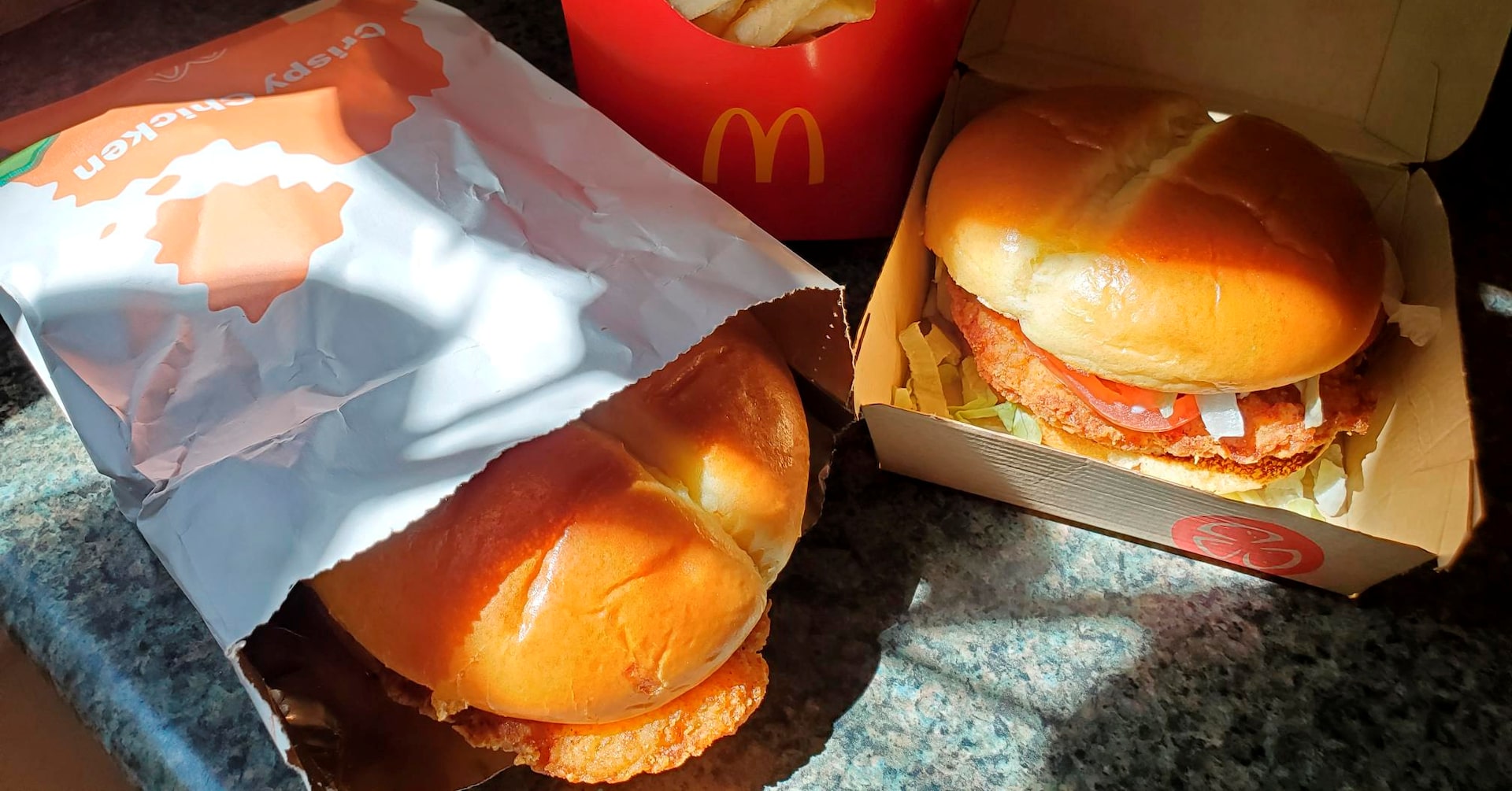
McDonald's Stock Rises as Investors Seek Defensive Assets

- Defensive Asset Appeal: Amid a sell-off in tech stocks, McDonald's shares rose about 4%, reflecting investors' preference for defensive dividend payers, even as its stock is down approximately 8% in 2026.
- Franchise Model Advantage: As of 2025, about 95% of McDonald's 45,356 restaurants are franchised, generating $13.9 billion in profits, which accounts for over 90% of total margins, ensuring stable income streams during economic uncertainty.
- Dividend Record Continuation: McDonald's has raised its dividend for 49 consecutive years, with a current quarterly payout of $1.86 per share, yielding about 2.7%, and if this trend continues, it will mark the 50th increase, a rare milestone among public companies.
- Loyalty Program Effectiveness: Global systemwide sales grew 11% to over $34 billion, with loyalty program members spending over $9 billion across 70 markets, indicating McDonald's ability to attract more customers and maintain stable revenues even in a weak economy.
Analysis of Retirement Income Growth Strategies

- Income Growth Potential: Starting with a 3.5% yield and assuming an 8% annual growth, a $35,000 income can grow to approximately $140,000 in 20 years, highlighting the critical importance of compounding effects in long-term retirement income.
- High-Yield Risks: High-yield instruments like mortgage REITs may offer substantial initial income, but as principal erodes, retirees will face significant purchasing power loss over a 25-year retirement, underscoring the need for stable growth investments.
- Advantages of Dividend Growth: Companies like Johnson & Johnson and Procter & Gamble have consistently raised dividends over the past decade, achieving 175% and 70 years of dividend growth respectively, demonstrating the effectiveness of dividend growth strategies in long-term investing.
- Capital Requirement Analysis: To achieve an annual income of $60,000, a 3.5% yield requires approximately $1.714 million in capital, while a 12% yield only needs $500,000; although high yields seem attractive, stable growth investments may prove more advantageous in the long run.
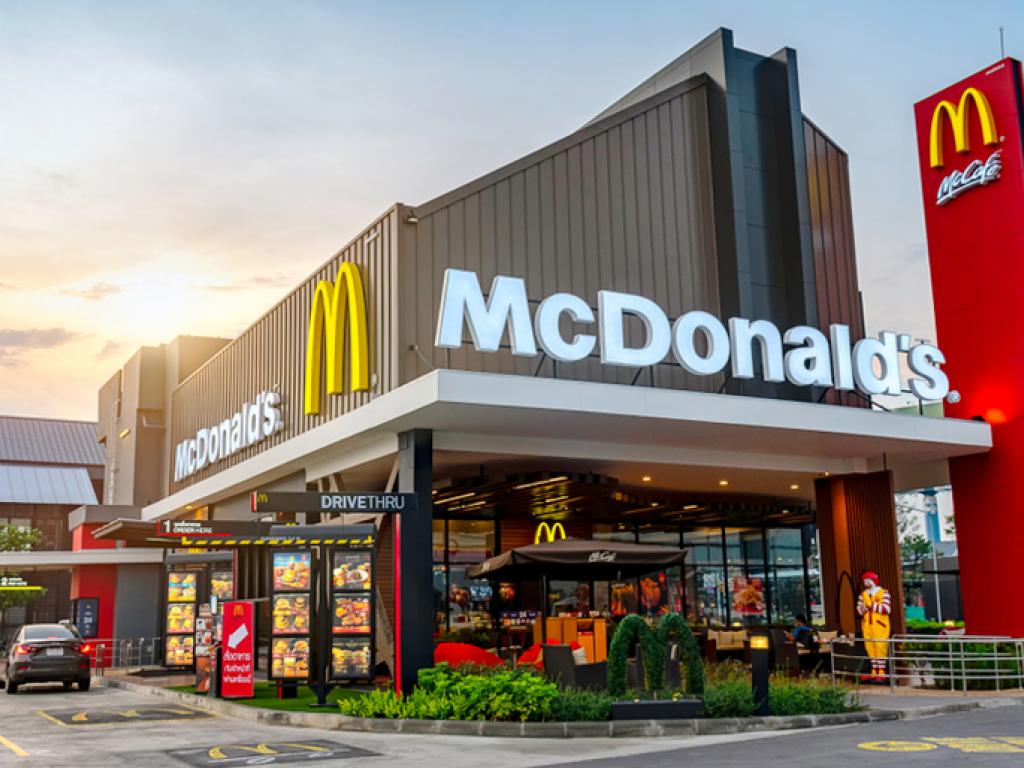
McDonald's Stock Rises 4% Amid Market Shift
- Stock Movement: McDonald's shares rose about 4% on Thursday while the Nasdaq Composite fell 0.8%, indicating a shift in investor preference towards defensive stocks amid tech sell-offs, even though the stock is down approximately 8% in 2026.
- Franchise Model: As of 2025, about 95% of McDonald's 45,356 restaurants are franchised, generating $13.9 billion in margin dollars, which highlights the stability and risk resilience of its revenue model, particularly in uncertain economic times.
- Dividend Record: McDonald's has raised its dividend for 49 consecutive years, with a current quarterly payout of $1.86 per share and a yield of about 2.7%, and is expected to announce its 50th increase this fall, a milestone that attracts income-focused investors due to its rarity among public companies.
- Loyalty Program: The loyalty program has generated over $9 billion in spending across 70 markets, demonstrating customer retention and competitive strength in a downturn, despite risks from value wars and consumer trade-downs.
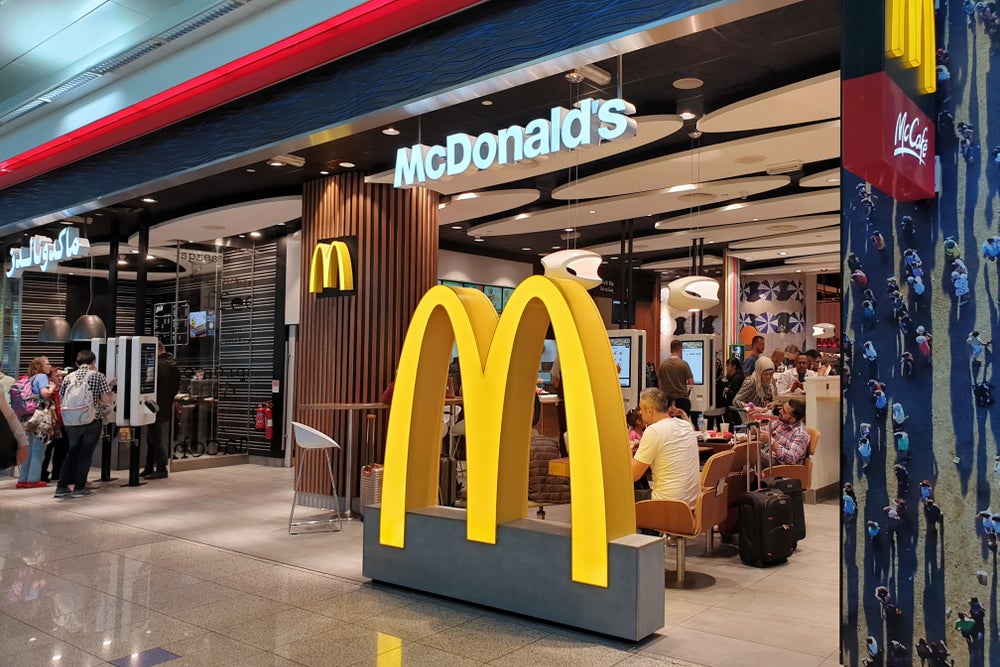
McDonald's Stock Rises 4% While Nasdaq Falls: Is the Dividend Juggernaut Back?

- Stock Movement: Amidst a sell-off in tech stocks, McDonald's shares rose approximately 4% on Thursday while the Nasdaq Composite fell by 0.8%, indicating a market shift towards defensive stocks, although McDonald's remains 18% below its 52-week high.
- Franchise Model: As of 2025, about 95% of McDonald's 45,356 restaurants are franchised, generating $13.9 billion in margin dollars, which highlights the stability and risk resilience of its income structure, particularly in uncertain economic times.
- Dividend Record: McDonald's has raised its dividend for 49 consecutive years, with a current quarterly payout of $1.86 per share, yielding approximately 2.7%, and if the trend continues, it will mark the 50th increase, a milestone rare among public companies, attracting income-focused investors.
- Loyalty Program: The loyalty program has generated over $9 billion in spending across 70 markets, enhancing customer retention and providing McDonald's with leverage in pricing and promotions, which is crucial during economic downturns, further solidifying its market position.
Investment Opportunities in McDonald's, Clorox, and General Mills

- Stability of McDonald's: McDonald's announced its 49th consecutive dividend increase in late 2025, and despite trading near its 52-week lows, the company reported a 3.6% increase in same-store sales for Q1 2026, demonstrating resilience and long-term viability in the fast-food sector.
- Clorox's Brand Management: Clorox has increased its dividend for 48 consecutive years and is on track to become a Dividend King in 2027; although its stock is near five-year lows, the acquisition of Gojo, which owns the Purell brand, could help expand its B2B market reach and enhance future growth potential.
- General Mills' Adjustment Strategy: After facing challenges in fiscal 2026, General Mills has adjusted its pricing structure and expects adjusted earnings per share to range from $3.00 to $3.20 for fiscal 2027; while dividend growth may stagnate, its 127-year history of consistent dividends underscores its survival capability.
- Investor Opportunities: Despite McDonald's, Clorox, and General Mills currently being in a downturn, their high dividend yields and stable business models present attractive investment opportunities for value investors, especially during periods of negative market sentiment.
Investment Opportunities in McDonald's, Clorox, and General Mills
- McDonald's Dividend King Path: McDonald's announced its 49th dividend increase in 2025, just one year away from becoming a Dividend King, and despite its stock trading near 52-week lows, the company reported a 3.6% increase in same-store sales in Q1, indicating stable business performance.
- Clorox's Growth Potential: Clorox has increased its dividend for 48 consecutive years and is on track to become a Dividend King in 2027; although its stock is near five-year lows, the acquisition of the Purell brand will enhance its competitiveness in the B2B market, potentially driving future growth.
- General Mills' Recovery Signal: General Mills' stock bounced back after reporting fiscal 2026 earnings, and despite a long downtrend, its P/E ratio of 8.5 is well below the 15x five-year average, while its historically high dividend yield of 7% offers appeal to investors.
- Cautious Investor Selection: While McDonald's, Clorox, and General Mills are currently out of favor on Wall Street, they are well-managed companies with long histories of success, attracting investors to seek value during these downturns.
McDonald's Stock Rises as Investors Seek Defensive Assets
- Defensive Asset Appeal: Amid a sell-off in tech stocks, McDonald's shares rose about 4%, reflecting investors' preference for defensive dividend payers, even as its stock is down approximately 8% in 2026.
- Franchise Model Advantage: As of 2025, about 95% of McDonald's 45,356 restaurants are franchised, generating $13.9 billion in profits, which accounts for over 90% of total margins, ensuring stable income streams during economic uncertainty.
- Dividend Record Continuation: McDonald's has raised its dividend for 49 consecutive years, with a current quarterly payout of $1.86 per share, yielding about 2.7%, and if this trend continues, it will mark the 50th increase, a rare milestone among public companies.
- Loyalty Program Effectiveness: Global systemwide sales grew 11% to over $34 billion, with loyalty program members spending over $9 billion across 70 markets, indicating McDonald's ability to attract more customers and maintain stable revenues even in a weak economy.
Analysis of Retirement Income Growth Strategies
- Income Growth Potential: Starting with a 3.5% yield and assuming an 8% annual growth, a $35,000 income can grow to approximately $140,000 in 20 years, highlighting the critical importance of compounding effects in long-term retirement income.
- High-Yield Risks: High-yield instruments like mortgage REITs may offer substantial initial income, but as principal erodes, retirees will face significant purchasing power loss over a 25-year retirement, underscoring the need for stable growth investments.
- Advantages of Dividend Growth: Companies like Johnson & Johnson and Procter & Gamble have consistently raised dividends over the past decade, achieving 175% and 70 years of dividend growth respectively, demonstrating the effectiveness of dividend growth strategies in long-term investing.
- Capital Requirement Analysis: To achieve an annual income of $60,000, a 3.5% yield requires approximately $1.714 million in capital, while a 12% yield only needs $500,000; although high yields seem attractive, stable growth investments may prove more advantageous in the long run.
McDonald's Stock Rises 4% Amid Market Shift
- Stock Movement: McDonald's shares rose about 4% on Thursday while the Nasdaq Composite fell 0.8%, indicating a shift in investor preference towards defensive stocks amid tech sell-offs, even though the stock is down approximately 8% in 2026.
- Franchise Model: As of 2025, about 95% of McDonald's 45,356 restaurants are franchised, generating $13.9 billion in margin dollars, which highlights the stability and risk resilience of its revenue model, particularly in uncertain economic times.
- Dividend Record: McDonald's has raised its dividend for 49 consecutive years, with a current quarterly payout of $1.86 per share and a yield of about 2.7%, and is expected to announce its 50th increase this fall, a milestone that attracts income-focused investors due to its rarity among public companies.
- Loyalty Program: The loyalty program has generated over $9 billion in spending across 70 markets, demonstrating customer retention and competitive strength in a downturn, despite risks from value wars and consumer trade-downs.
McDonald's Stock Rises 4% While Nasdaq Falls: Is the Dividend Juggernaut Back?
- Stock Movement: Amidst a sell-off in tech stocks, McDonald's shares rose approximately 4% on Thursday while the Nasdaq Composite fell by 0.8%, indicating a market shift towards defensive stocks, although McDonald's remains 18% below its 52-week high.
- Franchise Model: As of 2025, about 95% of McDonald's 45,356 restaurants are franchised, generating $13.9 billion in margin dollars, which highlights the stability and risk resilience of its income structure, particularly in uncertain economic times.
- Dividend Record: McDonald's has raised its dividend for 49 consecutive years, with a current quarterly payout of $1.86 per share, yielding approximately 2.7%, and if the trend continues, it will mark the 50th increase, a milestone rare among public companies, attracting income-focused investors.
- Loyalty Program: The loyalty program has generated over $9 billion in spending across 70 markets, enhancing customer retention and providing McDonald's with leverage in pricing and promotions, which is crucial during economic downturns, further solidifying its market position.
Investment Opportunities in McDonald's, Clorox, and General Mills
- Stability of McDonald's: McDonald's announced its 49th consecutive dividend increase in late 2025, and despite trading near its 52-week lows, the company reported a 3.6% increase in same-store sales for Q1 2026, demonstrating resilience and long-term viability in the fast-food sector.
- Clorox's Brand Management: Clorox has increased its dividend for 48 consecutive years and is on track to become a Dividend King in 2027; although its stock is near five-year lows, the acquisition of Gojo, which owns the Purell brand, could help expand its B2B market reach and enhance future growth potential.
- General Mills' Adjustment Strategy: After facing challenges in fiscal 2026, General Mills has adjusted its pricing structure and expects adjusted earnings per share to range from $3.00 to $3.20 for fiscal 2027; while dividend growth may stagnate, its 127-year history of consistent dividends underscores its survival capability.
- Investor Opportunities: Despite McDonald's, Clorox, and General Mills currently being in a downturn, their high dividend yields and stable business models present attractive investment opportunities for value investors, especially during periods of negative market sentiment.
Investment Opportunities in McDonald's, Clorox, and General Mills
- McDonald's Dividend King Path: McDonald's announced its 49th dividend increase in 2025, just one year away from becoming a Dividend King, and despite its stock trading near 52-week lows, the company reported a 3.6% increase in same-store sales in Q1, indicating stable business performance.
- Clorox's Growth Potential: Clorox has increased its dividend for 48 consecutive years and is on track to become a Dividend King in 2027; although its stock is near five-year lows, the acquisition of the Purell brand will enhance its competitiveness in the B2B market, potentially driving future growth.
- General Mills' Recovery Signal: General Mills' stock bounced back after reporting fiscal 2026 earnings, and despite a long downtrend, its P/E ratio of 8.5 is well below the 15x five-year average, while its historically high dividend yield of 7% offers appeal to investors.
- Cautious Investor Selection: While McDonald's, Clorox, and General Mills are currently out of favor on Wall Street, they are well-managed companies with long histories of success, attracting investors to seek value during these downturns.





