

Nasdaq Launches Private Capital Indexes for Enhanced Benchmarking
Nasdaq Inc's stock price has declined, hitting a 20-day low amid broader market weakness, with the Nasdaq-100 down 1.23% and the S&P 500 down 0.55%.
The decline in Nasdaq's stock comes despite the recent launch of its Private Capital Indexes, which aims to provide institutional investors with enhanced benchmarking tools for private markets. This initiative is designed to improve transparency and operational efficiency, potentially attracting more capital inflows into the private capital market. However, the overall market sentiment remains cautious, impacting Nasdaq's stock performance negatively.
The introduction of these indexes reflects Nasdaq's commitment to evolving its services in response to market demands. While this strategic move may bolster long-term growth, the immediate impact on stock price is overshadowed by the current market conditions.
Trade with 70% Backtested Accuracy
Analyst Views on NDAQ

About NDAQ
About the author


Nasdaq Celebrates 250 Years of American Independence with Trump Accounts Launch

- Launch of Trump Accounts: Nasdaq rang the opening bell at the White House, marking the first trading day for Trump Accounts, which provides a one-time $1,000 seed contribution for children born between 2025 and 2028, aimed at fostering long-term investment awareness and economic participation among children.
- Government Support and Matching: The U.S. Department of the Treasury offers a $1,000 seed contribution for eligible children, while Nasdaq will match this contribution for newborns of its employees, providing a total of $2,000 to kickstart their investment journey, thereby enhancing employee financial wellness and literacy.
- Annual Contribution Opportunities: The program allows any child under 18 to receive up to $5,000 annually from family, friends, and employers, further expanding investment opportunities for children and promoting financial participation and social responsibility within families.
- Commitment to Long-term Economic Participation: The launch of Trump Accounts not only continues the legacy of American economic leadership but also reflects Nasdaq's strong commitment to the long-term financial wellness and economic participation of every American citizen, aiming to drive economic growth through broad market participation.
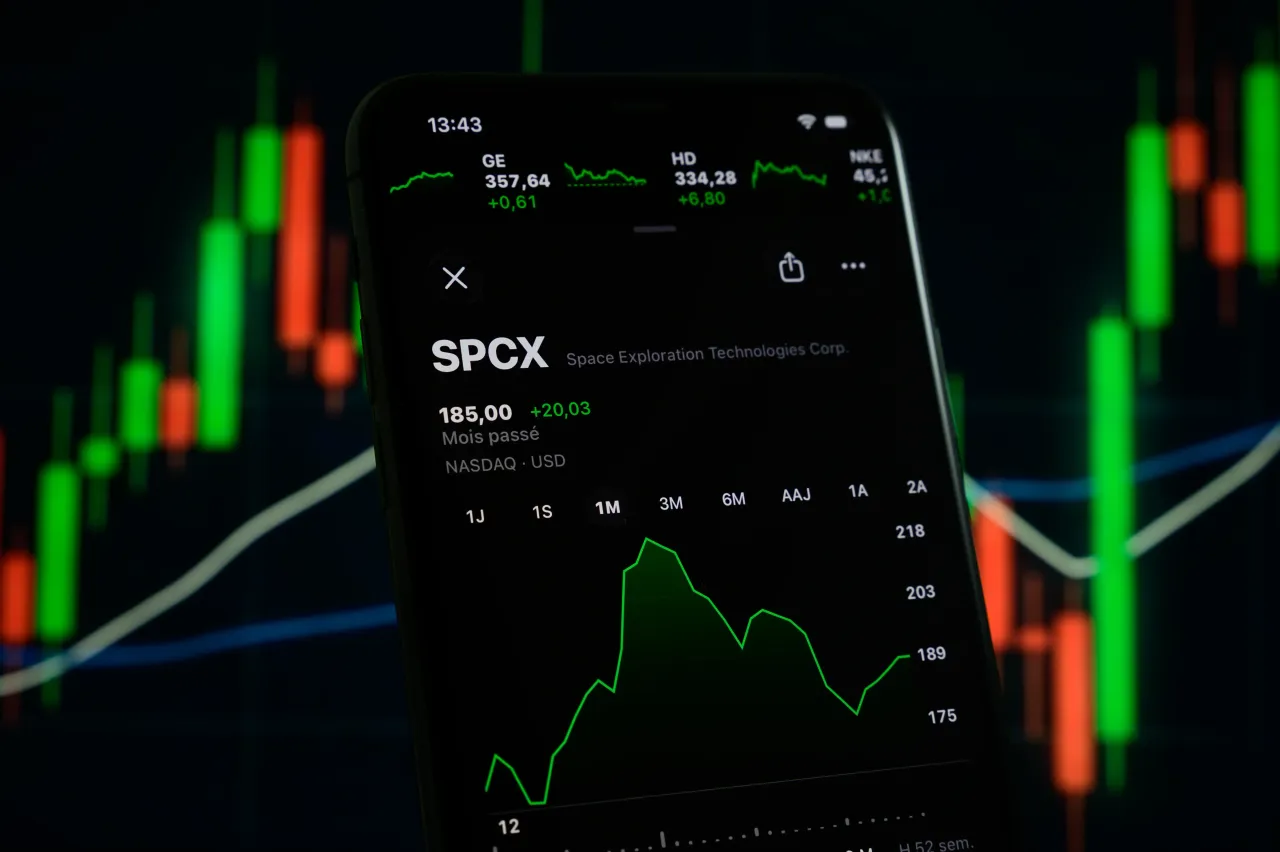
SpaceX IPO Faces Market Pressure and Criticism

- IPO Performance: Following its June 12 IPO, SpaceX is expected to have an index weight of only 1% to 1.3% due to selling less than 5% of its shares publicly, which limits its market influence despite a $2 trillion valuation.
- Lockup Risk: With some insider lockup periods set to expire 70 to 135 days post-IPO, future selling pressure may arise, particularly as CEO Elon Musk's shares are expected to remain locked for about a year, adding uncertainty to the market.
- Valuation Controversy: Investment strategist Jeremy Grantham criticized SpaceX's valuation as the “craziest IPO in the history of man,” arguing that despite its lofty valuation, the company is still losing money, with its long-term prospects heavily reliant on its “third-rate” AI technology.
- Retail Investor Sentiment Shift: Over the past week, retail sentiment for SPCX flipped from ‘extremely bullish’ to ‘bearish,’ with a massive 26,150% surge in message volumes, indicating growing concerns about its future performance.

Analysis of SpaceX's Stock Volatility Post-IPO

- Starlink Profitability: SpaceX's Starlink satellite internet business contributed approximately 60% of its $18.7 billion revenue in 2025, and despite a net loss of $4.94 billion that year, the $4.4 billion operating income from Starlink provides essential funding for future growth.
- FCC Approval for Expansion: The Federal Communications Commission has authorized SpaceX to deploy an additional 7,500 second-generation Starlink satellites, bringing the total to 15,000, which will enhance the company's broadband capacity and global coverage, strengthening its competitive position in the market.
- AI Infrastructure Contracts: SpaceX secured a deal with Alphabet to receive $920 million monthly starting October 2026 for compute capacity, with the two contracts potentially worth $26 billion annually, further solidifying its position in the AI infrastructure sector.
- Inclusion in Nasdaq-100: SpaceX is set to join the Nasdaq-100 on July 7, which may lead to approximately $4.3 billion in new investments in its shares, potentially driving a stock rebound, although short interest has climbed to 196 million shares, about 31% of the publicly traded shares.

Analysis of SpaceX's Stock Volatility Post-IPO

- Starlink Growth: SpaceX's Starlink satellite internet business contributed approximately 60% of the company's $18.7 billion revenue in 2025, generating $4.4 billion in operating income, highlighting its strong growth potential in the satellite internet market.
- FCC Approval for Expansion: The Federal Communications Commission approved SpaceX to deploy an additional 7,500 second-generation Starlink satellites, bringing the total to 15,000, which will enhance the company's broadband capacity and global coverage, further solidifying its market position.
- AI Infrastructure Contracts: SpaceX secured a deal with Alphabet to receive $920 million per month from October 2026 to June 2029, ensuring a stable revenue stream in the AI infrastructure sector, with total contract value potentially reaching $26 billion annually.
- Joining Nasdaq-100: SpaceX is set to join the Nasdaq-100 on July 7, 2026, which may require approximately $4.3 billion in funds to purchase its shares, likely driving up the stock price and attracting more investor attention.
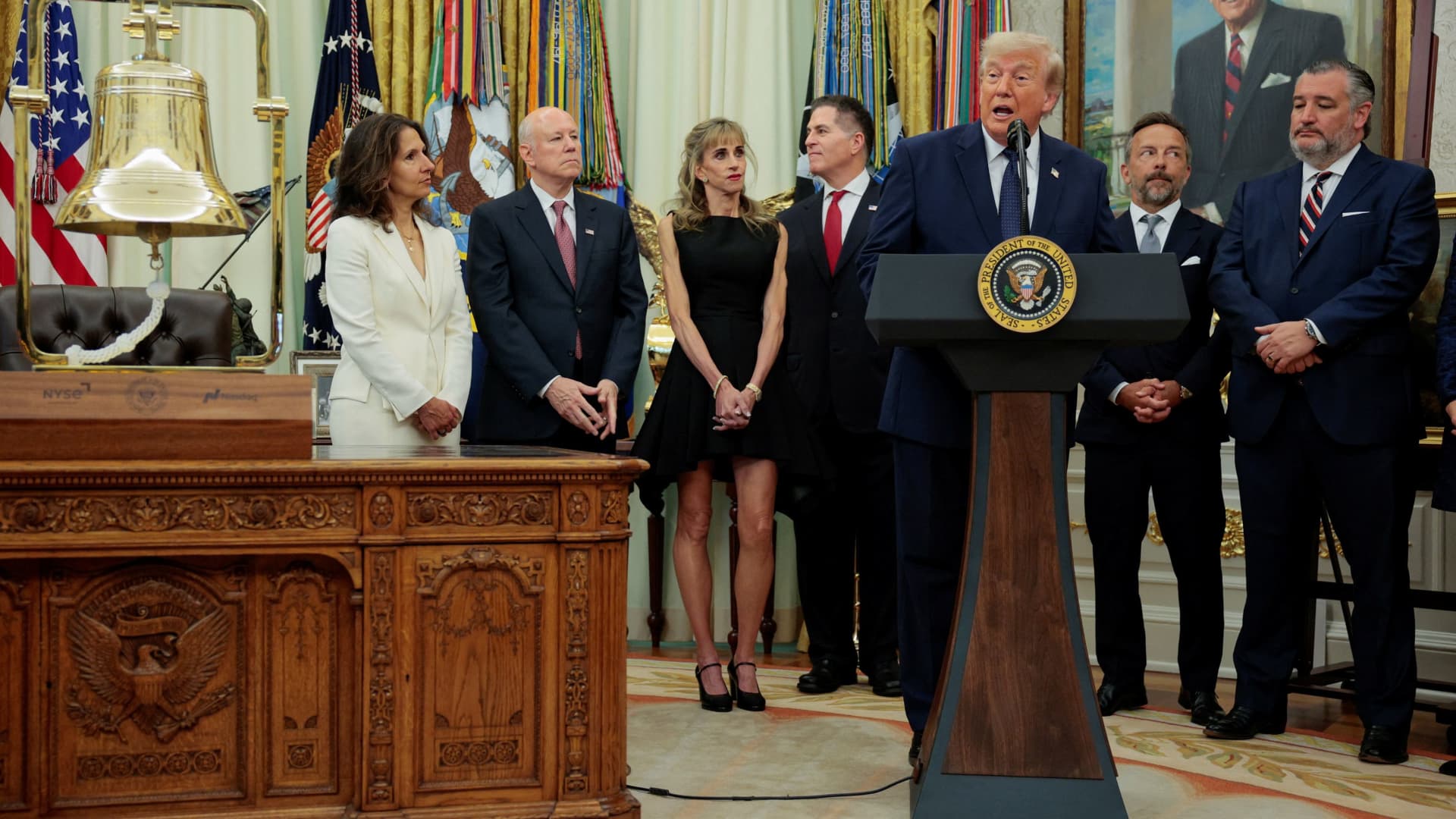
Trump Rings Opening Bell for New Investment Accounts for Kids

- Trump's Market Opening: Trump rang the opening bell from the Oval Office in a historic joint ceremony with the NYSE and Nasdaq, marking the launch of 'Trump Accounts' and highlighting government support for new investment tools aimed at children.
- Major Donation Commitment: Dell CEO Michael Dell and his wife pledged over $6 billion to the initiative, showcasing strong corporate backing for 'Trump Accounts' and potentially enhancing children's investment education and financial literacy.
- Account Features: The new accounts are available for all children aged 18 and under, including a one-time $1,000 pilot program contribution from the U.S. Treasury for babies born between 2025 and 2028, aimed at providing initial investment capital for families.
- Potential Impact: Robinhood CEO Vlad Tenev described these accounts as potentially 'life-changing', indicating that the policy could significantly influence the investment habits of the younger generation and promote broader economic participation.
SpaceX Set to Join Nasdaq-100 Amid Major Catalysts

- Record IPO Financing: SpaceX raised $85.7 billion in its initial public offering, marking the largest IPO in Wall Street history, which will provide substantial funding for future expansion and technological innovation.
- Inclusion in Nasdaq-100: SpaceX is set to officially join the Nasdaq-100 on July 7, a move that will trigger billions in passive investment inflows, potentially boosting its stock price and enhancing market recognition.
- Accelerated Inclusion Rules: Nasdaq Global Indexes amended its inclusion criteria on May 1, removing the low-float requirement and shortening the inclusion timeline to 15 trading days, which will expedite SpaceX's market integration and improve liquidity.
- Wall Street Analyst Coverage Release: The 25-day quiet period for SpaceX will end on July 7, with expectations that many participating underwriters will issue buy ratings and optimistic price targets, further driving investor interest and market confidence in its stock.
Nasdaq Celebrates 250 Years of American Independence with Trump Accounts Launch
- Launch of Trump Accounts: Nasdaq rang the opening bell at the White House, marking the first trading day for Trump Accounts, which provides a one-time $1,000 seed contribution for children born between 2025 and 2028, aimed at fostering long-term investment awareness and economic participation among children.
- Government Support and Matching: The U.S. Department of the Treasury offers a $1,000 seed contribution for eligible children, while Nasdaq will match this contribution for newborns of its employees, providing a total of $2,000 to kickstart their investment journey, thereby enhancing employee financial wellness and literacy.
- Annual Contribution Opportunities: The program allows any child under 18 to receive up to $5,000 annually from family, friends, and employers, further expanding investment opportunities for children and promoting financial participation and social responsibility within families.
- Commitment to Long-term Economic Participation: The launch of Trump Accounts not only continues the legacy of American economic leadership but also reflects Nasdaq's strong commitment to the long-term financial wellness and economic participation of every American citizen, aiming to drive economic growth through broad market participation.
SpaceX IPO Faces Market Pressure and Criticism
- IPO Performance: Following its June 12 IPO, SpaceX is expected to have an index weight of only 1% to 1.3% due to selling less than 5% of its shares publicly, which limits its market influence despite a $2 trillion valuation.
- Lockup Risk: With some insider lockup periods set to expire 70 to 135 days post-IPO, future selling pressure may arise, particularly as CEO Elon Musk's shares are expected to remain locked for about a year, adding uncertainty to the market.
- Valuation Controversy: Investment strategist Jeremy Grantham criticized SpaceX's valuation as the “craziest IPO in the history of man,” arguing that despite its lofty valuation, the company is still losing money, with its long-term prospects heavily reliant on its “third-rate” AI technology.
- Retail Investor Sentiment Shift: Over the past week, retail sentiment for SPCX flipped from ‘extremely bullish’ to ‘bearish,’ with a massive 26,150% surge in message volumes, indicating growing concerns about its future performance.
Analysis of SpaceX's Stock Volatility Post-IPO
- Starlink Profitability: SpaceX's Starlink satellite internet business contributed approximately 60% of its $18.7 billion revenue in 2025, and despite a net loss of $4.94 billion that year, the $4.4 billion operating income from Starlink provides essential funding for future growth.
- FCC Approval for Expansion: The Federal Communications Commission has authorized SpaceX to deploy an additional 7,500 second-generation Starlink satellites, bringing the total to 15,000, which will enhance the company's broadband capacity and global coverage, strengthening its competitive position in the market.
- AI Infrastructure Contracts: SpaceX secured a deal with Alphabet to receive $920 million monthly starting October 2026 for compute capacity, with the two contracts potentially worth $26 billion annually, further solidifying its position in the AI infrastructure sector.
- Inclusion in Nasdaq-100: SpaceX is set to join the Nasdaq-100 on July 7, which may lead to approximately $4.3 billion in new investments in its shares, potentially driving a stock rebound, although short interest has climbed to 196 million shares, about 31% of the publicly traded shares.
Analysis of SpaceX's Stock Volatility Post-IPO
- Starlink Growth: SpaceX's Starlink satellite internet business contributed approximately 60% of the company's $18.7 billion revenue in 2025, generating $4.4 billion in operating income, highlighting its strong growth potential in the satellite internet market.
- FCC Approval for Expansion: The Federal Communications Commission approved SpaceX to deploy an additional 7,500 second-generation Starlink satellites, bringing the total to 15,000, which will enhance the company's broadband capacity and global coverage, further solidifying its market position.
- AI Infrastructure Contracts: SpaceX secured a deal with Alphabet to receive $920 million per month from October 2026 to June 2029, ensuring a stable revenue stream in the AI infrastructure sector, with total contract value potentially reaching $26 billion annually.
- Joining Nasdaq-100: SpaceX is set to join the Nasdaq-100 on July 7, 2026, which may require approximately $4.3 billion in funds to purchase its shares, likely driving up the stock price and attracting more investor attention.
Trump Rings Opening Bell for New Investment Accounts for Kids
- Trump's Market Opening: Trump rang the opening bell from the Oval Office in a historic joint ceremony with the NYSE and Nasdaq, marking the launch of 'Trump Accounts' and highlighting government support for new investment tools aimed at children.
- Major Donation Commitment: Dell CEO Michael Dell and his wife pledged over $6 billion to the initiative, showcasing strong corporate backing for 'Trump Accounts' and potentially enhancing children's investment education and financial literacy.
- Account Features: The new accounts are available for all children aged 18 and under, including a one-time $1,000 pilot program contribution from the U.S. Treasury for babies born between 2025 and 2028, aimed at providing initial investment capital for families.
- Potential Impact: Robinhood CEO Vlad Tenev described these accounts as potentially 'life-changing', indicating that the policy could significantly influence the investment habits of the younger generation and promote broader economic participation.
SpaceX Set to Join Nasdaq-100 Amid Major Catalysts
- Record IPO Financing: SpaceX raised $85.7 billion in its initial public offering, marking the largest IPO in Wall Street history, which will provide substantial funding for future expansion and technological innovation.
- Inclusion in Nasdaq-100: SpaceX is set to officially join the Nasdaq-100 on July 7, a move that will trigger billions in passive investment inflows, potentially boosting its stock price and enhancing market recognition.
- Accelerated Inclusion Rules: Nasdaq Global Indexes amended its inclusion criteria on May 1, removing the low-float requirement and shortening the inclusion timeline to 15 trading days, which will expedite SpaceX's market integration and improve liquidity.
- Wall Street Analyst Coverage Release: The 25-day quiet period for SpaceX will end on July 7, with expectations that many participating underwriters will issue buy ratings and optimistic price targets, further driving investor interest and market confidence in its stock.





