

Viper Energy Announces Public Offering of 17.39 Million Shares
Viper Energy's stock fell 5.04% as it crossed below the 5-day SMA amid broader market gains.
The company announced a public offering of 17.39 million shares of Class A common stock, led by Diamondback Energy, expected to raise approximately $798 million. However, Viper will not receive any proceeds from this offering, which may impact its capital structure and future financing capabilities. Additionally, Viper has agreed to purchase 1 million units in VNOM Holding Company LLC from certain affiliates of Oaktree Capital Management, indicating confidence in its operational strategy.
This public offering reflects Viper's proactive approach to capital management, although the lack of direct proceeds may raise concerns among investors regarding the company's financial flexibility.
Trade with 70% Backtested Accuracy
Analyst Views on VNOM

About VNOM
About the author


Viper Energy Completes Acquisition of Riverbend Oil & Gas IX for $337 Million


- Acquisition Completed: Viper Energy has finalized its acquisition of Riverbend Oil & Gas IX for $337 million in cash and approximately 3.7 million shares, enhancing its asset portfolio in mineral and royalty interests and solidifying its market position in the Permian Basin.
- Diverse Funding Sources: The cash portion of the acquisition was financed through a combination of cash on hand and borrowings from the company's credit facility, demonstrating Viper's financial flexibility and stability, which will support its future expansion plans.
- Strategic Implications: This acquisition not only expands Viper's asset base in the oil and gas sector but also potentially increases its future revenue prospects, enhancing its resilience in a competitive market.
- Market Outlook: The acquisition positions Viper to better capitalize on resources in the Permian Basin, expected to provide long-term growth opportunities, particularly against the backdrop of rising oil and gas demand.

Viper Energy RSI Analysis Indicates Potential Buy Opportunity
- RSI Indicator Analysis: Viper Energy Inc's relative strength index (RSI) stands at 28.5, significantly lower than the average RSI of 43.6 for energy stocks, suggesting that recent heavy selling may be nearing exhaustion, prompting investors to consider buying opportunities.
- Market Performance Comparison: The RSI for WTI Crude Oil is at 22.5, Henry Hub Natural Gas is at 53.5, and the 3-2-1 Crack Spread RSI is at 24.6, indicating Viper Energy's relative weakness in the energy market.
- Stock Price Fluctuation: Viper Energy's 52-week low is $35.10 per share, with a high of $51.13, and the current trading price is $41.34, reflecting a decline of about 2.2% on the day, which indicates market caution regarding its future performance.
- Investor Strategy Recommendation: Given the current RSI level, investors may view Viper Energy as a potential buying opportunity, especially if market sentiment shifts, which could attract more capital inflow.
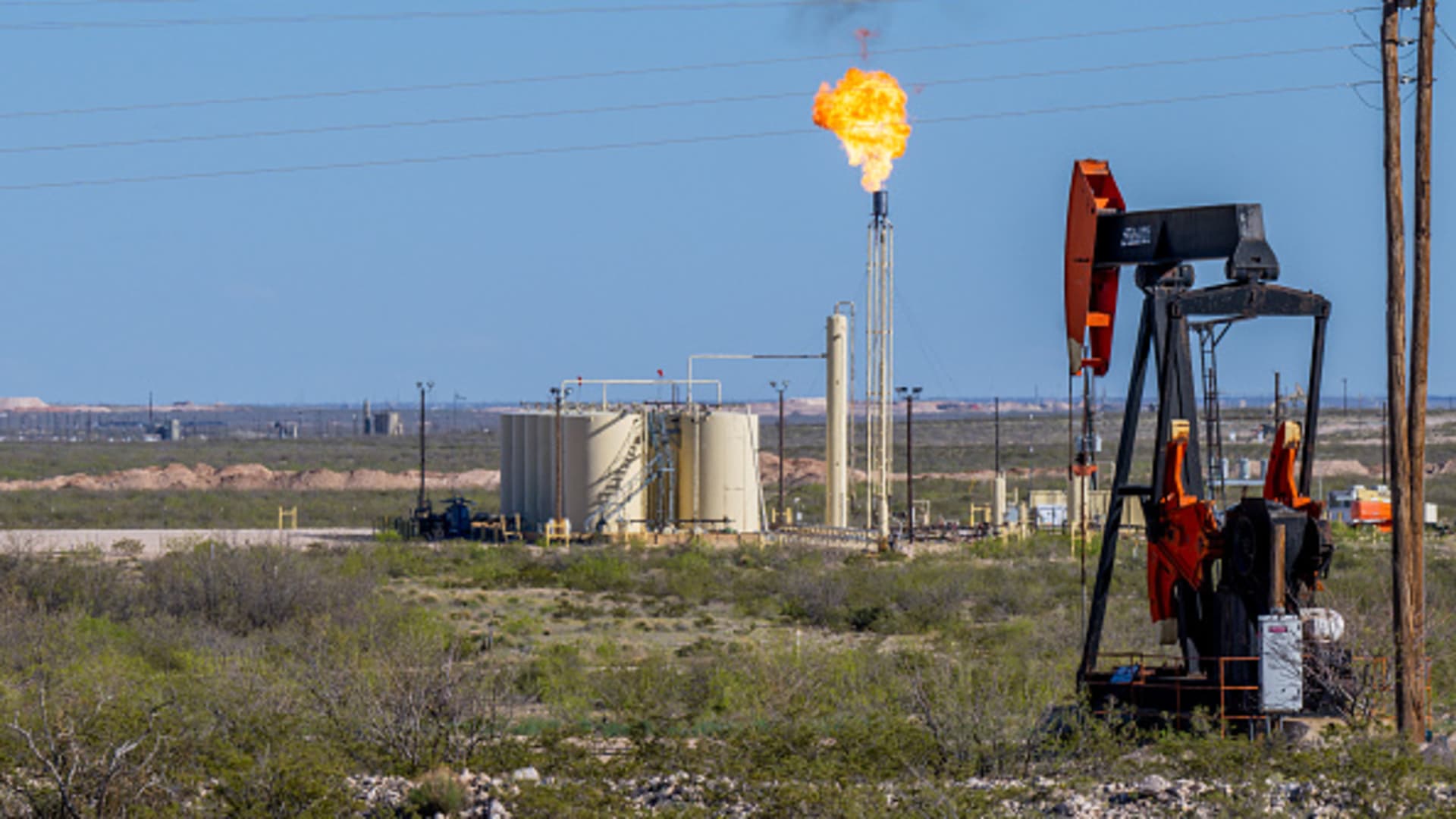
Analysis of Energy Market Choices for 2026

- Company Size Comparison: ConocoPhillips, one of the world's largest independent oil exploration companies, achieved $61.6 billion in revenue for FY 2025, an 8% increase, showcasing its strong competitive position in global markets, while Viper Energy, focusing on mineral and royalty interests, reported nearly $1.4 billion in revenue with a 62% growth but faced a net loss of $68 million, highlighting the fragility of its business model.
- Financial Health Status: ConocoPhillips reported a net income of approximately $8 billion with a net margin of 13%, despite a decline from 16.2% in 2024, and a debt-to-equity ratio of 0.4 indicates a moderate level of borrowing that ensures operational stability; in contrast, Viper Energy's free cash flow was close to negative $1.3 billion, indicating severe financial challenges.
- Risk Analysis: ConocoPhillips faces significant risks from commodity price volatility, particularly sensitivity to crude oil and natural gas prices, alongside regulatory pressures regarding climate change and potential legal litigation; meanwhile, Viper Energy is heavily dependent on Diamondback Energy's operations, where any delays directly impact its royalty revenues, and new environmental regulations may force production cuts.
- Valuation Comparison: ConocoPhillips has a forward P/E of 10.6, indicating relative value, while Viper Energy's P/S ratio stands at 4.1, reflecting its growth potential; in an uncertain market environment, ConocoPhillips's scale and relative value make it more attractive for 2026, especially with its $3.30 per share dividend payout capability.
Analysis of Energy Stock Investment Choices
- Financial Performance: ConocoPhillips achieved $61.6 billion in revenue for FY 2025, marking an 8% increase, with a net income of approximately $8 billion and a net margin of 13%, despite a decline from 16.2% in 2024, indicating its stability and profitability in global markets.
- Capital Structure Analysis: As of December 2025, ConocoPhillips had a debt-to-equity ratio of about 0.4, suggesting a moderate borrowing strategy for operational funding, while its free cash flow was close to $7.2 billion, enhancing financial flexibility.
- Viper Energy Business Model: Viper Energy, primarily reliant on Diamondback Energy, reported nearly $1.4 billion in revenue for FY 2025, a 62% increase, but faced a net loss of $68 million, reflecting challenges in mineral rights income and market volatility risks.
- Market Outlook Comparison: In an uncertain market environment, ConocoPhillips' scale and relative value make it a more attractive investment choice for 2026, particularly with its $3.30 per share dividend payment, demonstrating a commitment to shareholder returns and stability.
Comparative Analysis of Gulfport and Viper Energy

- Gulfport Energy Growth: Gulfport Energy reported approximately $1.3 billion in revenue for FY 2025, reflecting a 43% year-over-year increase, with net income nearing $427.8 million and a net margin of about 32.3%, indicating strong performance in the natural gas and oil markets.
- Viper Energy Model: Viper Energy achieved nearly $1.4 billion in revenue for FY 2025, a 57% increase year-over-year, but reported a net loss of approximately $69 million, resulting in a negative net margin of -5.1%, highlighting challenges in its reliance on partner production.
- Financial Health Comparison: As of December 2025, Gulfport's debt-to-equity ratio stood at approximately 0.4 with a current ratio of about 0.7, while Viper's debt-to-equity ratio was around 0.5 with a current ratio of 3.7, showcasing significant differences in their financial structures.
- Future Outlook: Gulfport is expected to see a 20% increase in earnings per share to around $26 in 2026, and while neither company pays dividends, Gulfport's profitability and value appeal make it more attractive to investors.

Investment Comparison: Gulfport vs. Viper Energy
- Gulfport Energy Growth: Gulfport Energy reported approximately $1.3 billion in revenue for FY 2025, reflecting a 43% year-over-year increase, with a net income of nearly $427.8 million and a net margin of about 32.3%, showcasing its strong performance in the natural gas and oil markets.
- Viper Energy Challenges: Despite Viper Energy achieving nearly $1.4 billion in revenue for FY 2025, a 57% increase, it reported a net loss of approximately $69 million, resulting in a negative net margin of -5.1%, indicating risks associated with its reliance on partner production activities.
- Financial Health Comparison: As of December 2025, Gulfport's debt-to-equity ratio stood at approximately 0.4, with a current ratio of about 0.7, indicating financial stability; in contrast, Viper's debt-to-equity ratio was 0.5, with a high current ratio of 3.7, reflecting strong short-term debt coverage but a free cash flow of -$1.3 billion, highlighting investment pressures.
- Investment Value Assessment: Gulfport's forward P/E ratio of 7.1x is significantly lower than Viper's 21.3x, suggesting that Gulfport may represent a more value-oriented investment choice, particularly in the context of fluctuating oil and gas prices.
Viper Energy Completes Acquisition of Riverbend Oil & Gas IX for $337 Million
- Acquisition Completed: Viper Energy has finalized its acquisition of Riverbend Oil & Gas IX for $337 million in cash and approximately 3.7 million shares, enhancing its asset portfolio in mineral and royalty interests and solidifying its market position in the Permian Basin.
- Diverse Funding Sources: The cash portion of the acquisition was financed through a combination of cash on hand and borrowings from the company's credit facility, demonstrating Viper's financial flexibility and stability, which will support its future expansion plans.
- Strategic Implications: This acquisition not only expands Viper's asset base in the oil and gas sector but also potentially increases its future revenue prospects, enhancing its resilience in a competitive market.
- Market Outlook: The acquisition positions Viper to better capitalize on resources in the Permian Basin, expected to provide long-term growth opportunities, particularly against the backdrop of rising oil and gas demand.
Viper Energy RSI Analysis Indicates Potential Buy Opportunity
- RSI Indicator Analysis: Viper Energy Inc's relative strength index (RSI) stands at 28.5, significantly lower than the average RSI of 43.6 for energy stocks, suggesting that recent heavy selling may be nearing exhaustion, prompting investors to consider buying opportunities.
- Market Performance Comparison: The RSI for WTI Crude Oil is at 22.5, Henry Hub Natural Gas is at 53.5, and the 3-2-1 Crack Spread RSI is at 24.6, indicating Viper Energy's relative weakness in the energy market.
- Stock Price Fluctuation: Viper Energy's 52-week low is $35.10 per share, with a high of $51.13, and the current trading price is $41.34, reflecting a decline of about 2.2% on the day, which indicates market caution regarding its future performance.
- Investor Strategy Recommendation: Given the current RSI level, investors may view Viper Energy as a potential buying opportunity, especially if market sentiment shifts, which could attract more capital inflow.
Analysis of Energy Market Choices for 2026
- Company Size Comparison: ConocoPhillips, one of the world's largest independent oil exploration companies, achieved $61.6 billion in revenue for FY 2025, an 8% increase, showcasing its strong competitive position in global markets, while Viper Energy, focusing on mineral and royalty interests, reported nearly $1.4 billion in revenue with a 62% growth but faced a net loss of $68 million, highlighting the fragility of its business model.
- Financial Health Status: ConocoPhillips reported a net income of approximately $8 billion with a net margin of 13%, despite a decline from 16.2% in 2024, and a debt-to-equity ratio of 0.4 indicates a moderate level of borrowing that ensures operational stability; in contrast, Viper Energy's free cash flow was close to negative $1.3 billion, indicating severe financial challenges.
- Risk Analysis: ConocoPhillips faces significant risks from commodity price volatility, particularly sensitivity to crude oil and natural gas prices, alongside regulatory pressures regarding climate change and potential legal litigation; meanwhile, Viper Energy is heavily dependent on Diamondback Energy's operations, where any delays directly impact its royalty revenues, and new environmental regulations may force production cuts.
- Valuation Comparison: ConocoPhillips has a forward P/E of 10.6, indicating relative value, while Viper Energy's P/S ratio stands at 4.1, reflecting its growth potential; in an uncertain market environment, ConocoPhillips's scale and relative value make it more attractive for 2026, especially with its $3.30 per share dividend payout capability.
Analysis of Energy Stock Investment Choices
- Financial Performance: ConocoPhillips achieved $61.6 billion in revenue for FY 2025, marking an 8% increase, with a net income of approximately $8 billion and a net margin of 13%, despite a decline from 16.2% in 2024, indicating its stability and profitability in global markets.
- Capital Structure Analysis: As of December 2025, ConocoPhillips had a debt-to-equity ratio of about 0.4, suggesting a moderate borrowing strategy for operational funding, while its free cash flow was close to $7.2 billion, enhancing financial flexibility.
- Viper Energy Business Model: Viper Energy, primarily reliant on Diamondback Energy, reported nearly $1.4 billion in revenue for FY 2025, a 62% increase, but faced a net loss of $68 million, reflecting challenges in mineral rights income and market volatility risks.
- Market Outlook Comparison: In an uncertain market environment, ConocoPhillips' scale and relative value make it a more attractive investment choice for 2026, particularly with its $3.30 per share dividend payment, demonstrating a commitment to shareholder returns and stability.
Comparative Analysis of Gulfport and Viper Energy
- Gulfport Energy Growth: Gulfport Energy reported approximately $1.3 billion in revenue for FY 2025, reflecting a 43% year-over-year increase, with net income nearing $427.8 million and a net margin of about 32.3%, indicating strong performance in the natural gas and oil markets.
- Viper Energy Model: Viper Energy achieved nearly $1.4 billion in revenue for FY 2025, a 57% increase year-over-year, but reported a net loss of approximately $69 million, resulting in a negative net margin of -5.1%, highlighting challenges in its reliance on partner production.
- Financial Health Comparison: As of December 2025, Gulfport's debt-to-equity ratio stood at approximately 0.4 with a current ratio of about 0.7, while Viper's debt-to-equity ratio was around 0.5 with a current ratio of 3.7, showcasing significant differences in their financial structures.
- Future Outlook: Gulfport is expected to see a 20% increase in earnings per share to around $26 in 2026, and while neither company pays dividends, Gulfport's profitability and value appeal make it more attractive to investors.
Investment Comparison: Gulfport vs. Viper Energy
- Gulfport Energy Growth: Gulfport Energy reported approximately $1.3 billion in revenue for FY 2025, reflecting a 43% year-over-year increase, with a net income of nearly $427.8 million and a net margin of about 32.3%, showcasing its strong performance in the natural gas and oil markets.
- Viper Energy Challenges: Despite Viper Energy achieving nearly $1.4 billion in revenue for FY 2025, a 57% increase, it reported a net loss of approximately $69 million, resulting in a negative net margin of -5.1%, indicating risks associated with its reliance on partner production activities.
- Financial Health Comparison: As of December 2025, Gulfport's debt-to-equity ratio stood at approximately 0.4, with a current ratio of about 0.7, indicating financial stability; in contrast, Viper's debt-to-equity ratio was 0.5, with a high current ratio of 3.7, reflecting strong short-term debt coverage but a free cash flow of -$1.3 billion, highlighting investment pressures.
- Investment Value Assessment: Gulfport's forward P/E ratio of 7.1x is significantly lower than Viper's 21.3x, suggesting that Gulfport may represent a more value-oriented investment choice, particularly in the context of fluctuating oil and gas prices.





