

Yum! Brands announces significant share repurchase plans
Yum! Brands Inc saw a price increase of 3.07%, reaching a 20-day high, despite the Nasdaq-100 and S&P 500 showing slight declines of 0.19% and 0.10%, respectively.
This rise is attributed to Yum China's announcement of a share repurchase plan totaling approximately $460 million, which is part of a broader strategy to return $1.5 billion to shareholders in 2026. The company's commitment to enhancing shareholder value and confidence is evident, especially with the increased repurchase authorization to $5.4 billion, reflecting strong confidence in future returns.
The implications of these announcements suggest a robust outlook for Yum! Brands, as the share repurchase plans are likely to attract investor interest and enhance market confidence in the company's long-term growth potential.
Trade with 70% Backtested Accuracy
Analyst Views on YUM

About YUM
About the author

UBS Recommends Low Volatility Stocks to Stabilize Portfolios
- Strong Market Performance: The S&P 500 index rose 9.6% in the first half of 2026, achieving nearly a 15% increase in the second quarter, marking its best quarterly performance since 2020, despite investors facing turbulence including the onset of the Iran war.
- Low Volatility Stock Recommendations: UBS highlights the lagging performance of low volatility stocks as capital has concentrated in AI-driven sectors, suggesting investors focus on high-quality companies with resilient fundamentals and attractive valuations to mitigate portfolio swings.
- Positive Outlook for Yum Brands: The parent company of Taco Bell and KFC, Yum Brands, is expected to achieve its highest cash flow return on investment by 2027, with plans for international expansion and a KFC loyalty program driving topline growth, and its stock has risen over 10% this year.
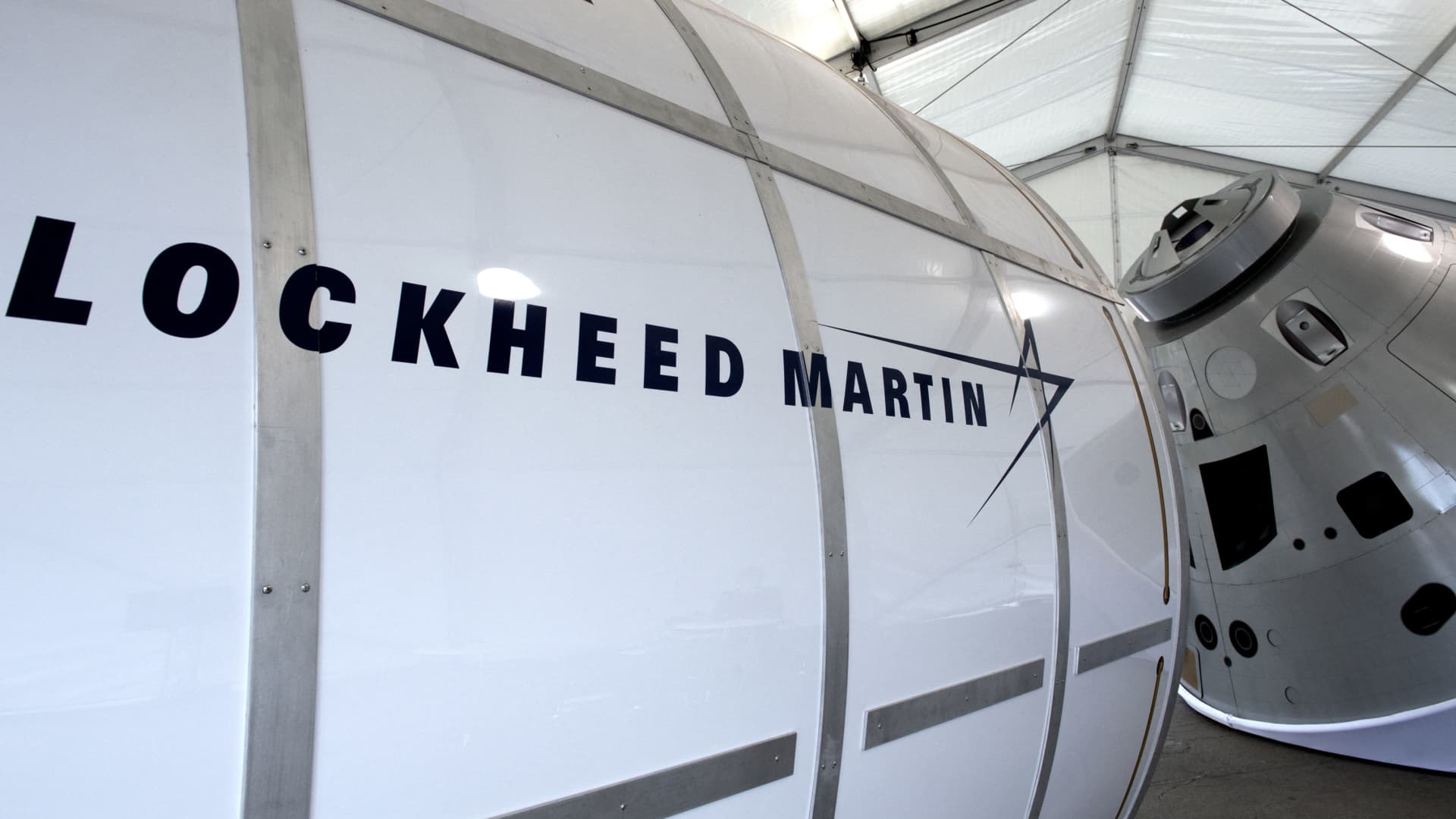
- Significant Potential for Lockheed Martin: While UBS maintains a neutral stance on Lockheed Martin, it anticipates a positive reaction to its upcoming second-quarter earnings report, with a $35 billion defense contract potentially boosting 2026 performance, and the stock has increased by about 10%.
Market Underestimates Domino's Pizza Potential
- Digital Transformation: Domino's Pizza enhances customer experience and order efficiency by strengthening its digital ordering system in an inflationary environment, which is expected to drive sales growth further.
- Pricing Strategy: The company adopts a low-price strategy to attract more consumers, and despite rising costs, this approach helps maintain market share and strengthen competitiveness.
- Smart Promotions: By implementing smart promotional activities, Domino's can accurately target customer segments, thereby increasing conversion rates and optimizing marketing expenditures.
- Profitability Assessment: Although the current P/E ratio is around 16x, analysts believe the market's expectations for its future profitability remain conservative, potentially underestimating its long-term growth potential.

World Cup Marketing Shift: Rise of Non-Sponsor Brands


- Rise of Non-Sponsor Brands: During the World Cup, non-official sponsors like Levi's and Taco Bell gained significant social media traction through innovative marketing strategies, with Levi's mentions increasing by 44% since the tournament began, showcasing the brand's influence in cultural moments.
- Surge in Advertising Spend: According to WARC Media, this year's World Cup advertising spending is expected to reach $10.5 billion, although lower than the $12.6 billion in 2018, the week leading up to the tournament saw a 42% week-over-week increase in ad spending, indicating brands' high engagement with the event.
- Social Media Engagement: Meltwater reported that non-sponsor brands generated nearly double the engagement of official sponsors on social media, reaching approximately 61 million interactions compared to just 33 million for sponsors, highlighting the advantage of non-sponsor brands in driving user engagement.
- Shift in Brand Strategy: As consumer frustration with FIFA's commercialization grows, brands like Levi's and Gillette cleverly leveraged sponsorship restrictions to attract consumer attention, suggesting that future brand partnerships may be influenced by the dynamics of non-sponsor visibility.
World Cup Marketing Trend: Rise of Non-Sponsor Brands
- Non-Sponsor Success: During the World Cup, non-official sponsors like Taco Bell and Levi's gained significant social media traction through creative marketing strategies, with Levi's mentions increasing by 44% since the tournament began, showcasing the brand's influence in cultural moments.
- Surge in Ad Spending: According to WARC Media, this year's World Cup advertising spending is expected to reach $10.5 billion, although lower than the $12.6 billion in 2018, ad spending increased by 42% week-over-week leading up to the event, indicating brands' commitment to the tournament.
- Social Media Engagement: Research from Meltwater indicates that non-sponsor brand collaborations generated nearly double the engagement of official sponsors, reaching 61 million compared to just 33 million for sponsors, reflecting consumer preference for authentic branding.
- Shifting Brand Strategies: As consumer frustration with FIFA's commercialization grows, brands like Gillette and Levi's have garnered support through humorous and rebellious marketing strategies, suggesting that future brand partnerships may be significantly influenced by the success of non-sponsors.
Yum! Brands Sells Pizza Hut Franchise for $2.7 Billion
- Sale of Pizza Hut: Yum! Brands announced the sale of its Pizza Hut franchise to LongRange Capital for $2.7 billion, aiming to divest a poorly performing business to enhance overall company value and improve shareholder returns.
- Financial Performance Improvement: Despite Pizza Hut's same-store sales declining in 2025 and remaining flat in Q1 2026, Yum! Brands achieved $2.06 billion in revenue in Q1, reflecting a 15% year-over-year increase, indicating an overall improvement in the company's financial health.
- Stable Dividend Growth: Yum! Brands maintains a $3.00 per share dividend, which has increased for nine consecutive years, with a 1.9% dividend yield surpassing the S&P 500 average of 1.1%, demonstrating the company's ongoing commitment to shareholder returns.
- Comparison with McDonald's: While the sale may provide short-term benefits for Yum! Brands, McDonald's focus on a single franchise model and stable revenue from real estate ownership offers greater resilience during economic cycles, attracting more investor interest.
Yum! Brands Sells Pizza Hut Franchise for $2.7 Billion
- Pizza Hut Sale Impact: Yum! Brands announced the sale of its Pizza Hut franchise for $2.7 billion, which, despite the brand's underperformance compared to KFC and Taco Bell, is expected to enhance overall financial performance and boost shareholder confidence.
- Financial Performance Boost: In Q1 2026, Yum! Brands reported $2.06 billion in revenue, a 15% year-over-year increase, with net income rising to $432 million, a 71% increase, indicating improved profitability following a reduction in tax burden.
- Stable Dividend Growth: Yum! Brands maintains a $3.00 per share dividend, which has increased for nine consecutive years, yielding 1.9%, surpassing the S&P 500's 1.1%, reflecting the company's ongoing commitment to shareholder returns.
- Comparison with McDonald's: While Yum! Brands' divestiture may lead to improvements, McDonald's business model is more stable, with 95% of its restaurants being franchises and owning properties that provide rental income, making it more resilient during economic cycles.
UBS Recommends Low Volatility Stocks to Stabilize Portfolios
- Strong Market Performance: The S&P 500 index rose 9.6% in the first half of 2026, achieving nearly a 15% increase in the second quarter, marking its best quarterly performance since 2020, despite investors facing turbulence including the onset of the Iran war.
- Low Volatility Stock Recommendations: UBS highlights the lagging performance of low volatility stocks as capital has concentrated in AI-driven sectors, suggesting investors focus on high-quality companies with resilient fundamentals and attractive valuations to mitigate portfolio swings.
- Positive Outlook for Yum Brands: The parent company of Taco Bell and KFC, Yum Brands, is expected to achieve its highest cash flow return on investment by 2027, with plans for international expansion and a KFC loyalty program driving topline growth, and its stock has risen over 10% this year.
- Significant Potential for Lockheed Martin: While UBS maintains a neutral stance on Lockheed Martin, it anticipates a positive reaction to its upcoming second-quarter earnings report, with a $35 billion defense contract potentially boosting 2026 performance, and the stock has increased by about 10%.
Market Underestimates Domino's Pizza Potential
- Digital Transformation: Domino's Pizza enhances customer experience and order efficiency by strengthening its digital ordering system in an inflationary environment, which is expected to drive sales growth further.
- Pricing Strategy: The company adopts a low-price strategy to attract more consumers, and despite rising costs, this approach helps maintain market share and strengthen competitiveness.
- Smart Promotions: By implementing smart promotional activities, Domino's can accurately target customer segments, thereby increasing conversion rates and optimizing marketing expenditures.
- Profitability Assessment: Although the current P/E ratio is around 16x, analysts believe the market's expectations for its future profitability remain conservative, potentially underestimating its long-term growth potential.
World Cup Marketing Shift: Rise of Non-Sponsor Brands
- Rise of Non-Sponsor Brands: During the World Cup, non-official sponsors like Levi's and Taco Bell gained significant social media traction through innovative marketing strategies, with Levi's mentions increasing by 44% since the tournament began, showcasing the brand's influence in cultural moments.
- Surge in Advertising Spend: According to WARC Media, this year's World Cup advertising spending is expected to reach $10.5 billion, although lower than the $12.6 billion in 2018, the week leading up to the tournament saw a 42% week-over-week increase in ad spending, indicating brands' high engagement with the event.
- Social Media Engagement: Meltwater reported that non-sponsor brands generated nearly double the engagement of official sponsors on social media, reaching approximately 61 million interactions compared to just 33 million for sponsors, highlighting the advantage of non-sponsor brands in driving user engagement.
- Shift in Brand Strategy: As consumer frustration with FIFA's commercialization grows, brands like Levi's and Gillette cleverly leveraged sponsorship restrictions to attract consumer attention, suggesting that future brand partnerships may be influenced by the dynamics of non-sponsor visibility.
World Cup Marketing Trend: Rise of Non-Sponsor Brands
- Non-Sponsor Success: During the World Cup, non-official sponsors like Taco Bell and Levi's gained significant social media traction through creative marketing strategies, with Levi's mentions increasing by 44% since the tournament began, showcasing the brand's influence in cultural moments.
- Surge in Ad Spending: According to WARC Media, this year's World Cup advertising spending is expected to reach $10.5 billion, although lower than the $12.6 billion in 2018, ad spending increased by 42% week-over-week leading up to the event, indicating brands' commitment to the tournament.
- Social Media Engagement: Research from Meltwater indicates that non-sponsor brand collaborations generated nearly double the engagement of official sponsors, reaching 61 million compared to just 33 million for sponsors, reflecting consumer preference for authentic branding.
- Shifting Brand Strategies: As consumer frustration with FIFA's commercialization grows, brands like Gillette and Levi's have garnered support through humorous and rebellious marketing strategies, suggesting that future brand partnerships may be significantly influenced by the success of non-sponsors.
Yum! Brands Sells Pizza Hut Franchise for $2.7 Billion
- Sale of Pizza Hut: Yum! Brands announced the sale of its Pizza Hut franchise to LongRange Capital for $2.7 billion, aiming to divest a poorly performing business to enhance overall company value and improve shareholder returns.
- Financial Performance Improvement: Despite Pizza Hut's same-store sales declining in 2025 and remaining flat in Q1 2026, Yum! Brands achieved $2.06 billion in revenue in Q1, reflecting a 15% year-over-year increase, indicating an overall improvement in the company's financial health.
- Stable Dividend Growth: Yum! Brands maintains a $3.00 per share dividend, which has increased for nine consecutive years, with a 1.9% dividend yield surpassing the S&P 500 average of 1.1%, demonstrating the company's ongoing commitment to shareholder returns.
- Comparison with McDonald's: While the sale may provide short-term benefits for Yum! Brands, McDonald's focus on a single franchise model and stable revenue from real estate ownership offers greater resilience during economic cycles, attracting more investor interest.
Yum! Brands Sells Pizza Hut Franchise for $2.7 Billion
- Pizza Hut Sale Impact: Yum! Brands announced the sale of its Pizza Hut franchise for $2.7 billion, which, despite the brand's underperformance compared to KFC and Taco Bell, is expected to enhance overall financial performance and boost shareholder confidence.
- Financial Performance Boost: In Q1 2026, Yum! Brands reported $2.06 billion in revenue, a 15% year-over-year increase, with net income rising to $432 million, a 71% increase, indicating improved profitability following a reduction in tax burden.
- Stable Dividend Growth: Yum! Brands maintains a $3.00 per share dividend, which has increased for nine consecutive years, yielding 1.9%, surpassing the S&P 500's 1.1%, reflecting the company's ongoing commitment to shareholder returns.
- Comparison with McDonald's: While Yum! Brands' divestiture may lead to improvements, McDonald's business model is more stable, with 95% of its restaurants being franchises and owning properties that provide rental income, making it more resilient during economic cycles.





