

BP Appoints Meg O'Neill as New CEO

BP (BP) announces that the bp Board has appointed Meg O'Neill as bp's CEO, effective 1 April 2026. Murray Auchincloss has decided to step down from his position as CEO and director of the Board, effective Thursday, 18 December. Carol Howle, current executive vice president, supply, trading & shipping of bp, will serve as interim CEO until Meg joins as CEO. Murray will serve in an advisory role until December 2026 to ensure a smooth transition. O'Neill currently serves as CEO of Woodside Energy (WDS). Murray Auchincloss said: "After more than three decades with bp, now is the right time to hand the reins to a new leader. When Albert became Chair, I expressed my openness to step down were an appropriate leader identified who could accelerate delivery of bp's strategy. I am confident that bp is now well positioned for significant growth and I look forward to watching the company's future progress and success under Meg's leadership." The appointment of Meg O'Neill follows a search process overseen by a search committee of the Board, assisted by an independent recruitment firm, as part of the Board's long-term succession planning.
Trade with 70% Backtested Accuracy
Analyst Views on BP

About BP
About the author

Interim BP Chair Ian Tyler Considers Permanent Position
- Leadership Shakeup: Interim Chair Ian Tyler is considering a permanent position following the ousting of Albert Manifold, highlighting instability and uncertainty in BP's governance structure.
- Board Restructuring Plans: Manifold's removal has led to the hiring of Mishcon de Reya to represent him, indicating ongoing plans to reduce the number of directors, which could impact decision-making efficiency within the company.
- Opaque Recruitment Process: While Tyler has expressed interest in becoming Manifold's long-term successor, BP has not disclosed whether he has formally entered the recruitment process, reflecting a cautious approach to leadership selection.
- Ongoing Governance Issues: Manifold's ousting stemmed from multiple behavioral complaints, all of which he denies, and this incident may negatively affect BP's public image and shareholder confidence.
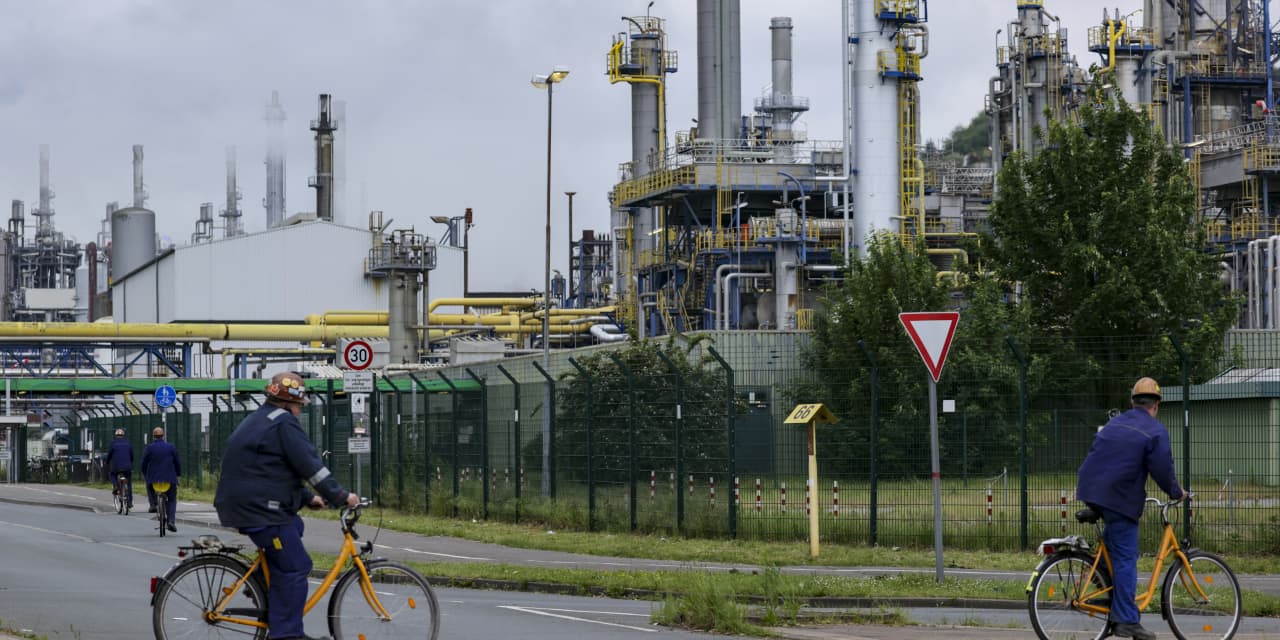
BP Sells Non-Operated Interest in Bay du Nord Project

- Asset Sale Decision: BP has decided to sell its non-operated interest in the Bay du Nord project offshore Newfoundland and Labrador to Equinor, aiming for portfolio simplification and disciplined capital allocation to enhance overall operational efficiency.
- Partnership Value: The partnership between BP and Equinor in the Bay du Nord project is highly valued, with BP executives noting significant progress in project development, yet emphasizing the need to focus on opportunities that create the most value.
- Project Background: The Bay du Nord project is located in the Flemish Pass Basin, approximately 500 kilometers offshore Newfoundland and Labrador, with BP holding an average working interest of 37.212% across 10 licenses, while Equinor serves as the operator.
- Continued Exploration: Despite the sale of its non-operated interest, BP will retain 100% interest in two exploration licenses offshore Newfoundland and Labrador, indicating its ongoing commitment to exploration in the region.

BP Sells 37.2% Stake in Bay du Nord to Equinor
- Stake Sale: BP has agreed to sell its 37.2% interest in the Bay du Nord project offshore Newfoundland and Labrador to Equinor, making the Norwegian company the sole owner, which is expected to enhance BP's profitability despite undisclosed financial terms.
- Capital Focus: This transaction aligns with BP's strategy to concentrate capital on higher-return oil and gas projects, as the company retains 100% ownership of two offshore exploration licenses in Newfoundland and Labrador, ensuring continued involvement in the region.
- Project Advancement: Equinor will continue to mature the Bay du Nord project towards a final investment decision targeted for early 2027, with the development expected to tap over 400 million barrels of oil in its initial phase, indicating significant long-term potential.
- Investment Requirement: The estimated investment for the Bay du Nord project is around C$14 billion (US$9.84 billion), with production expected to start in 2031, reflecting Equinor's confidence and strategic positioning in the future oil and gas market.

Payments Platform Warns of Illegal Vape Risks

- Compliance Warning: Payments platform Fiserv and service station operators like BP have warned U.S. partners that engaging in illegal vape transactions could lead to hefty fines, indicating increasing regulatory pressure on the illegal vape market.
- Market Size: The illegal vape market is estimated to exceed $9 billion in annual sales, with law enforcement agencies intensifying efforts to crack down on this rapidly growing market to protect consumers and legitimate businesses.
- Fine Risks: Mastercard has begun issuing compliance violation notices to merchants in the industry, warning that processing illegal vape transactions could result in mid-six-figure fines or revocation of card processing services, further escalating compliance pressures on merchants.
- FDA Authorization Limits: The U.S. Food and Drug Administration has only authorized 45 vaping products for legal sale, yet unauthorized brands continue to be sold illegally nationwide, posing potential risks to consumers and businesses alike.

Shell and Talos Energy Reach $850 Million Acquisition Deal


- Acquisition Agreement: Talos Energy announced a definitive agreement to acquire certain deepwater assets from Shell for $850 million in cash, with expected net cash consideration of $450 million to $500 million, indicating strong market demand for Shell's assets.
- Production Capacity Analysis: The acquired assets had an average production of approximately 16 MBoe/d in Q1 2026, with 77% being oil, suggesting that this transaction will significantly enhance Talos's production capabilities and market competitiveness.
- Reserve Assessment: The deal includes approximately 23 million barrels of proved reserves and 10 million barrels of probable reserves, which are expected to provide Talos with substantial long-term revenue, further solidifying its position in the energy market.
- ATM Operations Expansion: NCR Atleos has extended its partnership with Shell UK Oil Products to manage 408 free-to-use ATMs across Shell's forecourt network, ensuring high availability to enhance customer experience.

Payments Platforms Warn Against Illegal Vape Transactions
- Market Size: The U.S. illegal vape market is estimated to exceed $9 billion in annual sales, prompting law enforcement agencies to intensify scrutiny and urging payment platforms and retailers to mitigate legal risks.
- Compliance Warnings: BP and other gas station operators have received compliance violation notices from Mastercard, warning that merchants processing illegal vape transactions could face fines in the mid-six figures, indicating a significant increase in regulatory pressure.
- Increased Legal Pressure: Attorneys general from states like California, Illinois, and Arizona are collaborating to pressure platforms like Shopify to ban illegal vape sales, reflecting a strong governmental crackdown on this market.
- Scarcity of FDA-Approved Products: The FDA has only authorized 45 vaping products for legal sale, yet unauthorized brands continue to be sold illegally, heightening compliance risks for merchants who must navigate this challenging landscape.
Interim BP Chair Ian Tyler Considers Permanent Position
- Leadership Shakeup: Interim Chair Ian Tyler is considering a permanent position following the ousting of Albert Manifold, highlighting instability and uncertainty in BP's governance structure.
- Board Restructuring Plans: Manifold's removal has led to the hiring of Mishcon de Reya to represent him, indicating ongoing plans to reduce the number of directors, which could impact decision-making efficiency within the company.
- Opaque Recruitment Process: While Tyler has expressed interest in becoming Manifold's long-term successor, BP has not disclosed whether he has formally entered the recruitment process, reflecting a cautious approach to leadership selection.
- Ongoing Governance Issues: Manifold's ousting stemmed from multiple behavioral complaints, all of which he denies, and this incident may negatively affect BP's public image and shareholder confidence.
BP Sells Non-Operated Interest in Bay du Nord Project
- Asset Sale Decision: BP has decided to sell its non-operated interest in the Bay du Nord project offshore Newfoundland and Labrador to Equinor, aiming for portfolio simplification and disciplined capital allocation to enhance overall operational efficiency.
- Partnership Value: The partnership between BP and Equinor in the Bay du Nord project is highly valued, with BP executives noting significant progress in project development, yet emphasizing the need to focus on opportunities that create the most value.
- Project Background: The Bay du Nord project is located in the Flemish Pass Basin, approximately 500 kilometers offshore Newfoundland and Labrador, with BP holding an average working interest of 37.212% across 10 licenses, while Equinor serves as the operator.
- Continued Exploration: Despite the sale of its non-operated interest, BP will retain 100% interest in two exploration licenses offshore Newfoundland and Labrador, indicating its ongoing commitment to exploration in the region.
BP Sells 37.2% Stake in Bay du Nord to Equinor
- Stake Sale: BP has agreed to sell its 37.2% interest in the Bay du Nord project offshore Newfoundland and Labrador to Equinor, making the Norwegian company the sole owner, which is expected to enhance BP's profitability despite undisclosed financial terms.
- Capital Focus: This transaction aligns with BP's strategy to concentrate capital on higher-return oil and gas projects, as the company retains 100% ownership of two offshore exploration licenses in Newfoundland and Labrador, ensuring continued involvement in the region.
- Project Advancement: Equinor will continue to mature the Bay du Nord project towards a final investment decision targeted for early 2027, with the development expected to tap over 400 million barrels of oil in its initial phase, indicating significant long-term potential.
- Investment Requirement: The estimated investment for the Bay du Nord project is around C$14 billion (US$9.84 billion), with production expected to start in 2031, reflecting Equinor's confidence and strategic positioning in the future oil and gas market.
Payments Platform Warns of Illegal Vape Risks
- Compliance Warning: Payments platform Fiserv and service station operators like BP have warned U.S. partners that engaging in illegal vape transactions could lead to hefty fines, indicating increasing regulatory pressure on the illegal vape market.
- Market Size: The illegal vape market is estimated to exceed $9 billion in annual sales, with law enforcement agencies intensifying efforts to crack down on this rapidly growing market to protect consumers and legitimate businesses.
- Fine Risks: Mastercard has begun issuing compliance violation notices to merchants in the industry, warning that processing illegal vape transactions could result in mid-six-figure fines or revocation of card processing services, further escalating compliance pressures on merchants.
- FDA Authorization Limits: The U.S. Food and Drug Administration has only authorized 45 vaping products for legal sale, yet unauthorized brands continue to be sold illegally nationwide, posing potential risks to consumers and businesses alike.
Shell and Talos Energy Reach $850 Million Acquisition Deal
- Acquisition Agreement: Talos Energy announced a definitive agreement to acquire certain deepwater assets from Shell for $850 million in cash, with expected net cash consideration of $450 million to $500 million, indicating strong market demand for Shell's assets.
- Production Capacity Analysis: The acquired assets had an average production of approximately 16 MBoe/d in Q1 2026, with 77% being oil, suggesting that this transaction will significantly enhance Talos's production capabilities and market competitiveness.
- Reserve Assessment: The deal includes approximately 23 million barrels of proved reserves and 10 million barrels of probable reserves, which are expected to provide Talos with substantial long-term revenue, further solidifying its position in the energy market.
- ATM Operations Expansion: NCR Atleos has extended its partnership with Shell UK Oil Products to manage 408 free-to-use ATMs across Shell's forecourt network, ensuring high availability to enhance customer experience.
Payments Platforms Warn Against Illegal Vape Transactions
- Market Size: The U.S. illegal vape market is estimated to exceed $9 billion in annual sales, prompting law enforcement agencies to intensify scrutiny and urging payment platforms and retailers to mitigate legal risks.
- Compliance Warnings: BP and other gas station operators have received compliance violation notices from Mastercard, warning that merchants processing illegal vape transactions could face fines in the mid-six figures, indicating a significant increase in regulatory pressure.
- Increased Legal Pressure: Attorneys general from states like California, Illinois, and Arizona are collaborating to pressure platforms like Shopify to ban illegal vape sales, reflecting a strong governmental crackdown on this market.
- Scarcity of FDA-Approved Products: The FDA has only authorized 45 vaping products for legal sale, yet unauthorized brands continue to be sold illegally, heightening compliance risks for merchants who must navigate this challenging landscape.





