Carnival Corporation Completes Dual Listing Structure Unification
Carnival Corporation announced the completion of the unification of their dual listed company structure under a single company, Carnival Corporation, with Carnival plc as a UK subsidiary of Carnival Corporation. In addition, Carnival Corporation also migrated its jurisdiction of incorporation from the Republic of Panama to Bermuda and changed its name to "Carnival Corporation. Completion of the DLC Unification and Redomiciliation Transactions will deliver a number of benefits to the Company and its shareholders, including creation of a single global share price, streamlined governance and reporting and reduced administrative costs. The DLC Unification and Redomiciliation Transactions are also expected to increase liquidity and weighting in major U.S. stock indexes. The Company believes that these benefits will strengthen its ability to deliver long-term shareholder value. As a result of the Redomiciliation, the shares of Carnival Corporation common stock held by Carnival Corporation shareholders prior to the DLC Unification and Redomiciliation Transactions now represent the same number of common shares of Carnival Corporation. The Common Shares are listed on the New York Stock Exchange under the trading symbol "CCL." In connection with the DLC Unification and Redomiciliation Transactions, each Carnival plc shareholder subject to the scheme of arrangement is entitled to receive one Common Share of Carnival Corporation Ltd. for each Carnival plc ordinary share held as of 6:00 p.m. on May 5, 2026. The listing of Carnival plc securities on the Official List of the UK Financial Conduct Authority and the trading of Carnival plc securities on the London Stock Exchange and the NYSE were cancelled today, and Carnival plc intends to deregister its securities with the Securities and Exchange Commission. Carnival plc will be re-registered as a private limited company shortly after completion of the DLC Unification and Redomiciliation Transactions.
Trade with 70% Backtested Accuracy
Analyst Views on CCL

About CCL
About the author


Holland America Line Unveils 2027-2028 Caribbean Season Highlights

- Diverse Itineraries: The 2027-2028 Caribbean season features 29 itineraries across 47 departures, visiting 35 ports, offering more nine-day-or-longer voyages than any other cruise line, aimed at enhancing customer exploration and satisfaction.
- Unique Experiences: The new season includes shore excursions curated with The HISTORY Channel and locally focused 'Meet the Makers' tours, designed to connect guests more deeply with Caribbean culture and flavors, while onboard amenities like the adults-only aft pool enhance the overall guest experience.
- Oosterdam Upgrade: The reimagined Oosterdam will debut in December 2027, introducing Solo Verandah staterooms with private balconies and panoramic ocean view suites, aimed at meeting modern travelers' needs while enhancing onboard facilities and service diversity.
- Holiday Voyages: The season offers eight holiday cruises, including special itineraries for Thanksgiving and Christmas, featuring festive decorations and special dining options onboard, aimed at providing guests with a stress-free holiday celebration experience, further enhancing brand appeal.
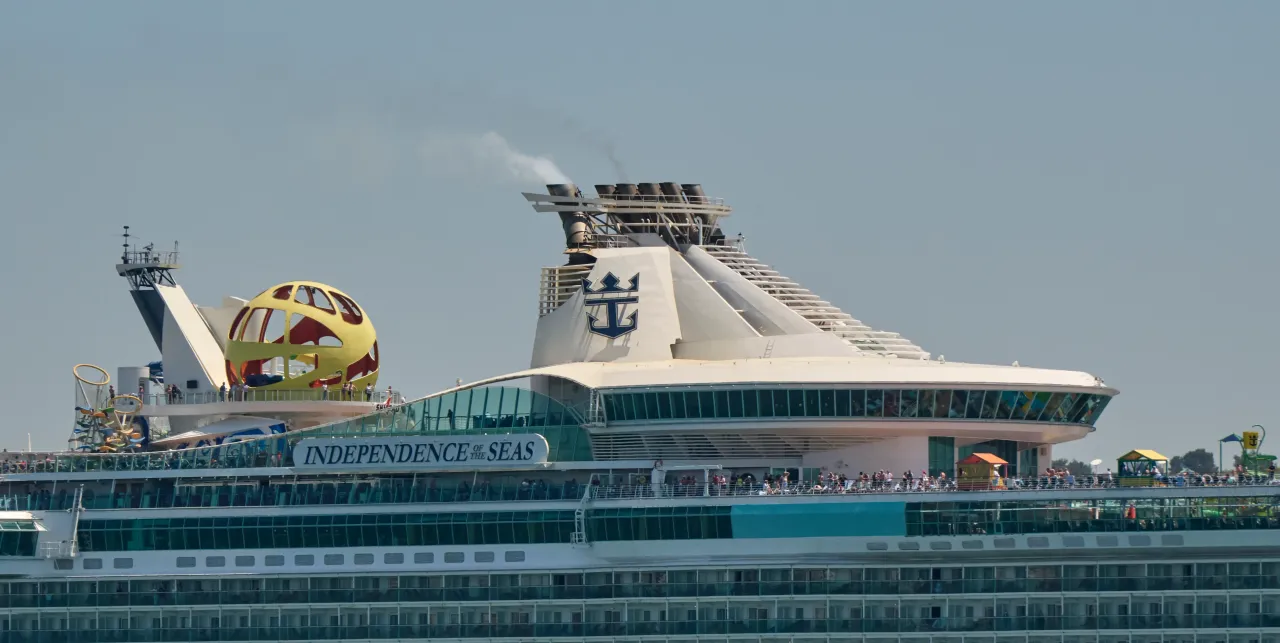
BMO Names Royal Caribbean as Top Cruise Stock with $370 Target
- Royal Caribbean Price Target: BMO sets a $370 price target for Royal Caribbean, implying a 31% upside, reflecting the company's strong ability to retain existing guests while attracting new ones, and is expected to benefit from improving industry conditions.
- Norwegian Cruise Challenges: Despite Norwegian Cruise Line's premium positioning, BMO assigns a $21 price target due to financial and operational performance lagging behind key rivals, indicating multiple challenges and an unclear investment outlook for the company.
- Carnival Lacks Catalysts: BMO maintains a balanced outlook on Carnival with a $30 price target, noting a lack of near-term catalysts post-financial restructuring, with a focus on boosting cash flow and improving fleet efficiency.
- Retail Sentiment Shift: On Stocktwits, retail sentiment around Royal Caribbean remains 'bullish', while Norwegian Cruise sentiment shifted from 'bullish' to 'neutral', and Carnival remains 'bearish', reflecting varying market perceptions of the cruise lines.

US Stocks Close Lower as Chipmakers Weigh on Market


- Market Decline: On Tuesday, the S&P 500 index fell by 0.45%, the Dow Jones Industrial Average dropped by 0.25%, and the Nasdaq 100 index decreased by 1.77%, indicating a broader market decline under pressure from a selloff in chipmakers, reflecting investor concerns over high valuations.
- Samsung's Earnings Disappointment: Despite Samsung Electronics reporting a 19-fold profit surge, its stock plummeted over 8% in South Korea, suggesting market skepticism regarding the future profitability of the semiconductor sector, which could impact investor confidence in related companies.
- Geopolitical Risks Heightened: Crude oil prices surged to a 1.5-week high due to attacks on shipping in the Strait of Hormuz, raising inflation expectations and pushing bond yields higher, with the 10-year T-note yield reaching a 3.5-week high of 4.54%, adding uncertainty to the market.
- Strength in Software Stocks: Despite the overall market pressure, strong performance in software stocks indicates a rotation of funds into other sectors, with companies like Workday seeing stock price increases of over 4%, providing some support for the market.
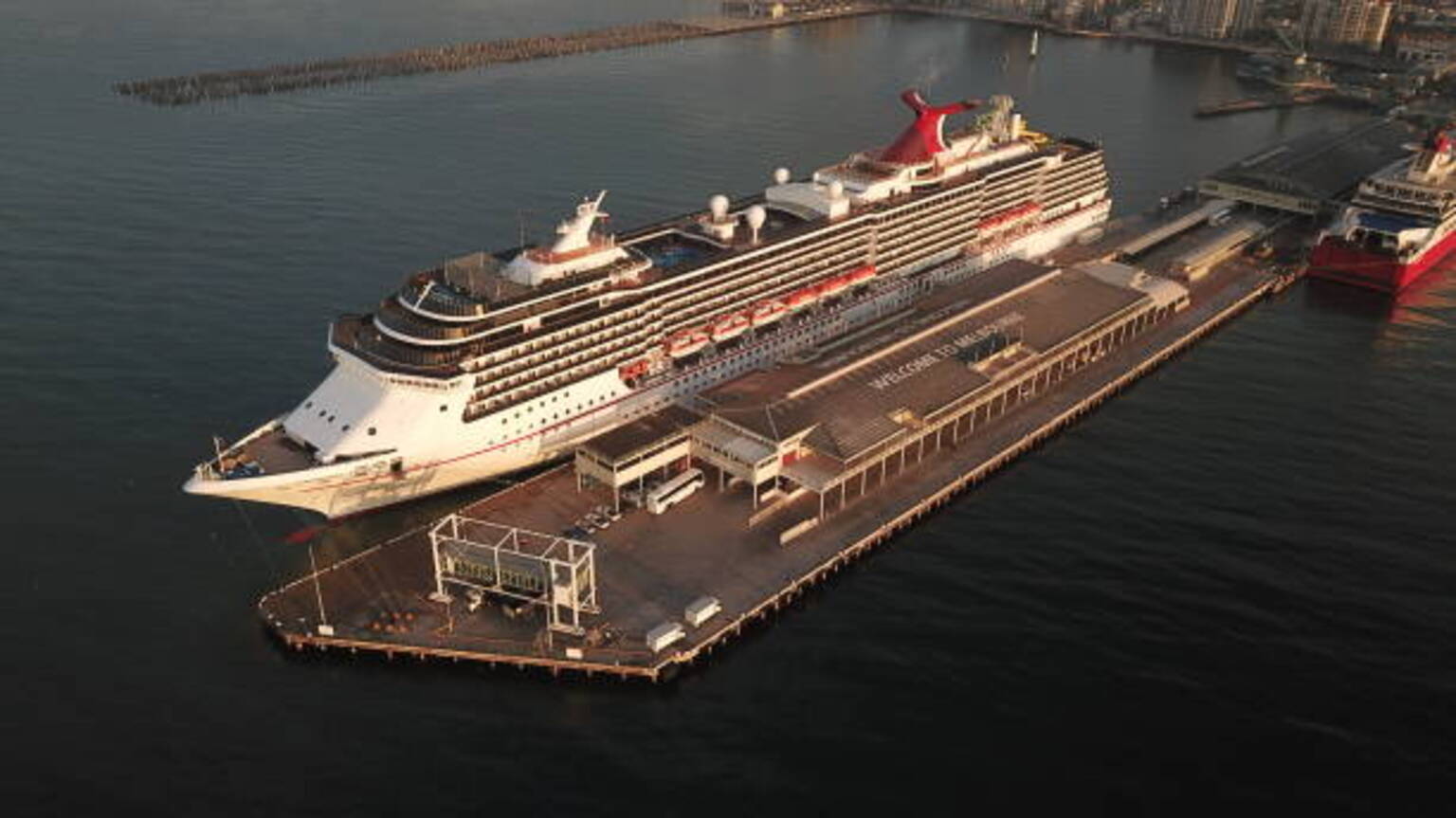
Rising Oil Prices Weigh on Cruise Stocks Performance
- Cruise Stocks Decline: Major cruise operators like Carnival Corporation (CCL) saw shares drop approximately 5.8%, Royal Caribbean (RCL) fell around 10.5%, and Norwegian Cruise Line Holdings (NCLH) declined by 12.2%, reflecting investor concerns over rising operating costs due to increasing oil prices.
- Oil Price Surge: Oil prices rose about 3% on Tuesday and continued to climb following the U.S. decision to revoke a general license for Iranian crude sales, raising fears of potential supply disruptions and further increasing crude prices.
- Cost Pressure on Operations: Higher fuel prices are a significant cost driver for cruise operators, who heavily rely on energy for their operations, and this increase could negatively impact overall travel demand as rising transportation costs limit consumer spending.
- Cautious Market Sentiment: The sustained decline in cruise and hotel stocks indicates growing investor caution as volatility in the energy market exacerbates cost concerns, leading to diminished confidence in travel-related companies.

Market Capitalization Comparison: CBRE vs. Carnival

- Market Cap Comparison: CBRE Group Inc has a market capitalization of $41.16 billion compared to Carnival Corporation's $34.08 billion, indicating CBRE's relative strength in the market, which may attract more investments from large funds.
- Investor Misconceptions: Many novice investors often overlook the importance of market capitalization, mistakenly comparing stock prices without considering share counts, leading to misunderstandings about company valuations, highlighting the significance of market cap in investment decisions.
- Market Positioning Impact: Market capitalization not only affects a company's ranking among peers but also determines which mutual funds and ETFs are willing to hold the stock, with CBRE's size making it more likely to be included in large fund portfolios.
- Stock Performance: As of Tuesday's closing bell, CBRE's stock rose approximately 2.4%, while Carnival's stock fell about 3%, reflecting positive market sentiment towards CBRE and a cautious outlook on Carnival.

US Stocks Decline as Chipmakers Struggle
- Market Decline: The S&P 500 index fell by 0.67%, the Dow Jones Industrial Average by 0.38%, and the Nasdaq 100 by 2.14%, indicating a bearish market sentiment, particularly driven by a selloff in chipmakers.
- Samsung's Earnings Disappointment: Despite a staggering 19-fold profit increase, Samsung Electronics' stock dropped over 8% in South Korea, reflecting investor concerns over high valuations in the semiconductor sector, which could undermine overall market confidence.
- Rising Oil Prices: Following attacks in the Strait of Hormuz, WTI crude oil prices surged over 2%, raising inflation expectations and pushing bond yields higher, with the 10-year T-note yield reaching a 3.5-week high of 4.52%.
- Widening Trade Deficit: The US trade deficit for May expanded to $77.6 billion, the largest in 14 months, which may negatively impact Q2 GDP, adding to market uncertainties.
Holland America Line Unveils 2027-2028 Caribbean Season Highlights
- Diverse Itineraries: The 2027-2028 Caribbean season features 29 itineraries across 47 departures, visiting 35 ports, offering more nine-day-or-longer voyages than any other cruise line, aimed at enhancing customer exploration and satisfaction.
- Unique Experiences: The new season includes shore excursions curated with The HISTORY Channel and locally focused 'Meet the Makers' tours, designed to connect guests more deeply with Caribbean culture and flavors, while onboard amenities like the adults-only aft pool enhance the overall guest experience.
- Oosterdam Upgrade: The reimagined Oosterdam will debut in December 2027, introducing Solo Verandah staterooms with private balconies and panoramic ocean view suites, aimed at meeting modern travelers' needs while enhancing onboard facilities and service diversity.
- Holiday Voyages: The season offers eight holiday cruises, including special itineraries for Thanksgiving and Christmas, featuring festive decorations and special dining options onboard, aimed at providing guests with a stress-free holiday celebration experience, further enhancing brand appeal.
BMO Names Royal Caribbean as Top Cruise Stock with $370 Target
- Royal Caribbean Price Target: BMO sets a $370 price target for Royal Caribbean, implying a 31% upside, reflecting the company's strong ability to retain existing guests while attracting new ones, and is expected to benefit from improving industry conditions.
- Norwegian Cruise Challenges: Despite Norwegian Cruise Line's premium positioning, BMO assigns a $21 price target due to financial and operational performance lagging behind key rivals, indicating multiple challenges and an unclear investment outlook for the company.
- Carnival Lacks Catalysts: BMO maintains a balanced outlook on Carnival with a $30 price target, noting a lack of near-term catalysts post-financial restructuring, with a focus on boosting cash flow and improving fleet efficiency.
- Retail Sentiment Shift: On Stocktwits, retail sentiment around Royal Caribbean remains 'bullish', while Norwegian Cruise sentiment shifted from 'bullish' to 'neutral', and Carnival remains 'bearish', reflecting varying market perceptions of the cruise lines.
US Stocks Close Lower as Chipmakers Weigh on Market
- Market Decline: On Tuesday, the S&P 500 index fell by 0.45%, the Dow Jones Industrial Average dropped by 0.25%, and the Nasdaq 100 index decreased by 1.77%, indicating a broader market decline under pressure from a selloff in chipmakers, reflecting investor concerns over high valuations.
- Samsung's Earnings Disappointment: Despite Samsung Electronics reporting a 19-fold profit surge, its stock plummeted over 8% in South Korea, suggesting market skepticism regarding the future profitability of the semiconductor sector, which could impact investor confidence in related companies.
- Geopolitical Risks Heightened: Crude oil prices surged to a 1.5-week high due to attacks on shipping in the Strait of Hormuz, raising inflation expectations and pushing bond yields higher, with the 10-year T-note yield reaching a 3.5-week high of 4.54%, adding uncertainty to the market.
- Strength in Software Stocks: Despite the overall market pressure, strong performance in software stocks indicates a rotation of funds into other sectors, with companies like Workday seeing stock price increases of over 4%, providing some support for the market.
Rising Oil Prices Weigh on Cruise Stocks Performance
- Cruise Stocks Decline: Major cruise operators like Carnival Corporation (CCL) saw shares drop approximately 5.8%, Royal Caribbean (RCL) fell around 10.5%, and Norwegian Cruise Line Holdings (NCLH) declined by 12.2%, reflecting investor concerns over rising operating costs due to increasing oil prices.
- Oil Price Surge: Oil prices rose about 3% on Tuesday and continued to climb following the U.S. decision to revoke a general license for Iranian crude sales, raising fears of potential supply disruptions and further increasing crude prices.
- Cost Pressure on Operations: Higher fuel prices are a significant cost driver for cruise operators, who heavily rely on energy for their operations, and this increase could negatively impact overall travel demand as rising transportation costs limit consumer spending.
- Cautious Market Sentiment: The sustained decline in cruise and hotel stocks indicates growing investor caution as volatility in the energy market exacerbates cost concerns, leading to diminished confidence in travel-related companies.
Market Capitalization Comparison: CBRE vs. Carnival
- Market Cap Comparison: CBRE Group Inc has a market capitalization of $41.16 billion compared to Carnival Corporation's $34.08 billion, indicating CBRE's relative strength in the market, which may attract more investments from large funds.
- Investor Misconceptions: Many novice investors often overlook the importance of market capitalization, mistakenly comparing stock prices without considering share counts, leading to misunderstandings about company valuations, highlighting the significance of market cap in investment decisions.
- Market Positioning Impact: Market capitalization not only affects a company's ranking among peers but also determines which mutual funds and ETFs are willing to hold the stock, with CBRE's size making it more likely to be included in large fund portfolios.
- Stock Performance: As of Tuesday's closing bell, CBRE's stock rose approximately 2.4%, while Carnival's stock fell about 3%, reflecting positive market sentiment towards CBRE and a cautious outlook on Carnival.
US Stocks Decline as Chipmakers Struggle
- Market Decline: The S&P 500 index fell by 0.67%, the Dow Jones Industrial Average by 0.38%, and the Nasdaq 100 by 2.14%, indicating a bearish market sentiment, particularly driven by a selloff in chipmakers.
- Samsung's Earnings Disappointment: Despite a staggering 19-fold profit increase, Samsung Electronics' stock dropped over 8% in South Korea, reflecting investor concerns over high valuations in the semiconductor sector, which could undermine overall market confidence.
- Rising Oil Prices: Following attacks in the Strait of Hormuz, WTI crude oil prices surged over 2%, raising inflation expectations and pushing bond yields higher, with the 10-year T-note yield reaching a 3.5-week high of 4.52%.
- Widening Trade Deficit: The US trade deficit for May expanded to $77.6 billion, the largest in 14 months, which may negatively impact Q2 GDP, adding to market uncertainties.