Key Stock Developments on Friday: Factors That May Influence the Market in the Upcoming Trading Session

Market Overview: The S&P 500 has declined for five consecutive days, with various automotive stocks showing mixed performance; Stellantis' Jeep brand is set to unveil the new Cherokee amid a 26% drop in stock this year.
Automotive Stocks Performance: Ford and General Motors have seen gains of 14% and 6% respectively this year, while Tesla is down 20% year-to-date but up 43% over the past year.
Buckle and AT&T Updates: Buckle will report quarterly numbers soon, having gained 35% in three months. AT&T reached a new high, up 29% year-to-date, with an RSI indicating it may be overbought.
Sector Performance: The insurance sector is performing well, with Everest and Arthur Gallagher seeing increases, while the airline industry is struggling, with Delta and United both experiencing declines this week.
Trade with 70% Backtested Accuracy
Analyst Views on GM

About GM
About the author


China's Car Sales Decline for Ninth Consecutive Month


- Sales Decline: In June, domestic passenger vehicle sales in China fell 23.4% year-on-year to 1.62 million units, following a 22.3% drop in May, reflecting the impact of a slowing economy on consumer spending.
- Export Market Growth: Despite sluggish local demand, car exports surged 82.1% to 882,000 vehicles, indicating that automakers are increasingly turning to international markets to cushion domestic pressures.
- Segment Shifts: Sales of gasoline and electrified models priced under 80,000 yuan dropped 34% and 43% respectively in the first five months, while the premium segment thrived, with 70% of new sales driven by consumers upgrading older vehicles.
- Intensifying Competition: Traditional mass-market brands like Volkswagen and General Motors are losing market share to emerging Chinese premium brands amid a shift towards smart electric vehicles, prompting foreign joint ventures to accelerate their expansion abroad.
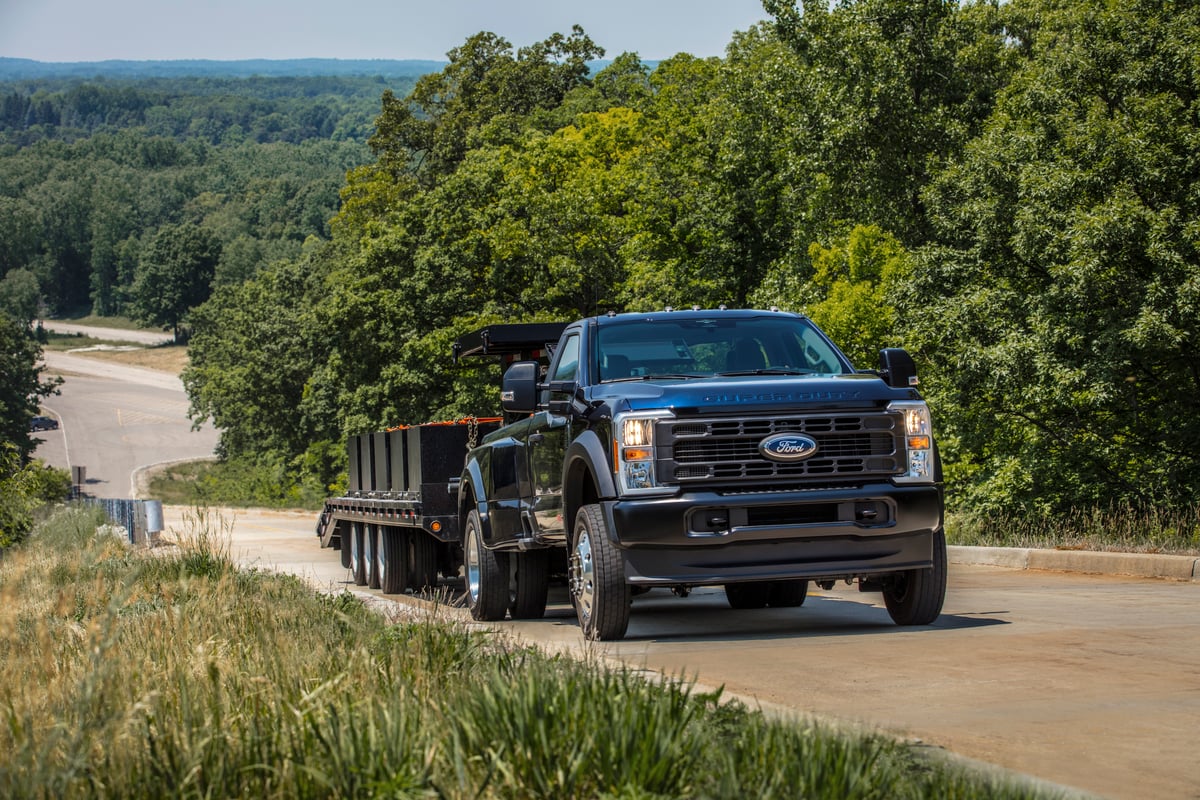
Ford's F-Series Sales Decline Significantly Impacts Business


- Importance of F-Series: Ford's F-Series trucks are estimated to account for one-third of the company's total revenue, with Wall Street estimating that as much as 90% of Ford's net profit comes from this lineup, highlighting its critical impact on Ford's financial health.
- Intensified Sales Competition: In the first half of 2026, Ford's F-150 fell short of Honda's CR-V, which achieved a 19% and 30% sales increase in May and June respectively, totaling 226,114 units, indicating the fierce competition in the market.
- Production Challenges: Two supplier fires last fall severely impacted Ford's aluminum supply, leading to reduced production capacity for the F-150, with expected EBIT losses of $1.5 billion to $2 billion in 2026, forcing management to adjust earnings guidance.
- Response Strategy: Ford plans to offset about $1 billion of the losses by adding production shifts, but despite these challenges, the company must focus on whether it can recover production in the second half of the year to maintain investor confidence and market share.

Ford F-150 Sales Hit by Supply Issues Amid Rising Competition
- Supply Chain Crisis: Ford's F-150 production has been severely impacted by two supplier fires leading to aluminum shortages, with first-half 2026 sales expected to fall short of 210,000 units, significantly lagging behind Honda's CR-V at 226,114 units, highlighting Ford's vulnerability during a traditionally strong selling season.
- Intensifying Market Competition: Honda's CR-V achieved sales increases of 19% and 30% in the first half of 2026, successfully overtaking the Ford F-150, reflecting the pressure on Ford's market share, especially when its core product line is underperforming.
- Significant Financial Impact: Ford anticipates a loss of $1.5 billion to $2 billion in earnings before interest and taxes (EBIT) due to production issues, although it plans to offset about $1 billion of that loss by adding shifts, yet the overall financial outlook remains bleak.
- Long-term Strategic Challenges: The F-150's decline in sales, a model that has rarely lost its leading position over the past 15 years, not only undermines investor confidence but also poses serious challenges to Ford's future market strategy and product planning.
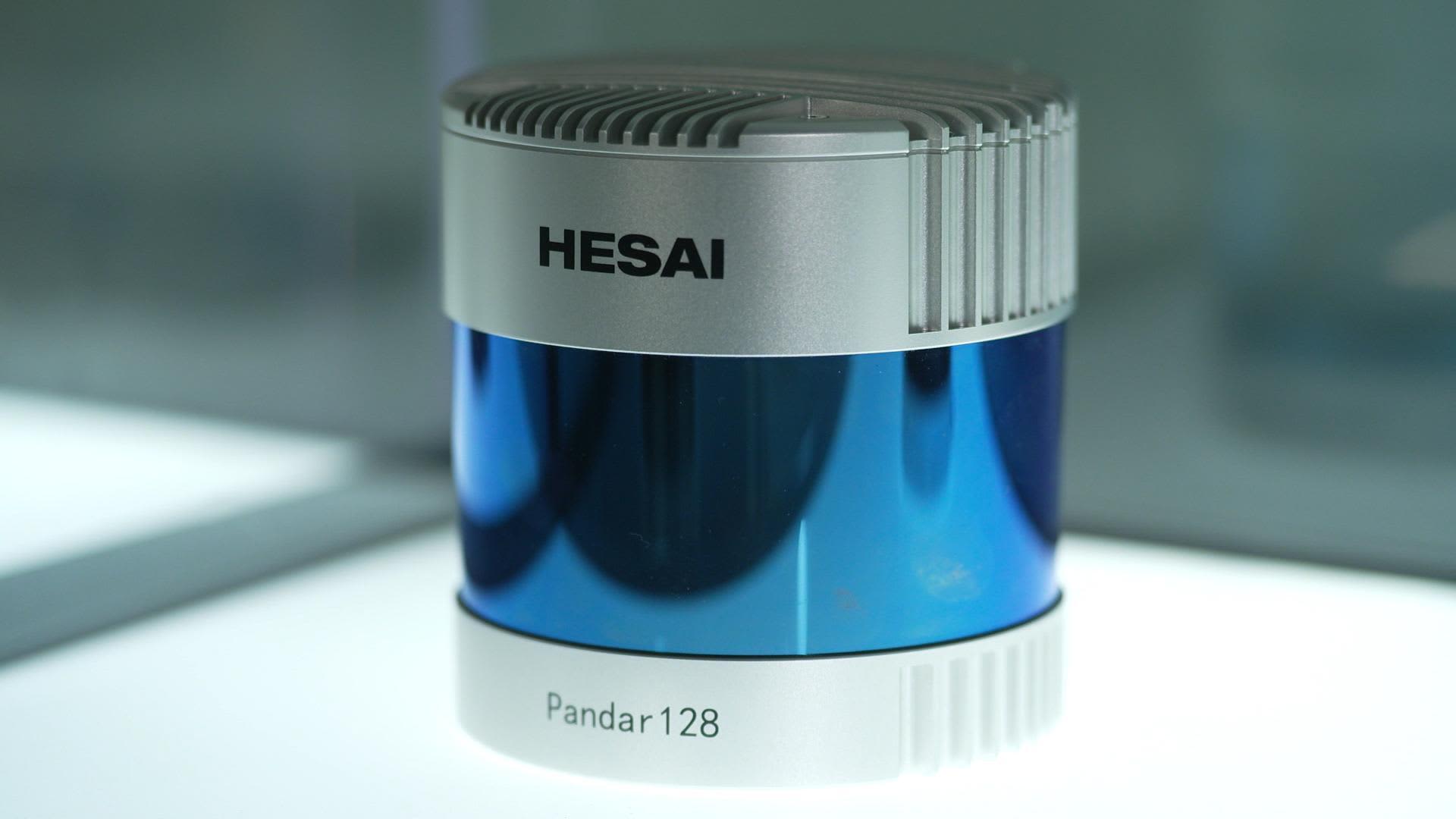
Hesai Expands U.S. Operations Despite Pentagon Blacklist


- Technology Expansion: Despite being blacklisted by the U.S. Department of Defense, Hesai is expanding its reach through an enhanced partnership with Nvidia, becoming one of the sensor options for its autonomous vehicle platforms, showcasing its influence in the global autonomous driving market.
- Market Share: Hesai holds one-third of the global automotive lidar market, with projections indicating that the autonomous driving market could reach $300 billion to $400 billion by 2035, positioning Hesai's technology as a key driver of this growth.
- Security Concerns: Experts warn that Hesai's lidar sensors could be used to collect sensitive data, increasing cybersecurity risks, particularly as their products approach critical infrastructure, potentially leading to national security issues.
- Legal Challenges: Hesai has filed a lawsuit against the U.S. Department of Defense for its blacklist designation; although the court ruled that it remains on the blacklist, Hesai maintains that its products are solely for commercial use and do not involve military applications.
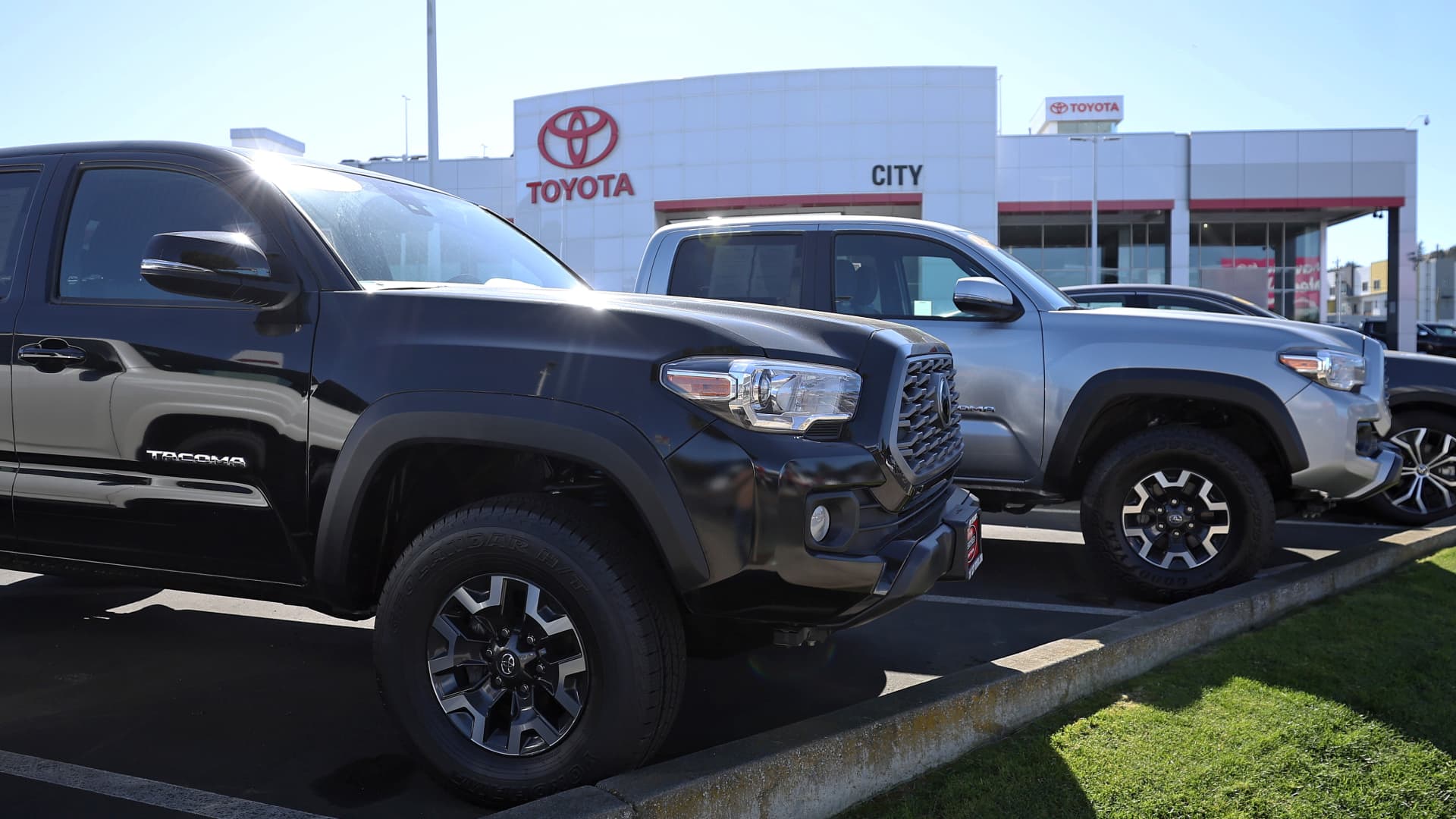
Toyota Invests $3.6 Billion to Move Tacoma Production to Texas

- Significant Investment: Toyota announced a $3.6 billion investment to relocate Tacoma production from Mexico to its San Antonio, Texas plant, which is expected to create 2,000 U.S. jobs, demonstrating strong confidence in the American market.
- Capacity Expansion: This investment will increase the San Antonio plant's annual capacity from 200,000 to 350,000 units, adding a second assembly line and roughly doubling the plant's size by 2030, further solidifying Toyota's manufacturing capabilities in North America.
- Competitive Market Advantage: This move aims to narrow the sales gap with America's largest automaker, General Motors, with forecasts suggesting that Toyota's sales will rise in 2024 due to the popularity of hybrid models, thereby enhancing its market position.
- Long-term Strategic Commitment: Toyota's total investment in the U.S. is expected to reach $10 billion, reflecting its long-term commitment to the North American market while showcasing its ongoing innovation and adaptability in the electric and hybrid vehicle sectors.
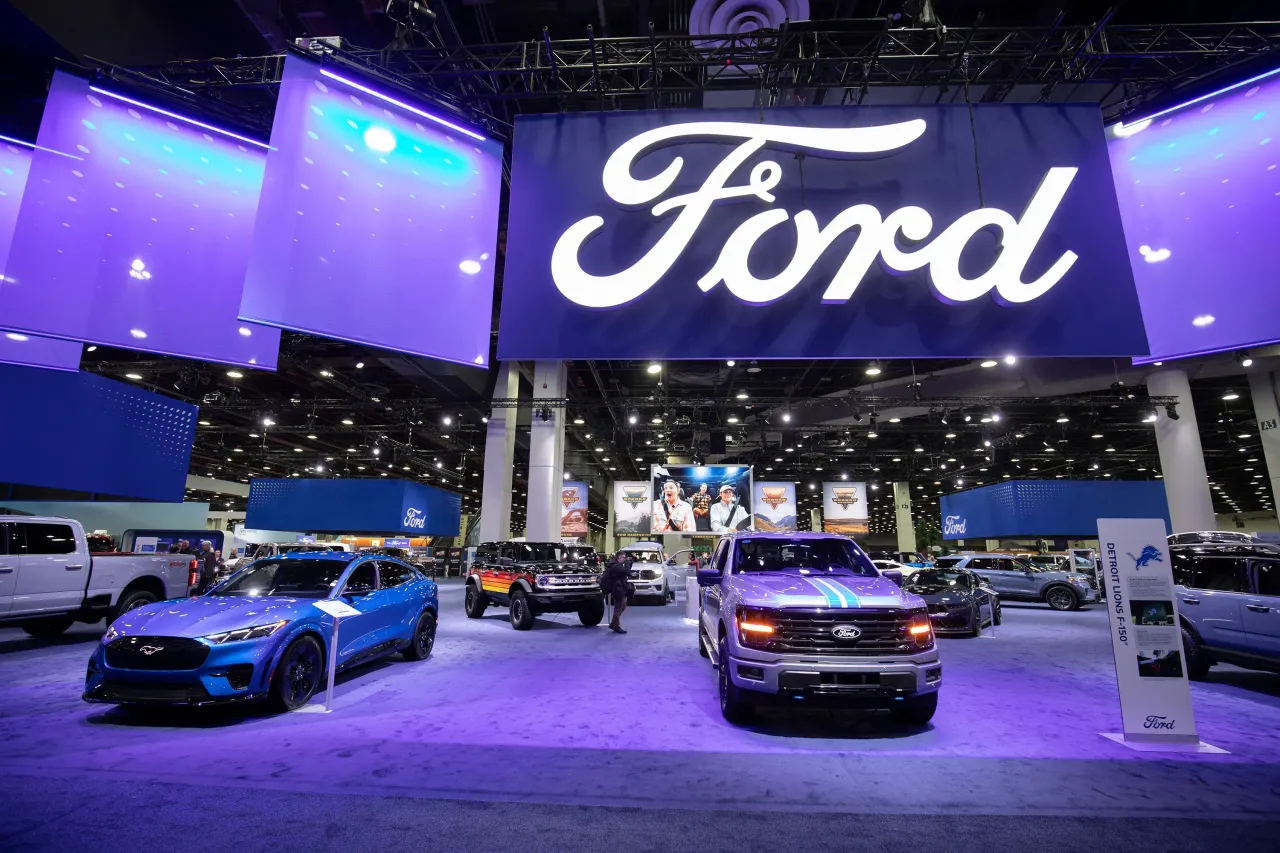
Micron and Ford Sign Long-Term Supply Agreement

- Agreement Signing: Micron and Ford have signed a long-term agreement to ensure a reliable supply of memory and storage solutions for Ford's next-generation vehicles, with Ford CEO Jim Farley emphasizing the need for a strong domestic supply chain to build high-volume vehicles in the U.S.
- Production Capacity Commitment: The pact includes Micron's commitment to expand production capacity to support Ford's manufacturing needs over many years, which will help ensure consistent support for Ford as vehicles become more intelligent and data-heavy.
- Positive Market Reaction: Following the announcement of the agreement, shares of Micron (MU) rose approximately 2% while Ford (F) shares increased by 4%, indicating a positive market response and reflecting investor confidence in future supply chain stability.
- Industry Context Analysis: Amid a shortage of memory chips driven by explosive demand from artificial intelligence, this agreement provides greater supply certainty for automakers like Ford and GM, helping them mitigate the impacts of past semiconductor shortages on production.
China's Car Sales Decline for Ninth Consecutive Month
- Sales Decline: In June, domestic passenger vehicle sales in China fell 23.4% year-on-year to 1.62 million units, following a 22.3% drop in May, reflecting the impact of a slowing economy on consumer spending.
- Export Market Growth: Despite sluggish local demand, car exports surged 82.1% to 882,000 vehicles, indicating that automakers are increasingly turning to international markets to cushion domestic pressures.
- Segment Shifts: Sales of gasoline and electrified models priced under 80,000 yuan dropped 34% and 43% respectively in the first five months, while the premium segment thrived, with 70% of new sales driven by consumers upgrading older vehicles.
- Intensifying Competition: Traditional mass-market brands like Volkswagen and General Motors are losing market share to emerging Chinese premium brands amid a shift towards smart electric vehicles, prompting foreign joint ventures to accelerate their expansion abroad.
Ford's F-Series Sales Decline Significantly Impacts Business
- Importance of F-Series: Ford's F-Series trucks are estimated to account for one-third of the company's total revenue, with Wall Street estimating that as much as 90% of Ford's net profit comes from this lineup, highlighting its critical impact on Ford's financial health.
- Intensified Sales Competition: In the first half of 2026, Ford's F-150 fell short of Honda's CR-V, which achieved a 19% and 30% sales increase in May and June respectively, totaling 226,114 units, indicating the fierce competition in the market.
- Production Challenges: Two supplier fires last fall severely impacted Ford's aluminum supply, leading to reduced production capacity for the F-150, with expected EBIT losses of $1.5 billion to $2 billion in 2026, forcing management to adjust earnings guidance.
- Response Strategy: Ford plans to offset about $1 billion of the losses by adding production shifts, but despite these challenges, the company must focus on whether it can recover production in the second half of the year to maintain investor confidence and market share.
Ford F-150 Sales Hit by Supply Issues Amid Rising Competition
- Supply Chain Crisis: Ford's F-150 production has been severely impacted by two supplier fires leading to aluminum shortages, with first-half 2026 sales expected to fall short of 210,000 units, significantly lagging behind Honda's CR-V at 226,114 units, highlighting Ford's vulnerability during a traditionally strong selling season.
- Intensifying Market Competition: Honda's CR-V achieved sales increases of 19% and 30% in the first half of 2026, successfully overtaking the Ford F-150, reflecting the pressure on Ford's market share, especially when its core product line is underperforming.
- Significant Financial Impact: Ford anticipates a loss of $1.5 billion to $2 billion in earnings before interest and taxes (EBIT) due to production issues, although it plans to offset about $1 billion of that loss by adding shifts, yet the overall financial outlook remains bleak.
- Long-term Strategic Challenges: The F-150's decline in sales, a model that has rarely lost its leading position over the past 15 years, not only undermines investor confidence but also poses serious challenges to Ford's future market strategy and product planning.
Hesai Expands U.S. Operations Despite Pentagon Blacklist
- Technology Expansion: Despite being blacklisted by the U.S. Department of Defense, Hesai is expanding its reach through an enhanced partnership with Nvidia, becoming one of the sensor options for its autonomous vehicle platforms, showcasing its influence in the global autonomous driving market.
- Market Share: Hesai holds one-third of the global automotive lidar market, with projections indicating that the autonomous driving market could reach $300 billion to $400 billion by 2035, positioning Hesai's technology as a key driver of this growth.
- Security Concerns: Experts warn that Hesai's lidar sensors could be used to collect sensitive data, increasing cybersecurity risks, particularly as their products approach critical infrastructure, potentially leading to national security issues.
- Legal Challenges: Hesai has filed a lawsuit against the U.S. Department of Defense for its blacklist designation; although the court ruled that it remains on the blacklist, Hesai maintains that its products are solely for commercial use and do not involve military applications.
Toyota Invests $3.6 Billion to Move Tacoma Production to Texas
- Significant Investment: Toyota announced a $3.6 billion investment to relocate Tacoma production from Mexico to its San Antonio, Texas plant, which is expected to create 2,000 U.S. jobs, demonstrating strong confidence in the American market.
- Capacity Expansion: This investment will increase the San Antonio plant's annual capacity from 200,000 to 350,000 units, adding a second assembly line and roughly doubling the plant's size by 2030, further solidifying Toyota's manufacturing capabilities in North America.
- Competitive Market Advantage: This move aims to narrow the sales gap with America's largest automaker, General Motors, with forecasts suggesting that Toyota's sales will rise in 2024 due to the popularity of hybrid models, thereby enhancing its market position.
- Long-term Strategic Commitment: Toyota's total investment in the U.S. is expected to reach $10 billion, reflecting its long-term commitment to the North American market while showcasing its ongoing innovation and adaptability in the electric and hybrid vehicle sectors.
Micron and Ford Sign Long-Term Supply Agreement
- Agreement Signing: Micron and Ford have signed a long-term agreement to ensure a reliable supply of memory and storage solutions for Ford's next-generation vehicles, with Ford CEO Jim Farley emphasizing the need for a strong domestic supply chain to build high-volume vehicles in the U.S.
- Production Capacity Commitment: The pact includes Micron's commitment to expand production capacity to support Ford's manufacturing needs over many years, which will help ensure consistent support for Ford as vehicles become more intelligent and data-heavy.
- Positive Market Reaction: Following the announcement of the agreement, shares of Micron (MU) rose approximately 2% while Ford (F) shares increased by 4%, indicating a positive market response and reflecting investor confidence in future supply chain stability.
- Industry Context Analysis: Amid a shortage of memory chips driven by explosive demand from artificial intelligence, this agreement provides greater supply certainty for automakers like Ford and GM, helping them mitigate the impacts of past semiconductor shortages on production.