

Kardigan Raises $400M in Initial Public Offering


Kardigan shares jumped on Thursday after the heart-health focused biotech raised $400M in an initial public offering. The stock opened at $16.25 and closed its first day of trade near $22 per share.LATEST IPOS AND DIRECT LISTINGS:Kardigan, a clinical-stage precision therapeutics company developing medicines that target cardiovascular diseases, opened at $16.25 on June 18 after having priced its upsized initial public offering of 25M ordinary shares at a public offering price of $16 per share. The deal size was increased to 25M from 23.3M shares and priced at the high end of the $14-$16 range.Deep Fissionopened at $16 on June 18 after the advanced nuclear energy company priced 2.5M shares at $16.00. The deal range was $16.00-$18.00. Deep Fission is developing small modular pressurized water reactors installed one mile underground.First Carolinaopened at $13.25 on June 18 after having priced 5.5M shares at $12.50. The deal priced below the $14.00-$16.00 target range. First Carolina Financial Services, the holding company for First Carolina Bank, intends to use the net proceeds from the offering for general corporate purposes, which may include supporting organic growth, potential acquisitions, refinancing of outstanding indebtedness, and working capital.PERFORMANCE:Prices as of 1:30 pm ET on Monday, June 22 -Kardigan - up $1.30 to $23.30Deep Fission - down $1.12 to $13.44First Carolina Financial Services - down 5c to $12.56RECENT IPOS TO WATCH:SpaceXand Conexeu Scienceshave already seen some coverage roll out, while AMASS Brandsand Optimi Healthare among stocks that could see new coverage shortly as the quiet periods for banks that underwrote the companies' IPOs expire.UPCOMING IPOS:Upcoming IPO and direct listings expected include Bending Spoons, Inspire Brands, and Tarsier Pharma. Clickto see the upcoming IPO calendar on TipRanks.Bending Spoons, a technology company whose main businesses include AOL, Brightcove, Eventbrite, Evernote, Harvest, komoot, Remini, StreamYard, Vimeo, and WeTransfer, announces that it has publicly filed a registration statement on Form F-1 with the U.S. Securities and Exchange Commission relating to a proposed initial public offering of its ordinary shares. The timing of the offering, number of shares to be offered, and the price range for the proposed offering have not yet been determined. Bending Spoons has applied to list its ordinary shares on the Nasdaq Global Select Market under the ticker symbol "BSP."Inspire Brandsannounced that it has confidentially submitted a draft registration statement on Form S-1 with the Securities and Exchange Commission relating to the proposed initial public offering of its common stock. Inspire Brands expects to use the net proceeds of the proposed offering to repay outstanding indebtedness under its existing term loan facility and pay offering fees and expenses.Tarsier Pharma Ltd.filed for an initial public offering of its ordinary shares and applied to list its ordinary shares on the NYSE American under the symbol "TARX". Tarsier is developing TRS01 and TRS02, novel product candidates based on dazdotuftide, a new molecule with a new mechanism of action for uveitis and uveitic glaucoma.Opening Day" is The Fly's recurring series of stories on the latest initial public offerings, their performance, and upcoming IPOs.
Trade with 70% Backtested Accuracy
Analyst Views on SPCX

About SPCX
About the author

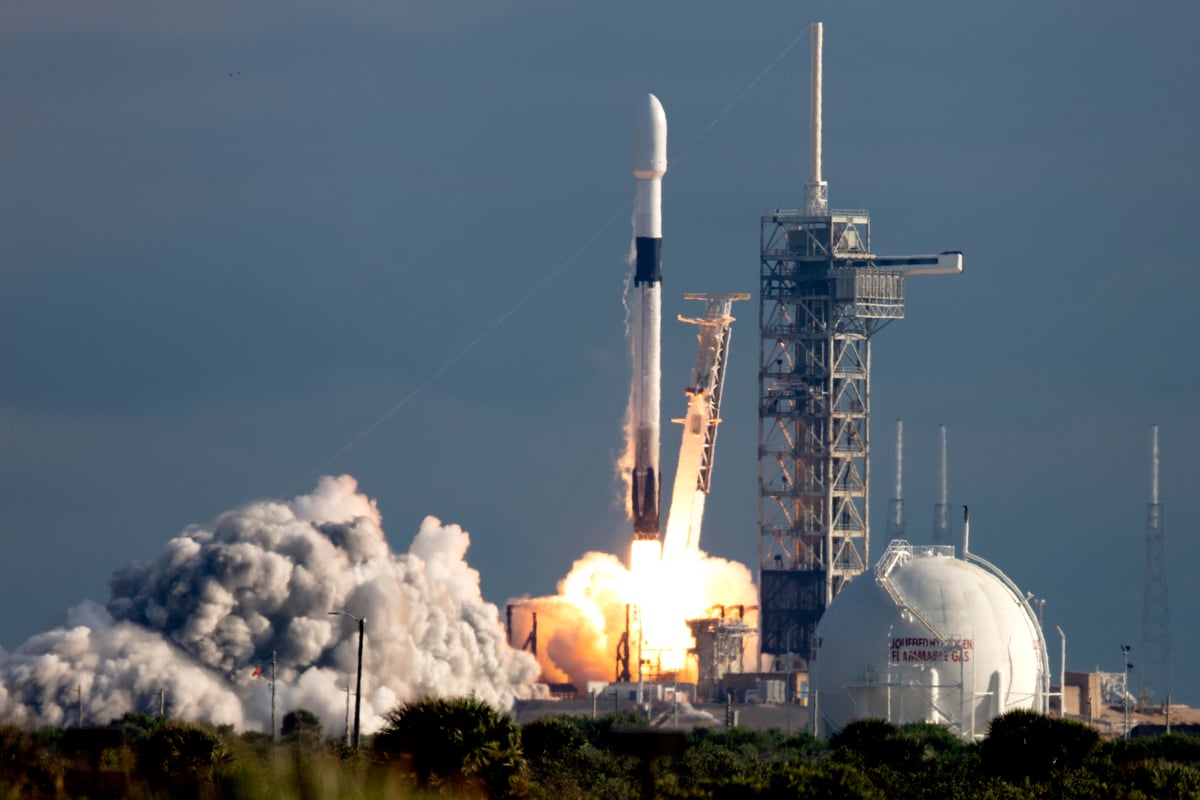
SpaceX Sets Record IPO and Joins Nasdaq-100

- Record IPO: Space Exploration Technologies officially went public on June 12, achieving the largest initial public offering in history with a market cap exceeding $2 trillion, marking a significant milestone that is likely to attract increased investor interest.
- Nasdaq New Rules: SpaceX is set to join the Nasdaq-100 index on July 7, becoming the first company to enter under the newly established 'fast-track entry' rules, which aim to expedite the integration of mega-IPOs into the market.
- Fast-Track Mechanism: Nasdaq's new rules allow companies ranked in the top 40 by market cap to be evaluated on their seventh trading day, enabling eligible firms to join the index as soon as the 15th trading day post-IPO, fundamentally altering the listing strategy for large companies.
- Market Impact: The inclusion of SpaceX is expected to significantly affect shareholders of the Invesco QQQ and Invesco Nasdaq 100 ETFs, as its anticipated weighting of around 1% in the index will redefine investor allocation strategies towards large tech stocks.

SpaceX IPO Sets Record but Faces Challenges Ahead

- Record IPO Financing: SpaceX raised $85.7 billion in its IPO, nearly tripling Saudi Aramco's previous record of $29.4 billion, demonstrating strong market confidence in its AI and space infrastructure ventures.
- Significant Valuation Fluctuations: Although SpaceX's valuation approached $3 trillion post-IPO, it has since retraced to $2.13 trillion as of July 2, with a share price still 20% above its IPO listing, reflecting cautious market sentiment regarding its future performance.
- Complex Lockup Period: SpaceX sold only about 5% of its outstanding shares in its IPO, with the float expected to increase rapidly in the coming months as insiders become eligible to sell, potentially exerting downward pressure on the stock price.
- High Valuation Risks: With a current price-to-sales ratio of 114, significantly above the historical average of 30, SpaceX's stock faces substantial correction risks, particularly amid fluctuating market emotions and investor sentiment.

SpaceX's IPO Sparks Market Buzz and Competition

- Market Buzz: Since its mid-June IPO, Space Exploration Technologies (SPCX) has become the most-discussed stock, with its valuation making it the largest IPO of one of the world's most valuable companies, reflecting high investor expectations for its future potential.
- Rocket Launch Competition: Rocket Lab (RKLB) has successfully launched 91 times, deploying over 262 satellites, and while its Electron rocket has a maximum payload of 660 pounds, the upcoming Neutron rocket is expected to increase this to nearly 30,000 pounds, indicating a growing demand for diverse launch services in the market.
- Satellite Internet Outlook: SpaceX's Starlink currently operates over 10,000 satellites serving more than 12 million customers, generating nearly $4.2 billion in revenue last year, while AST SpaceMobile (ASTS), despite having only a few satellites, could grow rapidly due to partnerships with Verizon and AT&T, with revenue expected to increase by 140% this year.
- Industry Growth Forecast: According to Precedence Research, the global launch market is expected to double by 2035, reaching $70 billion annually, positioning both Rocket Lab and AST SpaceMobile favorably within this rapidly expanding industry.
SpaceX Starship to Boost Starlink Business
- Optimistic Market Outlook: Wells Fargo initiated coverage on SpaceX's Starship with an 'Overweight' rating and a $230 price target, indicating over a 43% upside from Monday's closing price, reflecting strong confidence in the company's future growth potential.
- Long-Term Growth Drivers: Morgan Stanley also assigned an 'Overweight' rating with a $300 price target, citing four key growth drivers including monetizing enterprise AI, expanding the Starlink network, and reducing launch costs, which are expected to propel the company's long-term development.
- Inclusion in Nasdaq 100: SpaceX is set to officially join the Nasdaq 100 Index on Tuesday, with JPMorgan estimating that this inclusion could lead to up to $4.3 billion in inflows into the stock, further enhancing market visibility.
- Divergent Investor Sentiment: Despite the positive ratings from major brokerages, retail sentiment on Stocktwits remains bearish, with some users predicting the stock price will fluctuate between $135 and $140, indicating caution regarding short-term performance.
Meta Plans to Rent AI Computing Capacity to Boost Revenue
- New Revenue Stream: Meta plans to rent out its excess AI computing capacity, which could generate billions in monthly revenue, particularly beneficial as its stock trades at a discount, enhancing financial performance.
- Advertising Business Transformation: By leveraging AI to boost user engagement, Meta increased ad visibility per user, resulting in a record $56.3 billion revenue in Q1 2026, a 33% year-over-year growth, highlighting AI's critical role in its advertising strategy.
- Surging Capital Expenditures: Meta's capital expenditures reached $72 billion in 2025 and are projected to exceed $145 billion in 2026, primarily for AI data center infrastructure, laying a solid foundation for future revenue growth.
- Market Competition Strategy: Rather than competing with major cloud providers like Amazon and Microsoft, Meta is likely to focus on serving niche markets for AI software development, positioning itself strategically in emerging sectors.
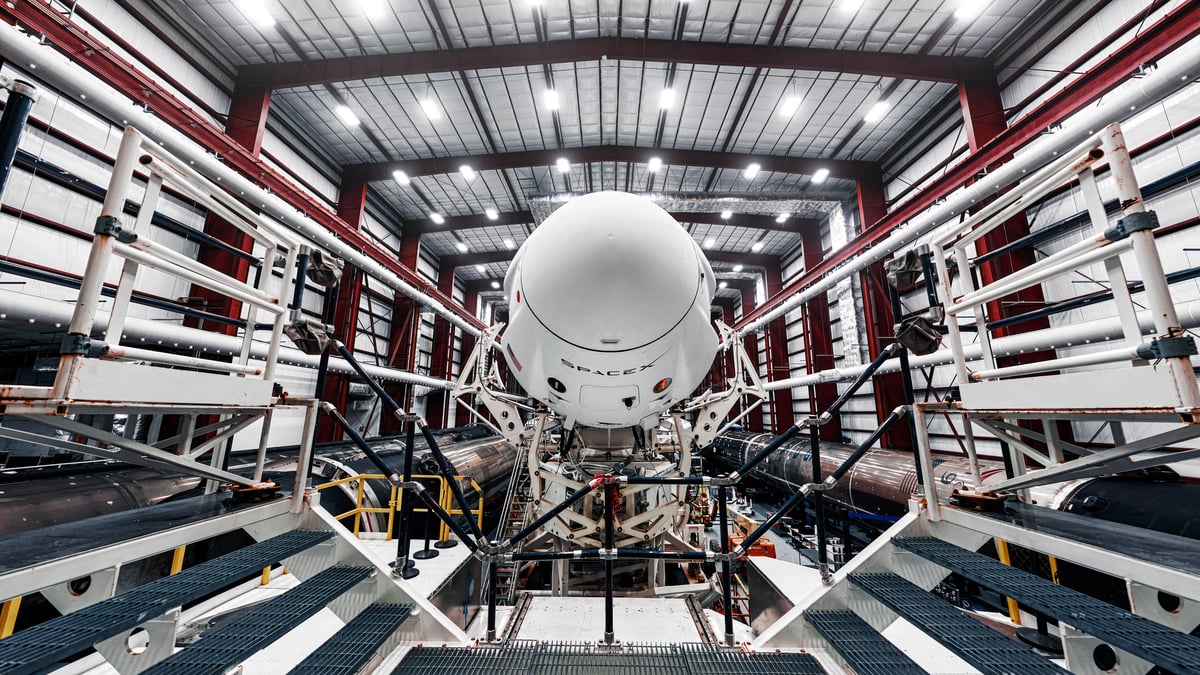
SpaceX Achieves Historic $2 Trillion IPO Valuation
- Historic IPO: SpaceX went public last month, achieving the largest initial public offering in history with a first-day valuation of $2 trillion, reflecting the market's high expectations for its future growth potential.
- Investor Decision Challenges: Despite the hype surrounding SpaceX's IPO, analysts are divided on its valuation, with some believing it could surpass NVIDIA, while others express skepticism about its current optimistic levels.
- Inclusion in Nasdaq-100: SpaceX's addition to the Nasdaq-100 this week makes it easier for investors to gain exposure to the stock through ETFs tracking the index, further enhancing its market accessibility.
- Long-term Investment Risks: While short-term investing is risky, with SpaceX's stock down nearly 20% since June 16, long-term investors must still focus on the company's fundamentals, including financial health, competitive advantages, and a sustainable business model.
SpaceX Sets Record IPO and Joins Nasdaq-100
- Record IPO: Space Exploration Technologies officially went public on June 12, achieving the largest initial public offering in history with a market cap exceeding $2 trillion, marking a significant milestone that is likely to attract increased investor interest.
- Nasdaq New Rules: SpaceX is set to join the Nasdaq-100 index on July 7, becoming the first company to enter under the newly established 'fast-track entry' rules, which aim to expedite the integration of mega-IPOs into the market.
- Fast-Track Mechanism: Nasdaq's new rules allow companies ranked in the top 40 by market cap to be evaluated on their seventh trading day, enabling eligible firms to join the index as soon as the 15th trading day post-IPO, fundamentally altering the listing strategy for large companies.
- Market Impact: The inclusion of SpaceX is expected to significantly affect shareholders of the Invesco QQQ and Invesco Nasdaq 100 ETFs, as its anticipated weighting of around 1% in the index will redefine investor allocation strategies towards large tech stocks.
SpaceX IPO Sets Record but Faces Challenges Ahead
- Record IPO Financing: SpaceX raised $85.7 billion in its IPO, nearly tripling Saudi Aramco's previous record of $29.4 billion, demonstrating strong market confidence in its AI and space infrastructure ventures.
- Significant Valuation Fluctuations: Although SpaceX's valuation approached $3 trillion post-IPO, it has since retraced to $2.13 trillion as of July 2, with a share price still 20% above its IPO listing, reflecting cautious market sentiment regarding its future performance.
- Complex Lockup Period: SpaceX sold only about 5% of its outstanding shares in its IPO, with the float expected to increase rapidly in the coming months as insiders become eligible to sell, potentially exerting downward pressure on the stock price.
- High Valuation Risks: With a current price-to-sales ratio of 114, significantly above the historical average of 30, SpaceX's stock faces substantial correction risks, particularly amid fluctuating market emotions and investor sentiment.
SpaceX's IPO Sparks Market Buzz and Competition
- Market Buzz: Since its mid-June IPO, Space Exploration Technologies (SPCX) has become the most-discussed stock, with its valuation making it the largest IPO of one of the world's most valuable companies, reflecting high investor expectations for its future potential.
- Rocket Launch Competition: Rocket Lab (RKLB) has successfully launched 91 times, deploying over 262 satellites, and while its Electron rocket has a maximum payload of 660 pounds, the upcoming Neutron rocket is expected to increase this to nearly 30,000 pounds, indicating a growing demand for diverse launch services in the market.
- Satellite Internet Outlook: SpaceX's Starlink currently operates over 10,000 satellites serving more than 12 million customers, generating nearly $4.2 billion in revenue last year, while AST SpaceMobile (ASTS), despite having only a few satellites, could grow rapidly due to partnerships with Verizon and AT&T, with revenue expected to increase by 140% this year.
- Industry Growth Forecast: According to Precedence Research, the global launch market is expected to double by 2035, reaching $70 billion annually, positioning both Rocket Lab and AST SpaceMobile favorably within this rapidly expanding industry.
SpaceX Starship to Boost Starlink Business
- Optimistic Market Outlook: Wells Fargo initiated coverage on SpaceX's Starship with an 'Overweight' rating and a $230 price target, indicating over a 43% upside from Monday's closing price, reflecting strong confidence in the company's future growth potential.
- Long-Term Growth Drivers: Morgan Stanley also assigned an 'Overweight' rating with a $300 price target, citing four key growth drivers including monetizing enterprise AI, expanding the Starlink network, and reducing launch costs, which are expected to propel the company's long-term development.
- Inclusion in Nasdaq 100: SpaceX is set to officially join the Nasdaq 100 Index on Tuesday, with JPMorgan estimating that this inclusion could lead to up to $4.3 billion in inflows into the stock, further enhancing market visibility.
- Divergent Investor Sentiment: Despite the positive ratings from major brokerages, retail sentiment on Stocktwits remains bearish, with some users predicting the stock price will fluctuate between $135 and $140, indicating caution regarding short-term performance.
Meta Plans to Rent AI Computing Capacity to Boost Revenue
- New Revenue Stream: Meta plans to rent out its excess AI computing capacity, which could generate billions in monthly revenue, particularly beneficial as its stock trades at a discount, enhancing financial performance.
- Advertising Business Transformation: By leveraging AI to boost user engagement, Meta increased ad visibility per user, resulting in a record $56.3 billion revenue in Q1 2026, a 33% year-over-year growth, highlighting AI's critical role in its advertising strategy.
- Surging Capital Expenditures: Meta's capital expenditures reached $72 billion in 2025 and are projected to exceed $145 billion in 2026, primarily for AI data center infrastructure, laying a solid foundation for future revenue growth.
- Market Competition Strategy: Rather than competing with major cloud providers like Amazon and Microsoft, Meta is likely to focus on serving niche markets for AI software development, positioning itself strategically in emerging sectors.
SpaceX Achieves Historic $2 Trillion IPO Valuation
- Historic IPO: SpaceX went public last month, achieving the largest initial public offering in history with a first-day valuation of $2 trillion, reflecting the market's high expectations for its future growth potential.
- Investor Decision Challenges: Despite the hype surrounding SpaceX's IPO, analysts are divided on its valuation, with some believing it could surpass NVIDIA, while others express skepticism about its current optimistic levels.
- Inclusion in Nasdaq-100: SpaceX's addition to the Nasdaq-100 this week makes it easier for investors to gain exposure to the stock through ETFs tracking the index, further enhancing its market accessibility.
- Long-term Investment Risks: While short-term investing is risky, with SpaceX's stock down nearly 20% since June 16, long-term investors must still focus on the company's fundamentals, including financial health, competitive advantages, and a sustainable business model.





