

Lucid Group Appoints New CFO Alexander De Bock
Lucid Group appointed Alexander De Bock as incoming CFO. He served as CFO of TI Automotive. Taoufiq Boussaid, CFO, will depart Lucid following a handover to his successor and will support the company through its Q2 results. Lucid also announced organizational and leadership changes under CEO Silvio Napoli which will halve the number of direct reports to the CEO. Raja Ramana Macha will join Lucid as CTO with responsibility for the company's technology strategy and engineering execution. He most recently served as EVP and CTO at Eaton. Billy Hayes will join Lucid as Chief Customer Officer, effective immediately. He brings over 25 years of global automotive experience, including senior leadership roles at Nissan and Stellantis. Hugo Martinho will join Lucid as Chief Transformation Officer, effective August 1. He will oversee the new Lucid Business Process function bringing over 20 years of global industrial experience from the Schindler Group, most recently as global head of HR. Kay Stepper has been named President of Lucid Technologies and Chief Digital Officer, effective immediately. Stepper brings over 25 years of experience across the automotive and technology sectors, including leadership roles at Bosch and Qualcomm. Christian Appel has been promoted to VP, Program Management, effective immediately, with responsibility for platform program delivery and product portfolio management. He joined Lucid in April 2025 after over 15 years of automotive experience.
Trade with 70% Backtested Accuracy
Analyst Views on LCID

About LCID
About the author


Lucid Group Secures $800 Million Loan Facility

- Loan Agreement Details: Lucid Group has successfully drawn $800 million in delayed draw term loan facilities under its existing agreement with Ayar Third Investment Company, indicating proactive financial measures aimed at enhancing its financial flexibility for future growth.
- Funding Background: This loan agreement is linked to the Public Investment Fund, highlighting Lucid's strong ties with significant investors, which will help maintain its competitiveness in the fiercely contested electric vehicle market.
- Future Outlook: Key terms of the loan have been disclosed in 8-K filings dated August 5, 2024, November 5, 2025, and April 14, 2026, providing transparency and boosting investor confidence, which could positively impact the stock price.
- Market Reaction: Despite securing funding, Lucid faces market challenges, including rising short interest and management changes, which may affect its future delivery and growth expectations.

Investment Outlook for O'Reilly and Lucid

- O'Reilly's Growth Potential: O'Reilly Automotive has achieved an annual revenue growth of approximately 8% and earnings growth of 17% over the past decade, positioning itself as a leader among auto parts retailers; despite a 15% decline from its all-time high, its strong performance indicates potential for long-term investment.
- Valuation Concerns: While O'Reilly reported an 8% sales increase and a 16% earnings increase in Q1, its price-to-sales ratio stands at 4.2x and price-to-earnings ratio at 29x, both exceeding five-year averages, suggesting that the current stock price remains expensive, prompting value investors to exercise patience.
- Lucid's Production Challenges: Lucid Group's stock has plummeted about 99% from its peak, with only 4,774 vehicles produced in Q1, significantly trailing Tesla's 451,758 vehicles, indicating a lack of competitiveness in the EV market and risks of failing to meet production targets.
- New Leadership Team's Hurdles: Following a CEO change and the suspension of full-year production guidance, Lucid's new team may have the potential to turn the situation around, but the company continues to incur losses on each vehicle sold, suggesting investors should remain cautious until it achieves gross profitability.

Market Outlook for O'Reilly and Lucid Group
- O'Reilly's Growth Potential: O'Reilly Automotive has seen its revenues increase at an annualized rate of approximately 8% over the past decade, with earnings growing at 17%, indicating strong performance in both retail and commercial segments, despite a current stock price decline of about 15% from its all-time highs.
- Valuation Pressure: Although O'Reilly reported an 8% sales increase and a 16% earnings increase in Q1 2026, its price-to-sales ratio stands at 4.2x, above the five-year average of 4x, and its price-to-earnings ratio is 29x, suggesting that the stock remains expensive, warranting caution for long-term investors.
- Lucid's Production Struggles: Lucid Group produced only 4,774 vehicles in Q1 2026, compared to Tesla's 451,758, highlighting its negligible presence in the EV market, while the company continues to face challenges with ongoing losses on each vehicle sold.
- Challenges for New Leadership Team: With a new CEO and the suspension of full-year production guidance, Lucid's new leadership team may have potential to turn things around, but investors should remain cautious until the company shows signs of profitability.

Lucid Group Faces Major Challenges and Opportunities Ahead
- New Model Sales Challenge: Lucid plans to launch the Earth and Cosmos crossovers with starting prices below $50,000, although sales are not expected until 2027; if successful, this could help attract budget-conscious consumers and expand market share, transforming Lucid into a mass-market EV manufacturer.
- Ongoing Production Issues: Lucid faces production challenges due to seat supplier issues and has suspended its 2026 production guidance, originally estimating 25,000 to 27,000 vehicles this year, highlighting the urgency of improving production efficiency.
- Financial Concerns: Lucid's Q1 sales of $283 million fell significantly short of Wall Street's $440 million estimate, with a loss per share of $3.46, indicating a substantial gap in profitability and a continued reliance on funding from the Saudi Public Investment Fund.
- Management Changes Impact: New CEO Silvio Napoli has laid off 18% of staff and restructured the executive team; while these moves may enhance operational efficiency, the company's performance over the next few years remains uncertain, necessitating close monitoring of production recovery.

Lucid Group Investors Class Action Reminder
- Delivery Issues Impact: Lucid produced 5,500 vehicles in Q1 2026 but only delivered 3,093 due to a 29-day disruption from a supplier quality issue, severely impacting customer demand fulfillment and potentially leading to future revenue declines.
- Poor Financial Performance: Preliminary Q1 2026 results showed revenue between $280 million and $284 million, significantly below the $433.8 million consensus estimate, with operational losses ranging from $985 million to $1.005 billion, indicating substantial financial strain on the company.
- Stock Price Decline: Following the disappointing delivery and financial results, Lucid's stock price fell by 11.35% on April 7 and 7.47% on May 6, directly causing economic losses for investors and exacerbating market concerns about the company's outlook.
- Class Action Initiation: Investors are reminded to file lead plaintiff motions by July 28, 2026, alleging that Lucid failed to disclose significant adverse facts about its business and financial condition throughout the class period, which may further amplify investor losses.
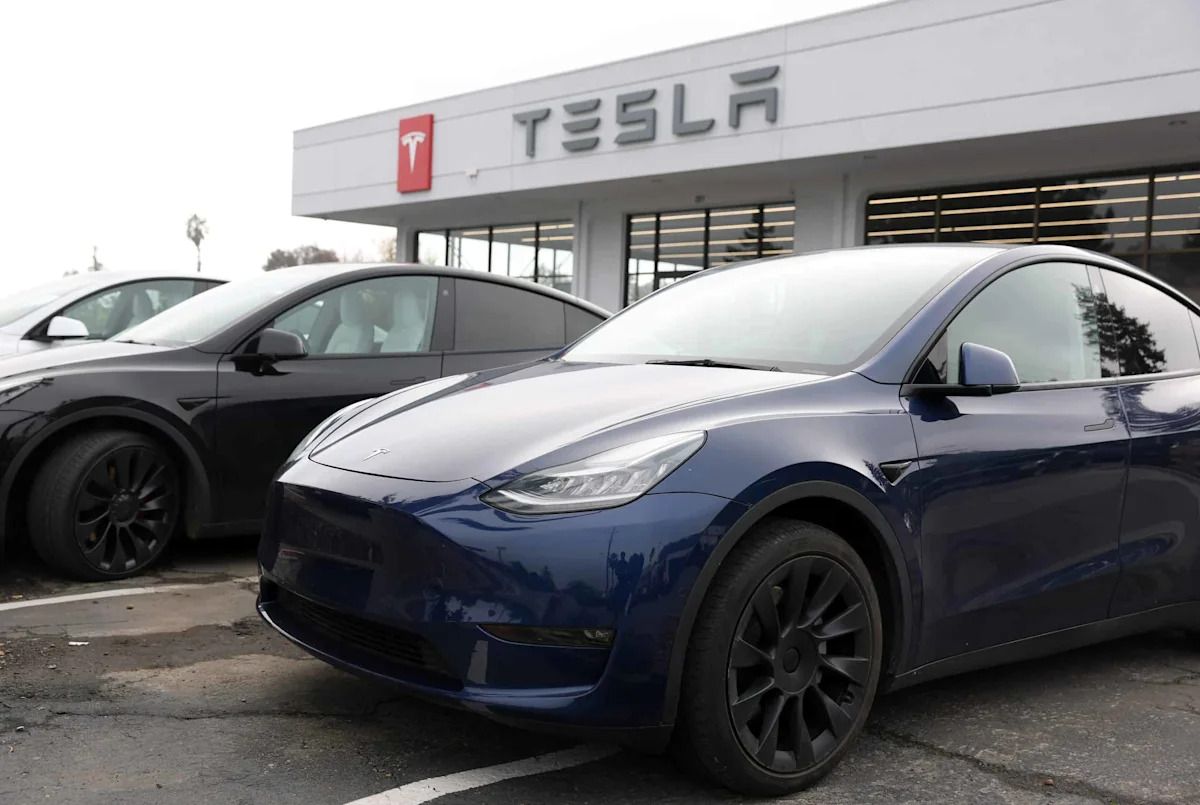
Tesla Q2 Deliveries Beat Expectations, Stock Rises 6%

- Delivery Growth: Tesla delivered 480,126 vehicles in Q2 2026, marking a 25% year-over-year increase, which not only exceeded market expectations but also drove a 6% rise in stock price, reflecting strong demand and growth potential in the EV market.
- Miami Robotaxi Service: Tesla launched its first robotaxi service in Miami, viewed as an incremental milestone; however, CEO Elon Musk indicated that significant robotaxi revenue is unlikely before 2027, which may affect investor expectations for short-term earnings.
- Divergent Market Reactions: Despite strong delivery figures, analyst opinions on Tesla's stock are mixed, with some suggesting that the current valuation is too high, given a 2026 P/E ratio exceeding 200x, potentially limiting further stock price increases.
- Industry Ripple Effect: Tesla's strong performance has lifted the stock prices of Rivian, Lucid, and Nio, even though these companies lack specific catalysts; the overall improvement in market sentiment indicates a recovering investor confidence in the electric vehicle sector.
Lucid Group Secures $800 Million Loan Facility
- Loan Agreement Details: Lucid Group has successfully drawn $800 million in delayed draw term loan facilities under its existing agreement with Ayar Third Investment Company, indicating proactive financial measures aimed at enhancing its financial flexibility for future growth.
- Funding Background: This loan agreement is linked to the Public Investment Fund, highlighting Lucid's strong ties with significant investors, which will help maintain its competitiveness in the fiercely contested electric vehicle market.
- Future Outlook: Key terms of the loan have been disclosed in 8-K filings dated August 5, 2024, November 5, 2025, and April 14, 2026, providing transparency and boosting investor confidence, which could positively impact the stock price.
- Market Reaction: Despite securing funding, Lucid faces market challenges, including rising short interest and management changes, which may affect its future delivery and growth expectations.
Investment Outlook for O'Reilly and Lucid
- O'Reilly's Growth Potential: O'Reilly Automotive has achieved an annual revenue growth of approximately 8% and earnings growth of 17% over the past decade, positioning itself as a leader among auto parts retailers; despite a 15% decline from its all-time high, its strong performance indicates potential for long-term investment.
- Valuation Concerns: While O'Reilly reported an 8% sales increase and a 16% earnings increase in Q1, its price-to-sales ratio stands at 4.2x and price-to-earnings ratio at 29x, both exceeding five-year averages, suggesting that the current stock price remains expensive, prompting value investors to exercise patience.
- Lucid's Production Challenges: Lucid Group's stock has plummeted about 99% from its peak, with only 4,774 vehicles produced in Q1, significantly trailing Tesla's 451,758 vehicles, indicating a lack of competitiveness in the EV market and risks of failing to meet production targets.
- New Leadership Team's Hurdles: Following a CEO change and the suspension of full-year production guidance, Lucid's new team may have the potential to turn the situation around, but the company continues to incur losses on each vehicle sold, suggesting investors should remain cautious until it achieves gross profitability.
Market Outlook for O'Reilly and Lucid Group
- O'Reilly's Growth Potential: O'Reilly Automotive has seen its revenues increase at an annualized rate of approximately 8% over the past decade, with earnings growing at 17%, indicating strong performance in both retail and commercial segments, despite a current stock price decline of about 15% from its all-time highs.
- Valuation Pressure: Although O'Reilly reported an 8% sales increase and a 16% earnings increase in Q1 2026, its price-to-sales ratio stands at 4.2x, above the five-year average of 4x, and its price-to-earnings ratio is 29x, suggesting that the stock remains expensive, warranting caution for long-term investors.
- Lucid's Production Struggles: Lucid Group produced only 4,774 vehicles in Q1 2026, compared to Tesla's 451,758, highlighting its negligible presence in the EV market, while the company continues to face challenges with ongoing losses on each vehicle sold.
- Challenges for New Leadership Team: With a new CEO and the suspension of full-year production guidance, Lucid's new leadership team may have potential to turn things around, but investors should remain cautious until the company shows signs of profitability.
Lucid Group Faces Major Challenges and Opportunities Ahead
- New Model Sales Challenge: Lucid plans to launch the Earth and Cosmos crossovers with starting prices below $50,000, although sales are not expected until 2027; if successful, this could help attract budget-conscious consumers and expand market share, transforming Lucid into a mass-market EV manufacturer.
- Ongoing Production Issues: Lucid faces production challenges due to seat supplier issues and has suspended its 2026 production guidance, originally estimating 25,000 to 27,000 vehicles this year, highlighting the urgency of improving production efficiency.
- Financial Concerns: Lucid's Q1 sales of $283 million fell significantly short of Wall Street's $440 million estimate, with a loss per share of $3.46, indicating a substantial gap in profitability and a continued reliance on funding from the Saudi Public Investment Fund.
- Management Changes Impact: New CEO Silvio Napoli has laid off 18% of staff and restructured the executive team; while these moves may enhance operational efficiency, the company's performance over the next few years remains uncertain, necessitating close monitoring of production recovery.
Lucid Group Investors Class Action Reminder
- Delivery Issues Impact: Lucid produced 5,500 vehicles in Q1 2026 but only delivered 3,093 due to a 29-day disruption from a supplier quality issue, severely impacting customer demand fulfillment and potentially leading to future revenue declines.
- Poor Financial Performance: Preliminary Q1 2026 results showed revenue between $280 million and $284 million, significantly below the $433.8 million consensus estimate, with operational losses ranging from $985 million to $1.005 billion, indicating substantial financial strain on the company.
- Stock Price Decline: Following the disappointing delivery and financial results, Lucid's stock price fell by 11.35% on April 7 and 7.47% on May 6, directly causing economic losses for investors and exacerbating market concerns about the company's outlook.
- Class Action Initiation: Investors are reminded to file lead plaintiff motions by July 28, 2026, alleging that Lucid failed to disclose significant adverse facts about its business and financial condition throughout the class period, which may further amplify investor losses.
Tesla Q2 Deliveries Beat Expectations, Stock Rises 6%
- Delivery Growth: Tesla delivered 480,126 vehicles in Q2 2026, marking a 25% year-over-year increase, which not only exceeded market expectations but also drove a 6% rise in stock price, reflecting strong demand and growth potential in the EV market.
- Miami Robotaxi Service: Tesla launched its first robotaxi service in Miami, viewed as an incremental milestone; however, CEO Elon Musk indicated that significant robotaxi revenue is unlikely before 2027, which may affect investor expectations for short-term earnings.
- Divergent Market Reactions: Despite strong delivery figures, analyst opinions on Tesla's stock are mixed, with some suggesting that the current valuation is too high, given a 2026 P/E ratio exceeding 200x, potentially limiting further stock price increases.
- Industry Ripple Effect: Tesla's strong performance has lifted the stock prices of Rivian, Lucid, and Nio, even though these companies lack specific catalysts; the overall improvement in market sentiment indicates a recovering investor confidence in the electric vehicle sector.





