Nuro Secures Nvidia and Uber as Strategic Investors in Self-Driving Technology

Funding Round Success: Nuro, an autonomous vehicle technology company, raised $203 million in a Series E funding round, increasing its valuation to $6 billion with participation from notable investors like Uber and Nvidia.
Operational Areas: Nuro's driverless vehicles are currently operational in urban areas such as Palo Alto, Mountain View, and Houston, focusing on last-mile delivery services for major retailers including Kroger and Domino's Pizza.
Company Background: Founded in 2016 by former Google engineers, Nuro gained attention with its R1 prototype and became the first to receive a federal exemption for operating autonomous vehicles without traditional controls.
Future Vision: Nuro aims to license its Level 4 autonomous driving system to various mobility providers and manufacturers, expanding its technology across delivery services and ride-hailing fleets.
Trade with 70% Backtested Accuracy
Analyst Views on UBER

About UBER
About the author

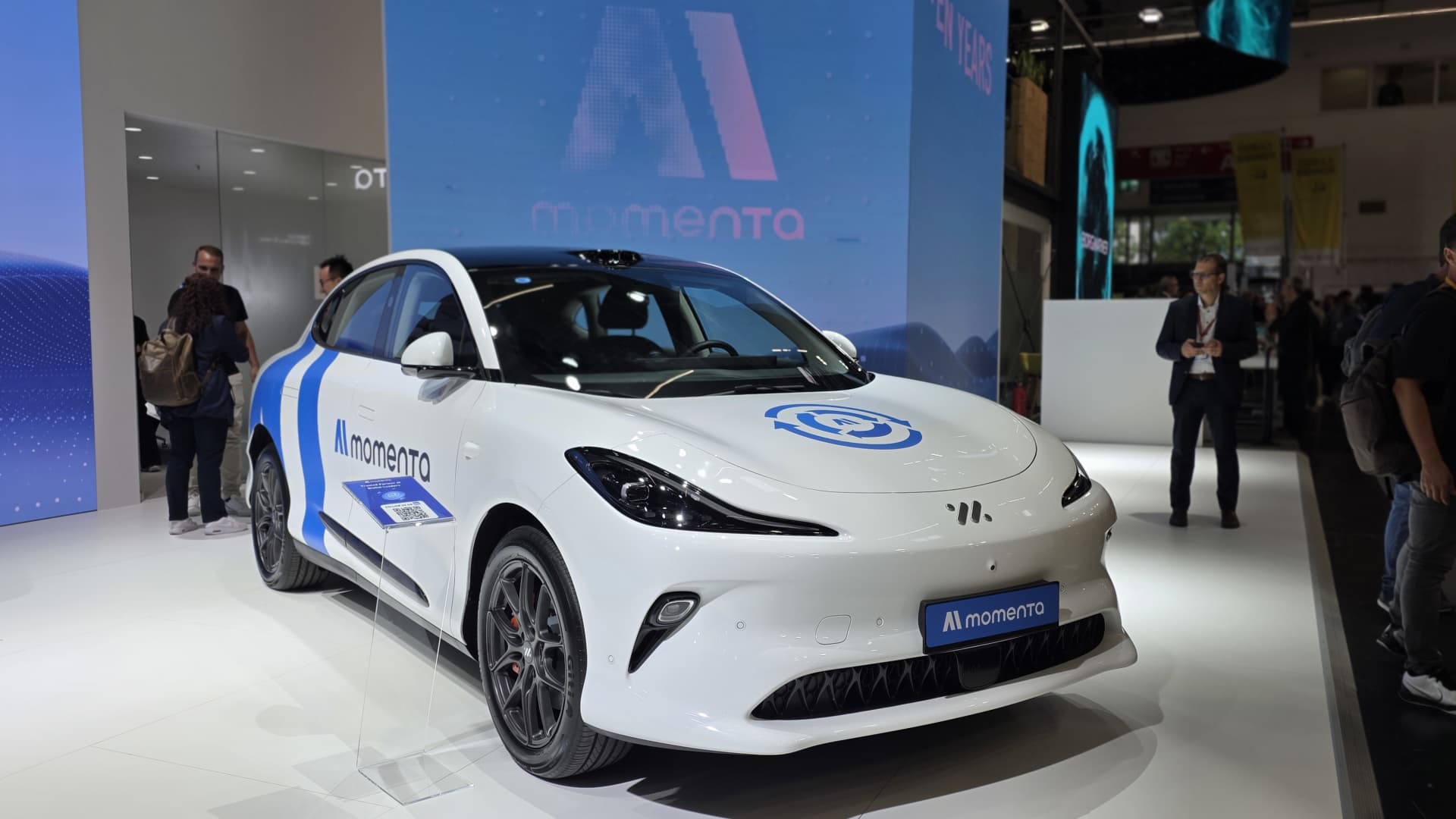
Momenta Successfully Debuts on Hong Kong Stock Exchange


- Strong IPO Performance: Momenta's initial public offering (IPO) in Hong Kong raised HK$5.89 billion ($751 million), with shares rising 3% at market open, reflecting strong market confidence in its autonomous driving technology.
- Clear Use of Proceeds: The company plans to allocate 60% of net proceeds to enhance core technologies, including proprietary algorithms and automation toolchains, to maintain competitiveness in the autonomous driving sector, while 20% will accelerate the commercialization of robotaxi services.
- Significant Revenue Growth: According to its prospectus, Momenta recorded revenue of 2.41 billion yuan in 2025, an 83% increase from 1.32 billion yuan in 2024, indicating robust business expansion.
- Strategic Partnerships: Momenta has established strategic partnerships with major automakers like Audi, Honda, and Mercedes-Benz, and signed an agreement with Grab to advance autonomous driving technologies in complex urban mobility markets.

Uber Pauses European Eats Expansion Amid Delivery Hero Acquisition Efforts
- Expansion Plan Halted: Uber has decided to pause its planned expansion of Uber Eats across Europe, shelving launches in five of the seven targeted countries for 2026, including Austria, Norway, and Greece, indicating a strategic shift amid its acquisition efforts for rival Delivery Hero.
- Market Impact: The company had previously projected that this expansion would generate approximately $1 billion in gross bookings over the next three years, but following successful launches in Finland and Denmark, Uber is now focusing on building momentum in existing markets, which may affect its market share in Europe.
- Acquisition Dynamics: Uber continues to pursue its acquisition of Berlin-based Delivery Hero, despite its €10 billion ($11.4 billion) takeover proposal being rejected in May, with any renewed bid likely facing close scrutiny from EU antitrust regulators due to significant operational overlap.
- Competitive Landscape: As Uber seeks to strengthen its international food delivery business amidst competition from DoorDash-owned Wolt and Deliveroo, the pause in expansion could impact its competitiveness in the global market, especially as DoorDash continues to widen its lead in the U.S. market.

New York Luxury Real Estate Thrives Despite Tax


- Strong Luxury Sales: Despite the implementation of the pied-à-terre tax in May, 126 contracts for luxury apartments were signed in June, slightly up from 124 during the same period last year, indicating resilience in the high-end market and a recovery in buyer confidence.
- Rising Prices: The average price of Manhattan apartments reached approximately $2.2 million in Q2, a 5% increase year-over-year, while sales of condos priced between $10 million and $20 million surged by 55%, reflecting strong demand and investor optimism in the luxury sector.
- Tight Inventory: According to Miller Samuel, luxury inventory has decreased by 40% compared to last year, reaching the lowest level since 2004, which intensifies competition among buyers and drives prices upward.
- Market Confidence Rebounds: Although the new tax initially caused panic, buyer confidence has gradually returned as the market adapts to the new reality, with many high-end buyers actively entering the market, demonstrating a keen awareness of market cycles and investment timing.
Corporate Shift in AI Spending Trends

- AI Spending Restructuring: As companies face skyrocketing AI token costs, many are reassessing their AI spending strategies, with Tabs CEO Ali Hussain indicating that this shift could impact the IPO prospects of OpenAI and Anthropic.
- Pricing Model Evolution: Hussain noted that businesses are moving from fixed fee structures to more flexible contracts, complicating the costs and usage of AI compute, necessitating a reevaluation of accounting infrastructures to adapt to this new norm.
- Increased Demand for Transparency: Hussain emphasized that CFOs are seeking greater transparency in AI token usage to avoid unexpected high costs, prompting AI service providers to enhance the visibility and control of their tools.
- Potential of Mid-Sized Companies: While large tech firms have begun adopting AI technologies, Hussain believes mid-sized companies are still in the early stages, and in the future, they will access AI tokens through partnerships with vertical solutions, prompting a reevaluation of their pricing and payment methods.

SpaceX Achieves Historic IPO, Valued at $2.1 Trillion

- Historic IPO: SpaceX went public on June 12 at $135 per share, raising $75 billion and setting the record for the largest initial public offering (IPO) in history, yet it faces a staggering trailing net loss of approximately $9.4 billion, highlighting significant profitability challenges ahead.
- Revenue vs. Loss: According to the company's IPO prospectus, SpaceX generated about $19.3 billion in revenue for 2025, with the Starlink business contributing $11.4 billion in revenue and $4.4 billion in operating profit, but overall losses remain substantial due to high R&D expenses and AI operational costs.
- Unprecedented Market Valuation: SpaceX's market cap is 14 times that of Rivian, which peaked at $150 billion in 2021, indicating extremely high market expectations; however, this valuation also implies that the company must achieve sustained growth and profitability in the future to maintain its status.
- Investor Focus: While historically some companies have been valued highly despite losses, SpaceX's situation is unique, and investors should closely monitor its upcoming earnings report to assess whether Starlink's growth and margins are holding up, as well as the scaling of Starship and AI expenditures, which will directly impact its future market performance.

SpaceX Sets Record with $75 Billion IPO, Valued at $2.1 Trillion
- Record IPO: SpaceX went public on June 12 at $135 per share, raising $75 billion in the largest IPO in history, yet despite a market cap of $2.1 trillion, it faces significant losses.
- Massive Losses: The company reported a loss of $4.9 billion in 2025 and another $4.3 billion in Q1 2026, even as it generated $19.3 billion in revenue, highlighting a severe imbalance in profitability, particularly as Starlink's profits fail to offset losses from other ventures.
- Valuation Challenges: SpaceX's valuation is approximately 14 times that of Rivian, which also faced substantial losses in 2021, indicating that the market's high valuation of SpaceX may be unprecedented, prompting caution among investors.
- Future Growth Expectations: The company's success hinges on the continued growth of Starlink and the successful transformation of the Starship project; while the IPO funds provide time, the market's expectations for future profitability remain exceedingly high.
Momenta Successfully Debuts on Hong Kong Stock Exchange
- Strong IPO Performance: Momenta's initial public offering (IPO) in Hong Kong raised HK$5.89 billion ($751 million), with shares rising 3% at market open, reflecting strong market confidence in its autonomous driving technology.
- Clear Use of Proceeds: The company plans to allocate 60% of net proceeds to enhance core technologies, including proprietary algorithms and automation toolchains, to maintain competitiveness in the autonomous driving sector, while 20% will accelerate the commercialization of robotaxi services.
- Significant Revenue Growth: According to its prospectus, Momenta recorded revenue of 2.41 billion yuan in 2025, an 83% increase from 1.32 billion yuan in 2024, indicating robust business expansion.
- Strategic Partnerships: Momenta has established strategic partnerships with major automakers like Audi, Honda, and Mercedes-Benz, and signed an agreement with Grab to advance autonomous driving technologies in complex urban mobility markets.
Uber Pauses European Eats Expansion Amid Delivery Hero Acquisition Efforts
- Expansion Plan Halted: Uber has decided to pause its planned expansion of Uber Eats across Europe, shelving launches in five of the seven targeted countries for 2026, including Austria, Norway, and Greece, indicating a strategic shift amid its acquisition efforts for rival Delivery Hero.
- Market Impact: The company had previously projected that this expansion would generate approximately $1 billion in gross bookings over the next three years, but following successful launches in Finland and Denmark, Uber is now focusing on building momentum in existing markets, which may affect its market share in Europe.
- Acquisition Dynamics: Uber continues to pursue its acquisition of Berlin-based Delivery Hero, despite its €10 billion ($11.4 billion) takeover proposal being rejected in May, with any renewed bid likely facing close scrutiny from EU antitrust regulators due to significant operational overlap.
- Competitive Landscape: As Uber seeks to strengthen its international food delivery business amidst competition from DoorDash-owned Wolt and Deliveroo, the pause in expansion could impact its competitiveness in the global market, especially as DoorDash continues to widen its lead in the U.S. market.
New York Luxury Real Estate Thrives Despite Tax
- Strong Luxury Sales: Despite the implementation of the pied-à-terre tax in May, 126 contracts for luxury apartments were signed in June, slightly up from 124 during the same period last year, indicating resilience in the high-end market and a recovery in buyer confidence.
- Rising Prices: The average price of Manhattan apartments reached approximately $2.2 million in Q2, a 5% increase year-over-year, while sales of condos priced between $10 million and $20 million surged by 55%, reflecting strong demand and investor optimism in the luxury sector.
- Tight Inventory: According to Miller Samuel, luxury inventory has decreased by 40% compared to last year, reaching the lowest level since 2004, which intensifies competition among buyers and drives prices upward.
- Market Confidence Rebounds: Although the new tax initially caused panic, buyer confidence has gradually returned as the market adapts to the new reality, with many high-end buyers actively entering the market, demonstrating a keen awareness of market cycles and investment timing.
Corporate Shift in AI Spending Trends
- AI Spending Restructuring: As companies face skyrocketing AI token costs, many are reassessing their AI spending strategies, with Tabs CEO Ali Hussain indicating that this shift could impact the IPO prospects of OpenAI and Anthropic.
- Pricing Model Evolution: Hussain noted that businesses are moving from fixed fee structures to more flexible contracts, complicating the costs and usage of AI compute, necessitating a reevaluation of accounting infrastructures to adapt to this new norm.
- Increased Demand for Transparency: Hussain emphasized that CFOs are seeking greater transparency in AI token usage to avoid unexpected high costs, prompting AI service providers to enhance the visibility and control of their tools.
- Potential of Mid-Sized Companies: While large tech firms have begun adopting AI technologies, Hussain believes mid-sized companies are still in the early stages, and in the future, they will access AI tokens through partnerships with vertical solutions, prompting a reevaluation of their pricing and payment methods.
SpaceX Achieves Historic IPO, Valued at $2.1 Trillion
- Historic IPO: SpaceX went public on June 12 at $135 per share, raising $75 billion and setting the record for the largest initial public offering (IPO) in history, yet it faces a staggering trailing net loss of approximately $9.4 billion, highlighting significant profitability challenges ahead.
- Revenue vs. Loss: According to the company's IPO prospectus, SpaceX generated about $19.3 billion in revenue for 2025, with the Starlink business contributing $11.4 billion in revenue and $4.4 billion in operating profit, but overall losses remain substantial due to high R&D expenses and AI operational costs.
- Unprecedented Market Valuation: SpaceX's market cap is 14 times that of Rivian, which peaked at $150 billion in 2021, indicating extremely high market expectations; however, this valuation also implies that the company must achieve sustained growth and profitability in the future to maintain its status.
- Investor Focus: While historically some companies have been valued highly despite losses, SpaceX's situation is unique, and investors should closely monitor its upcoming earnings report to assess whether Starlink's growth and margins are holding up, as well as the scaling of Starship and AI expenditures, which will directly impact its future market performance.
SpaceX Sets Record with $75 Billion IPO, Valued at $2.1 Trillion
- Record IPO: SpaceX went public on June 12 at $135 per share, raising $75 billion in the largest IPO in history, yet despite a market cap of $2.1 trillion, it faces significant losses.
- Massive Losses: The company reported a loss of $4.9 billion in 2025 and another $4.3 billion in Q1 2026, even as it generated $19.3 billion in revenue, highlighting a severe imbalance in profitability, particularly as Starlink's profits fail to offset losses from other ventures.
- Valuation Challenges: SpaceX's valuation is approximately 14 times that of Rivian, which also faced substantial losses in 2021, indicating that the market's high valuation of SpaceX may be unprecedented, prompting caution among investors.
- Future Growth Expectations: The company's success hinges on the continued growth of Starlink and the successful transformation of the Starship project; while the IPO funds provide time, the market's expectations for future profitability remain exceedingly high.