

Peabody Announces Pricing of $225 Million Convertible Notes Offering
Peabody "announced the pricing of its offering of $225,000,000 aggregate principal amount of 0.50% convertible senior notes due 2031 in a private offering to persons reasonably believed to be qualified institutional buyers pursuant to Rule 144A under the Securities Act of 1933, as amended. The issuance and sale of the notes is scheduled to settle on June 2, 2026, subject to customary closing conditions. Peabody also granted the initial purchasers of the notes an option to purchase, for settlement within a period of 13 days from, and including, the date the notes are first issued, up to an additional $25,000,000 principal amount of notes. The initial conversion rate is 26.0970 shares of common stock per $1,000 principal amount of notes, which represents an initial conversion price of approximately $38.32 per share of common stock. The initial conversion price represents a premium of approximately 32.5% over the U.S. composite volume weighted average price of Peabody's common stock from 9:30 a.m. through 4:00 p.m. Eastern Daylight Time on May 28, 2026, which was $28.9197 per share. The conversion rate and conversion price will be subject to adjustment upon the occurrence of certain events."
Trade with 70% Backtested Accuracy
Analyst Views on BTU

About BTU
About the author


Peabody Secures DOE Funding to Advance Rare Earth Production

- Government Funding Support: Peabody has been selected for funding by the U.S. Department of Energy to advance the production of rare earth elements and critical minerals, marking significant progress in resource development in Wyoming's Powder River Basin.
- Technical and Economic Viability: CEO Jim Grech noted that this funding complements the Wyoming Energy Authority grant awarded earlier this year, reflecting the company's proactive advancements in unconventional rare earth and critical mineral opportunities.
- Domestic Supply Chain Development: The company is focused on supporting the development of a secure domestic supply chain for materials essential to U.S. energy, technology, and national security objectives, highlighting the growing importance of rare earth elements and critical minerals in the economy.
- Industry Leadership: Peabody moves more earth annually in its Powder River Basin operations than any other coal miner, providing a unique combination of scale, infrastructure, and access to a vast resource base with promising concentrations of rare earth elements and critical minerals.
Peabody Energy Faces Securities Class Action Lawsuit
- Lawsuit Background: Peabody Energy is facing a securities class action lawsuit due to surprise disclosures made on March 30 and May 5, 2026, regarding issues with its flagship metallurgical coal asset, Centurion, representing investors who purchased shares between October 14, 2024, and May 4, 2026.
- Stock Price Plunge: Following the first cryptic disclosure, Peabody's stock price plummeted by $14.50 (-36%), indicating a severe market reaction to the company's lack of transparency, which supports Hagens Berman's investigation into potential violations of federal securities laws by Peabody and its co-defendants.
- Significant Production Downgrade: Despite management's earlier assurance of producing 700,000 tons from Centurion in Q1 2026, the March 30 report revealed a drastic cut to approximately 250,000 tons, a 64% reduction, causing the stock price to drop nearly 10% again.
- Annual Sales Outlook Revision: In the May 5 financial results, Peabody revised its annual sales outlook for Centurion down from 3.5 million tons to 2.5 million tons, a 28% decrease, raising further concerns about the company's operational capabilities and leading to an additional 6% decline in stock price.
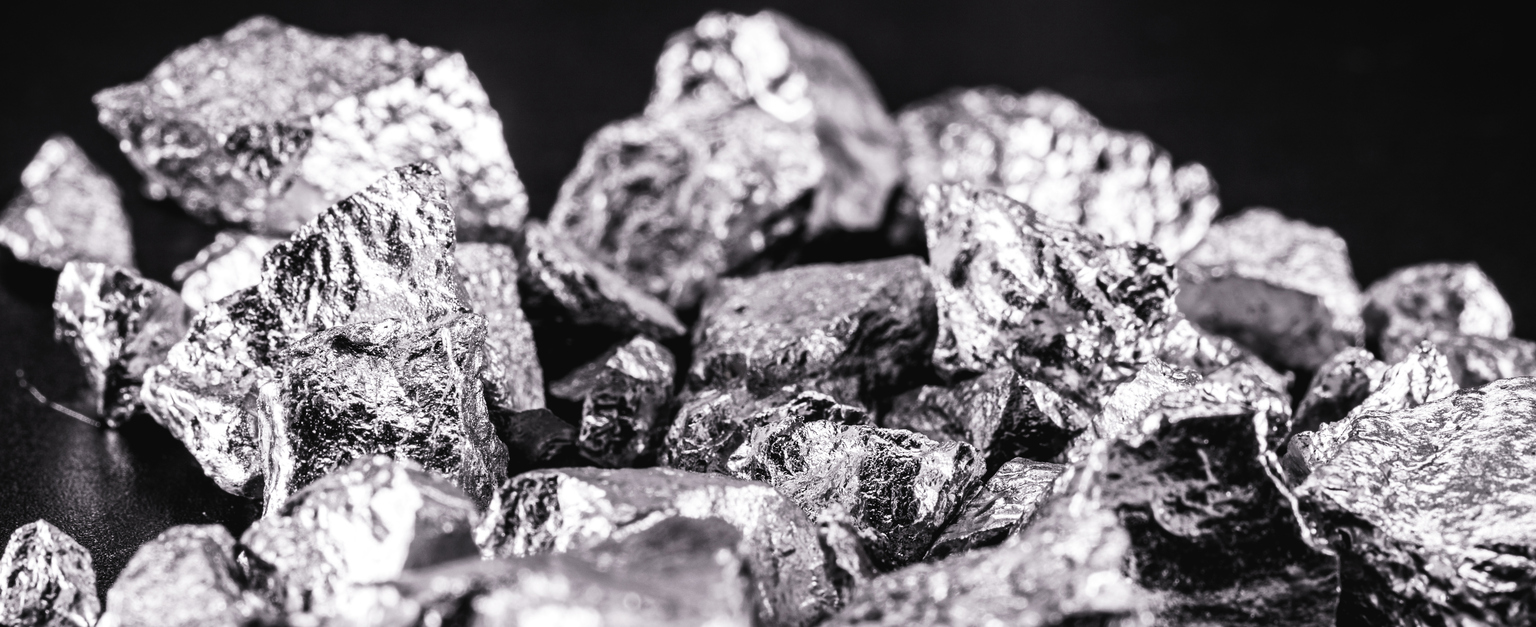
Peabody Energy Secures Grant from U.S. Department of Energy
- Grant Awarded: Peabody Energy has been awarded a grant from the U.S. Department of Energy to advance the production of rare earth elements and critical minerals in Wyoming, although the grant amount was not disclosed, this reflects the company's progress in unconventional rare earth and critical mineral opportunities.
- Market Reaction: The news briefly drove Peabody Energy's (BTU) shares up by 2.3%, although they finished flat, indicating a cautious optimism in the market regarding the company's future prospects.
- Industry Dynamics: Peabody Energy is the second U.S. coal miner to receive such funding this week, following Core Natural Resources, which also secured a multi-million-dollar grant from the DoE, showcasing government support for the coal industry's transition.
- Strategic Implications: CEO Jim Grech noted that this grant, coupled with an earlier Wyoming Energy Authority grant, signifies meaningful progress in developing rare earth and critical mineral opportunities, potentially laying the groundwork for future business growth.
Peabody Energy Faces Class Action Lawsuit
- Class Action Initiated: Pomerantz LLP has announced a class action lawsuit against Peabody Energy, alleging securities fraud and other unlawful business practices by the company and certain executives, with investors advised to apply as Lead Plaintiff by August 24, 2026.
- Earnings Warning Impact: On March 30, 2026, Peabody lowered its first-quarter output guidance for the Centurion mine from 700,000 tons to 250,000 tons, resulting in a 9.67% drop in stock price to $35.68 on the same day.
- Ongoing Output Issues: On May 5, 2026, Peabody disclosed its failure to ramp up Centurion mine output by the March 2026 deadline, leading to another guidance cut and a 5.73% decline in stock price to $25.00.
- Potential Legal Consequences: The lawsuit could result in significant financial liabilities for Peabody, impacting its future financial stability and market trust, prompting investors to closely monitor developments.

Energy Stocks Rise as NYSE Energy Sector Index Gains 1.7%
- Market Recovery: On Tuesday afternoon, energy stocks broadly rose, with the NYSE Energy Sector Index increasing by 1.7%, reflecting a gradual recovery in market confidence towards the energy sector, likely driven by rising oil prices and improved demand expectations.
- Investor Sentiment Improvement: The rise in energy stocks indicates a notable improvement in investor sentiment, suggesting a more optimistic outlook on future energy demand, which could attract more capital into the sector and further drive stock prices upward.
- Positive Industry Outlook: The strong performance of the energy sector may signal signs of economic recovery, especially as the global economy gradually rebounds, leading to sustained growth in energy demand and better profit prospects for related companies.
- Technical Support: The increase in energy stocks is also supported by technical factors, with many stocks breaking through key resistance levels, enhancing market confidence in the sector and potentially attracting more attention from both short-term and long-term investors.
Peabody Secures DOE Funding to Advance Rare Earth Production
- Government Funding Support: The U.S. Department of Energy has selected Peabody for funding to advance the production of rare earth elements and critical minerals, indicating the government's commitment to strengthening the domestic rare earth supply chain, which is expected to enhance Peabody's market position in this sector.
- Resource Base Advantage: Peabody moves more earth annually across its Powder River Basin operations than any other coal miner, leveraging this advantage to effectively develop rare earth and critical minerals, thereby improving its economic viability and operational efficiency.
- Strategic Collaboration and Support: CEO Jim Grech noted that this funding complements an earlier grant from the Wyoming Energy Authority, reflecting significant progress in advancing unconventional rare earth and critical mineral opportunities, further solidifying Peabody's leadership in the industry.
- National Security and Sustainability: The company is committed to supporting the development of a domestic supply chain for materials critical to U.S. energy, technology, and national security objectives, emphasizing its dedication to sustainability, which will provide a solid foundation for future strategic planning.
Peabody Secures DOE Funding to Advance Rare Earth Production
- Government Funding Support: Peabody has been selected for funding by the U.S. Department of Energy to advance the production of rare earth elements and critical minerals, marking significant progress in resource development in Wyoming's Powder River Basin.
- Technical and Economic Viability: CEO Jim Grech noted that this funding complements the Wyoming Energy Authority grant awarded earlier this year, reflecting the company's proactive advancements in unconventional rare earth and critical mineral opportunities.
- Domestic Supply Chain Development: The company is focused on supporting the development of a secure domestic supply chain for materials essential to U.S. energy, technology, and national security objectives, highlighting the growing importance of rare earth elements and critical minerals in the economy.
- Industry Leadership: Peabody moves more earth annually in its Powder River Basin operations than any other coal miner, providing a unique combination of scale, infrastructure, and access to a vast resource base with promising concentrations of rare earth elements and critical minerals.
Peabody Energy Faces Securities Class Action Lawsuit
- Lawsuit Background: Peabody Energy is facing a securities class action lawsuit due to surprise disclosures made on March 30 and May 5, 2026, regarding issues with its flagship metallurgical coal asset, Centurion, representing investors who purchased shares between October 14, 2024, and May 4, 2026.
- Stock Price Plunge: Following the first cryptic disclosure, Peabody's stock price plummeted by $14.50 (-36%), indicating a severe market reaction to the company's lack of transparency, which supports Hagens Berman's investigation into potential violations of federal securities laws by Peabody and its co-defendants.
- Significant Production Downgrade: Despite management's earlier assurance of producing 700,000 tons from Centurion in Q1 2026, the March 30 report revealed a drastic cut to approximately 250,000 tons, a 64% reduction, causing the stock price to drop nearly 10% again.
- Annual Sales Outlook Revision: In the May 5 financial results, Peabody revised its annual sales outlook for Centurion down from 3.5 million tons to 2.5 million tons, a 28% decrease, raising further concerns about the company's operational capabilities and leading to an additional 6% decline in stock price.
Peabody Energy Secures Grant from U.S. Department of Energy
- Grant Awarded: Peabody Energy has been awarded a grant from the U.S. Department of Energy to advance the production of rare earth elements and critical minerals in Wyoming, although the grant amount was not disclosed, this reflects the company's progress in unconventional rare earth and critical mineral opportunities.
- Market Reaction: The news briefly drove Peabody Energy's (BTU) shares up by 2.3%, although they finished flat, indicating a cautious optimism in the market regarding the company's future prospects.
- Industry Dynamics: Peabody Energy is the second U.S. coal miner to receive such funding this week, following Core Natural Resources, which also secured a multi-million-dollar grant from the DoE, showcasing government support for the coal industry's transition.
- Strategic Implications: CEO Jim Grech noted that this grant, coupled with an earlier Wyoming Energy Authority grant, signifies meaningful progress in developing rare earth and critical mineral opportunities, potentially laying the groundwork for future business growth.
Peabody Energy Faces Class Action Lawsuit
- Class Action Initiated: Pomerantz LLP has announced a class action lawsuit against Peabody Energy, alleging securities fraud and other unlawful business practices by the company and certain executives, with investors advised to apply as Lead Plaintiff by August 24, 2026.
- Earnings Warning Impact: On March 30, 2026, Peabody lowered its first-quarter output guidance for the Centurion mine from 700,000 tons to 250,000 tons, resulting in a 9.67% drop in stock price to $35.68 on the same day.
- Ongoing Output Issues: On May 5, 2026, Peabody disclosed its failure to ramp up Centurion mine output by the March 2026 deadline, leading to another guidance cut and a 5.73% decline in stock price to $25.00.
- Potential Legal Consequences: The lawsuit could result in significant financial liabilities for Peabody, impacting its future financial stability and market trust, prompting investors to closely monitor developments.
Energy Stocks Rise as NYSE Energy Sector Index Gains 1.7%
- Market Recovery: On Tuesday afternoon, energy stocks broadly rose, with the NYSE Energy Sector Index increasing by 1.7%, reflecting a gradual recovery in market confidence towards the energy sector, likely driven by rising oil prices and improved demand expectations.
- Investor Sentiment Improvement: The rise in energy stocks indicates a notable improvement in investor sentiment, suggesting a more optimistic outlook on future energy demand, which could attract more capital into the sector and further drive stock prices upward.
- Positive Industry Outlook: The strong performance of the energy sector may signal signs of economic recovery, especially as the global economy gradually rebounds, leading to sustained growth in energy demand and better profit prospects for related companies.
- Technical Support: The increase in energy stocks is also supported by technical factors, with many stocks breaking through key resistance levels, enhancing market confidence in the sector and potentially attracting more attention from both short-term and long-term investors.
Peabody Secures DOE Funding to Advance Rare Earth Production
- Government Funding Support: The U.S. Department of Energy has selected Peabody for funding to advance the production of rare earth elements and critical minerals, indicating the government's commitment to strengthening the domestic rare earth supply chain, which is expected to enhance Peabody's market position in this sector.
- Resource Base Advantage: Peabody moves more earth annually across its Powder River Basin operations than any other coal miner, leveraging this advantage to effectively develop rare earth and critical minerals, thereby improving its economic viability and operational efficiency.
- Strategic Collaboration and Support: CEO Jim Grech noted that this funding complements an earlier grant from the Wyoming Energy Authority, reflecting significant progress in advancing unconventional rare earth and critical mineral opportunities, further solidifying Peabody's leadership in the industry.
- National Security and Sustainability: The company is committed to supporting the development of a domestic supply chain for materials critical to U.S. energy, technology, and national security objectives, emphasizing its dedication to sustainability, which will provide a solid foundation for future strategic planning.





