Rivian Set to Take on Tesla in Its Most Vulnerable Area


Current Market Trends: The electric vehicle (EV) market is experiencing a slowdown in sales growth, prompting manufacturers to recalibrate production targets and engage in aggressive pricing strategies to stimulate demand.
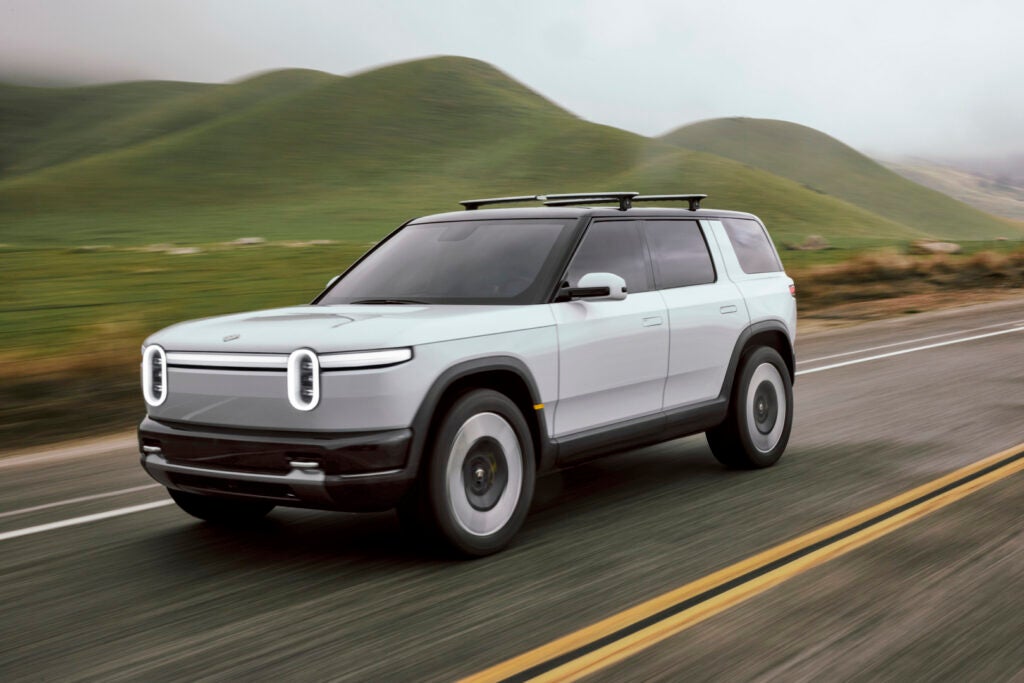
Rivian's Positioning: Rivian Automotive is gaining positive attention from analysts, particularly with the upcoming launch of its R2 platform, which aims to transition the company from a niche player to a significant competitor in the mass market.
Investor Sentiment: Recent upgrades from financial firms indicate a growing confidence in Rivian's potential for future growth, with expectations of a clear path to profitability following a year of positive consolidated gross profit.
Strategic Developments: Rivian is diversifying its revenue streams beyond vehicle sales, including software and services, and is leveraging economies of scale to reduce costs, positioning itself as a sustainable business model in the competitive EV landscape.
Trade with 70% Backtested Accuracy
Analyst Views on RIVN

About RIVN
About the author


Rivian Shares Plunge 18% Following Stock Offering Announcement

- Stock Offering Impact: Rivian's announcement of a 75 million share offering, expected to raise over $1.5 billion, led to an 18% drop in share price on July 7, reflecting market concerns over shareholder dilution.
- Loan Restructuring Context: The company plans to use the proceeds for general corporate purposes, including funding a loan arrangement with the U.S. Department of Energy, which was restructured from $6.57 billion to $4.5 billion, indicating urgent financing needs.
- Financial Condition Analysis: Rivian expects second-quarter 2026 revenue between $1.55 billion and $1.65 billion, surpassing the consensus estimate of $1.45 billion, yet faces up to $6.4 billion in long-term debt, highlighting cash flow pressures.
- Market Environment Challenges: Following the elimination of the $7,500 EV tax credit under the Trump administration, Rivian and other EV manufacturers face a tough market environment, although rising gas prices may enhance EV appeal; however, the company must overcome execution risks to achieve profitability.

Rivian Prices Public Offering at $15.50 per Share
- Public Offering Pricing: Rivian Automotive has priced its public offering of 75 million shares at $15.50 per share, which is expected to generate approximately $1.2 billion in gross proceeds before underwriting discounts and expenses, thereby providing significant support for the company's capital structure.
- Stock Price Reaction: Following the announcement, Rivian shares fell about 1.27% in after-hours trading on Tuesday, reflecting market caution regarding the financing and potentially impacting investor confidence in the company's future growth prospects.
- Additional Share Option: Rivian has granted underwriters a 30-day option to purchase up to an additional 11.25 million shares at the public offering price, which may provide the company with additional funding sources to meet future capital needs.
- Use of Proceeds: The net proceeds from this offering will be used for general corporate purposes, particularly funding required equity contributions tied to its loan arrangement with the U.S. Department of Energy, indicating the company's strategic planning in financing and its close collaboration with the government.

Rivian Stock Plummets 18% Following $1.5 Billion Share Offering
- Stock Offering Impact: Rivian's announcement of a $1.5 billion share offering led to an 18% stock drop, marking its worst single-day performance in over two years, indicating strong market reaction to the financing plan that could undermine investor confidence.
- Delivery Delay Issues: The R2 model's deliveries are hampered by VIN matching delays, with customer reports indicating orders are not moving through the pipeline, potentially leading to logistics and quality control bottlenecks during a critical production phase, impacting future sales.
- Revenue Expectations Raised: Rivian anticipates Q2 revenues between $1.55 billion and $1.65 billion, up from $1.3 billion a year earlier, showcasing the company's potential in the EV market, but still needing to address production and delivery challenges.
- Market Sentiment Shift: Despite the stock decline, retail investor sentiment on social media has turned bullish with a 370% increase in message volume, reflecting some investors' confidence in Rivian's future, which may influence short-term market performance.

Rivian Shares Plunge Amid New Share Offering Plans
- Significant Stock Decline: Rivian Automotive's share price fell by 18.12% on Tuesday, closing at $16.49, indicating investor concerns over its plan to sell up to 86.25 million new shares to repay existing debt, which could impact the company's financing capabilities and market confidence.
- Details of Share Offering: The company announced a primary sale of 75 million common shares with an overallotment option of 11.25 million shares, with proceeds aimed at general corporate purposes, including repaying a loan from the Department of Energy, potentially affecting its future capital structure.
- Loan Context: Earlier this year, Rivian secured a $4.5 billion loan from the DOE, which is lower than the initial $6.57 billion loan that would have supported a total production capacity of 400,000 units annually, limiting its growth potential to 300,000 vehicles per year in the first phase, which may hinder long-term expansion.
- New Model Deliveries: The recently launched R2 mid-size SUV has begun deliveries from Rivian's manufacturing facility in Normal, Illinois, and despite stock price pressures, the market response to the new model could create new sales opportunities and enhance the company's brand image.
Rivian Prices Public Offering of 75 Million Shares
- Offering Size and Pricing: Rivian has announced a public offering of 75 million shares at a price of $15.50 per share, expected to generate approximately $1.2 billion in gross proceeds, reflecting strong market demand and confidence in the company.
- Underwriter Selection: The offering is managed by prominent financial institutions including Goldman Sachs and Morgan Stanley, indicating market trust in Rivian and providing robust underwriting support for the company.
- Use of Proceeds: Rivian intends to utilize the net proceeds from the offering for general corporate purposes, including equity contributions under its loan agreement with the U.S. Department of Energy, which will support the company's ongoing development in the electric vehicle sector.
- Additional Share Option: Rivian has granted underwriters a 30-day option to purchase up to an additional 11.25 million shares at the same offering price, a strategy that provides the company with further financing flexibility and enhances market confidence.

Rivian Automotive Announces Major Capital Raise
- Deliveries Exceed Expectations: Rivian delivered 12,194 vehicles in Q2, surpassing its guidance of 9,000 to 11,000, driven by strong sales of pickup trucks and delivery vans, prompting an increase in its full-year delivery target to 65,000-70,000, indicating robust market demand.
- Capital Raise Announcement: Rivian plans to sell 75 million shares to raise over $1.4 billion, which will fund growth initiatives and equity contributions related to a loan from the U.S. Department of Energy, reflecting the company's confidence in future expansion.
- Negative Market Reaction: Despite rising deliveries, shareholder concerns over dilution led to an 18.12% drop in Rivian's stock price following the financing announcement, highlighting ongoing investor worries about the company's profitability and potentially impacting future investor confidence.
- Profitability Challenges: With a gross margin of -441.39%, Rivian faces significant hurdles in achieving sustained profitability; although sales performance is strong, the capital raise may hinder further stock price appreciation, leaving investors frustrated.
Rivian Shares Plunge 18% Following Stock Offering Announcement
- Stock Offering Impact: Rivian's announcement of a 75 million share offering, expected to raise over $1.5 billion, led to an 18% drop in share price on July 7, reflecting market concerns over shareholder dilution.
- Loan Restructuring Context: The company plans to use the proceeds for general corporate purposes, including funding a loan arrangement with the U.S. Department of Energy, which was restructured from $6.57 billion to $4.5 billion, indicating urgent financing needs.
- Financial Condition Analysis: Rivian expects second-quarter 2026 revenue between $1.55 billion and $1.65 billion, surpassing the consensus estimate of $1.45 billion, yet faces up to $6.4 billion in long-term debt, highlighting cash flow pressures.
- Market Environment Challenges: Following the elimination of the $7,500 EV tax credit under the Trump administration, Rivian and other EV manufacturers face a tough market environment, although rising gas prices may enhance EV appeal; however, the company must overcome execution risks to achieve profitability.
Rivian Prices Public Offering at $15.50 per Share
- Public Offering Pricing: Rivian Automotive has priced its public offering of 75 million shares at $15.50 per share, which is expected to generate approximately $1.2 billion in gross proceeds before underwriting discounts and expenses, thereby providing significant support for the company's capital structure.
- Stock Price Reaction: Following the announcement, Rivian shares fell about 1.27% in after-hours trading on Tuesday, reflecting market caution regarding the financing and potentially impacting investor confidence in the company's future growth prospects.
- Additional Share Option: Rivian has granted underwriters a 30-day option to purchase up to an additional 11.25 million shares at the public offering price, which may provide the company with additional funding sources to meet future capital needs.
- Use of Proceeds: The net proceeds from this offering will be used for general corporate purposes, particularly funding required equity contributions tied to its loan arrangement with the U.S. Department of Energy, indicating the company's strategic planning in financing and its close collaboration with the government.
Rivian Stock Plummets 18% Following $1.5 Billion Share Offering
- Stock Offering Impact: Rivian's announcement of a $1.5 billion share offering led to an 18% stock drop, marking its worst single-day performance in over two years, indicating strong market reaction to the financing plan that could undermine investor confidence.
- Delivery Delay Issues: The R2 model's deliveries are hampered by VIN matching delays, with customer reports indicating orders are not moving through the pipeline, potentially leading to logistics and quality control bottlenecks during a critical production phase, impacting future sales.
- Revenue Expectations Raised: Rivian anticipates Q2 revenues between $1.55 billion and $1.65 billion, up from $1.3 billion a year earlier, showcasing the company's potential in the EV market, but still needing to address production and delivery challenges.
- Market Sentiment Shift: Despite the stock decline, retail investor sentiment on social media has turned bullish with a 370% increase in message volume, reflecting some investors' confidence in Rivian's future, which may influence short-term market performance.
Rivian Shares Plunge Amid New Share Offering Plans
- Significant Stock Decline: Rivian Automotive's share price fell by 18.12% on Tuesday, closing at $16.49, indicating investor concerns over its plan to sell up to 86.25 million new shares to repay existing debt, which could impact the company's financing capabilities and market confidence.
- Details of Share Offering: The company announced a primary sale of 75 million common shares with an overallotment option of 11.25 million shares, with proceeds aimed at general corporate purposes, including repaying a loan from the Department of Energy, potentially affecting its future capital structure.
- Loan Context: Earlier this year, Rivian secured a $4.5 billion loan from the DOE, which is lower than the initial $6.57 billion loan that would have supported a total production capacity of 400,000 units annually, limiting its growth potential to 300,000 vehicles per year in the first phase, which may hinder long-term expansion.
- New Model Deliveries: The recently launched R2 mid-size SUV has begun deliveries from Rivian's manufacturing facility in Normal, Illinois, and despite stock price pressures, the market response to the new model could create new sales opportunities and enhance the company's brand image.
Rivian Prices Public Offering of 75 Million Shares
- Offering Size and Pricing: Rivian has announced a public offering of 75 million shares at a price of $15.50 per share, expected to generate approximately $1.2 billion in gross proceeds, reflecting strong market demand and confidence in the company.
- Underwriter Selection: The offering is managed by prominent financial institutions including Goldman Sachs and Morgan Stanley, indicating market trust in Rivian and providing robust underwriting support for the company.
- Use of Proceeds: Rivian intends to utilize the net proceeds from the offering for general corporate purposes, including equity contributions under its loan agreement with the U.S. Department of Energy, which will support the company's ongoing development in the electric vehicle sector.
- Additional Share Option: Rivian has granted underwriters a 30-day option to purchase up to an additional 11.25 million shares at the same offering price, a strategy that provides the company with further financing flexibility and enhances market confidence.
Rivian Automotive Announces Major Capital Raise
- Deliveries Exceed Expectations: Rivian delivered 12,194 vehicles in Q2, surpassing its guidance of 9,000 to 11,000, driven by strong sales of pickup trucks and delivery vans, prompting an increase in its full-year delivery target to 65,000-70,000, indicating robust market demand.
- Capital Raise Announcement: Rivian plans to sell 75 million shares to raise over $1.4 billion, which will fund growth initiatives and equity contributions related to a loan from the U.S. Department of Energy, reflecting the company's confidence in future expansion.
- Negative Market Reaction: Despite rising deliveries, shareholder concerns over dilution led to an 18.12% drop in Rivian's stock price following the financing announcement, highlighting ongoing investor worries about the company's profitability and potentially impacting future investor confidence.
- Profitability Challenges: With a gross margin of -441.39%, Rivian faces significant hurdles in achieving sustained profitability; although sales performance is strong, the capital raise may hinder further stock price appreciation, leaving investors frustrated.