Russian Drone Strikes Apartment in Romania, Injuring Civilians
- Incident Overview: A Russian drone struck an apartment building in Galati, Romania, early Friday, injuring two people, marking a significant escalation in Russia's aggression that now directly impacts NATO member states.
- Romania's Response: Romanian President Nicusor Dan announced that proportionate measures will be taken against Russia, emphasizing the unprecedented nature of the event and the need for a coordinated response at national, allied, and international levels to ensure national security.
- EU's Position: EU Commission President Ursula von der Leyen stated on social media that the incident demonstrates Russia's aggression poses a threat to EU territory, and the EU will continue to strengthen security and deterrence, particularly on its Eastern border, while increasing pressure on Russia.
- NATO's Defense Readiness: NATO chief Mark Rutte responded that NATO stands ready to defend every inch of Allied territory and will enhance readiness against threats, including drones, highlighting that Russia's reckless behavior endangers all nations involved.
Trade with 70% Backtested Accuracy
Analyst Views on CEE


No data
About CEE
About the author

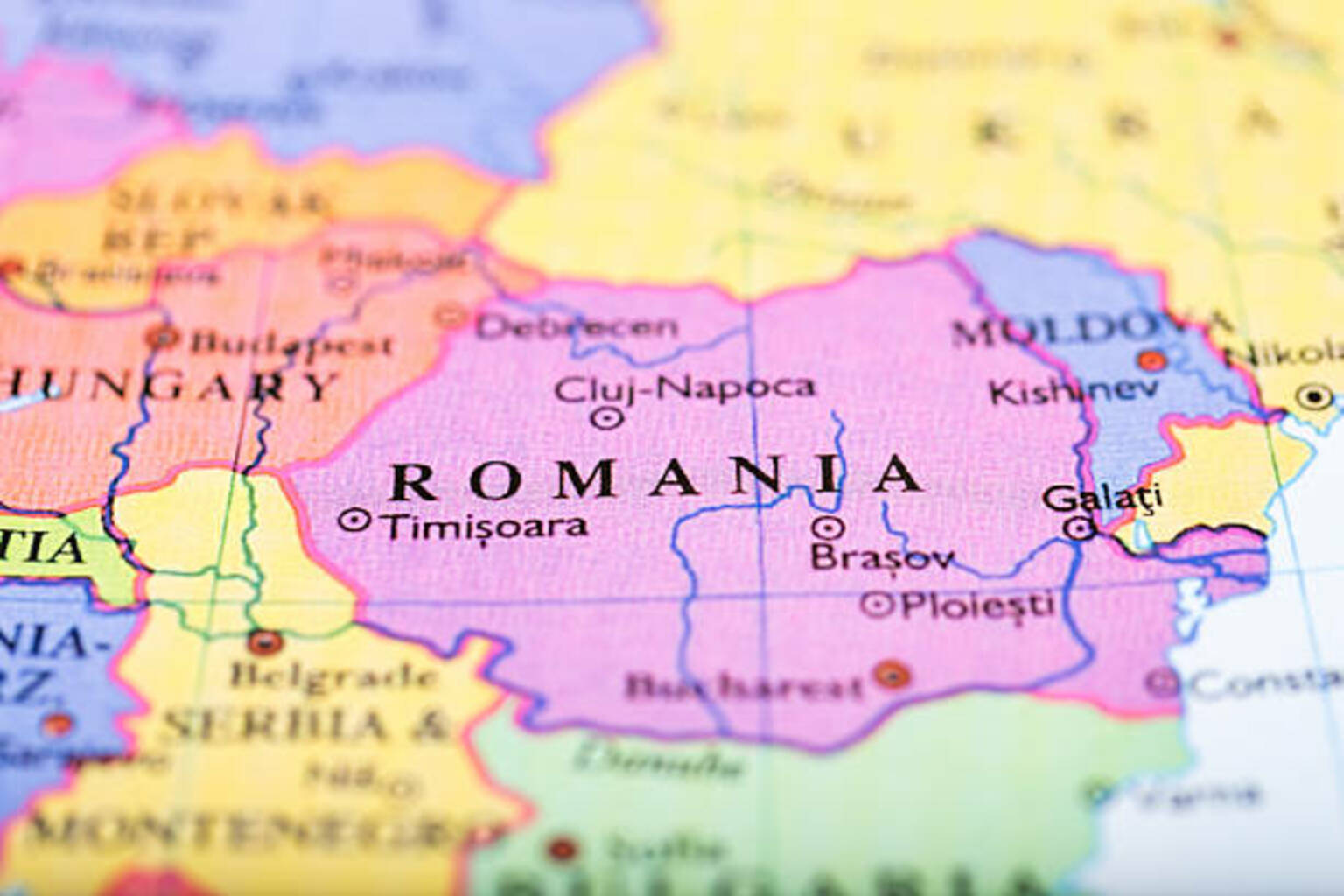
Russian Drone Strikes Apartment in Romania, Injuring Civilians

- Incident Overview: A Russian drone struck an apartment building in Galati, Romania, early Friday, injuring two people, marking a significant escalation in Russia's aggression that now directly impacts NATO member states.
- Romania's Response: Romanian President Nicusor Dan announced that proportionate measures will be taken against Russia, emphasizing the unprecedented nature of the event and the need for a coordinated response at national, allied, and international levels to ensure national security.
- EU's Position: EU Commission President Ursula von der Leyen stated on social media that the incident demonstrates Russia's aggression poses a threat to EU territory, and the EU will continue to strengthen security and deterrence, particularly on its Eastern border, while increasing pressure on Russia.
- NATO's Defense Readiness: NATO chief Mark Rutte responded that NATO stands ready to defend every inch of Allied territory and will enhance readiness against threats, including drones, highlighting that Russia's reckless behavior endangers all nations involved.
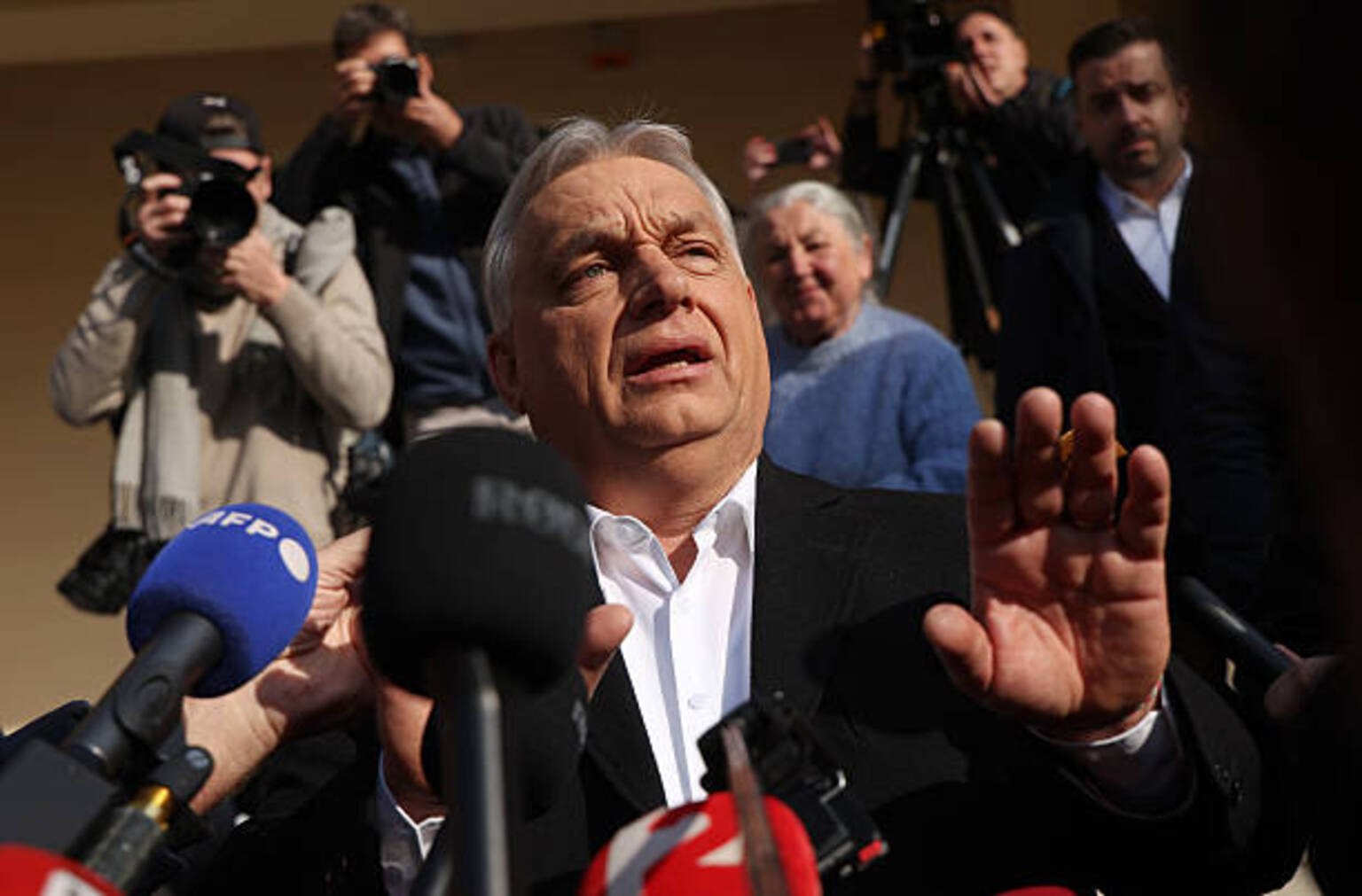
Hungarian Election: Orbán Acknowledges Defeat
- Election Outcome: Hungarian Prime Minister Viktor Orbán conceded defeat in the recent election, with early results indicating challenger Péter Magyar leading by nearly 15 percentage points, marking the end of his 16-year tenure amid voter dissatisfaction over economic issues and corruption allegations.
- Record Turnout: The election saw a turnout approaching 80%, the highest since Hungary's post-communist transition, reflecting a strong public desire for political change, particularly in traditional Fidesz strongholds, indicating a significant shift in voter sentiment.
- Anti-Corruption Focus: Magyar's campaign reached hundreds of towns, drawing large crowds with a strong anti-corruption message and promises to restore ties with the European Union, highlighting the electorate's frustration with the current government's performance and their hopes for a better future.
- Impact of International Relations: Orbán framed the election around national security, leveraging his close ties with figures like Donald Trump and Vladimir Putin to rally support; however, Hungary's economic struggles and tensions with the EU posed significant challenges, with Magyar warning that continued Orbán leadership could lead to further isolation.

CEE, GF, EEA Announce 2025 Cash Distributions

- Distribution Announcement: The Central and Eastern Europe Fund (CEE), The New Germany Fund (GF), and The European Equity Fund (EEA) announced total distributions to be paid in stock on December 30, 2025, demonstrating ongoing shareholder commitment.
- Distribution Details: CEE's distribution per share is $0.3871, GF's is $0.1298, and EEA's totals $0.7484, reflecting the funds' stable income-generating capabilities in the market.
- Market Risks: The value and liquidity of CEE's portfolio have been significantly affected by Russia's invasion of Ukraine, which may lead to increased market volatility and investment risks in the future.
- Investment Strategy: The funds focus on specific regions, which, while increasing potential risks, may also yield higher returns during market recoveries, particularly amid heightened economic uncertainty.
Certain DWS Closed-End Funds Announce Extension of Share Repurchases and The Central and Eastern Europe Fund, Inc. Announces Extension of Minimum Period for Partial Advisory Fee Waiver

Funds' Share Repurchase Authorization: The Central and Eastern Europe Fund, European Equity Fund, and New Germany Fund have extended their share repurchase authorization for an additional twelve months, allowing them to buy back shares when trading at a discount to net asset value from August 1, 2025, to July 31, 2026.
Investment Advisory Fee Waiver: The Central and Eastern Europe Fund's investment advisor has agreed to waive 50% of its advisory fee until at least December 31, 2025, extending the previous waiver period.
The Central and Eastern Europe Fund, Inc., Announces Results of the Fund's Annual Meeting of Stockholders and Extension of Minimum Period for Partial Advisory Fee Waiver
Annual Meeting Results: The Central and Eastern Europe Fund elected Ms. Hepsen Uzcan as Class I Director for a three-year term and ratified Ernst & Young LLP as independent auditors for the 2025 fiscal year.
Advisory Fee Waiver: DWS International GmbH will continue to waive 50% of its advisory fee until at least September 30, 2025, amidst ongoing risks associated with investing in emerging markets and geopolitical events affecting the fund's portfolio.

Russia prepares for return of foreign companies, but conditions apply

Russia's Legal Framework for Foreign Companies: Russia is developing a legal framework to facilitate the return of foreign companies, contingent on the lifting of Western sanctions and a permanent peace deal. Companies are cautious about returning due to past experiences and are conducting due diligence.
Recent Developments in Foreign Operations: Some companies, like Ariston and LG Electronics, have resumed operations in Russia, while others such as Hyundai and Samsung are evaluating their potential re-entry into the market amidst ongoing geopolitical tensions.
Russian Drone Strikes Apartment in Romania, Injuring Civilians
- Incident Overview: A Russian drone struck an apartment building in Galati, Romania, early Friday, injuring two people, marking a significant escalation in Russia's aggression that now directly impacts NATO member states.
- Romania's Response: Romanian President Nicusor Dan announced that proportionate measures will be taken against Russia, emphasizing the unprecedented nature of the event and the need for a coordinated response at national, allied, and international levels to ensure national security.
- EU's Position: EU Commission President Ursula von der Leyen stated on social media that the incident demonstrates Russia's aggression poses a threat to EU territory, and the EU will continue to strengthen security and deterrence, particularly on its Eastern border, while increasing pressure on Russia.
- NATO's Defense Readiness: NATO chief Mark Rutte responded that NATO stands ready to defend every inch of Allied territory and will enhance readiness against threats, including drones, highlighting that Russia's reckless behavior endangers all nations involved.
Hungarian Election: Orbán Acknowledges Defeat
- Election Outcome: Hungarian Prime Minister Viktor Orbán conceded defeat in the recent election, with early results indicating challenger Péter Magyar leading by nearly 15 percentage points, marking the end of his 16-year tenure amid voter dissatisfaction over economic issues and corruption allegations.
- Record Turnout: The election saw a turnout approaching 80%, the highest since Hungary's post-communist transition, reflecting a strong public desire for political change, particularly in traditional Fidesz strongholds, indicating a significant shift in voter sentiment.
- Anti-Corruption Focus: Magyar's campaign reached hundreds of towns, drawing large crowds with a strong anti-corruption message and promises to restore ties with the European Union, highlighting the electorate's frustration with the current government's performance and their hopes for a better future.
- Impact of International Relations: Orbán framed the election around national security, leveraging his close ties with figures like Donald Trump and Vladimir Putin to rally support; however, Hungary's economic struggles and tensions with the EU posed significant challenges, with Magyar warning that continued Orbán leadership could lead to further isolation.
CEE, GF, EEA Announce 2025 Cash Distributions
- Distribution Announcement: The Central and Eastern Europe Fund (CEE), The New Germany Fund (GF), and The European Equity Fund (EEA) announced total distributions to be paid in stock on December 30, 2025, demonstrating ongoing shareholder commitment.
- Distribution Details: CEE's distribution per share is $0.3871, GF's is $0.1298, and EEA's totals $0.7484, reflecting the funds' stable income-generating capabilities in the market.
- Market Risks: The value and liquidity of CEE's portfolio have been significantly affected by Russia's invasion of Ukraine, which may lead to increased market volatility and investment risks in the future.
- Investment Strategy: The funds focus on specific regions, which, while increasing potential risks, may also yield higher returns during market recoveries, particularly amid heightened economic uncertainty.
Certain DWS Closed-End Funds Announce Extension of Share Repurchases and The Central and Eastern Europe Fund, Inc. Announces Extension of Minimum Period for Partial Advisory Fee Waiver
Funds' Share Repurchase Authorization: The Central and Eastern Europe Fund, European Equity Fund, and New Germany Fund have extended their share repurchase authorization for an additional twelve months, allowing them to buy back shares when trading at a discount to net asset value from August 1, 2025, to July 31, 2026.
Investment Advisory Fee Waiver: The Central and Eastern Europe Fund's investment advisor has agreed to waive 50% of its advisory fee until at least December 31, 2025, extending the previous waiver period.
The Central and Eastern Europe Fund, Inc., Announces Results of the Fund's Annual Meeting of Stockholders and Extension of Minimum Period for Partial Advisory Fee Waiver
Annual Meeting Results: The Central and Eastern Europe Fund elected Ms. Hepsen Uzcan as Class I Director for a three-year term and ratified Ernst & Young LLP as independent auditors for the 2025 fiscal year.
Advisory Fee Waiver: DWS International GmbH will continue to waive 50% of its advisory fee until at least September 30, 2025, amidst ongoing risks associated with investing in emerging markets and geopolitical events affecting the fund's portfolio.
Russia prepares for return of foreign companies, but conditions apply
Russia's Legal Framework for Foreign Companies: Russia is developing a legal framework to facilitate the return of foreign companies, contingent on the lifting of Western sanctions and a permanent peace deal. Companies are cautious about returning due to past experiences and are conducting due diligence.
Recent Developments in Foreign Operations: Some companies, like Ariston and LG Electronics, have resumed operations in Russia, while others such as Hyundai and Samsung are evaluating their potential re-entry into the market amidst ongoing geopolitical tensions.