

Surging Oil Prices Impact Stock Futures Volatility


Stock futures have been bouncing between slightly lower and higher as surging oil prices, rising bond yields and renewed geopolitical tension in the Middle East weigh on the AI-driven rally that has dominated the year so far.The 30-year Treasury yield climbed above 5.15%, its highest level since before the 2008 financial crisis, while the 10-year Treasury yield rose toward 4.65%. Investors are increasingly worried that inflation is becoming entrenched due to energy prices, persistent fiscal deficits and resilient economic demand. Markets are now pricing in a meaningful possibility that the Federal Reserve could raise rates again later this year instead of cutting them.Brent crude traded above $110 a barrel after fresh drone attacks reportedly struck infrastructure tied to a UAE nuclear facility, intensifying fears about broader disruption in the Strait of Hormuz. Traders are increasingly concerned about the risk of sustained supply constraints at a time when global inventories are already tight.Semiconductor and mega-cap tech stocks remain the market's leadership group, but investors are becoming more sensitive to valuations as borrowing costs rise. Analysts are increasingly debating whether AI enthusiasm has become excessive, particularly given the massive capital spending required to sustain the boom. Investors are closely watching results from Nvidia for insight into AI infrastructure demand, while reports from Walmart and Home Depot will offer a read on the health of the consumer amid rising gasoline and borrowing costs.In pre-market trading, S&P 500 futures rose 0.25%, Nasdaq futures gained 0.55% and Dow futures advanced 0.12%.Check out this morning's top movers from around Wall Street, compiled by The Fly.HIGHER -LiveRampup 27% after Publicisentered into an agreement to acquire the company for a total enterprise value of $2.2BDominionup 14% after NextEra Energy and the company announced that they have entered into a definitive agreement to combine in an all-stock transactionBio-Rad Laboratoriesup 8% after The Wall Street Journalactivist investor Elliot Investment Management has built a big stake in the companyFordup 6% after the company and EDF Group announced the signing of a five-year framework agreement under which EDF power solutions will have the ability to procure up to four gigawatt hours of DC Block battery energy storage systems annually, representing a total potential volume of up to 20 GWh over the term of the agreementMacy'sand Delta Air Linesup 3% and 2%, respectively, after Berkshire Hathaway disclosed new positions in the companiesUP AFTER EARNINGS -Baiduup 5%Bradyup 5%DOWN AFTER EARNINGS -Gossamer Biodown 16%Pioneer Powerdown 7%iQiyidown 2%Soluna Holdingsdown 2%LOWER -Regenerondown 11% after reporting its fianlimab trial did not meet the primary endpointNextEra Energydown 1% after the company and Dominionannounced that they have entered into a definitive agreement to combine in an all-stock transaction
Trade with 70% Backtested Accuracy
Analyst Views on D

About D
About the author


Analysis of Honeywell's Post-Split Performance


- Honeywell Stock Performance: Following its split, Honeywell's combined stock trades around $240, reflecting a 6% increase since late June, indicating market confidence in its future growth, particularly in the aerospace sector.
- Strong Aerospace Division: Honeywell Aerospace shares have surged 15% over the past three sessions, currently priced at approximately $220, with analysts setting a target of $285, highlighting its attractiveness for long-term growth.
- Tech Sector Rebound: As investors rotate back into AI themes, technology stocks, including semiconductors, are rebounding, boosting overall market sentiment against a backdrop of capital outflows from healthcare and consumer retail sectors.
- Goldman and Wells Fargo Performance: Goldman Sachs shares rose over 2%, ranking first in global M&A fees for the first half of 2026, while Wells Fargo's price target was raised, reflecting investor optimism about its trading revenues and upcoming earnings.

Surge in Electricity Demand Driven by AI Investments


- Electricity Demand Surge: Electricity demand is projected to grow by 60% from 2025 to 2045, primarily driven by artificial intelligence and data centers, prompting utility companies to ramp up investments to meet this demand, thereby catalyzing industry growth.
- Investor Considerations: As regulated utilities must pass on spending through rate increases, regulatory approval becomes crucial, especially amid high inflation and rising electricity costs, which could pressure utility profitability if costs cannot be fully transferred.
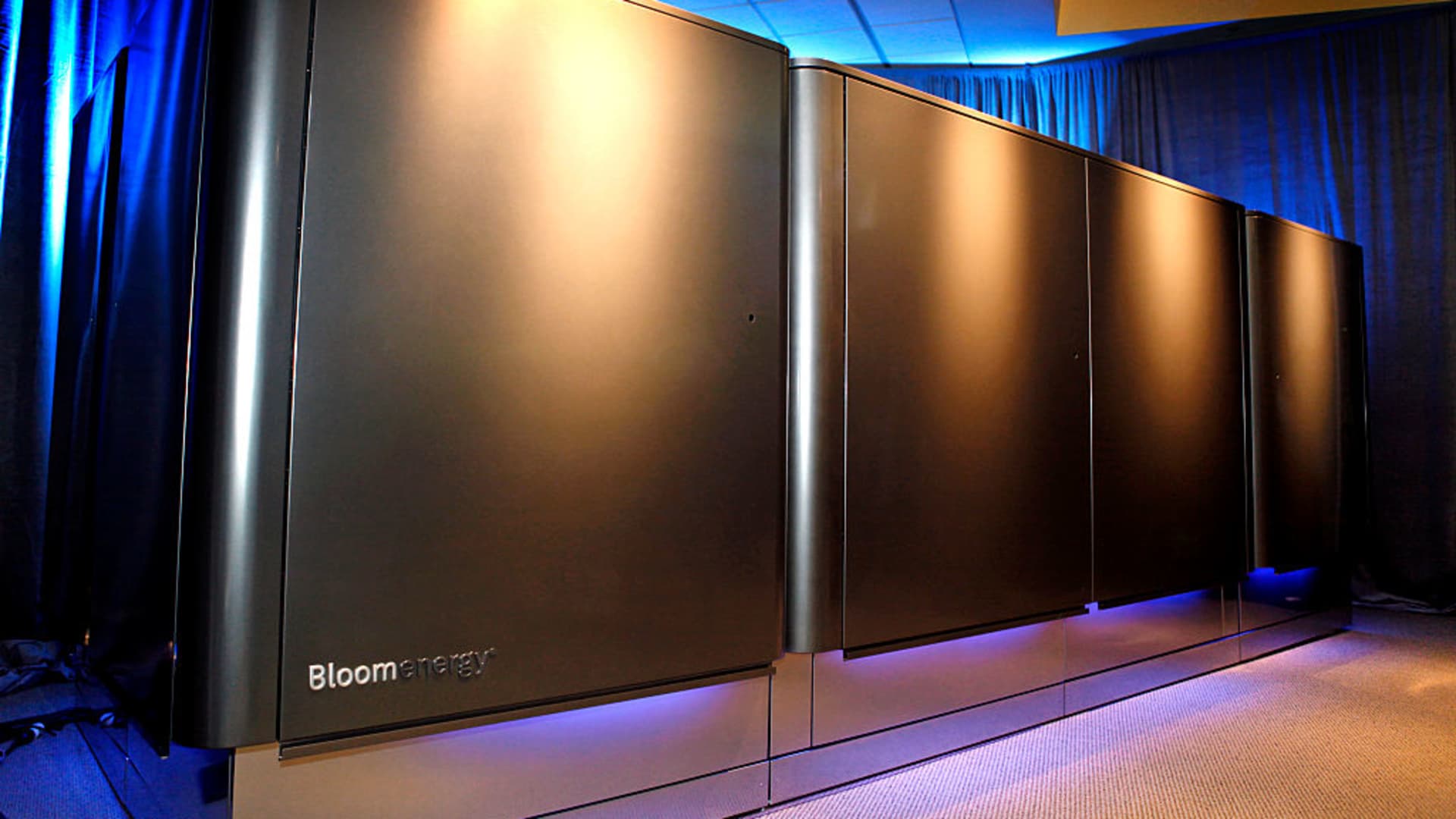
- Bloom Energy Opportunity: Bloom Energy's hydrogen fuel cells have a backlog of $6 billion at the start of 2026, up 2.5 times year-over-year, indicating strong demand in the AI data center market, although its price-to-sales ratio of 29x suggests that market expectations for future success are already reflected in its stock price.
- Renewable Energy Investment: Brookfield Renewable Partners boasts a diversified portfolio of renewable assets and is expected to benefit from AI demand, offering a distribution yield of 4.5% with plans for annual growth of 5% to 9%, providing investors with a stable income stream.
AI Demand Fuels $240 Billion Utility Investment Surge
- Surging Power Demand: Utilities are projected to spend up to $240 billion by 2026 to meet AI-driven electricity demand, which will likely lead to increased power prices and impact industry profitability.
- Investor Considerations: With electricity demand growing by 10% from 2005 to 2025 and expected to rise by 60% from 2025 to 2045, utility companies must ramp up capital investments to meet this escalating demand.
- Company Options: Bloom Energy's hydrogen fuel cells have a $6 billion backlog at the start of 2026, up 2.5 times year-over-year, indicating strong potential for powering AI data centers, while Brookfield Renewable Partners attracts dividend-seeking investors with a 4.5% distribution yield.
- Market Outlook: NextEra Energy's proposed acquisition of Dominion Energy, which operates in one of the world's largest data center markets, is expected to drive annual earnings growth of about 9% post-acquisition, further solidifying its leadership in renewable energy.

Senator Opposes NextEra's $67B Dominion Acquisition

- Opposition to Acquisition: Senator Angus King stated in a letter to the Federal Energy Regulatory Commission that NextEra Energy's proposed $67 billion acquisition of Dominion Energy should be rejected, citing concerns over excessive power consolidation affecting over 10 million people.
- Competition Concerns: King highlighted that the merged entity would create the world's largest regulated electric utility by market capitalization, potentially stifling competition and allowing a single firm to exert significant influence across generation and transmission sectors.
- Impact on Clean Energy: The senator expressed worries that NextEra's lobbying efforts in New England have already harmed clean energy competition, alongside other business practices that could lead to increased prices for consumers.
- Regulatory Challenges Ahead: The opposition to this acquisition could pose significant challenges for NextEra's future growth, particularly in a climate where energy market competition and consumer protection are under heightened scrutiny.

Senator Urges Rejection of NextEra's Dominion Acquisition
- Acquisition Controversy: U.S. Senator Angus King is urging the rejection of NextEra's proposed $66.8 billion acquisition of Dominion Energy, arguing that the deal would concentrate too much power and potentially impact over 10 million people.
- Competition Concerns: King highlighted that the merged entity would possess 110 gigawatts of electric-generating capacity, which could deter competition and affect market fairness, particularly in regions with high concentrations of data centers.
- Rising Energy Demand: The past few years have seen a surge in electricity demand, driven by the electrification of industries like transportation and the expansion of energy-intensive data centers, leading to several large power mergers, including NextEra's acquisition plan.
- Clean Energy Competition: King noted that NextEra has already stifled clean energy competition through lobbying efforts in New England, raising concerns that this could ultimately lead to higher prices for consumers and further scrutiny of the company's business practices.
Strategic Analysis of NextEra's Acquisition of Dominion Energy
- Acquisition Motivation: NextEra Energy's planned acquisition of Dominion Energy aims to expand its geographic reach and capitalize on expected electricity demand growth, particularly as Dominion operates just up the East Coast from Florida, which is expected to have a direct positive impact on NextEra's business.
- Shareholder Benefits: Each Dominion shareholder will receive 0.8138 shares of NextEra and a one-time cash distribution of $360 million upon deal completion, indicating that the two stocks will be closely tied, with prices likely moving in tandem during the merger process.
- Dividend Yield Difference: Dominion Energy currently offers a dividend yield of 3.9%, compared to NextEra's 2.9%, making Dominion a more attractive option for dividend investors who believe in the merger's success, providing a higher income stream until the deal is finalized.
- Risk Assessment: If the acquisition fails, Dominion's share price could drop back to around $63, representing a modest downside risk of about 7%, yet holding Dominion could still incrementally enhance income streams for investors over the next year.
Analysis of Honeywell's Post-Split Performance
- Honeywell Stock Performance: Following its split, Honeywell's combined stock trades around $240, reflecting a 6% increase since late June, indicating market confidence in its future growth, particularly in the aerospace sector.
- Strong Aerospace Division: Honeywell Aerospace shares have surged 15% over the past three sessions, currently priced at approximately $220, with analysts setting a target of $285, highlighting its attractiveness for long-term growth.
- Tech Sector Rebound: As investors rotate back into AI themes, technology stocks, including semiconductors, are rebounding, boosting overall market sentiment against a backdrop of capital outflows from healthcare and consumer retail sectors.
- Goldman and Wells Fargo Performance: Goldman Sachs shares rose over 2%, ranking first in global M&A fees for the first half of 2026, while Wells Fargo's price target was raised, reflecting investor optimism about its trading revenues and upcoming earnings.
Surge in Electricity Demand Driven by AI Investments
- Electricity Demand Surge: Electricity demand is projected to grow by 60% from 2025 to 2045, primarily driven by artificial intelligence and data centers, prompting utility companies to ramp up investments to meet this demand, thereby catalyzing industry growth.
- Investor Considerations: As regulated utilities must pass on spending through rate increases, regulatory approval becomes crucial, especially amid high inflation and rising electricity costs, which could pressure utility profitability if costs cannot be fully transferred.
- Bloom Energy Opportunity: Bloom Energy's hydrogen fuel cells have a backlog of $6 billion at the start of 2026, up 2.5 times year-over-year, indicating strong demand in the AI data center market, although its price-to-sales ratio of 29x suggests that market expectations for future success are already reflected in its stock price.
- Renewable Energy Investment: Brookfield Renewable Partners boasts a diversified portfolio of renewable assets and is expected to benefit from AI demand, offering a distribution yield of 4.5% with plans for annual growth of 5% to 9%, providing investors with a stable income stream.
AI Demand Fuels $240 Billion Utility Investment Surge
- Surging Power Demand: Utilities are projected to spend up to $240 billion by 2026 to meet AI-driven electricity demand, which will likely lead to increased power prices and impact industry profitability.
- Investor Considerations: With electricity demand growing by 10% from 2005 to 2025 and expected to rise by 60% from 2025 to 2045, utility companies must ramp up capital investments to meet this escalating demand.
- Company Options: Bloom Energy's hydrogen fuel cells have a $6 billion backlog at the start of 2026, up 2.5 times year-over-year, indicating strong potential for powering AI data centers, while Brookfield Renewable Partners attracts dividend-seeking investors with a 4.5% distribution yield.
- Market Outlook: NextEra Energy's proposed acquisition of Dominion Energy, which operates in one of the world's largest data center markets, is expected to drive annual earnings growth of about 9% post-acquisition, further solidifying its leadership in renewable energy.
Senator Opposes NextEra's $67B Dominion Acquisition
- Opposition to Acquisition: Senator Angus King stated in a letter to the Federal Energy Regulatory Commission that NextEra Energy's proposed $67 billion acquisition of Dominion Energy should be rejected, citing concerns over excessive power consolidation affecting over 10 million people.
- Competition Concerns: King highlighted that the merged entity would create the world's largest regulated electric utility by market capitalization, potentially stifling competition and allowing a single firm to exert significant influence across generation and transmission sectors.
- Impact on Clean Energy: The senator expressed worries that NextEra's lobbying efforts in New England have already harmed clean energy competition, alongside other business practices that could lead to increased prices for consumers.
- Regulatory Challenges Ahead: The opposition to this acquisition could pose significant challenges for NextEra's future growth, particularly in a climate where energy market competition and consumer protection are under heightened scrutiny.
Senator Urges Rejection of NextEra's Dominion Acquisition
- Acquisition Controversy: U.S. Senator Angus King is urging the rejection of NextEra's proposed $66.8 billion acquisition of Dominion Energy, arguing that the deal would concentrate too much power and potentially impact over 10 million people.
- Competition Concerns: King highlighted that the merged entity would possess 110 gigawatts of electric-generating capacity, which could deter competition and affect market fairness, particularly in regions with high concentrations of data centers.
- Rising Energy Demand: The past few years have seen a surge in electricity demand, driven by the electrification of industries like transportation and the expansion of energy-intensive data centers, leading to several large power mergers, including NextEra's acquisition plan.
- Clean Energy Competition: King noted that NextEra has already stifled clean energy competition through lobbying efforts in New England, raising concerns that this could ultimately lead to higher prices for consumers and further scrutiny of the company's business practices.
Strategic Analysis of NextEra's Acquisition of Dominion Energy
- Acquisition Motivation: NextEra Energy's planned acquisition of Dominion Energy aims to expand its geographic reach and capitalize on expected electricity demand growth, particularly as Dominion operates just up the East Coast from Florida, which is expected to have a direct positive impact on NextEra's business.
- Shareholder Benefits: Each Dominion shareholder will receive 0.8138 shares of NextEra and a one-time cash distribution of $360 million upon deal completion, indicating that the two stocks will be closely tied, with prices likely moving in tandem during the merger process.
- Dividend Yield Difference: Dominion Energy currently offers a dividend yield of 3.9%, compared to NextEra's 2.9%, making Dominion a more attractive option for dividend investors who believe in the merger's success, providing a higher income stream until the deal is finalized.
- Risk Assessment: If the acquisition fails, Dominion's share price could drop back to around $63, representing a modest downside risk of about 7%, yet holding Dominion could still incrementally enhance income streams for investors over the next year.





