

Palantir Shares (PLTR) Drop 17% from All-Time High; Here's a Safe Way to Invest in the Dip

Palantir Stock Decline: Palantir Technologies has experienced a six-session stock drop, losing $73 billion in market value, influenced by a broader market pullback and a report from Citron Research labeling the stock as overvalued.
Year-to-Date Performance: Despite the recent decline, Palantir's stock is still up 106% year-to-date, suggesting potential buying opportunities for long-term investors through diversified exchange-traded funds (ETFs).
Global X Defense Tech ETF (SHLD): The SHLD ETF focuses on defense technology companies, with Palantir making up 9.49% of its holdings. It has generated a return of 45.62% over the past six months and has a Moderate Buy consensus rating.
iShares Expanded Tech-Software Sector ETF (IGV): The IGV ETF targets leading U.S. software firms, including Palantir at 10% of its holdings. It has returned 8.6% in the last six months and also holds a Moderate Buy consensus rating, offering another avenue for investors to gain exposure to Palantir.
Trade with 70% Backtested Accuracy
Analyst Views on GD

About GD
About the author

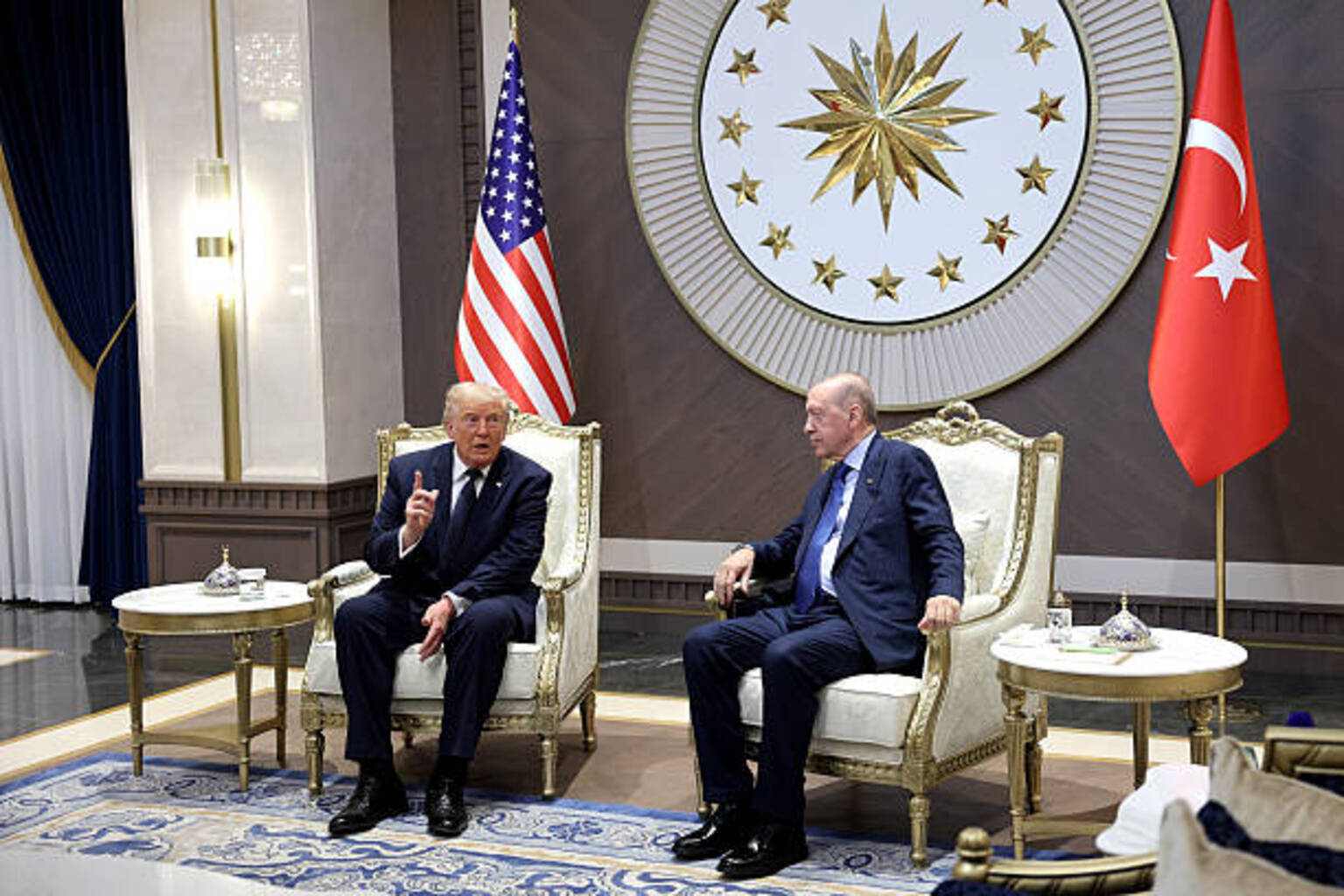
Trump Criticizes NATO Allies and Reiterates Greenland Issue


- NATO Allies Criticism: Trump criticized NATO allies at the Ankara summit, stating that the U.S. spends excessively to protect them from Russia without receiving adequate returns, indicating strong dissatisfaction that could strain U.S.-NATO relations.
- Strategic Importance of Greenland: Trump reiterated Greenland's significance to the U.S., despite Denmark's Prime Minister rejecting the sale, which may lead to heightened tensions between the U.S. and Denmark and impact U.S. military strategy in the Arctic.
- Trade Relations with Spain: Trump ordered the cessation of all trade with Spain, labeling it a “terrible partner” in NATO, a move that could provoke diplomatic backlash from Spain and affect bilateral economic relations.
- Tough Stance on Iran: Trump declared the memorandum of understanding with Iran “over,” calling them “scum,” a position that may escalate tensions between the U.S. and Iran and influence security dynamics in the Middle East.

Defense Contractors Face Stock Buyback Ban in NDAA

- Legislative Proposal Dynamics: The House is considering an amendment that would prohibit defense contractors like Lockheed Martin and Boeing from executing stock buybacks in the National Defense Authorization Act, potentially impacting the operational models of thousands of contractors.
- Industry Opposition: Industry groups, led by the Chamber of Commerce, have sent a letter to the House Rules Committee warning that the amendment would restrict corporate capital allocation decisions, risking the loss of innovative market participants.
- Concerns Over Government Intervention: The amendment requires contractors to agree not to repurchase stock when entering contracts with the Department of Defense, with waivers needing Pentagon approval, which critics argue represents excessive government interference in corporate governance.
- Bipartisan Consensus in Congress: The Senate version of the NDAA also includes similar provisions aimed at forcing contractors to prioritize product delivery over dividend payments, reflecting an increasing regulatory scrutiny on defense contractors.

Ukraine Strikes Russian Military Facility with FP-5 Missiles

- Escalation of Military Strikes: Ukraine has targeted a military production facility in Russia's Volgograd region using domestically developed FP-5 Flamingo cruise missiles, demonstrating a significant enhancement in its long-range strike capabilities aimed at increasing pressure on Moscow to encourage negotiations.
- Precision Targeting: President Volodymyr Zelenskyy confirmed that the missiles struck the Titan-Barrikady plant, which manufactures artillery systems and missile launcher components, resulting in 10 injuries and fires at the site, further highlighting Ukraine's ability to hit military facilities deep within Russian territory.
- Strategic Implications: This strike is part of a 40-day campaign approved by Zelenskyy to maintain military pressure on Russia and push for negotiations, despite Moscow's ongoing rejection of direct dialogue proposals.
- Geographical Advantage: Volgograd, located about 460 kilometers from Ukraine's border, has become a primary target for Ukraine's strikes against military production facilities supporting Russia's war efforts, indicating a strategic shift in Ukraine's operational approach.

General Dynamics Secures $209.3M Contract Modification
- Contract Value Increase: General Dynamics Land Systems has secured a $209.3 million contract modification for the Abrams Engineering Program, raising the total contract value to nearly $849.9 million, indicating strong demand and growth potential in the defense sector.
- Project Location: The work will be conducted in Warren, Michigan, and is expected to run through November 26, 2031, highlighting the company's domestic production capabilities and reliance on long-term contracts.
- Funding Source Identified: The $209.3 million was funded upfront using the FY2026 Army research, development, test, and evaluation budgets, reflecting the government's commitment to defense modernization and support for related companies.
- Awarding Authority: The contract was awarded by the Army Contracting Command, further solidifying General Dynamics' position in the military sector and potentially paving the way for future contract opportunities.

Trump Urges Acceleration of Defense Production
- Defense Production Meeting: CEOs from Boeing, Lockheed Martin, and Honeywell met with Trump at the White House on Wednesday to address urgent needs for U.S. missile and munitions stockpiles, emphasizing the necessity to accelerate the defense industrial base's production capabilities.
- Supplemental Spending Request: The White House requested $87.6 billion in supplemental spending from Congress primarily for the Iran war, reflecting the government's urgency to replenish key weapons systems amid ongoing peace talks with Tehran.
- Production Capacity Challenges: Trump invoked the Defense Production Act earlier this month to expedite weapons production; however, systemic constraints such as limited production capacity, fragile supply chains, and long lead times complicate the administration's push for faster output, which typically takes years rather than months.
- Increased Congressional Oversight: The Senate adopted an Iran war powers resolution, symbolically rebuking Trump's military strategy and highlighting growing congressional scrutiny of military actions, while pushing defense contractors to prioritize existing Pentagon contracts and American manufacturing capacity.

Mixed Market Close: Tech Stocks Decline Amid Leadership Changes


- Tech Stock Decline: Alphabet's stock fell over 5% following the announcement of Google DeepMind VP Jumper's departure, leading to a broader decline in major tech stocks, which may heighten investor uncertainty regarding the tech sector's future performance.
- Oil Price Volatility: Oil prices initially surged over 2% after Iran threatened to close the Strait of Hormuz, but later retreated due to reported progress in peace talks with the US, highlighting the direct impact of geopolitical tensions on market dynamics and prompting investors to reassess energy sector risks.
- Market Expectation Shift: The market is currently pricing in a 39% chance of a 25 basis point rate hike at the upcoming FOMC meeting, reflecting a cautious investor sentiment towards future monetary policy, which could influence market liquidity and investment strategies.
- Overseas Market Performance: European and Asian stock markets closed higher, with the Euro Stoxx 50 and Japan's Nikkei 225 rising by 0.29% and 1.55% respectively, indicating a divergence in global market trends that may provide some support for the US market.
Trump Criticizes NATO Allies and Reiterates Greenland Issue
- NATO Allies Criticism: Trump criticized NATO allies at the Ankara summit, stating that the U.S. spends excessively to protect them from Russia without receiving adequate returns, indicating strong dissatisfaction that could strain U.S.-NATO relations.
- Strategic Importance of Greenland: Trump reiterated Greenland's significance to the U.S., despite Denmark's Prime Minister rejecting the sale, which may lead to heightened tensions between the U.S. and Denmark and impact U.S. military strategy in the Arctic.
- Trade Relations with Spain: Trump ordered the cessation of all trade with Spain, labeling it a “terrible partner” in NATO, a move that could provoke diplomatic backlash from Spain and affect bilateral economic relations.
- Tough Stance on Iran: Trump declared the memorandum of understanding with Iran “over,” calling them “scum,” a position that may escalate tensions between the U.S. and Iran and influence security dynamics in the Middle East.
Defense Contractors Face Stock Buyback Ban in NDAA
- Legislative Proposal Dynamics: The House is considering an amendment that would prohibit defense contractors like Lockheed Martin and Boeing from executing stock buybacks in the National Defense Authorization Act, potentially impacting the operational models of thousands of contractors.
- Industry Opposition: Industry groups, led by the Chamber of Commerce, have sent a letter to the House Rules Committee warning that the amendment would restrict corporate capital allocation decisions, risking the loss of innovative market participants.
- Concerns Over Government Intervention: The amendment requires contractors to agree not to repurchase stock when entering contracts with the Department of Defense, with waivers needing Pentagon approval, which critics argue represents excessive government interference in corporate governance.
- Bipartisan Consensus in Congress: The Senate version of the NDAA also includes similar provisions aimed at forcing contractors to prioritize product delivery over dividend payments, reflecting an increasing regulatory scrutiny on defense contractors.
Ukraine Strikes Russian Military Facility with FP-5 Missiles
- Escalation of Military Strikes: Ukraine has targeted a military production facility in Russia's Volgograd region using domestically developed FP-5 Flamingo cruise missiles, demonstrating a significant enhancement in its long-range strike capabilities aimed at increasing pressure on Moscow to encourage negotiations.
- Precision Targeting: President Volodymyr Zelenskyy confirmed that the missiles struck the Titan-Barrikady plant, which manufactures artillery systems and missile launcher components, resulting in 10 injuries and fires at the site, further highlighting Ukraine's ability to hit military facilities deep within Russian territory.
- Strategic Implications: This strike is part of a 40-day campaign approved by Zelenskyy to maintain military pressure on Russia and push for negotiations, despite Moscow's ongoing rejection of direct dialogue proposals.
- Geographical Advantage: Volgograd, located about 460 kilometers from Ukraine's border, has become a primary target for Ukraine's strikes against military production facilities supporting Russia's war efforts, indicating a strategic shift in Ukraine's operational approach.
General Dynamics Secures $209.3M Contract Modification
- Contract Value Increase: General Dynamics Land Systems has secured a $209.3 million contract modification for the Abrams Engineering Program, raising the total contract value to nearly $849.9 million, indicating strong demand and growth potential in the defense sector.
- Project Location: The work will be conducted in Warren, Michigan, and is expected to run through November 26, 2031, highlighting the company's domestic production capabilities and reliance on long-term contracts.
- Funding Source Identified: The $209.3 million was funded upfront using the FY2026 Army research, development, test, and evaluation budgets, reflecting the government's commitment to defense modernization and support for related companies.
- Awarding Authority: The contract was awarded by the Army Contracting Command, further solidifying General Dynamics' position in the military sector and potentially paving the way for future contract opportunities.
Trump Urges Acceleration of Defense Production
- Defense Production Meeting: CEOs from Boeing, Lockheed Martin, and Honeywell met with Trump at the White House on Wednesday to address urgent needs for U.S. missile and munitions stockpiles, emphasizing the necessity to accelerate the defense industrial base's production capabilities.
- Supplemental Spending Request: The White House requested $87.6 billion in supplemental spending from Congress primarily for the Iran war, reflecting the government's urgency to replenish key weapons systems amid ongoing peace talks with Tehran.
- Production Capacity Challenges: Trump invoked the Defense Production Act earlier this month to expedite weapons production; however, systemic constraints such as limited production capacity, fragile supply chains, and long lead times complicate the administration's push for faster output, which typically takes years rather than months.
- Increased Congressional Oversight: The Senate adopted an Iran war powers resolution, symbolically rebuking Trump's military strategy and highlighting growing congressional scrutiny of military actions, while pushing defense contractors to prioritize existing Pentagon contracts and American manufacturing capacity.
Mixed Market Close: Tech Stocks Decline Amid Leadership Changes
- Tech Stock Decline: Alphabet's stock fell over 5% following the announcement of Google DeepMind VP Jumper's departure, leading to a broader decline in major tech stocks, which may heighten investor uncertainty regarding the tech sector's future performance.
- Oil Price Volatility: Oil prices initially surged over 2% after Iran threatened to close the Strait of Hormuz, but later retreated due to reported progress in peace talks with the US, highlighting the direct impact of geopolitical tensions on market dynamics and prompting investors to reassess energy sector risks.
- Market Expectation Shift: The market is currently pricing in a 39% chance of a 25 basis point rate hike at the upcoming FOMC meeting, reflecting a cautious investor sentiment towards future monetary policy, which could influence market liquidity and investment strategies.
- Overseas Market Performance: European and Asian stock markets closed higher, with the Euro Stoxx 50 and Japan's Nikkei 225 rising by 0.29% and 1.55% respectively, indicating a divergence in global market trends that may provide some support for the US market.





