

Western Digital Faces Decline Amid Broader Tech Market Weakness

Western Digital Corp's shares fell by 5.41% in pre-market trading, crossing below the 5-day SMA, reflecting the broader downturn in the tech sector.
The decline comes as the Nasdaq-100 and S&P 500 indices dropped significantly, down 2.59% and 1.47% respectively, indicating a general market weakness that has affected investor sentiment across technology stocks. Despite Western Digital's recent strong performance, including a 45% year-over-year revenue growth, the stock's movement is primarily influenced by the sector's overall struggles rather than company-specific news.
This downturn highlights the volatility in the tech market, where even companies with strong fundamentals like Western Digital can be impacted by broader market trends. Investors may need to reassess their positions as the market navigates through these challenging conditions.
Trade with 70% Backtested Accuracy
Analyst Views on WDC

About WDC
About the author


Sandisk Stock Plummets 14%, AI Boom Concerns Emerge


- Stock Drop Trigger: Sandisk (SNDK) experienced a 14% drop on July 2, closing at $1,745, primarily due to Meta's announcement of selling excess AI computing capacity, which raised concerns about diminishing demand for AI hardware, impacting the entire memory sector.
- Strong Financial Performance: Despite the stock decline, Sandisk's financials indicate robust growth, with Q3 revenue nearly doubling to $5.95 billion and non-GAAP gross margin soaring from 51.1% to 78.4%, reflecting strong demand in the AI data center storage market.
- Long-term Contracts Secured: Sandisk has signed multiyear supply agreements worth approximately $42 billion, with customers committing years in advance to secure supply, indicating confidence in future revenue stability and market demand.
- Market Cycle Risks: Although current demand is strong, Sandisk's P/E ratio stands at about 59 times, with management guiding for adjusted EPS of up to $33 for Q4, highlighting ongoing concerns about potential market volatility and the cyclical nature of the memory sector.

Sandisk Shares Drop 14% Amid Market Sell-Off
- Market Sell-Off Impact: On July 2, Sandisk's stock fell approximately 14% to $1,745 amid a global sell-off in memory chip stocks, reflecting concerns over a potential easing in AI hardware demand, despite the company's strong performance metrics.
- Strong Performance Metrics: In the fiscal third quarter of 2026, Sandisk nearly doubled its revenue to $5.95 billion, with non-GAAP gross margins soaring from 51.1% to 78.4%, indicating robust growth in the data center storage segment.
- Long-Term Contract Security: The company has secured multiyear supply agreements worth about $42 billion, with customers committing years in advance, underscoring sustained market demand and optimistic revenue forecasts for the future.
- Valuation Reset Risk: Despite a staggering 700% increase in stock price year-to-date, the recent drop raises questions about valuation, yet management's guidance for fourth-quarter revenue of $7.75 to $8.25 billion suggests continued confidence in future earnings potential.
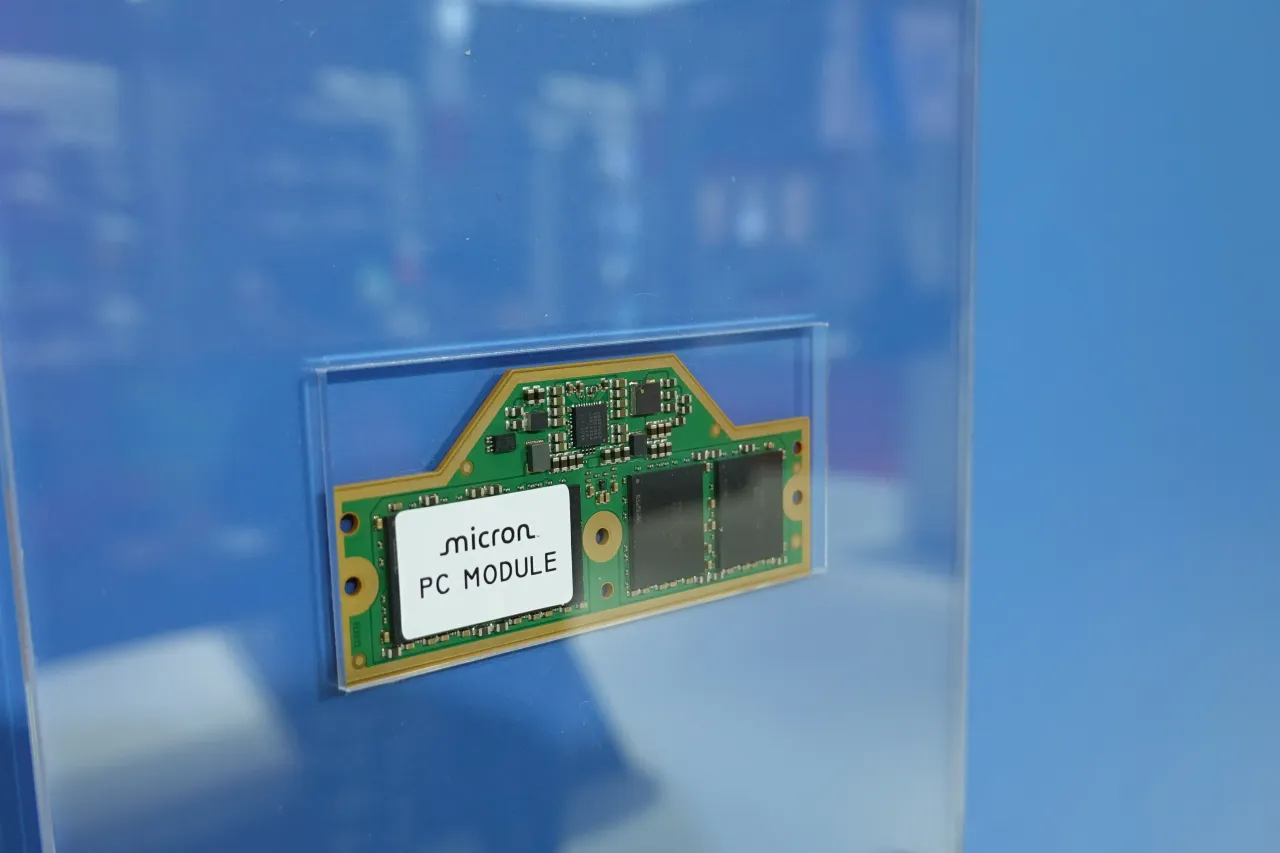
Samsung's Q2 Profit Soars 19-Fold Amid Market Volatility

- Samsung's Earnings Forecast: Samsung anticipates a staggering Q2 operating profit of 89.4 trillion won ($58.44 billion), marking a 19-fold year-over-year increase that surpasses market expectations, highlighting robust demand for semiconductors and AI servers, even as the company allocates funds for worker bonuses, indicating a commitment to employee welfare.
- U.S. Memory Stock Decline: Following Samsung's strong earnings outlook, Micron and SanDisk stocks fell approximately 4.5% each in the U.S. market, reflecting investor concerns about market prospects, particularly with SK Hynix's upcoming Nasdaq listing adding to the cautious sentiment.
- Retail Investor Sentiment: Despite the pullback in Micron and SanDisk shares, retail investors on social media expressed an 'extremely bullish' sentiment for SNDK, a 'bullish' outlook for MU and DRAM, and a 'bearish' view for WDC, indicating ongoing optimism about future memory chip demand.
- Market Reaction Analysis: Although Samsung's stock dropped over 6% in recent sessions, it has surged approximately 150% year-to-date, while SK Hynix has risen about 250%, suggesting significant divergence in market performance among companies, prompting investors to navigate potential upcoming volatility with caution.

US Stocks Close Higher, Led by Tech Gains


- Strong Market Performance: The S&P 500 rose by 0.72%, reaching a 2.5-week high, while the Dow Jones Industrial Average increased by 0.29%, setting a new all-time high, reflecting robust confidence in tech stocks and chipmakers.
- Supportive Economic Data: The US June ISM services index stood at 54.0, meeting expectations, with the employment sub-index rising to 51.2, surpassing the anticipated 48.2, indicating ongoing economic expansion that may alleviate Fed rate hike pressures.
- Optimistic Earnings Outlook: Bloomberg Intelligence forecasts a 23% increase in Q2 earnings, close to Q1's 30% surge, primarily driven by strong performance in AI infrastructure stocks, expected to contribute nearly 60% of earnings growth, further boosting market sentiment.
- International Market Fluctuations: While US stocks rose, European markets generally declined, with Eurozone May retail sales increasing by only 0.2%, below the expected 0.3%, highlighting uneven global economic recovery that could impact investor confidence.

U.S. Stocks Close Higher as Tech Shares Rebound


- Tech Stock Rebound: The Nasdaq 100 rose 1.3%, the Dow Jones Industrial Average increased by 0.3%, and the S&P 500 gained 0.8%, indicating a recovery in investor confidence towards tech stocks after significant declines last week.
- Strong Chip Performance: Shares of Nvidia (NVDA) and Broadcom (AVGO) surged, driving the Nasdaq's rebound, suggesting sustained demand in the semiconductor sector despite investor concerns over the longevity of AI demand.
- Optimistic Market Sentiment: Retail sentiment for SPY, QQQ, and DIA on Stocktwits was 'bullish' with message volumes categorized as 'normal' to 'high', reflecting a positive outlook among investors regarding market prospects.
- Major Transaction Dynamics: Lockheed Martin (LMT) entered a definitive agreement to acquire Ultra Maritime for $3.45 billion, aiming to enhance its capabilities in the rapidly evolving undersea defense market, highlighting a trend of consolidation in the defense industry.

Surge in Options Trading Volume for Oracle and Western Digital


- Oracle Options Volume: Oracle Corp saw options trading volume of 178,777 contracts, equivalent to approximately 17.9 million shares, representing about 55.4% of its average daily trading volume of 32.3 million shares over the past month, indicating strong market interest in its future performance.
- High Call Option Activity: Within Oracle, the $150 strike call option has traded 12,344 contracts today, representing around 1.2 million underlying shares, reflecting a strong bullish sentiment among investors regarding its stock price potential.
- Western Digital Options Activity: Western Digital Corp experienced options trading volume of 58,688 contracts, equivalent to approximately 5.9 million shares, which is about 54.9% of its average daily trading volume of 10.7 million shares over the past month, showcasing active trading in its stock.
- Increased Put Option Trading: For Western Digital, the $200 strike put option has seen a trading volume of 5,494 contracts today, involving approximately 549,400 shares, indicating investor concerns about potential downside risks in its stock price.
Sandisk Stock Plummets 14%, AI Boom Concerns Emerge
- Stock Drop Trigger: Sandisk (SNDK) experienced a 14% drop on July 2, closing at $1,745, primarily due to Meta's announcement of selling excess AI computing capacity, which raised concerns about diminishing demand for AI hardware, impacting the entire memory sector.
- Strong Financial Performance: Despite the stock decline, Sandisk's financials indicate robust growth, with Q3 revenue nearly doubling to $5.95 billion and non-GAAP gross margin soaring from 51.1% to 78.4%, reflecting strong demand in the AI data center storage market.
- Long-term Contracts Secured: Sandisk has signed multiyear supply agreements worth approximately $42 billion, with customers committing years in advance to secure supply, indicating confidence in future revenue stability and market demand.
- Market Cycle Risks: Although current demand is strong, Sandisk's P/E ratio stands at about 59 times, with management guiding for adjusted EPS of up to $33 for Q4, highlighting ongoing concerns about potential market volatility and the cyclical nature of the memory sector.
Sandisk Shares Drop 14% Amid Market Sell-Off
- Market Sell-Off Impact: On July 2, Sandisk's stock fell approximately 14% to $1,745 amid a global sell-off in memory chip stocks, reflecting concerns over a potential easing in AI hardware demand, despite the company's strong performance metrics.
- Strong Performance Metrics: In the fiscal third quarter of 2026, Sandisk nearly doubled its revenue to $5.95 billion, with non-GAAP gross margins soaring from 51.1% to 78.4%, indicating robust growth in the data center storage segment.
- Long-Term Contract Security: The company has secured multiyear supply agreements worth about $42 billion, with customers committing years in advance, underscoring sustained market demand and optimistic revenue forecasts for the future.
- Valuation Reset Risk: Despite a staggering 700% increase in stock price year-to-date, the recent drop raises questions about valuation, yet management's guidance for fourth-quarter revenue of $7.75 to $8.25 billion suggests continued confidence in future earnings potential.
Samsung's Q2 Profit Soars 19-Fold Amid Market Volatility
- Samsung's Earnings Forecast: Samsung anticipates a staggering Q2 operating profit of 89.4 trillion won ($58.44 billion), marking a 19-fold year-over-year increase that surpasses market expectations, highlighting robust demand for semiconductors and AI servers, even as the company allocates funds for worker bonuses, indicating a commitment to employee welfare.
- U.S. Memory Stock Decline: Following Samsung's strong earnings outlook, Micron and SanDisk stocks fell approximately 4.5% each in the U.S. market, reflecting investor concerns about market prospects, particularly with SK Hynix's upcoming Nasdaq listing adding to the cautious sentiment.
- Retail Investor Sentiment: Despite the pullback in Micron and SanDisk shares, retail investors on social media expressed an 'extremely bullish' sentiment for SNDK, a 'bullish' outlook for MU and DRAM, and a 'bearish' view for WDC, indicating ongoing optimism about future memory chip demand.
- Market Reaction Analysis: Although Samsung's stock dropped over 6% in recent sessions, it has surged approximately 150% year-to-date, while SK Hynix has risen about 250%, suggesting significant divergence in market performance among companies, prompting investors to navigate potential upcoming volatility with caution.
US Stocks Close Higher, Led by Tech Gains
- Strong Market Performance: The S&P 500 rose by 0.72%, reaching a 2.5-week high, while the Dow Jones Industrial Average increased by 0.29%, setting a new all-time high, reflecting robust confidence in tech stocks and chipmakers.
- Supportive Economic Data: The US June ISM services index stood at 54.0, meeting expectations, with the employment sub-index rising to 51.2, surpassing the anticipated 48.2, indicating ongoing economic expansion that may alleviate Fed rate hike pressures.
- Optimistic Earnings Outlook: Bloomberg Intelligence forecasts a 23% increase in Q2 earnings, close to Q1's 30% surge, primarily driven by strong performance in AI infrastructure stocks, expected to contribute nearly 60% of earnings growth, further boosting market sentiment.
- International Market Fluctuations: While US stocks rose, European markets generally declined, with Eurozone May retail sales increasing by only 0.2%, below the expected 0.3%, highlighting uneven global economic recovery that could impact investor confidence.
U.S. Stocks Close Higher as Tech Shares Rebound
- Tech Stock Rebound: The Nasdaq 100 rose 1.3%, the Dow Jones Industrial Average increased by 0.3%, and the S&P 500 gained 0.8%, indicating a recovery in investor confidence towards tech stocks after significant declines last week.
- Strong Chip Performance: Shares of Nvidia (NVDA) and Broadcom (AVGO) surged, driving the Nasdaq's rebound, suggesting sustained demand in the semiconductor sector despite investor concerns over the longevity of AI demand.
- Optimistic Market Sentiment: Retail sentiment for SPY, QQQ, and DIA on Stocktwits was 'bullish' with message volumes categorized as 'normal' to 'high', reflecting a positive outlook among investors regarding market prospects.
- Major Transaction Dynamics: Lockheed Martin (LMT) entered a definitive agreement to acquire Ultra Maritime for $3.45 billion, aiming to enhance its capabilities in the rapidly evolving undersea defense market, highlighting a trend of consolidation in the defense industry.
Surge in Options Trading Volume for Oracle and Western Digital
- Oracle Options Volume: Oracle Corp saw options trading volume of 178,777 contracts, equivalent to approximately 17.9 million shares, representing about 55.4% of its average daily trading volume of 32.3 million shares over the past month, indicating strong market interest in its future performance.
- High Call Option Activity: Within Oracle, the $150 strike call option has traded 12,344 contracts today, representing around 1.2 million underlying shares, reflecting a strong bullish sentiment among investors regarding its stock price potential.
- Western Digital Options Activity: Western Digital Corp experienced options trading volume of 58,688 contracts, equivalent to approximately 5.9 million shares, which is about 54.9% of its average daily trading volume of 10.7 million shares over the past month, showcasing active trading in its stock.
- Increased Put Option Trading: For Western Digital, the $200 strike put option has seen a trading volume of 5,494 contracts today, involving approximately 549,400 shares, indicating investor concerns about potential downside risks in its stock price.





