Altman-Backed Startup Teams Up with Amazon for Capital Lending Partnership, Supported by JPMorgan


Partnership Announcement: Slope, an AI-driven lending startup, is partnering with Amazon to offer a reusable line of credit to eligible U.S. sellers, backed by a JPMorgan Chase credit facility, allowing for real-time approvals directly through Amazon Seller accounts.
Target Audience and Benefits: The service is aimed at mature Amazon sellers with over $100,000 in annual revenue, providing them with easier access to capital compared to traditional bank loans, leveraging Amazon's performance data for informed decision-making.
Market Potential: Slope's partnership is expected to expand the total addressable market for Amazon lending from $1-2 billion, as it focuses on larger sellers who require more substantial financing options.
Growth and Demand: Since trialing the integration, Slope has seen a significant increase in demand, with applications growing 300% week over week, highlighting the need for accessible financing solutions for small businesses.
Trade with 70% Backtested Accuracy
Analyst Views on BABA

About BABA
About the author

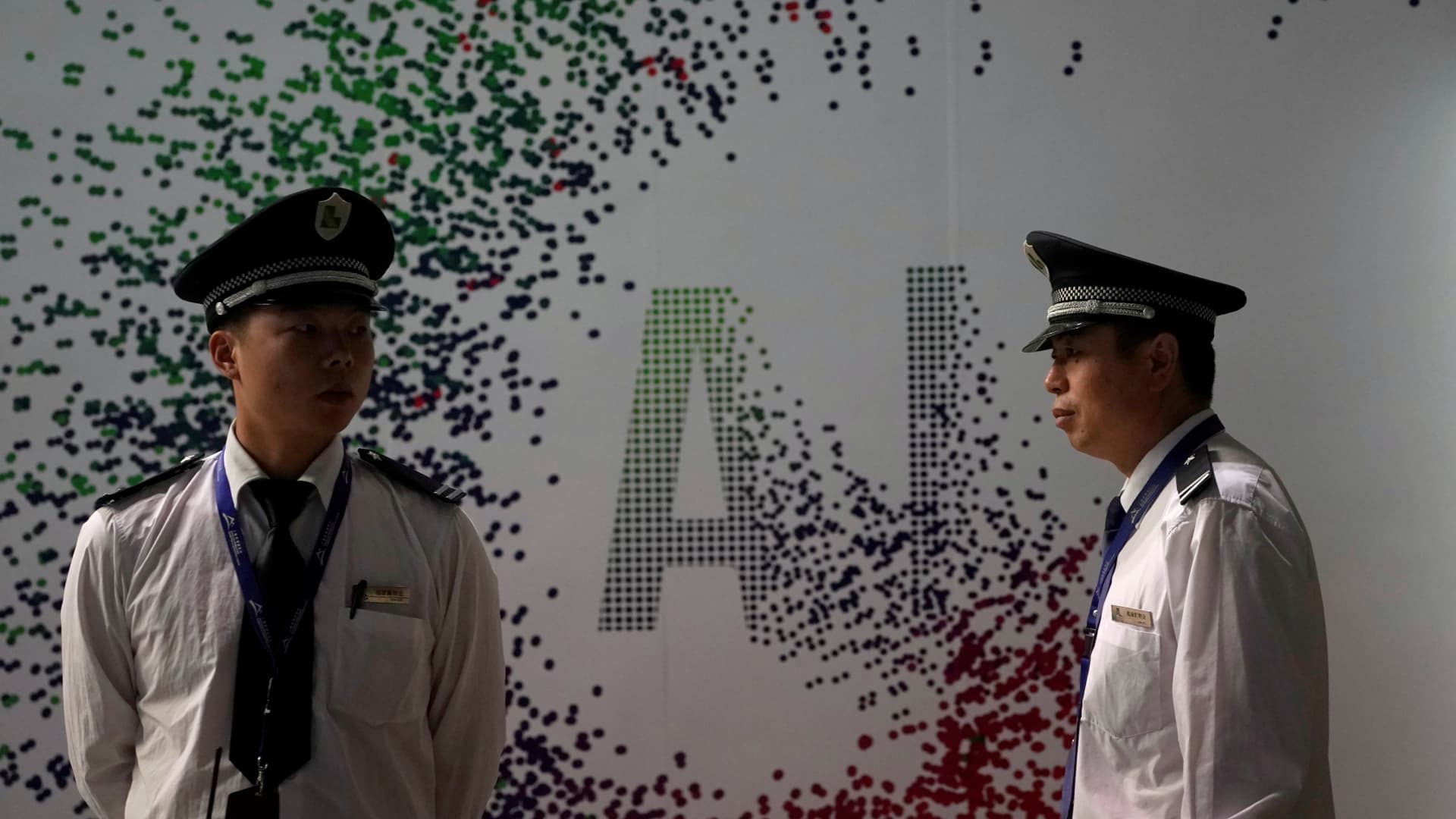
China Warns of Security Risks in AI Tool Claude Code

- Security Risk Warning: China's Ministry of Industry and Information Technology has identified a 'back-door' vulnerability in Anthropic's Claude Code AI tool, which could transmit sensitive user information to a remote server without consent, posing a serious threat to user privacy and data security.
- Usage Restrictions: Alibaba has mandated its employees to cease using Anthropic tools starting July 10, reflecting heightened corporate awareness of security risks amid escalating U.S.-China tech competition, which may impact its technological development and innovation capabilities.
- Affected Versions: The vulnerable Claude Code versions range from 2.1.91 to 2.1.196, covering releases from April 2 to June 29, with users advised to uninstall or upgrade to mitigate potential data leakage risks, highlighting urgent concerns for user safety.
- Market Response: Although Anthropic has not responded to the issue, the increasing use of U.S. AI tools in China indicates that companies are still seeking technological solutions to maintain competitiveness despite regulatory and security pressures.

Alibaba Under Investigation for Securities Fraud Claims
- Investigation Launched: Pomerantz LLP is investigating whether Alibaba Group and its executives have engaged in securities fraud or other unlawful business practices, highlighting investor concerns over corporate governance that could impact market trust.
- Allegation Details: According to the Financial Times, Anthropic has accused Alibaba of illicitly accessing its AI model Claude by creating fake accounts, which, if proven true, could severely damage Alibaba's reputation and lead to further legal actions.
- Stock Price Reaction: Following the allegations, Alibaba's American Depositary Receipt (ADR) fell by 7.34%, losing $7.53 per share over the next two trading sessions, reflecting market uncertainty about the company's future and a decline in investor confidence.
- Legal Consequences: Pomerantz LLP, a prominent securities class action law firm, indicates that if the investigation yields negative results, Alibaba may face substantial damages, further affecting its financial health and shareholder value.

Increasing Competition in China's AI Chip Market


- Market Share Shift: A survey indicates that businesses plan to allocate 46% of their AI chip budgets to Chinese suppliers over the next year, a significant increase from the current 30%, which may pressure Nvidia and AMD's market shares.
- Budget Overruns: Executives participating in the survey noted that AI infrastructure projects are exceeding planned budgets, reflecting strong demand for AI technologies and potentially intensifying overall market competition.
- Local Suppliers Benefit: Chinese chipmakers like Huawei, Hygon, and Cambricon are expected to benefit from this spending shift, further solidifying their positions in the domestic market and potentially impacting foreign brands' sales.
- Tech Giants Expansion: Major tech companies such as Tencent and Alibaba are continuing to expand their AI infrastructure, indicating a rising demand for AI processors, while the emerging company Z.ai is also evaluating the development of its own AI processors.

NASDAQ 100 Pre-Market Activity Overview

- Market Decline: The NASDAQ 100 Pre-Market Indicator fell by 262.43 points to 29,435.44, indicating a weak market sentiment that could impact investor confidence and short-term trading strategies.
- Crinetics Pharmaceuticals Surge: The stock of Crinetics Pharmaceuticals rose by 41.57 points to $83.60, with a trading volume of 18,383,832 shares, demonstrating strong market demand and investor interest, which may attract more capital inflow.
- NVIDIA Stock Recommendation: Despite NVIDIA's stock price dropping by 2.95 points to $192.60 with a volume of 3,773,031 shares, Zacks reports that its current mean recommendation is in the “buy range,” indicating analysts' optimism about its long-term prospects.
- Intel Under Pressure: Intel's stock fell by 4.04 points to $118.16, with a trading volume of 2,406,420 shares, and its current price exceeds the target price by 118.16%, reflecting market concerns about its future performance, which may affect investor confidence.

Chinese AI Models Gain Traction Among U.S. Companies

- Significant Cost Efficiency: The introduction of Chinese AI models like DeepSeek and Z.ai allows U.S. companies to save between 60% to 90% on usage costs, significantly enhancing their market appeal amid skyrocketing AI expenses.
- Growing Market Share: Since February 8, the share of tokens used by U.S. companies on Chinese AI models via OpenRouter has consistently exceeded 30% weekly, peaking at 46%, indicating a surge in demand for these models.
- Improved Technical Performance: The GLM 5.2 model has been shown to perform within a percentage point of Anthropic's Opus 4.8 on certain benchmarks, at roughly one-fifth the cost, demonstrating that Chinese models are increasingly competitive with top U.S. systems.
- Accelerated Corporate Transition: Lindy has shifted 100% of its traffic from Anthropic's Claude models to DeepSeek, anticipating savings of millions of dollars within months, reflecting a growing emphasis on cost control and efficiency in AI applications.

U.S. Companies Favor Chinese AI Models Amid Rising Costs
- Cost Efficiency: U.S. companies are increasingly turning to Chinese-built AI models as they are 60% to 90% cheaper than leading U.S. models, enabling firms to effectively manage budgets and enhance profitability amid soaring AI-related costs.
- Market Share Growth: Since February 8, the share of tokens used by U.S. companies on Chinese AI models via OpenRouter has exceeded 30% weekly, peaking at 46%, indicating a significant increase in acceptance of Chinese models in the U.S. market.
- Intensifying Competition: New models from Chinese firms like DeepSeek and Z.ai are seen as highly competitive, performing close to U.S. counterparts like Anthropic and OpenAI in certain benchmarks, showcasing rapid advancements in Chinese AI technology and market competitiveness.
- Accelerated Corporate Transition: As companies seek to enhance internal efficiencies through AI models, Lindy has shifted 100% of its traffic from Anthropic's Claude models to DeepSeek, expecting to save millions within months, reflecting a strong focus on cost control among businesses.
China Warns of Security Risks in AI Tool Claude Code
- Security Risk Warning: China's Ministry of Industry and Information Technology has identified a 'back-door' vulnerability in Anthropic's Claude Code AI tool, which could transmit sensitive user information to a remote server without consent, posing a serious threat to user privacy and data security.
- Usage Restrictions: Alibaba has mandated its employees to cease using Anthropic tools starting July 10, reflecting heightened corporate awareness of security risks amid escalating U.S.-China tech competition, which may impact its technological development and innovation capabilities.
- Affected Versions: The vulnerable Claude Code versions range from 2.1.91 to 2.1.196, covering releases from April 2 to June 29, with users advised to uninstall or upgrade to mitigate potential data leakage risks, highlighting urgent concerns for user safety.
- Market Response: Although Anthropic has not responded to the issue, the increasing use of U.S. AI tools in China indicates that companies are still seeking technological solutions to maintain competitiveness despite regulatory and security pressures.
Alibaba Under Investigation for Securities Fraud Claims
- Investigation Launched: Pomerantz LLP is investigating whether Alibaba Group and its executives have engaged in securities fraud or other unlawful business practices, highlighting investor concerns over corporate governance that could impact market trust.
- Allegation Details: According to the Financial Times, Anthropic has accused Alibaba of illicitly accessing its AI model Claude by creating fake accounts, which, if proven true, could severely damage Alibaba's reputation and lead to further legal actions.
- Stock Price Reaction: Following the allegations, Alibaba's American Depositary Receipt (ADR) fell by 7.34%, losing $7.53 per share over the next two trading sessions, reflecting market uncertainty about the company's future and a decline in investor confidence.
- Legal Consequences: Pomerantz LLP, a prominent securities class action law firm, indicates that if the investigation yields negative results, Alibaba may face substantial damages, further affecting its financial health and shareholder value.
Increasing Competition in China's AI Chip Market
- Market Share Shift: A survey indicates that businesses plan to allocate 46% of their AI chip budgets to Chinese suppliers over the next year, a significant increase from the current 30%, which may pressure Nvidia and AMD's market shares.
- Budget Overruns: Executives participating in the survey noted that AI infrastructure projects are exceeding planned budgets, reflecting strong demand for AI technologies and potentially intensifying overall market competition.
- Local Suppliers Benefit: Chinese chipmakers like Huawei, Hygon, and Cambricon are expected to benefit from this spending shift, further solidifying their positions in the domestic market and potentially impacting foreign brands' sales.
- Tech Giants Expansion: Major tech companies such as Tencent and Alibaba are continuing to expand their AI infrastructure, indicating a rising demand for AI processors, while the emerging company Z.ai is also evaluating the development of its own AI processors.
NASDAQ 100 Pre-Market Activity Overview
- Market Decline: The NASDAQ 100 Pre-Market Indicator fell by 262.43 points to 29,435.44, indicating a weak market sentiment that could impact investor confidence and short-term trading strategies.
- Crinetics Pharmaceuticals Surge: The stock of Crinetics Pharmaceuticals rose by 41.57 points to $83.60, with a trading volume of 18,383,832 shares, demonstrating strong market demand and investor interest, which may attract more capital inflow.
- NVIDIA Stock Recommendation: Despite NVIDIA's stock price dropping by 2.95 points to $192.60 with a volume of 3,773,031 shares, Zacks reports that its current mean recommendation is in the “buy range,” indicating analysts' optimism about its long-term prospects.
- Intel Under Pressure: Intel's stock fell by 4.04 points to $118.16, with a trading volume of 2,406,420 shares, and its current price exceeds the target price by 118.16%, reflecting market concerns about its future performance, which may affect investor confidence.
Chinese AI Models Gain Traction Among U.S. Companies
- Significant Cost Efficiency: The introduction of Chinese AI models like DeepSeek and Z.ai allows U.S. companies to save between 60% to 90% on usage costs, significantly enhancing their market appeal amid skyrocketing AI expenses.
- Growing Market Share: Since February 8, the share of tokens used by U.S. companies on Chinese AI models via OpenRouter has consistently exceeded 30% weekly, peaking at 46%, indicating a surge in demand for these models.
- Improved Technical Performance: The GLM 5.2 model has been shown to perform within a percentage point of Anthropic's Opus 4.8 on certain benchmarks, at roughly one-fifth the cost, demonstrating that Chinese models are increasingly competitive with top U.S. systems.
- Accelerated Corporate Transition: Lindy has shifted 100% of its traffic from Anthropic's Claude models to DeepSeek, anticipating savings of millions of dollars within months, reflecting a growing emphasis on cost control and efficiency in AI applications.
U.S. Companies Favor Chinese AI Models Amid Rising Costs
- Cost Efficiency: U.S. companies are increasingly turning to Chinese-built AI models as they are 60% to 90% cheaper than leading U.S. models, enabling firms to effectively manage budgets and enhance profitability amid soaring AI-related costs.
- Market Share Growth: Since February 8, the share of tokens used by U.S. companies on Chinese AI models via OpenRouter has exceeded 30% weekly, peaking at 46%, indicating a significant increase in acceptance of Chinese models in the U.S. market.
- Intensifying Competition: New models from Chinese firms like DeepSeek and Z.ai are seen as highly competitive, performing close to U.S. counterparts like Anthropic and OpenAI in certain benchmarks, showcasing rapid advancements in Chinese AI technology and market competitiveness.
- Accelerated Corporate Transition: As companies seek to enhance internal efficiencies through AI models, Lindy has shifted 100% of its traffic from Anthropic's Claude models to DeepSeek, expecting to save millions within months, reflecting a strong focus on cost control among businesses.