Monopar Therapeutics to Present ALXN1840 Study Analysis at EAN 2026
Monopar Therapeutics announced that new analyses from the Phase 3 FoCus randomized controlled clinical trial of ALXN1840 will be presented at the 12th Congress of the European Academy of Neurology, or EAN 2026, June 27-30, in Geneva, Switzerland. These analyses build upon the previously reported Phase 3 FoCus results demonstrating ALXN1840 met its primary endpoint of superior copper mobilization versus standard of care. In the subset of patients with neurologic symptoms at baseline from the 2:1 randomized Phase 3 FoCus clinical trial, ALXN1840 demonstrated improved outcomes compared to SoC across multiple clinical measures: Neurologic improvement on the rater-blinded, physician-assessed Unified Wilson Disease Rating Scale Part III was significant and continued over time with ALXN1840 but not with SoC. Global clinical improvement as assessed by the Clinical Global Impressions - Improvement scale at Week 48 was significantly greater with ALXN1840 than with SoC. A greater proportion of patients treated with ALXN1840 achieved improvement on the rater-blinded UWDRS Part III at Week 48 compared with SoC, with consistent results observed across multiple improvement thresholds. ALXN1840 also produced similar or greater improvement than SoC at Week 48 across psychiatric and hepatic measures. Across Phase 2 and Phase 3 studies, ALXN1840 has demonstrated a well-characterized and favorable safety profile in 266 patients, with a median treatment duration of 2.58 years and maximum exposure of more than 8 years. Drug-related serious adverse events occurred in 4.9% of patients, including neurologic SAEs in less than 1% and no treatment-related deaths.
Trade with 70% Backtested Accuracy
Analyst Views on MNPR

About MNPR
About the author


Monopar Therapeutics Receives FDA Rare Pediatric Disease Designation

- FDA Designation Progress: Monopar Therapeutics announced that its late-stage candidate ALXN1840 has received Rare Pediatric Disease (RPD) designation from the FDA, marking a significant milestone in the treatment of Wilson disease.
- Focus on Pediatric Diseases: The RPD designation specifically targets serious or life-threatening diseases affecting children from birth to 18 years, highlighting the company's commitment to addressing children's health issues and its social responsibility in the biopharmaceutical sector.
- Priority Review Potential: With the RPD designation, Monopar has the opportunity to receive a pediatric Priority Review Voucher (PRV) at the time of New Drug Application (NDA) approval, which can expedite the review process for subsequent marketing applications, potentially shortening the FDA's review timeline.
- Market Opportunity Expansion: The RPD designation not only enhances Monopar's product competitiveness but also opens avenues for additional financial benefits through the transfer or sale of the PRV, further supporting its research and development and market expansion strategies.

Monopar Receives Rare Pediatric Disease Designation
- FDA Designation Progress: Monopar Therapeutics announced that its candidate ALXN1840 for Wilson disease has received Rare Pediatric Disease (RPD) designation from the FDA, aimed at accelerating the development of treatments for serious diseases affecting children, which is expected to provide the company with a Priority Review Voucher for expedited drug application approval, significantly reducing review timelines.
- Wilson Disease Background: Wilson disease is a rare genetic disorder affecting approximately 1 in 30,000 people globally, leading to toxic copper accumulation in the body, which can be fatal if untreated, underscoring the urgent need for new treatment options and further driving the development of ALXN1840.
- Clinical Trial Results: In the Phase 3 pivotal trial, ALXN1840 demonstrated rapid and sustained copper mobilization significantly superior to standard care, with durable clinical improvement and a favorable safety profile observed across 645 patient-years in 266 patients, indicating its potential in treating Wilson disease.
- Strategic Implications: This FDA designation not only enhances Monopar's reputation in the biopharmaceutical sector but may also create favorable conditions for future financing and market acceptance, strengthening its position in the competitive pharmaceutical landscape.
Monopar Announces New Analyses of ALXN1840 Clinical Trial Results
- Clinical Trial Results: Monopar presented new analyses from the Phase 3 FoCus trial of ALXN1840 at the 2026 European Academy of Neurology Congress, demonstrating that the drug significantly outperformed standard care in copper mobilization, indicating its potential clinical benefits for Wilson disease patients.
- Significant Neurologic Improvement: Among 207 patients with baseline neurologic symptoms, ALXN1840 showed significant improvement on the Unified Wilson Disease Rating Scale (UWDRS) Part III (p=0.006), while standard care did not demonstrate similar improvements, highlighting the drug's efficacy.
- Global Clinical Improvement: At Week 48, ALXN1840 achieved significantly greater improvement on the Clinical Global Impressions – Improvement (CGI-I) scale compared to standard care (p<0.001), suggesting its advantages in clinical application and potential for increased market acceptance.
- Favorable Safety Profile: Across 266 patients in Phase 2 and Phase 3 studies, ALXN1840 exhibited a favorable safety profile with drug-related serious adverse events occurring in only 4.9%, providing strong support for its upcoming NDA submission to the FDA.
Boundless Bio Merges with Serapha in All-Stock Deal

- Merger Overview: Boundless Bio has agreed to merge with privately held Serapha Bio in an all-stock transaction expected to close in Q4 2026, with the combined entity to operate under the name Serapha Bio, Inc. and trade on Nasdaq as "AATD", enhancing its competitive position in the biopharmaceutical market.
- Cash Dividend Plan: Prior to the merger's completion, Boundless Bio plans to declare a cash dividend to existing shareholders, aimed at boosting shareholder confidence and laying a solid foundation for the upcoming merger, which is expected to attract more investor interest.
- Clinical Candidate Development: Serapha's lead clinical candidate, SERP-01, is being developed for severe Alpha-1 Antitrypsin Deficiency, which is anticipated to provide new revenue streams for the company and strengthen its market position in the therapeutic area.
- Stock Performance: Boundless Bio's stock surged 85.71% to close at $2.60, reflecting a positive market reaction to the merger news and indicating investor optimism regarding future growth potential.
Biotech Sector Regulatory Approvals and Collaborations

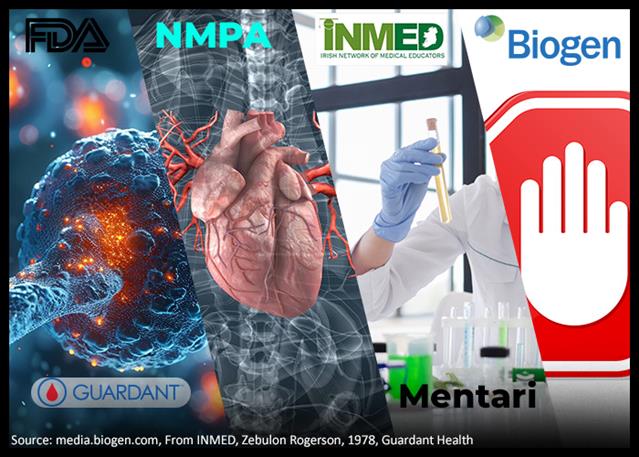
- Kidney Cancer Treatment Breakthrough: HUTCHMED and Innovent received NMPA approval in China for the ELUNATE-TYVYT combination therapy, supported by the FRUSICA-2 study showing a 63% reduction in disease progression or death risk, with a median progression-free survival of 22.2 months, significantly improving patient outcomes and enhancing market competitiveness.
- Antibiotic Market Expansion: Sunshine Biopharma received Canadian approval for its generic Amoxicillin, with shipments expected to begin in August 2026, aiming to increase access to high-quality antibiotics for treating common infections, which is anticipated to drive revenue growth for the company.
- Liquid Biopsy Technology Innovation: Guardant Health gained FDA approval for Guardant360 Liquid CDx, now the largest liquid biopsy panel with a genomic footprint 100 times broader than its predecessor, enhancing tumor profiling capabilities and expected to boost the company's market share in precision medicine.
- New Hypertension Drug Launch: AstraZeneca received FDA approval for BAXFENDY for hypertension patients, based on positive results from the BaxHTN Phase III trial, which is expected to strengthen the company's competitive position in the cardiovascular drug market and further expand its product line.

Monopar Therapeutics Publishes Phase 2 Results for ALXN1840 in Wilson Disease
- Clinical Trial Results: Monopar Therapeutics announced that the Phase 2 open-label trial of ALXN1840 in patients with Wilson disease demonstrated a significant average reduction of 6.08 mg in copper balance after 21 days of daily dosing, indicating the drug's efficacy in copper metabolism regulation.
- Innovative Drug Mechanism: ALXN1840, as the first Albumin Tripartite Complex (ATC) activator, mobilizes and sequesters copper, suppressing its redox reactivity and limiting its transport across the blood-brain barrier, showcasing a unique therapeutic mechanism.
- Good Tolerability: The trial indicated that ALXN1840 was generally well-tolerated with no serious adverse events reported, highlighting its safety in clinical applications and laying a foundation for future market promotion.
- Optimistic Market Outlook: With ALXN1840 showing significant copper mobilization effects in a completed 48-week Phase 3 trial involving 266 patients, the drug is poised to become a new standard in Wilson disease treatment, further enhancing Monopar's competitive position in the market.
Monopar Therapeutics Receives FDA Rare Pediatric Disease Designation
- FDA Designation Progress: Monopar Therapeutics announced that its late-stage candidate ALXN1840 has received Rare Pediatric Disease (RPD) designation from the FDA, marking a significant milestone in the treatment of Wilson disease.
- Focus on Pediatric Diseases: The RPD designation specifically targets serious or life-threatening diseases affecting children from birth to 18 years, highlighting the company's commitment to addressing children's health issues and its social responsibility in the biopharmaceutical sector.
- Priority Review Potential: With the RPD designation, Monopar has the opportunity to receive a pediatric Priority Review Voucher (PRV) at the time of New Drug Application (NDA) approval, which can expedite the review process for subsequent marketing applications, potentially shortening the FDA's review timeline.
- Market Opportunity Expansion: The RPD designation not only enhances Monopar's product competitiveness but also opens avenues for additional financial benefits through the transfer or sale of the PRV, further supporting its research and development and market expansion strategies.
Monopar Receives Rare Pediatric Disease Designation
- FDA Designation Progress: Monopar Therapeutics announced that its candidate ALXN1840 for Wilson disease has received Rare Pediatric Disease (RPD) designation from the FDA, aimed at accelerating the development of treatments for serious diseases affecting children, which is expected to provide the company with a Priority Review Voucher for expedited drug application approval, significantly reducing review timelines.
- Wilson Disease Background: Wilson disease is a rare genetic disorder affecting approximately 1 in 30,000 people globally, leading to toxic copper accumulation in the body, which can be fatal if untreated, underscoring the urgent need for new treatment options and further driving the development of ALXN1840.
- Clinical Trial Results: In the Phase 3 pivotal trial, ALXN1840 demonstrated rapid and sustained copper mobilization significantly superior to standard care, with durable clinical improvement and a favorable safety profile observed across 645 patient-years in 266 patients, indicating its potential in treating Wilson disease.
- Strategic Implications: This FDA designation not only enhances Monopar's reputation in the biopharmaceutical sector but may also create favorable conditions for future financing and market acceptance, strengthening its position in the competitive pharmaceutical landscape.
Monopar Announces New Analyses of ALXN1840 Clinical Trial Results
- Clinical Trial Results: Monopar presented new analyses from the Phase 3 FoCus trial of ALXN1840 at the 2026 European Academy of Neurology Congress, demonstrating that the drug significantly outperformed standard care in copper mobilization, indicating its potential clinical benefits for Wilson disease patients.
- Significant Neurologic Improvement: Among 207 patients with baseline neurologic symptoms, ALXN1840 showed significant improvement on the Unified Wilson Disease Rating Scale (UWDRS) Part III (p=0.006), while standard care did not demonstrate similar improvements, highlighting the drug's efficacy.
- Global Clinical Improvement: At Week 48, ALXN1840 achieved significantly greater improvement on the Clinical Global Impressions – Improvement (CGI-I) scale compared to standard care (p<0.001), suggesting its advantages in clinical application and potential for increased market acceptance.
- Favorable Safety Profile: Across 266 patients in Phase 2 and Phase 3 studies, ALXN1840 exhibited a favorable safety profile with drug-related serious adverse events occurring in only 4.9%, providing strong support for its upcoming NDA submission to the FDA.
Boundless Bio Merges with Serapha in All-Stock Deal
- Merger Overview: Boundless Bio has agreed to merge with privately held Serapha Bio in an all-stock transaction expected to close in Q4 2026, with the combined entity to operate under the name Serapha Bio, Inc. and trade on Nasdaq as "AATD", enhancing its competitive position in the biopharmaceutical market.
- Cash Dividend Plan: Prior to the merger's completion, Boundless Bio plans to declare a cash dividend to existing shareholders, aimed at boosting shareholder confidence and laying a solid foundation for the upcoming merger, which is expected to attract more investor interest.
- Clinical Candidate Development: Serapha's lead clinical candidate, SERP-01, is being developed for severe Alpha-1 Antitrypsin Deficiency, which is anticipated to provide new revenue streams for the company and strengthen its market position in the therapeutic area.
- Stock Performance: Boundless Bio's stock surged 85.71% to close at $2.60, reflecting a positive market reaction to the merger news and indicating investor optimism regarding future growth potential.
Biotech Sector Regulatory Approvals and Collaborations
- Kidney Cancer Treatment Breakthrough: HUTCHMED and Innovent received NMPA approval in China for the ELUNATE-TYVYT combination therapy, supported by the FRUSICA-2 study showing a 63% reduction in disease progression or death risk, with a median progression-free survival of 22.2 months, significantly improving patient outcomes and enhancing market competitiveness.
- Antibiotic Market Expansion: Sunshine Biopharma received Canadian approval for its generic Amoxicillin, with shipments expected to begin in August 2026, aiming to increase access to high-quality antibiotics for treating common infections, which is anticipated to drive revenue growth for the company.
- Liquid Biopsy Technology Innovation: Guardant Health gained FDA approval for Guardant360 Liquid CDx, now the largest liquid biopsy panel with a genomic footprint 100 times broader than its predecessor, enhancing tumor profiling capabilities and expected to boost the company's market share in precision medicine.
- New Hypertension Drug Launch: AstraZeneca received FDA approval for BAXFENDY for hypertension patients, based on positive results from the BaxHTN Phase III trial, which is expected to strengthen the company's competitive position in the cardiovascular drug market and further expand its product line.
Monopar Therapeutics Publishes Phase 2 Results for ALXN1840 in Wilson Disease
- Clinical Trial Results: Monopar Therapeutics announced that the Phase 2 open-label trial of ALXN1840 in patients with Wilson disease demonstrated a significant average reduction of 6.08 mg in copper balance after 21 days of daily dosing, indicating the drug's efficacy in copper metabolism regulation.
- Innovative Drug Mechanism: ALXN1840, as the first Albumin Tripartite Complex (ATC) activator, mobilizes and sequesters copper, suppressing its redox reactivity and limiting its transport across the blood-brain barrier, showcasing a unique therapeutic mechanism.
- Good Tolerability: The trial indicated that ALXN1840 was generally well-tolerated with no serious adverse events reported, highlighting its safety in clinical applications and laying a foundation for future market promotion.
- Optimistic Market Outlook: With ALXN1840 showing significant copper mobilization effects in a completed 48-week Phase 3 trial involving 266 patients, the drug is poised to become a new standard in Wilson disease treatment, further enhancing Monopar's competitive position in the market.