

Stock Futures Modestly Higher as Market Sentiment Remains Fragile


Stock futures are modestly higher ahead of the open as investors continue to navigate the fallout from the energy shock tied to the conflict involving Iran and the ongoing disruption to oil flows through the Strait of Hormuz. Sentiment remains fragile after a volatile week in which markets repeatedly swung in response to headlines from the Middle East and sharp moves in crude oil.Oil remains the central macro driver and analysts have revised their price expectations higher as disruptions to tanker traffic and energy infrastructure continue to threaten global supply. The International Energy Agency has already announced plans for a large coordinated release of emergency reserves in an attempt to stabilize markets, but traders remain focused on whether supply disruptions will persist. At the same time, the U.S. government has temporarily allowed the sale of previously restricted Russian oil shipments to increase supply and relieve pressure on global markets, highlighting the degree to which energy policy has become intertwined with geopolitical developments.Fund flows this week show investors pulling billions of dollars out of global equity funds while moving capital into cash and short-term bond funds, signaling a shift toward defensive positioning as the geopolitical situation evolves. Volatility has also risen, with the CBOE Volatility Index climbing into the high-20s, underscoring the nervous tone across financial markets.In pre-market trading, S&P 500 futures rose 0.54%, Nasdaq futures rose 0.52% and Dow futures rose 0.55%.Check out this morning's top movers from around Wall Street, compiled by The Fly.HIGHER -Klarnaup 7% after disclosing Michael Moritz, chairman, purchased 3,472,845 ordinary shares between March 3 and March 11 and David Fock, chief product and design officer, purchased 27,000 ordinary shares on March 9ImmunityBioup 4% after completing manufacturing engineering programs, NK2022 and NK2023, establishing a leukapheresis-to-manufacturing pathway for its autologous memory cytokine-enhanced natural killer cell therapy platformNioup 3% after HSBC upgraded the stock to Buy with a price target of $6.80UP AFTER EARNINGS -Kodakup 8%Nektarup 2%Rubrikup 2%DOWN AFTER EARNINGS -KinderCare Learningdown 33%EverCommercedown 23%Once Upon a Farmdown 15%Ulta Beautydown 8%ServiceTitandown 6%LOWER -Adobedown 8% after announcing that Shantanu Narayen, who has served as CEO of Adobe for eighteen years, has decided to transition from his position as CEO but will remain as Chair of the Board
Trade with 70% Backtested Accuracy
Analyst Views on KLAR

About KLAR
About the author


Klarna Applies to Establish Klarna Bank USA

- Bank License Application: Klarna has submitted applications to the Utah Department of Financial Institutions and the FDIC to establish Klarna Bank USA, which, if approved, will be a wholly owned subsidiary, marking a significant expansion in the U.S. market.
- Credit Service Achievements: Since 2019, Klarna has provided over $91.3 billion in responsible credit to U.S. customers, saving them more than $5.1 billion in interest compared to traditional credit card debt, significantly enhancing consumer financial health.
- Leadership Appointment: Gary Harding has been appointed as President and CEO of Klarna Bank USA, bringing over a decade of C-suite leadership experience in the U.S. financial sector, which is expected to drive the strategic development and market competitiveness of the new bank.
- Transparent Banking Philosophy: Klarna's bank will offer transparent, safe services free of hidden fees, integrating digital tools with traditional banking products, aiming to enhance consumer financial confidence and promote market competition for sustainable growth.
Klarna Applies to Establish U.S. Bank in Utah
- Bank Charter Application: Klarna has applied to establish an FDIC-insured bank in Utah, which, if approved, will enable it to operate its own U.S. banking subsidiary, thereby enhancing its competitive edge in the American market.
- Fintech Transformation: This move signifies a shift among fintech firms toward owning bank charters, allowing Klarna to fund loans with customer deposits, reduce reliance on third-party banks, and improve operational flexibility.
- Enhanced Market Competitiveness: The bank charter will enable Klarna to directly offer checking accounts and credit cards, empowering customers to borrow responsibly while increasing financial transparency, thus driving market innovation and choice.
- Strategic Development Direction: Klarna's application represents a significant step toward becoming a broader consumer bank, following its introduction of high-yield savings accounts, further solidifying its position in the financial services sector.

Klarna Applies to Establish U.S. Bank Subsidiary
- Bank Subsidiary Application: Klarna has applied to establish a U.S. bank subsidiary in Utah, which, if approved, would be a Federal Deposit Insurance Corporation-backed institution, marking a significant step towards its transformation into a full-fledged consumer bank.
- Market Competition and Innovation: CEO Sebastian Siemiatkowski stated that this move will provide customers with responsible borrowing tools, enhancing market competitiveness and innovation to meet U.S. consumers' demand for transparent financial services.
- Increased Financial Independence: By obtaining a banking charter, Klarna can internalize its banking operations, reducing reliance on third-party banking partners, thereby enhancing reliability across payments, credit, and merchant services.
- High-Yield Savings Account Launch: Last month, Klarna introduced high-yield savings accounts to U.S. customers, although these accounts are held by partner WebBank, indicating its intent to further integrate into the traditional banking system.
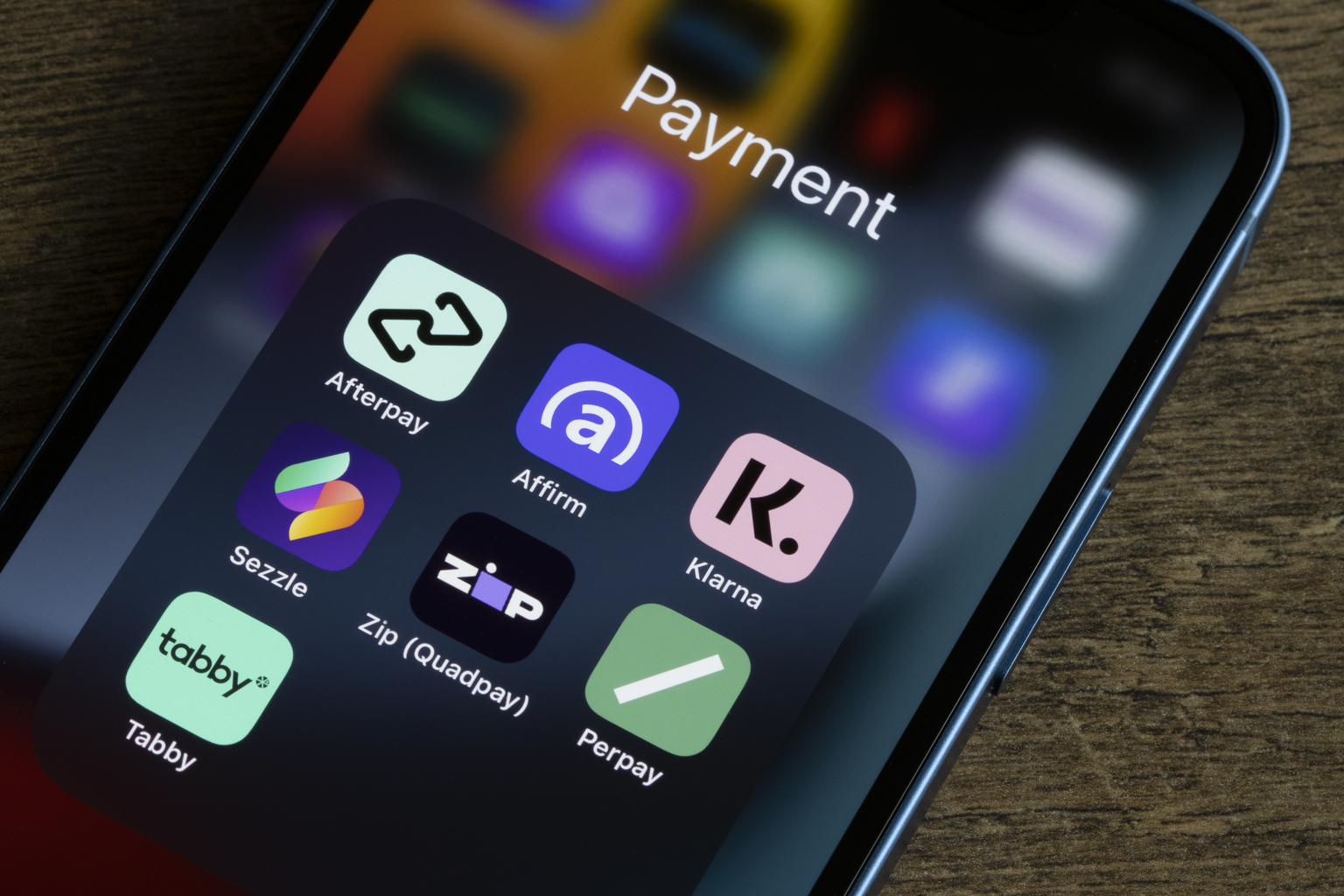
Klarna Applies to Establish Klarna Bank USA
- Banking Expansion: Klarna has submitted an application to establish Klarna Bank USA in Utah, which, if approved, will be a wholly owned subsidiary, marking a strategic shift towards in-house banking operations covering payments, savings, credit, and merchant services.
- Enhanced Transparency: The establishment of the new bank aims to provide U.S. customers with a more transparent banking experience by integrating digital tools with traditional banking products and eliminating hidden fees, thereby enhancing customer trust and satisfaction.
- Executive Appointment: Gary Harding has been appointed as President and CEO of Klarna Bank USA, and his extensive industry experience is expected to drive the rapid development and compliance of the new bank.
- Regulatory Collaboration: Klarna will work closely with regulators throughout the approval process to ensure compliance with all regulatory requirements, a move that not only facilitates the smooth establishment of the bank but also enhances the company's credibility in the financial services sector.

Swedish Court Orders Google to Pay 14.3 Billion Kronor in Damages
- Record Damages Award: A Swedish court has ordered Google to pay approximately 14.3 billion Swedish kronor (around $1.5 billion) to PriceRunner, with total damages including interest reaching about $1.97 billion, marking the largest damages award in a Swedish competition case, highlighting the importance of market fairness.
- Unfair Competition Findings: The court found that Google unfairly favored its own shopping comparison service in search results, and while it did not grant the full 78 billion kronor sought by PriceRunner, it acknowledged that Google's actions harmed competition, potentially influencing future business strategies.
- Historical Context: PriceRunner initiated the lawsuit in 2022, claiming losses dating back to 2008 in the UK and 2013 in Sweden and Denmark, indicating that Google's market practices have had a long-term detrimental impact on competitors, which may lead to more similar claims from other companies.
- Uncertain Legal Outcomes: Google has stated it disagrees with the ruling and is considering an appeal, while Klarna welcomed the verdict but noted that any payments could take years due to a lengthy appeals process, illustrating the potential financial implications of prolonged legal battles.

Launch of Open USD Stablecoin Disrupts Market Dynamics

- Market Reaction: The debut of Open USD led to a nearly 20% drop in Circle's stock, as the market quickly concluded that this new stablecoin poses a significant threat to USDC's dominance, even though USDC remains a key player in the on-chain economy.
- Cost Structure Challenge: Open USD's promise of free minting and redemptions, along with shared reserve earnings, forces Circle to reassess its USDC economic model, potentially compressing its profit margins further.
- Partnership Tensions: Coinbase, Circle's primary partner, faces pressure from Open USD, which may push for a larger share in the upcoming renegotiation of their agreement, exacerbating Circle's financial strain.
- Intensified Stablecoin Competition: The launch of Open USD indicates that stablecoin issuance has become commoditized, with issuers competing by sharing earnings, compelling Circle to consider how to maintain profitability while preserving its distribution network.
Klarna Applies to Establish Klarna Bank USA
- Bank License Application: Klarna has submitted applications to the Utah Department of Financial Institutions and the FDIC to establish Klarna Bank USA, which, if approved, will be a wholly owned subsidiary, marking a significant expansion in the U.S. market.
- Credit Service Achievements: Since 2019, Klarna has provided over $91.3 billion in responsible credit to U.S. customers, saving them more than $5.1 billion in interest compared to traditional credit card debt, significantly enhancing consumer financial health.
- Leadership Appointment: Gary Harding has been appointed as President and CEO of Klarna Bank USA, bringing over a decade of C-suite leadership experience in the U.S. financial sector, which is expected to drive the strategic development and market competitiveness of the new bank.
- Transparent Banking Philosophy: Klarna's bank will offer transparent, safe services free of hidden fees, integrating digital tools with traditional banking products, aiming to enhance consumer financial confidence and promote market competition for sustainable growth.
Klarna Applies to Establish U.S. Bank in Utah
- Bank Charter Application: Klarna has applied to establish an FDIC-insured bank in Utah, which, if approved, will enable it to operate its own U.S. banking subsidiary, thereby enhancing its competitive edge in the American market.
- Fintech Transformation: This move signifies a shift among fintech firms toward owning bank charters, allowing Klarna to fund loans with customer deposits, reduce reliance on third-party banks, and improve operational flexibility.
- Enhanced Market Competitiveness: The bank charter will enable Klarna to directly offer checking accounts and credit cards, empowering customers to borrow responsibly while increasing financial transparency, thus driving market innovation and choice.
- Strategic Development Direction: Klarna's application represents a significant step toward becoming a broader consumer bank, following its introduction of high-yield savings accounts, further solidifying its position in the financial services sector.
Klarna Applies to Establish U.S. Bank Subsidiary
- Bank Subsidiary Application: Klarna has applied to establish a U.S. bank subsidiary in Utah, which, if approved, would be a Federal Deposit Insurance Corporation-backed institution, marking a significant step towards its transformation into a full-fledged consumer bank.
- Market Competition and Innovation: CEO Sebastian Siemiatkowski stated that this move will provide customers with responsible borrowing tools, enhancing market competitiveness and innovation to meet U.S. consumers' demand for transparent financial services.
- Increased Financial Independence: By obtaining a banking charter, Klarna can internalize its banking operations, reducing reliance on third-party banking partners, thereby enhancing reliability across payments, credit, and merchant services.
- High-Yield Savings Account Launch: Last month, Klarna introduced high-yield savings accounts to U.S. customers, although these accounts are held by partner WebBank, indicating its intent to further integrate into the traditional banking system.
Klarna Applies to Establish Klarna Bank USA
- Banking Expansion: Klarna has submitted an application to establish Klarna Bank USA in Utah, which, if approved, will be a wholly owned subsidiary, marking a strategic shift towards in-house banking operations covering payments, savings, credit, and merchant services.
- Enhanced Transparency: The establishment of the new bank aims to provide U.S. customers with a more transparent banking experience by integrating digital tools with traditional banking products and eliminating hidden fees, thereby enhancing customer trust and satisfaction.
- Executive Appointment: Gary Harding has been appointed as President and CEO of Klarna Bank USA, and his extensive industry experience is expected to drive the rapid development and compliance of the new bank.
- Regulatory Collaboration: Klarna will work closely with regulators throughout the approval process to ensure compliance with all regulatory requirements, a move that not only facilitates the smooth establishment of the bank but also enhances the company's credibility in the financial services sector.
Swedish Court Orders Google to Pay 14.3 Billion Kronor in Damages
- Record Damages Award: A Swedish court has ordered Google to pay approximately 14.3 billion Swedish kronor (around $1.5 billion) to PriceRunner, with total damages including interest reaching about $1.97 billion, marking the largest damages award in a Swedish competition case, highlighting the importance of market fairness.
- Unfair Competition Findings: The court found that Google unfairly favored its own shopping comparison service in search results, and while it did not grant the full 78 billion kronor sought by PriceRunner, it acknowledged that Google's actions harmed competition, potentially influencing future business strategies.
- Historical Context: PriceRunner initiated the lawsuit in 2022, claiming losses dating back to 2008 in the UK and 2013 in Sweden and Denmark, indicating that Google's market practices have had a long-term detrimental impact on competitors, which may lead to more similar claims from other companies.
- Uncertain Legal Outcomes: Google has stated it disagrees with the ruling and is considering an appeal, while Klarna welcomed the verdict but noted that any payments could take years due to a lengthy appeals process, illustrating the potential financial implications of prolonged legal battles.
Launch of Open USD Stablecoin Disrupts Market Dynamics
- Market Reaction: The debut of Open USD led to a nearly 20% drop in Circle's stock, as the market quickly concluded that this new stablecoin poses a significant threat to USDC's dominance, even though USDC remains a key player in the on-chain economy.
- Cost Structure Challenge: Open USD's promise of free minting and redemptions, along with shared reserve earnings, forces Circle to reassess its USDC economic model, potentially compressing its profit margins further.
- Partnership Tensions: Coinbase, Circle's primary partner, faces pressure from Open USD, which may push for a larger share in the upcoming renegotiation of their agreement, exacerbating Circle's financial strain.
- Intensified Stablecoin Competition: The launch of Open USD indicates that stablecoin issuance has become commoditized, with issuers competing by sharing earnings, compelling Circle to consider how to maintain profitability while preserving its distribution network.





